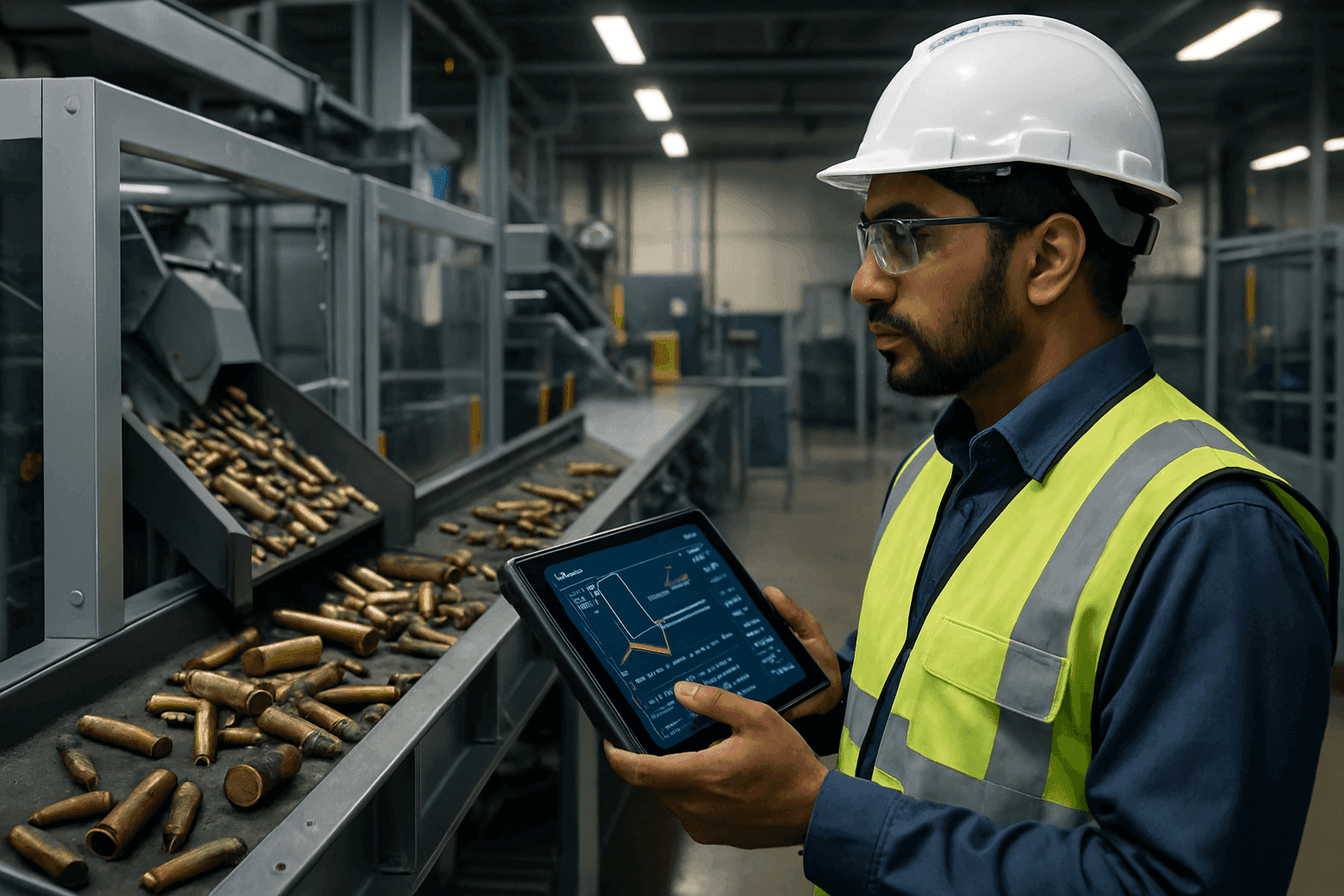
Automated Sorting and Segregation of Ammunition Waste for Incineration
The lifecycle of ammunition, from manufacturing to obsolescence, presents a formidable challenge in defense and waste management: the safe, efficient, and environmentally sound disposal of energetic materials. Improper handling of ammunition waste, laden with dangerous explosives, toxic chemicals, and heavy metals, poses severe risks to human health and ecosystems. As global stockpiles grow and environmental regulations tighten, the traditional methods of demilitarization are proving insufficient, driving a critical need for advanced automated sorting and segregation technologies, particularly as a precursor to controlled incineration.
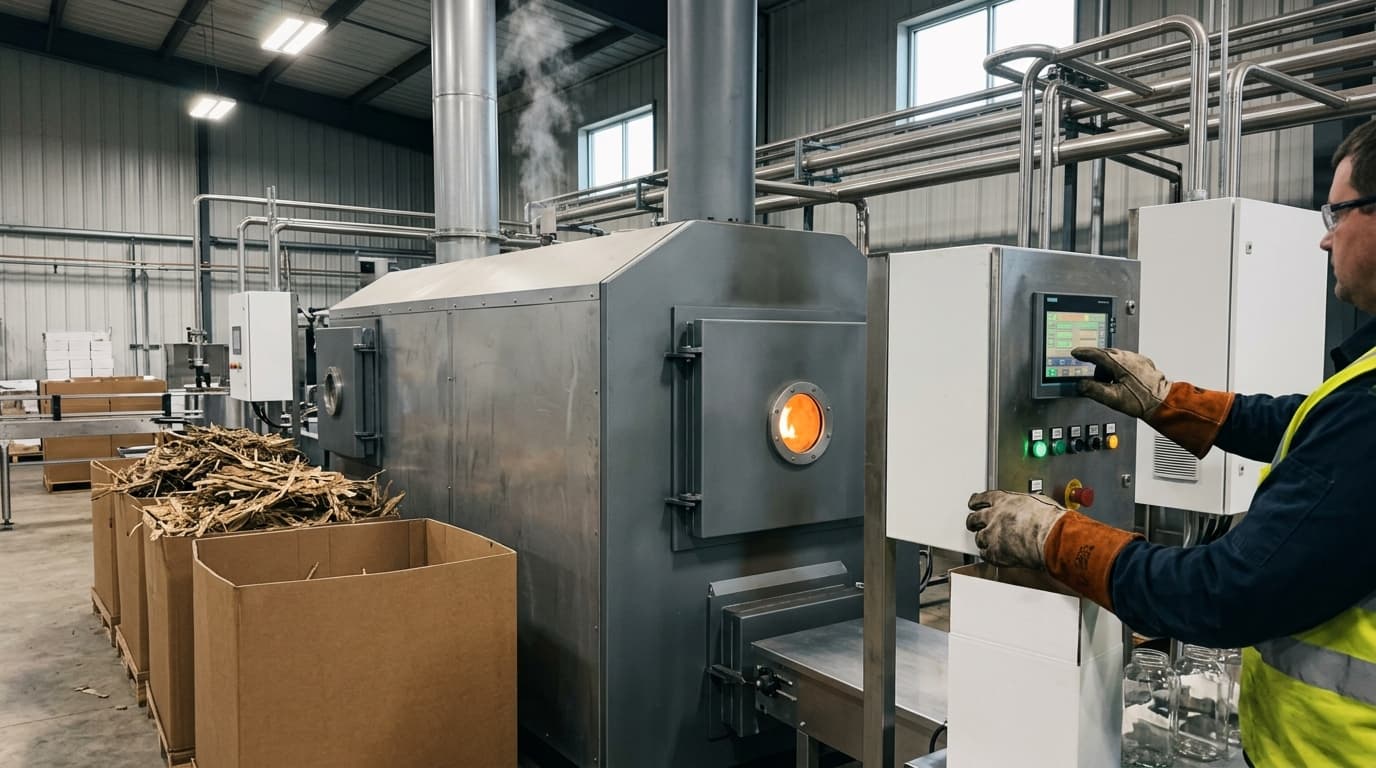
Complete incineration systems for general, agricultural, pharmaceutical, healthcare, and military waste — from under 50kg/h batch to 500kg/h continuous.
The Perilous Landscape of Ammunition Waste Disposal
Disposing of ammunition is far from a straightforward task, fraught with inherent dangers and significant environmental consequences. The complexity arises from the very nature of these materials, designed to be destructive, and the varied composition of munitions.
The Inherent Dangers of Energetic Materials
Ammunition, encompassing bullets, shells, grenades, and bombs, contains highly energetic compounds and hazardous substances like lead, mercury, and propellants. These materials are inherently unstable and can lead to accidental detonations, causing severe injuries, fatalities, and property damage if not handled with extreme care. The primer, a small but critical component, is particularly problematic due to its explosive nature, making safe removal tricky and dangerous.
Environmental Contamination and Regulatory Pressure
Improper disposal methods, such as open burning and open detonation (OB/OD), historically common due to their cost-effectiveness, release a cocktail of harmful pollutants into the environment. These include heavy metals (like lead and mercury), dioxins, toxic gases (such as SO₂ and NOₓ, contributing to acid rain), and particulate matter, degrading air quality and contaminating soil and groundwater. Such contamination affects plant and animal life, can poison drinking water, and poses long-term health risks to humans.
Recognizing these severe impacts, regulatory bodies worldwide, including the U.S. Environmental Protection Agency (EPA), are imposing increasingly stringent rules, pushing for a move away from OB/OD towards safer, more controlled, and enclosed disposal technologies. The Military Munitions Rule, for example, identifies when military munitions become hazardous waste and mandates safe storage and transport.
Limitations of Traditional Disposal Methods
While methods like open burning/open detonation are fast, they offer minimal control over emissions. Chemical neutralization, though effective in deactivating explosives, often generates hazardous by-products requiring careful handling. Physical destruction and recycling, while valuable for material recovery, are often labor-intensive, slow, and pose significant safety risks, especially when dealing with explosive primers. The sheer volume of surplus, obsolete, and defective munitions worldwide further overwhelms these manual and environmentally damaging processes.
The Imperative for Automated Sorting and Segregation
Given the dangers and regulatory pressures, automating the sorting and segregation of ammunition waste is no longer merely an option but a critical necessity. Automation minimizes human exposure to hazards, improves efficiency, and helps achieve environmental compliance.
Enhancing Safety Through Remote Operations
One of the most compelling advantages of automation is the drastic reduction in direct human interaction with hazardous energetic materials. Robots and remote-controlled systems can perform the intricate and dangerous tasks of ammunition disassembly and sorting, significantly lowering the risk of injury or fatality from accidental explosions or exposure to toxic substances. These systems can operate from a safe distance, maintaining effective control over the process.
Boosting Efficiency and Throughput
Manual demilitarization is notoriously slow and labor-intensive, making it impractical for the high volumes of munitions that require disposal due to obsolescence or treaty obligations. Automated systems, equipped with advanced robotics and programming, can handle tens of thousands of munitions, accelerating the process dramatically. This scalability is vital for managing large stockpiles and ensuring timely disposal.
Meeting Stringent Environmental Standards
By precisely segregating components and preparing materials for specific treatment pathways, automated systems optimize the subsequent disposal processes, such as incineration. This precision ensures that hazardous elements are managed appropriately, improving the effectiveness of pollution control measures and facilitating compliance with environmental regulations. It supports the recovery of valuable materials like metals, further reducing waste and environmental impact.
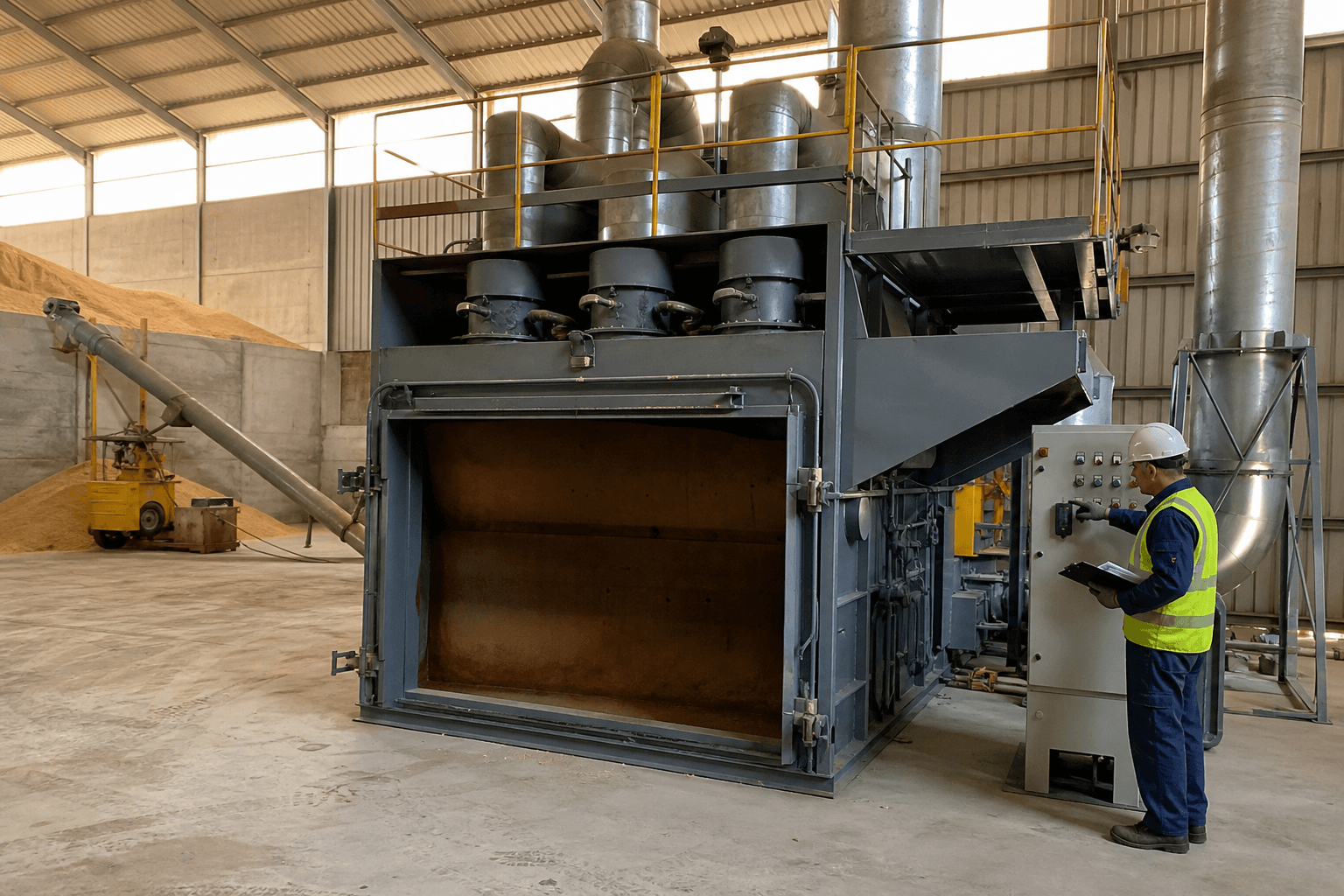
The LitBurn, AgriBurn, AmoBurn, and AniBurn ranges cover every waste disposal need with dual-chamber combustion and scrubbing options.
Technologies Driving Automated Ammunition Waste Management
The evolution of automation, robotics, and artificial intelligence (AI) is transforming ammunition waste management, offering sophisticated solutions for sorting and segregation.
Robotic Disassembly and Handling Systems
Advanced robotic systems are increasingly deployed for the safe handling and disassembly of munitions. These robots can be equipped with dextrous manipulator arms to safely handle or disrupt explosive devices, navigating complex environments with less direct human control. For example, Sandia National Laboratories has utilized robots to disassemble M26 rockets, each containing hundreds of micro-grenades, demonstrating the robots' capability for intricate and dangerous tasks at high volumes. These systems can be programmed to accommodate different types of munitions, increasing flexibility and efficiency.
Advanced Sensing, AI, and Machine Learning
The ability to accurately identify and classify diverse ammunition types and their internal components is crucial for safe segregation. This is where advanced sensing, AI, and machine learning come into play.
- High-Resolution Cameras, X-ray Imaging, and Chemical Detectors: Future robots will integrate these tools to provide real-time data, allowing assessment of threats from a safe distance and improving situational awareness.
- AI-Powered Threat Detection: Systems like SpotlightAI use machine learning to classify over 150 types of explosive devices by analyzing aerial imagery from drones, reducing reliance on manual detection in hazardous environments.
- Real-time Material Characterization: AI-powered waste sorting solutions can achieve real-time and continuous material characterization, enabling facilities to capture the most value from any material stream, even for municipal solid waste, a principle transferable to complex ammunition waste. This data-driven approach also helps optimize collection intervals and analyze disposal patterns.
Material Separation Techniques
Before incineration, effective segregation ensures that only appropriate materials enter the thermal treatment process, enhancing safety and efficiency while minimizing harmful emissions.
- High-Pressure Waterjet Technology: This method allows for the safe and rapid cutting through hardened steel and explosive contents of ammunition using only pressurized water and industrial garnet abrasive, without initiating the high explosive contents. This technique enables efficient access to the hazardous contents for removal or destruction.
- Trommels and Roller Sorters: For small arms ammunition cases, automated systems combining trommels and roller sorters can efficiently separate dirt, powder, debris, and different calibers by size and material (e.g., magnetic pulleys for steel cases). These systems allow for high throughput and full automation, requiring minimal human intervention once loaded.
- Magnetic and Eddy Current Separation: While primarily used in municipal solid waste, these technologies can separate ferrous and non-ferrous metals, which could be adapted for metallic components of ammunition waste after energetic materials are neutralized or removed.
The Role of Incineration in Safe Disposal
After precise sorting and segregation, incineration often serves as a controlled thermal treatment method for destroying energetic materials and associated contaminants.
Types of Incineration Technologies for Energetic Materials
Modern incineration facilities are designed to handle hazardous waste with high temperatures and controlled environments, offering a more contained approach compared to OB/OD.
- Rotary Kilns: These are designed to destroy non-encapsulated munitions, such as TNT, propellants, and small arms munitions, through thermal treatment. Resulting scrap metal may require additional processing.
- Static Detonation Chambers (SDCs): SDCs use indirect heat to completely decontaminate munitions, yielding explosive-free scrap metal safe for recycling. This is considered a highly safe and cost-efficient technology for demilitarization.
- Fluidized Bed Furnaces: Investigations have shown fluidized bed furnaces to be suitable for controlled burning of munitions, especially when the explosive can be washed out and made into a slurry for pumping into the furnace.
Advanced Pollution Control Systems
Crucially, modern incineration facilities for ammunition waste are equipped with sophisticated gas treatment and pollution control systems. These systems are essential for capturing and destroying particulates, neutralizing acid gases (like HCl, SO₂, NOₓ), and reducing emissions of heavy metals, dioxins, and furans. Strict monitoring of combustion temperatures, waste feed rates, and stack-gas concentrations ensures environmental compliance and minimizes the release of harmful substances into the atmosphere.
Overcoming Challenges and Looking to the Future
While significant progress has been made, the field of automated ammunition waste management continues to evolve, facing challenges related to integration and the continuous need for innovation.
Integration and Interoperability
Future developments will focus on seamlessly integrating various automated systems—from initial sorting to incineration—into cohesive operations. This includes interoperability between different robotic platforms, AI systems, and communication networks, allowing for real-time data sharing and coordinated responses. Training for personnel will also evolve to ensure proficiency in operating these advanced technologies, combining human expertise with robotic and AI support.
Continuous Innovation in Demilitarization
The drive for safer and greener demilitarization technologies remains strong. Research and development continue to explore alternatives to traditional methods, including chemical treatments and bioremediation, to minimize environmental impact. The long-term goal is to achieve truly closed-disposal technologies that either convert energetic materials into safe commercial products or fully neutralize them with minimal environmental footprint. Robotics will play an expanding role beyond traditional explosive ordnance disposal (EOD), including reconnaissance and hazardous materials assessments.
Automated sorting and segregation, coupled with controlled incineration and robust pollution control, represents a critical advancement in managing ammunition waste. By leveraging robotics, AI, and advanced material science, the industry is moving towards a future where the disposal of energetic materials is not only more efficient but also significantly safer for both personnel and the planet.
