
Operator Training for ThermDry TDS Industrial Dehydrators Emphasizes Comprehensive Documentation and Practical Application
Operator training for the ThermDry TDS series of industrial dehydrators is primarily facilitated through comprehensive documentation and practical guidance designed for operators, maintenance personnel, and individuals responsible for equipment upkeep. The focus is on enabling users to understand, operate, maintain, and troubleshoot the dehydrators effectively to maximize uptime and efficiency.
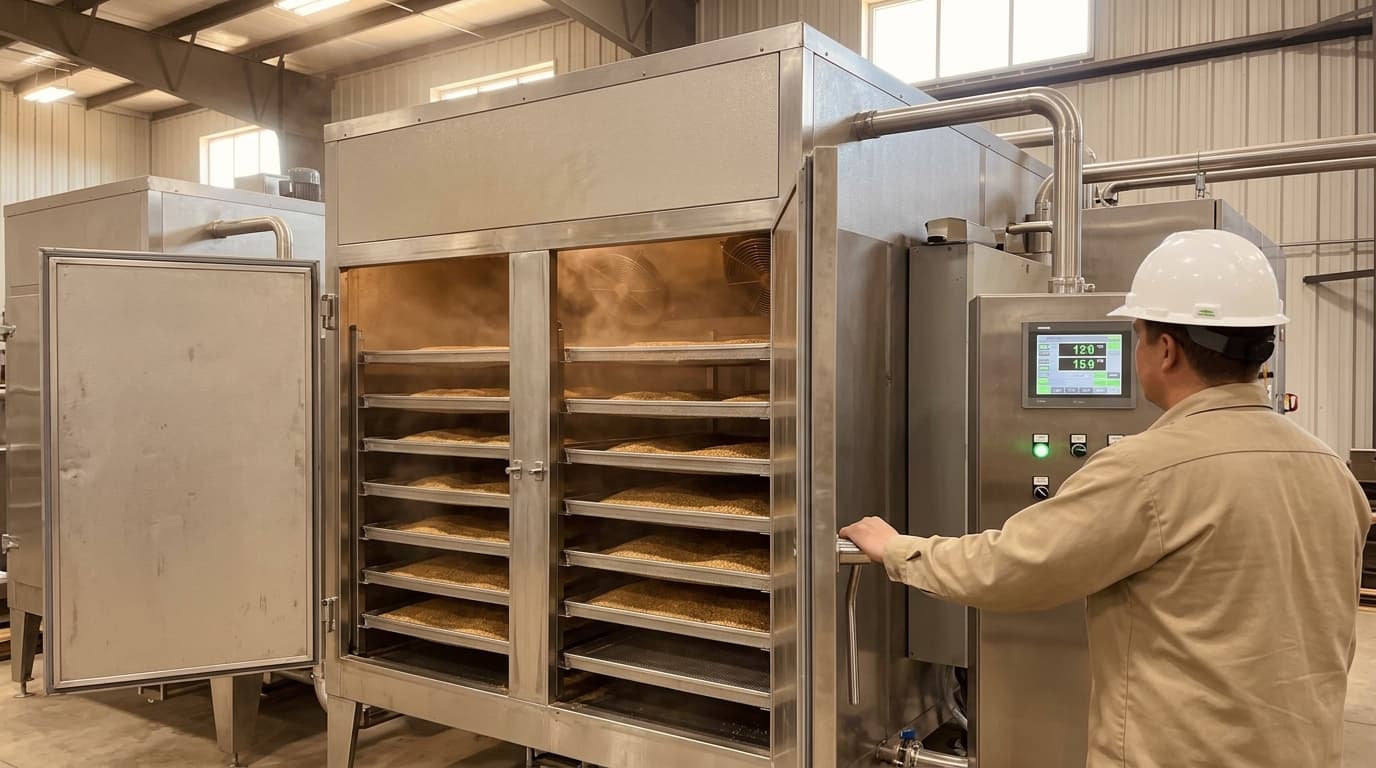
Industrial dehydration systems designed for precise moisture removal — from agricultural produce and pet food to chemical powders and pharmaceutical intermediates.
Understanding the ThermDry TDS System: The Foundation of Operator Training
A core component of operator preparedness involves a thorough understanding of the ThermDry TDS system's basic operation and key components. This foundational knowledge is crucial before engaging in maintenance or troubleshooting. Operators are expected to familiarize themselves with the various elements that constitute the dehydrator, including:
- Heating Elements: Responsible for generating the necessary heat for dehydration.
- Fans/Air Circulation System: Ensures even heat distribution and the efficient removal of moisture.
- Control System: Manages temperature, humidity, and drying cycles, often featuring programmable recipes for diverse applications.
- Trays: Designed to hold materials during dehydration, with adjustable spacing to accommodate different product sizes.
- Sensors: Monitor critical parameters such as temperature and humidity, providing essential feedback to the control system.
- Exhaust Vents: Expel moisture-laden air from the dehydrator, maintaining optimal drying conditions.
Models like the TDS-3500 offer specific features and capacities, requiring operators to understand the nuances of their particular unit.
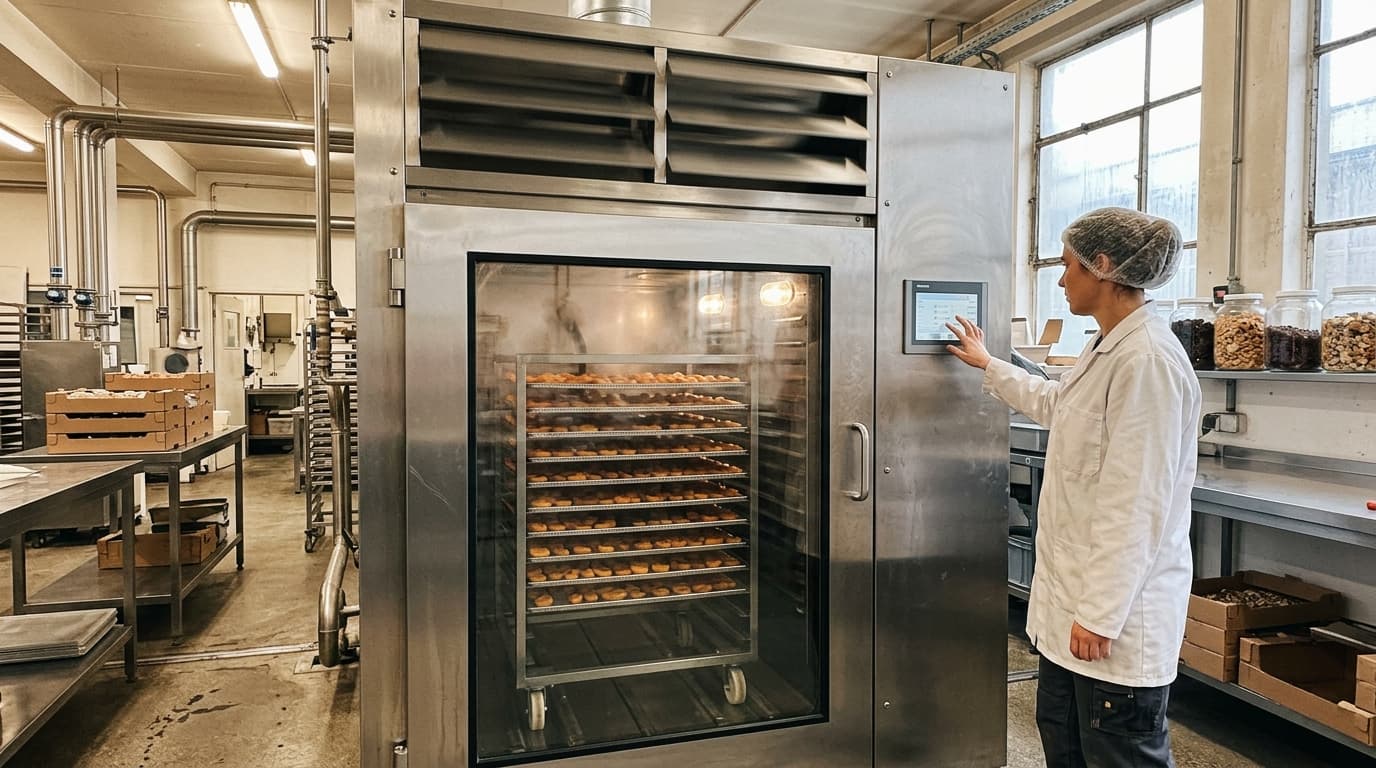
Energy-efficient drying technology with controlled airflow and temperature profiling for consistent, high-quality output across batch and continuous processes.
Practical Skills: Maintenance and Troubleshooting for Daily Operations
The training methodology heavily emphasizes preventative maintenance and troubleshooting, considered crucial for extending the lifespan of the ThermDry TDS dehydrator and avoiding costly repairs. Operators are guided through a structured approach to equipment care:
Daily Maintenance Procedures
Operators are instructed to perform daily tasks to ensure continuous optimal performance. These include:
- Visual Inspections: Conducting thorough visual checks before each use for signs of wear, damage, or leaks, and confirming all safety guards are securely in place.
- Cleanliness: Maintaining a clean environment around the dehydrator and regularly wiping down exterior surfaces to prevent dust and debris accumulation.
- Operational Checks: Monitoring key parameters like temperature and airflow during operation and listening for unusual noises. Ensuring control systems and sensors function correctly is also part of daily checks.
Weekly and Monthly Maintenance Protocols
As part of ongoing training, operators learn to execute more in-depth maintenance on a weekly and monthly basis:
- Tray Cleaning: Removing and thoroughly cleaning all trays with mild dish soap and warm water, ensuring they are completely dry before reinsertion.
- Air Vent and Filter Cleaning: Checking and cleaning air vents and filters to prevent blockages, which are vital for proper airflow and drying efficiency.
- Component Inspection: Inspecting heating elements, fans, and control panels for any signs of damage or wear.
- Deep Cleaning: Performing a comprehensive interior clean with a damp cloth and mild detergent.
- Sensor Calibration: Regularly checking and calibrating temperature and humidity sensors for accurate readings.
- Moving Parts Lubrication: Applying food-safe lubricant to moving parts such as fan motors or trolley wheels.
Advanced Troubleshooting and Operational Guidance
For more complex issues, operator training extends to advanced troubleshooting techniques, which often necessitate consulting detailed operational manuals. Key aspects include:
- Consulting the Operations Manual: Referring to the ThermDry TDS operations manual for specific troubleshooting guidance, error codes, and in-depth information.
- Monitoring Drying Times and Temperatures: Maintaining detailed records to identify deviations from normal operation.
- Component-Level Testing: Utilizing diagnostic tools for testing individual components like heating elements, sensors, and control modules.
- Professional Consultation: Understanding when to contact the manufacturer or a qualified service technician for expert assistance for persistent issues.
The provided training emphasizes self-reliance through detailed guides, enabling operators and maintenance personnel to confidently manage the ThermDry TDS dehydrator for various industrial applications, including food processing, pharmaceutical manufacturing, and chemical processing.
