Validating Process Feasibility for an 8,200 kg/h Waste-to-Energy Incinerator
A major waste management company required a technical validation of a proposed WtE facility designed to process 8,200 kg/h of RDF. The facility design, provided by a specialized incinerator manufacturer, necessitated a high-level review to verify thermodynamic feasibility, process safety, and WID compliance before progressing to detailed engineering.
The engagement involved a multi-disciplinary assessment of the manufacturer's proposed system, which included primary and secondary incineration chambers, an ID fan configuration, flue gas abatement systems, and a a boiler manufacturer-style boiler. Given that the project was bespoke and represented the largest incineration unit the manufacturer had undertaken, the engineering consultancy firm was brought in to identify potential operational bottlenecks and "red flags" that could impact the long-term viability and return on investment for the client.
Thermodynamic Feasibility and Simulation
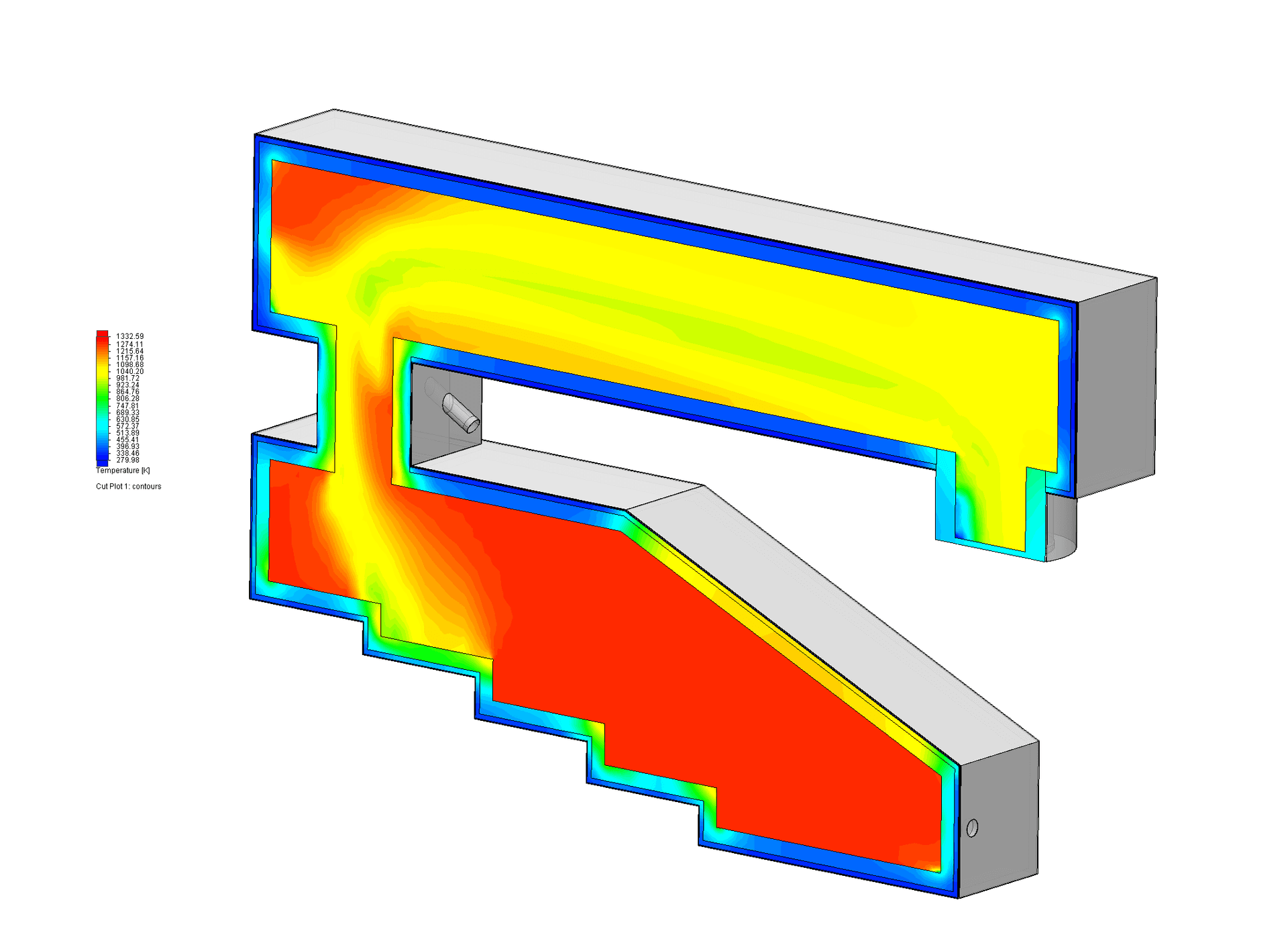
To verify the manufacturer's initial heat and mass balance calculations, the engineering team performed an independent simulation. This process was critical to establish whether the system could consistently achieve the required steam output of 8,200 kg/h at 7 Barg pressure while maintaining the necessary thermal destruction of waste materials.
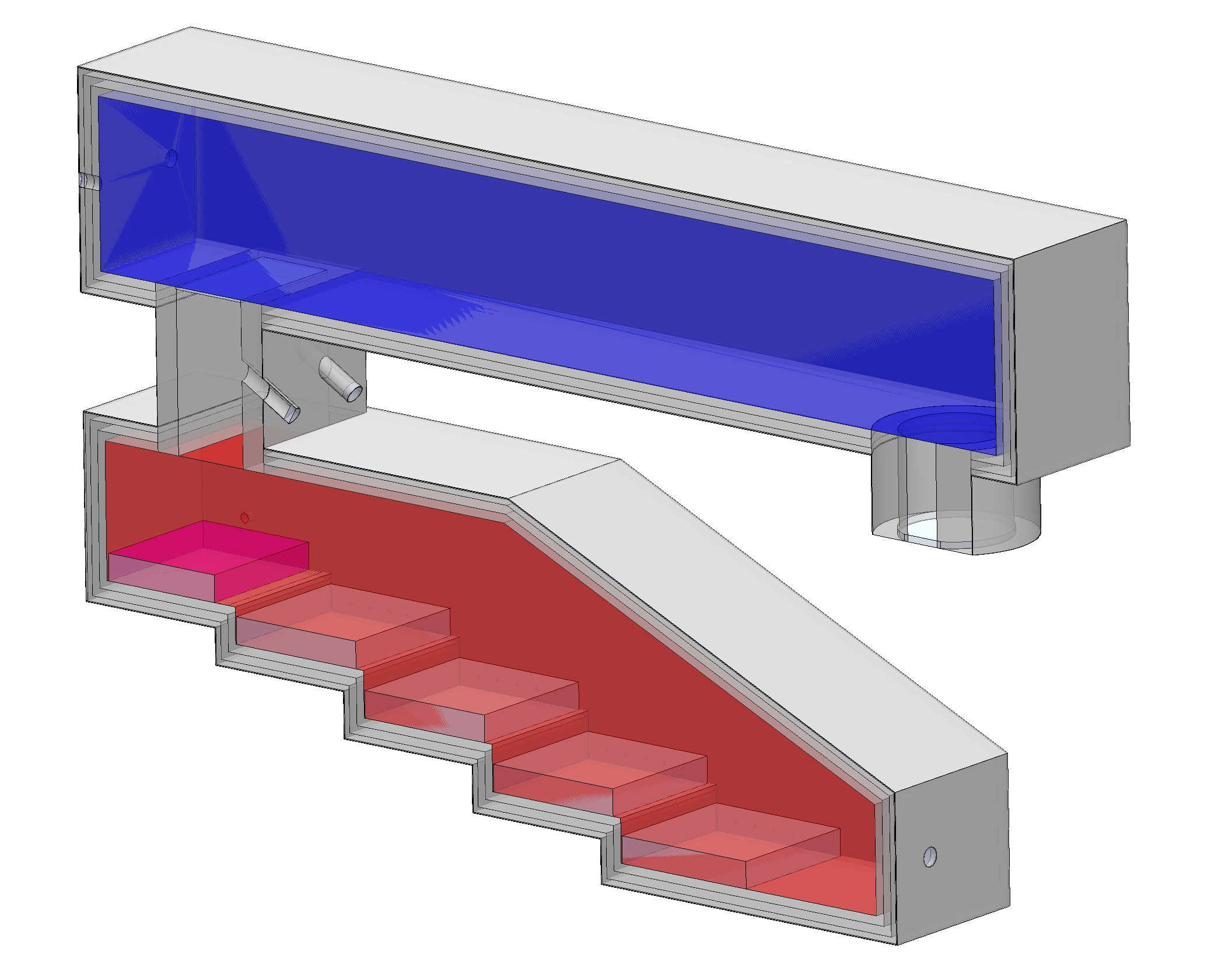
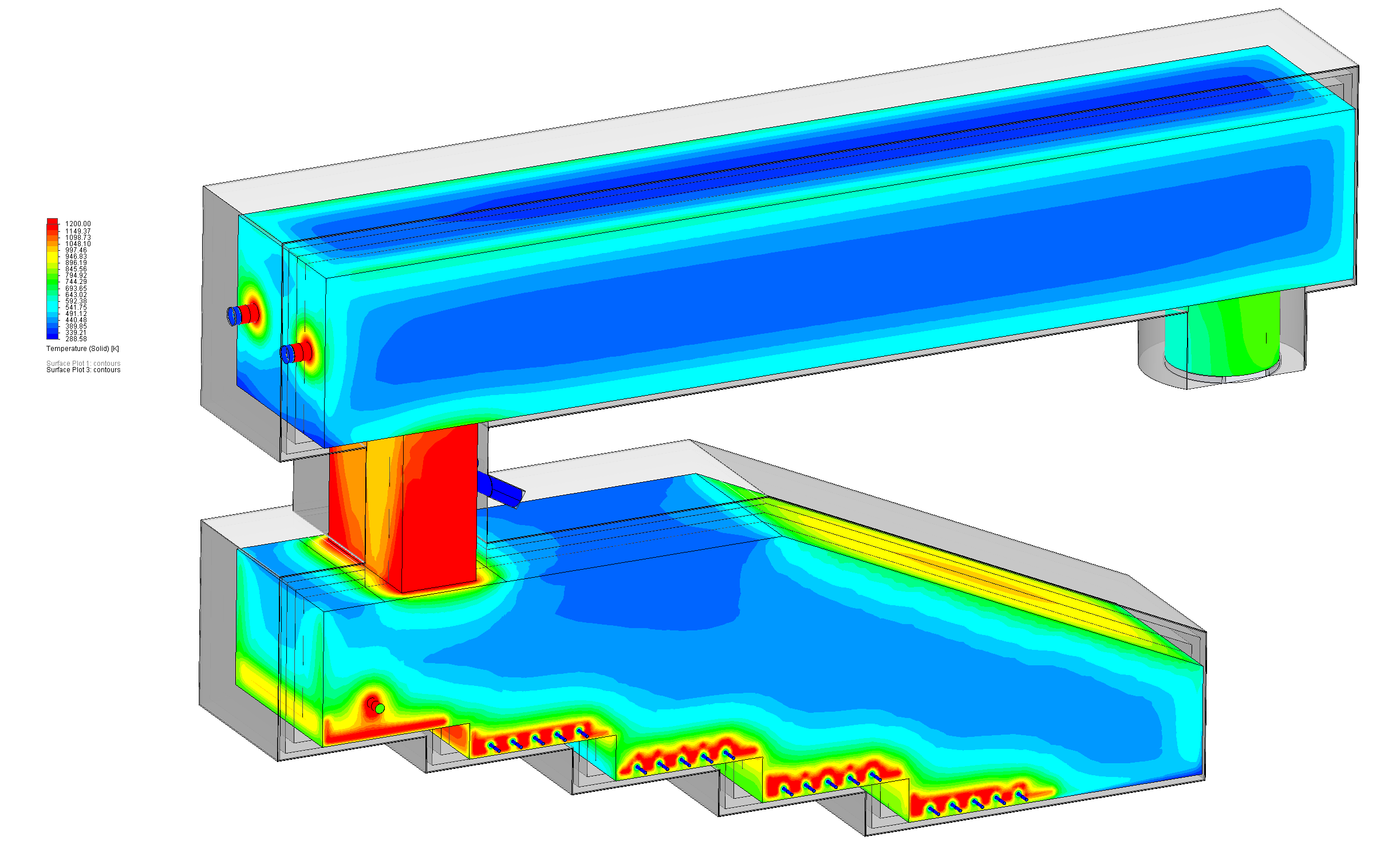
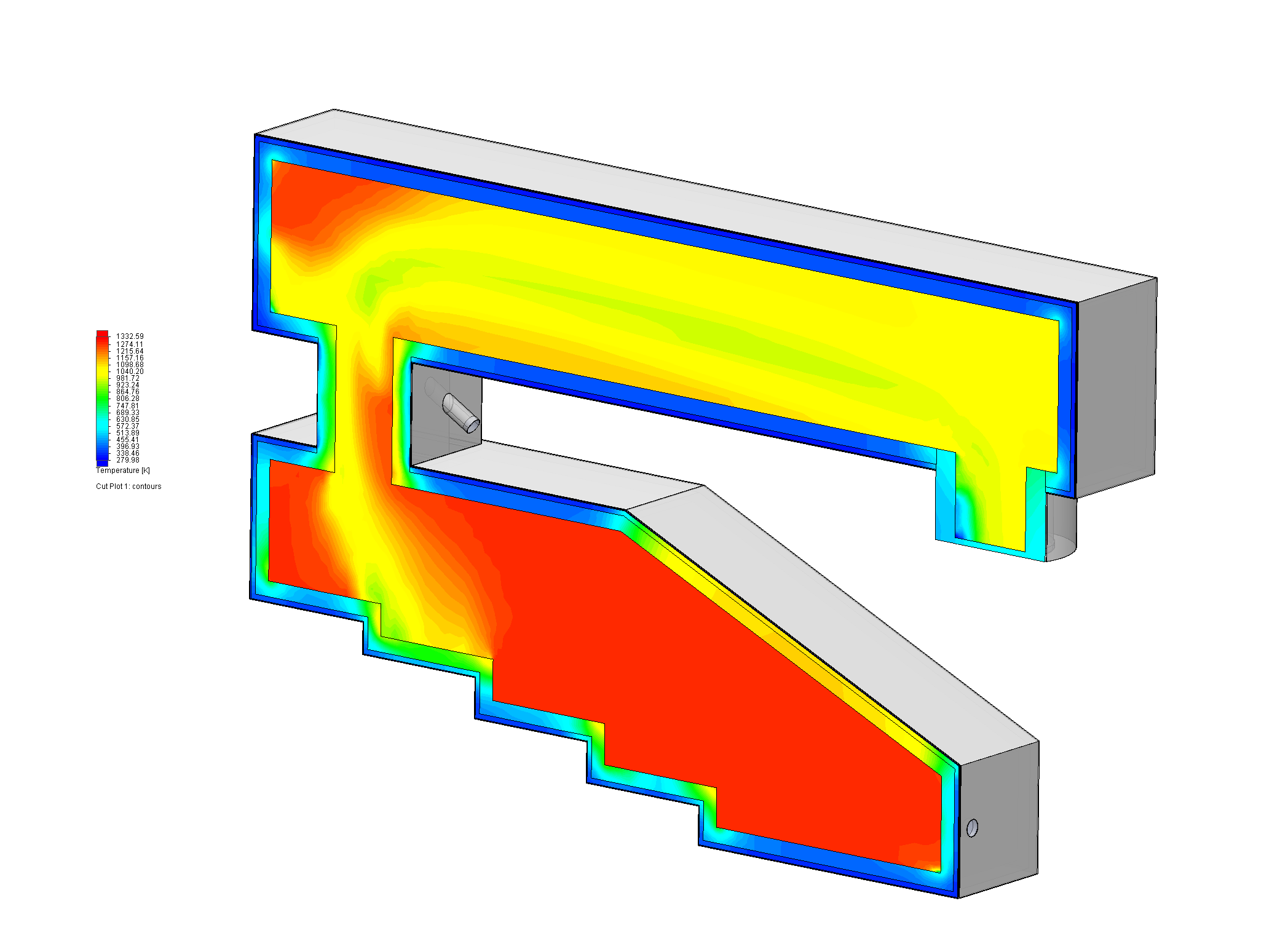
The simulation utilised CFD modelling to analyse temperature distribution, pressure drops, and residence times within the combustion chambers. This was essential for confirming that the design would satisfy WID requirements, which mandate specific temperature and residence time thresholds for effective incineration.
Key Performance Metrics Identified
The modelling confirmed that the proposed thermal design was sound, with temperature profiles in the primary and secondary chambers tracking closely with the manufacturer's specifications. The team observed the following performance characteristics:
| Parameter | Predicted Range |
|---|---|
| Primary Chamber Temperature | 959 - 1,067 C |
| Secondary Chamber Temperature | 909 - 1,025 C |
| Final Exhaust Temperature | 184 - 189 C |
| Steam Production | 6,709 - 9,439 kg/h |
Safety and Operational Risk Assessment
A rigorous FMEA was conducted to evaluate the reliability of the system. This analysis focused on identifying failure modes that could cause unplanned downtime or breach regulatory emission limits. Several critical areas were flagged for the detailed design phase:
- Boiler Fouling: The team identified that potential tube fouling could directly impact steam production. Given the nature of RDF, in-depth consideration of fouling rates was recommended, including the potential requirement for a standby duty boiler to ensure consistent uptime.
- Feeding System: The choice between screw conveyors and a ram pusher system was highlighted as a critical decision point. The team advised that product trials were necessary to determine the most reliable method to prevent blockages, which could otherwise halt production.
- Emergency Bypass: The inclusion of an emergency bypass was confirmed as a robust safety feature. The review validated the logic of its operation, triggered by conditions such as power failure or induced draught fan failure, ensuring the system could be safely depressurised.
- ID Fan Sizing: As the sizing of the ID fan is critical to plant throughput, the team verified that the manufacturer's design included an appropriate safety factor, allowing for potential increases in pressure drop across the system.
The analysis concluded that the manufacturer's design philosophy was based on sound engineering principles. However, the success of the project relied on the detailed engineering phase to manage risks associated with fouling, material selection, and control logic.
Technical Expertise and Execution
A key component of the engagement was evaluating the specialized incinerator manufacturer's ability to deliver such a complex, bespoke project. The engineering consultancy firm reviewed the credentials of the manufacturer's core technical team, spanning mechanical engineering, control systems, and process health and safety.
The evaluation found that the manufacturer possessed the necessary experience to manage the project, including a strong grasp of waste chemistry required to neutralise gases and meet emission standards. The strategic decision to sub-contract specific components, such as the boiler and fan units, to established industry specialists was viewed as a prudent approach, allowing the manufacturer to focus on overall process integration and system-wide performance.
Outcome
The design review provided the client company with the necessary assurance to proceed. By validating the thermodynamic model and highlighting specific areas for risk mitigation - such as boiler maintenance and feeding system configuration - the engineering consultancy firm effectively reduced the uncertainty surrounding the project's viability.
The final report concluded that the proposed system was capable of achieving the client's targets, including WID compliance and the target steam production of 8,200 kg/h. The client was able to move into the detailed engineering phase with a clear roadmap of technical requirements, ensuring that potential operational risks were addressed before construction commenced.

Managing Director — EnerTherm Engineering
Dr. François Pierrel is Managing Director of EnerTherm Engineering with over two decades of expertise in thermal design, heat transfer, and industrial energy optimisation. He holds a PhD in Heat Transfer from Cranfield University and a Post-Doctorate from Heriot-Watt University.
