Evaluating Flue Gas Cleaning Systems in Industrial Incinerators: A Comprehensive Guide
Industrial incinerators, particularly those involved in waste-to-energy systems and the thermal treatment of industrial general waste, play a critical role in waste management. However, their operation generates flue gases containing a complex mixture of pollutants, including particulate matter (PM), acid gases (SOx, NOₓ, HCl, HF), heavy metals (mercury, lead, cadmium), and highly toxic organic compounds like dioxins and furans. Effective flue gas cleaning (FGC) systems are indispensable to meet stringent environmental regulations, protect public health, and ensure sustainable operations.
This guide delves into the various types of flue gas cleaning systems, their performance characteristics, and their specific applications in industrial incineration, offering insights into their strengths and limitations.
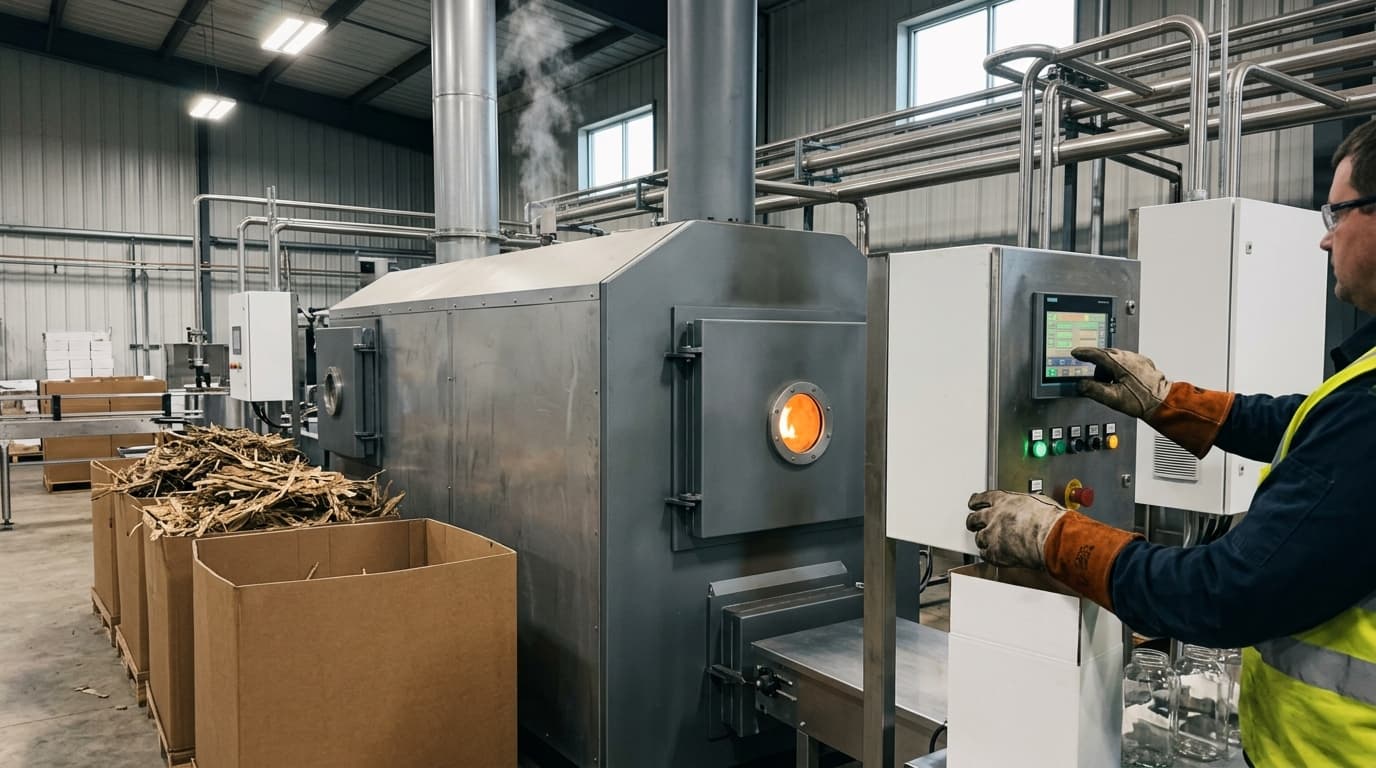
Complete incineration systems for general, agricultural, pharmaceutical, healthcare, and military waste — from under 50kg/h batch to 500kg/h continuous.
The Critical Need for Flue Gas Cleaning in Incineration
Untreated flue gas from industrial incinerators poses significant environmental and health risks. Pollutants like particulates, heavy metals, sulfur oxides (SOx), nitrogen oxides (NOₓ), and other hazardous compounds contribute to respiratory issues, acid rain, and ecosystem damage. Legislators worldwide have continually tightened emission limits, making advanced FGC technology a cornerstone of any approved waste incineration project. The goal is to achieve minimal emissions, even with the challenging and heterogeneous nature of waste as a fuel source.
Key Pollutants and Their Impact
Industrial incinerator flue gas typically contains:
- Particulate Matter (PM): Fine dust particles that can carry heavy metals and organic pollutants.
- Acid Gases: Sulfur dioxide (SO₂), hydrogen chloride (HCl), and hydrogen fluoride (HF) contribute to acid rain and corrosion.
- Nitrogen Oxides (NOₓ): Primarily nitric oxide (NO), which can react to form nitrogen dioxide (NO2), contributing to acid rain, eutrophication, ozone, and photochemical smog.
- Heavy Metals: Mercury (Hg), lead (Pb), cadmium (Cd), thallium (Tl), arsenic (As), chromium (Cr), and others are highly toxic and can vaporize during incineration.
- Dioxins and Furans (PCDD/F): Extremely toxic organic compounds formed under certain combustion conditions, with very low permitted emission levels.
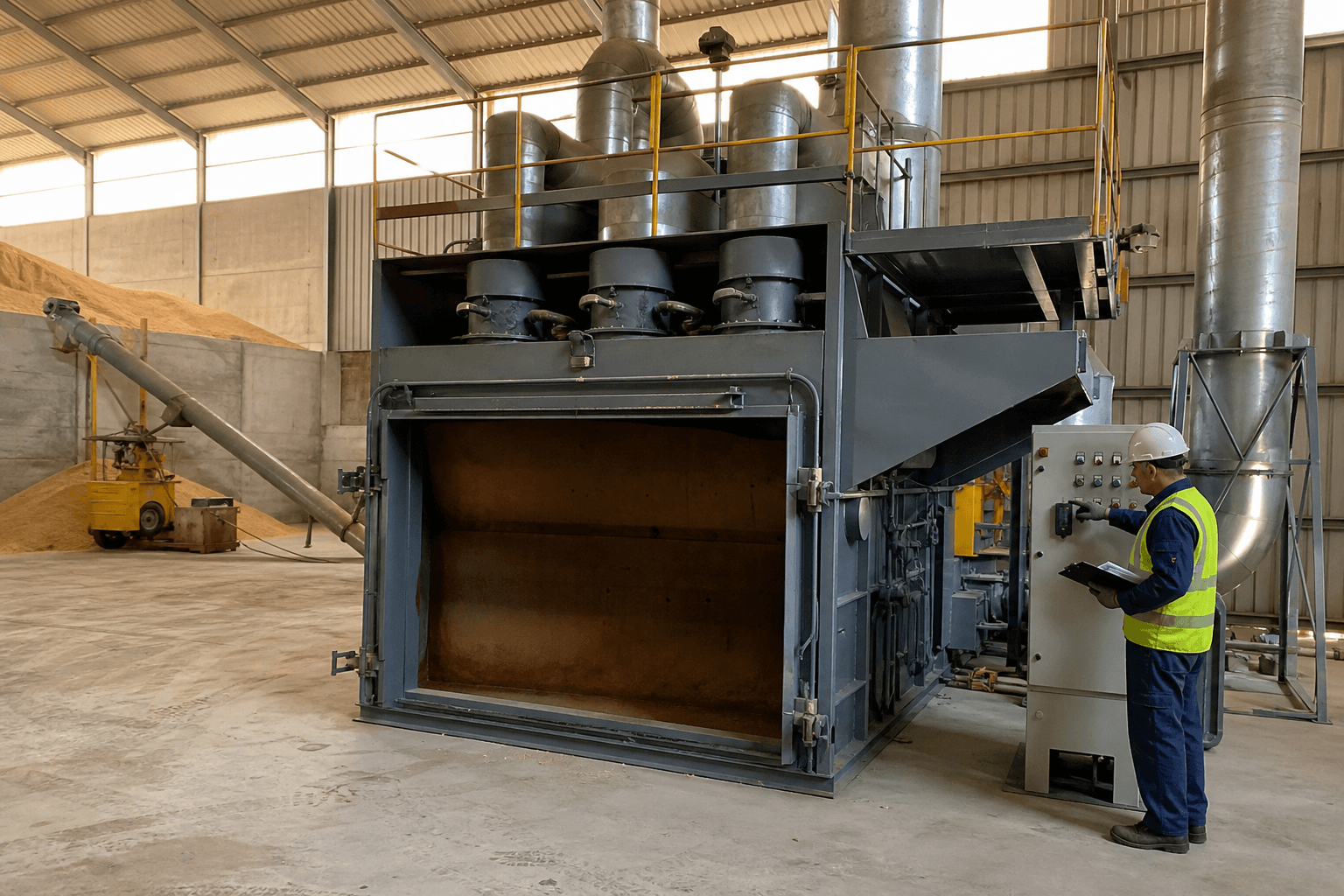
The LitBurn, AgriBurn, AmoBurn, and AniBurn ranges cover every waste disposal need with dual-chamber combustion and scrubbing options.
Types of Flue Gas Cleaning Systems and Their Performance
Modern flue gas cleaning typically involves a multi-stage approach, combining different technologies to target specific pollutants.
1. Particulate Matter Removal
Effective removal of particulate matter is often the first step in FGC, as many heavy metals and organic pollutants can be adsorbed onto these particles.
a. Electrostatic Precipitators (ESPs)
ESPs use electrical forces to charge particles in the gas stream and collect them on oppositely charged plates.
- Performance: ESPs can achieve high efficiencies, with some reporting 99.6% removal for particulate matter, resulting in very low residuals. They are particularly efficient at collecting fine particles (0.1 to 1.0 µm), which is significant because volatile metals like cadmium and lead often reform as fine fumes upon cooling.
- Considerations: Performance is sensitive to particulate properties like electrical resistivity and particle size distribution. High concentrations of chlorides, fluorides, or sulfur in exhaust gases can cause corrosion and degradation of ESP electrodes, reducing their collection efficiency.
b. Fabric Filters (Baghouses)
Fabric filters, or baghouses, use specialized fabric bags to physically trap particulate matter as flue gas passes through.
- Performance: Fabric filters are highly efficient, capable of capturing over 99.9% of particulate matter, including fine and submicron particles (PM2.5/PM10). The dust cake that forms on the fabric itself acts as an efficient filtration layer. They maintain high efficiency even with variations in inlet dust loading.
- Considerations: They require heat-resistant materials for the filter bags, such as fiberglass, PPS, or PTFE, due to high flue gas temperatures in incinerators. Acidic gases and moisture can lead to chemical corrosion, necessitating specialized coatings or membrane layers. Regular cleaning cycles are essential to prevent increased pressure drop and maintain efficiency. Baghouses are commonly used in waste-to-energy plants.
2. Acid Gas Removal
Acid gases like SOx, HCl, and HF are typically removed using scrubbing technologies.
a. Wet Scrubbers
Wet scrubbers use liquid solutions (often water or alkaline solutions like lime, caustic soda, or sodium bicarbonate) to absorb and neutralize gaseous pollutants.
- Performance: Highly effective, capable of removing up to 99% of acid gases like SO₂ and HCl. They can also efficiently cool hot gases. Two-stage wet scrubbers are common, with an acidic stage for HCl removal and a neutral stage (using lime or caustic soda) for SO₂ removal. Wet scrubbers can also remove gaseous heavy metals.
- Considerations: They consume significant amounts of water and produce liquid waste (wastewater) that requires treatment. They can be more complex and have higher initial and operational costs due to liquid handling and wastewater treatment.
b. Dry and Semi-Dry Scrubbers
These systems use dry or semi-dry alkaline reagents (e.g., hydrated lime, sodium bicarbonate) injected into the flue gas to neutralize acidic components.
- Performance: Spray Drying Absorption (SDA) is a popular semi-dry method that removes acid gases, particulates, trace metals, and dioxins by converting them into a light, free-flowing powder. SDA systems are highly efficient, often exceeding regulatory requirements for acid gas removal. Dry sorbent injection systems, often using sodium bicarbonate, are effective for HCl, SO₂, and HF, and can also adsorb heavy metals, dioxins, and furans, especially when combined with activated carbon.
- Considerations: Dry scrubbers generally have lower removal efficiencies for certain pollutants compared to wet scrubbers, though newer designs can reach up to 90% for SO₂. They generate dry waste (solid byproducts) that requires proper handling and disposal. They typically have lower capital and operating costs and less maintenance than wet scrubbers.
3. Nitrogen Oxides (NOₓ) Removal
NOₓ reduction is achieved through selective catalytic reduction (SCR) or selective non-catalytic reduction (SNCR).
a. Selective Non-Catalytic Reduction (SNCR)
SNCR involves injecting ammonia or urea into the furnace at high temperatures (1550°F to 1950°F or 843°C to 1065°C) to react with NOₓ and convert it into harmless nitrogen and water.
- Performance: Typical NOₓ removal efficiency ranges from 20% to 70%, with average efficiencies around 50%. It is a cost-effective solution for secondary NOₓ control.
- Considerations: SNCR performance depends on boiler design, load, and the optimal temperature window. It may not suffice if extremely low NOₓ emission limits are required.
b. Selective Catalytic Reduction (SCR)
SCR systems inject ammonia or urea into the flue gas, which then passes over a catalyst bed, converting NOₓ into nitrogen and water at lower temperatures than SNCR.
- Performance: SCR offers higher NOₓ reduction levels, typically achieving up to 90-95% efficiency. For very low emission limit values, SCR is often necessary.
- Considerations: Classic SCR catalysts are sensitive to dust and corrosion, often requiring placement downstream of other flue gas cleaning equipment, which may necessitate gas reheating. While effective, SCR systems have higher capital costs and may have higher indirect environmental impacts (e.g., global warming) compared to SNCR, mainly due to the energy required for gas reheating and catalyst production. However, for ultra-low NOₓ and NH3 emissions, a combination of SNCR and SCR can be used.
4. Heavy Metal and Dioxin/Furan Removal
These highly toxic pollutants require specialized removal techniques, often integrated with other FGC stages.
a. Activated Carbon Injection
Activated carbon is widely used as an adsorbent for dioxins, furans, and vapor-phase heavy metals like mercury.
- Performance: Powdered activated carbon (PAC) is typically injected into the flue gas stream before a dust collector (like a bag filter). It oxidizes mercury (Hg) to HgCl2, which is then adsorbed. Impregnated activated carbon can enhance heavy metal removal. Activated carbon injection can enhance the removal of mercury and dioxins in spray drying absorption (SDA) processes. Activated carbon can reduce dioxin content to very low levels, sometimes below 0.1 ng TE/m³.
- Considerations: Activated carbon only captures dioxins; it does not destroy them, leading to new risks in managing the spent, dioxin-laden material. Continuous exchange of adsorbent (moving-bed or turbulent-contact methods) is preferred over fixed-bed adsorbers for flue gas cleaning due to issues like SO₂ adsorption leading to sulfuric acid formation and corrosion.
b. Catalytic Dioxin Destruction
Technologies like catalytic filter bags can destroy dioxins and furans directly.
- Performance: Catalytic filter bags loaded with a proprietary catalyst can achieve over 99% destruction of dioxins and furans without activated carbon injection, reducing emissions to extremely low levels (e.g., less than 0.02 ng TEQ/Nm³). Shell's Dioxin Destruction System (SDDS) claims over 99.9% destruction efficiency, even at low flue gas temperatures (as low as 160°C).
- Considerations: This technology offers a destruction-based solution rather than just capture, eliminating the need for solid waste disposal of dioxin-laden adsorbents.
Integrated Flue Gas Cleaning Systems
Due to the complex nature of incinerator emissions, multi-stage systems are the norm. A typical integrated system might include:
- Quench Tower: Cools the hot flue gas.
- Dry/Semi-Dry Scrubber (e.g., SDA or dry sorbent injection): For preliminary acid gas removal and often some particulate and heavy metal removal. Hydrated lime and activated carbon can be injected here.
- Fabric Filter (Baghouse) or ESP: For efficient particulate matter removal and to collect reaction products from dry/semi-dry scrubbing. Activated carbon, if injected, is collected here, along with adsorbed pollutants.
- Wet Scrubber (optional, as a polishing step): For further acid gas removal and potentially gaseous heavy metals, especially if very stringent limits apply.
- SNCR/SCR System: For NOₓ reduction, typically placed at appropriate temperature zones.
- Activated Carbon Adsorbers (fixed/moving bed) or Catalytic Dioxin Destruction: As a final polishing step for dioxins, furans, and residual vapor-phase mercury.
This multi-stage approach ensures compliance with diverse and stringent emission limits for various pollutants. For example, a system might involve a dry reaction tower with hydrated lime and activated carbon injection, followed by a fabric filter, and then a final wash with sodium hydroxide solution for acid gas neutralization.
Challenges and Future Trends in Flue Gas Cleaning
The challenges in FGC for industrial incinerators stem from the variable and often corrosive nature of the flue gas, as well as the need for energy efficiency and byproduct management.
- Variable Waste Composition: The diverse nature of industrial general waste and municipal solid waste makes pollutant characteristics unpredictable, demanding flexible and robust FGC systems.
- Corrosive Gases: High concentrations of chlorides, fluorides, and sulfur in flue gas can lead to corrosion of FGC equipment.
- Energy Efficiency: Optimizing FGC systems to minimize energy consumption (e.g., for gas reheating in SCR) is a growing focus.
- Byproduct Management: FGC processes generate solid residues (fly ash, reaction products) and potentially wastewater, which must be managed responsibly. There's an increasing focus on the recovery and recycling of these by-products as valuable raw materials.
- Emerging Technologies: Continuous research focuses on improving the efficiency and cost-effectiveness of existing technologies and developing new solutions. For instance, cold electrode electrostatic precipitators (CE-ESPs) are being investigated for enhanced heavy metal removal. Combining technologies, such as SCR with conditioned dry sorption, or using catalytic multi-filters for NOₓ and dioxin removal, also represents ongoing advancements.
By carefully evaluating the performance of different flue gas cleaning systems and integrating them into optimized multi-stage configurations, industrial incinerators can effectively mitigate environmental impact and contribute to sustainable waste management and waste-to-energy initiatives.
