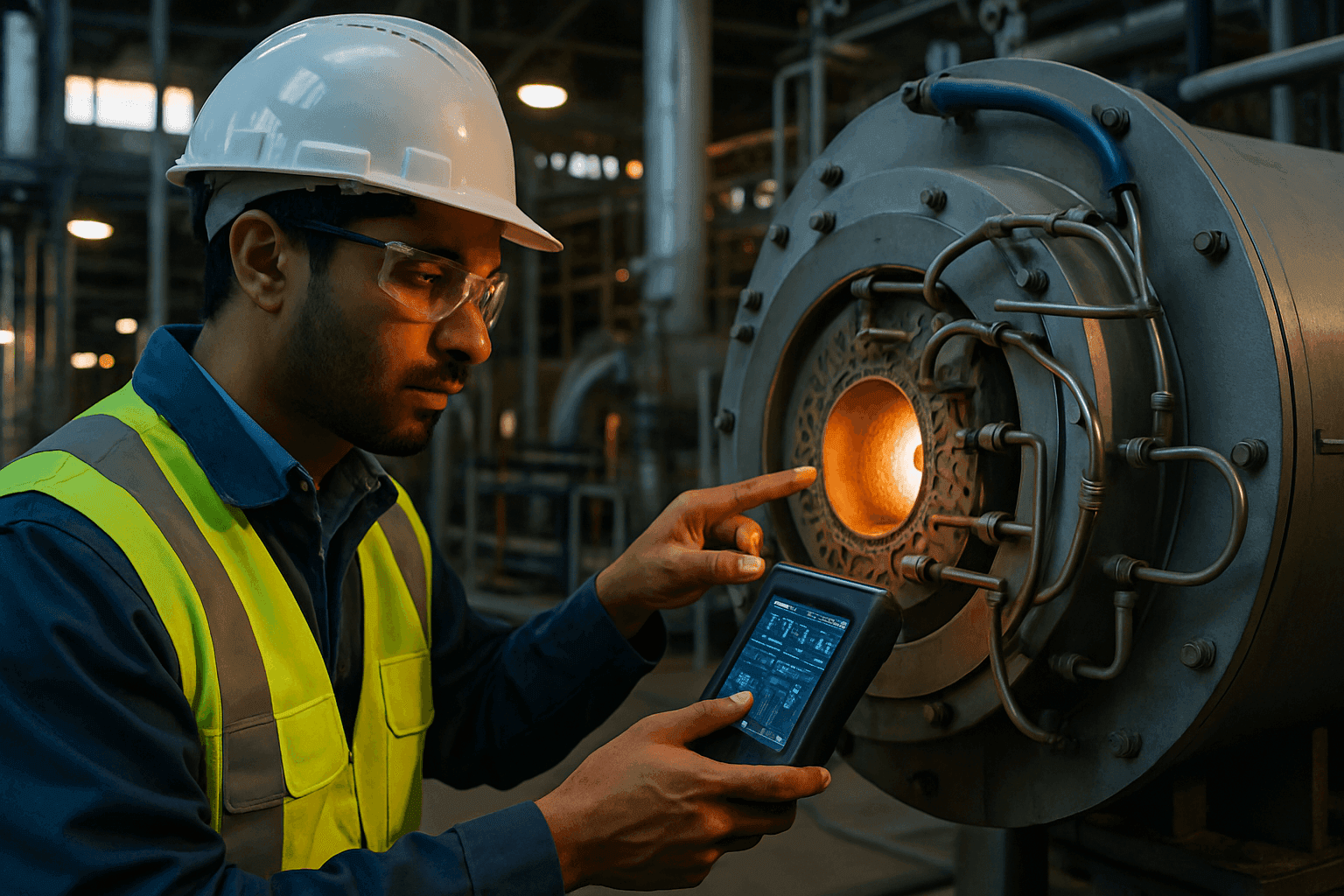
Advanced Burner Technologies for Process Heaters: Enhancing Efficiency and Reducing Emissions
In the demanding realms of chemical processing, oil and gas, and industrial heating, process heaters are indispensable. These critical pieces of equipment are responsible for raising fluid temperatures to facilitate crucial reactions and operations. However, their operation has historically been a significant source of environmental emissions and a major contributor to energy consumption. As industries navigate increasingly stringent environmental regulations and the relentless pursuit of operational efficiency, the adoption of advanced burner technologies for process heaters has become not just beneficial, but essential.
This article delves into the transformative world of advanced burner technologies, exploring how these innovations are redefining heat transfer optimization, significantly improving fired heater efficiency, and drastically reducing the environmental footprint of industrial processes.
Understanding the Role of Process Heaters in Industry
Process heaters are essentially industrial furnaces that utilize the combustion of fuels—such as natural gas, fuel oil, or hydrogen—to provide the necessary heat for various processes. They are vital for tasks such as heating hydrocarbons before further processing in refineries, driving chemical reactions in petrochemical production, raising process fluid temperatures in power and chemical industries, and supporting steam generation. The performance of a fired heater directly impacts operational efficiency, fuel consumption, emissions, and long-term plant reliability.
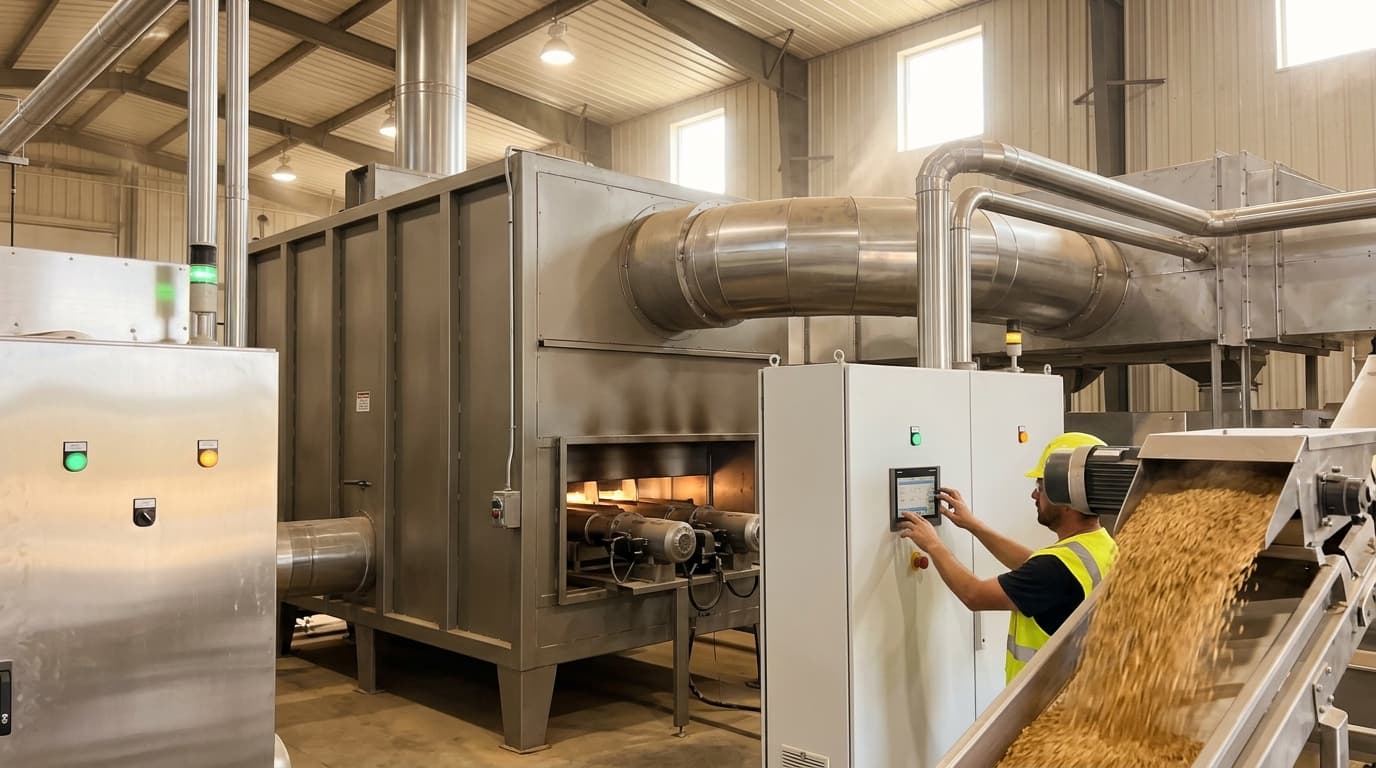
Direct and indirect-fired process heating systems for grain drying, baking, textile finishing, metal treatment, and industrial thermal processes.
The Challenges of Traditional Burner Systems
For decades, conventional burner systems in process heaters were designed primarily for heat output, often at the expense of efficiency and environmental impact. These older technologies typically result in higher emissions of nitrogen oxides (NOₓ) and carbon monoxide (CO), as well as significant energy losses through flue gases. The high flame temperatures associated with traditional burners are a primary cause of thermal NOₓ formation, a major air pollutant. Additionally, inefficient combustion can lead to increased fuel consumption and higher operational costs.
The Rise of Advanced Burner Technologies
The imperative to meet stricter environmental compliance and enhance economic performance has spurred the development of advanced burner technologies. These innovations focus on optimizing the combustion process to achieve cleaner, more efficient, and more controlled heat transfer. Modern fired heater designs now integrate low-NOₓ burners, flue gas recirculation, and are even exploring carbon capture to meet these demands.
Key Advanced Burner Technologies for Process Heaters
Several sophisticated burner technologies are at the forefront of this evolution, each employing unique mechanisms to achieve superior performance.
Low NOₓ (LNB) Burners
Low NOₓ (LNB) burners are engineered to significantly reduce nitrogen oxide emissions without compromising the efficiency or effectiveness of industrial equipment. They achieve this through various design principles:
- Staged Combustion: This involves introducing fuel and/or air in stages, which creates fuel-rich and fuel-lean zones. This method prevents the formation of hot adiabatic flame zones, thereby reducing the reaction time and limiting the peak flame temperature, which is crucial for suppressing NOₓ formation.
- Advanced Air/Fuel Premixing: LNBs use advanced techniques to premix air and fuel, ensuring a more homogeneous mixture and complete combustion while avoiding localized hot spots.
- Internal Flue Gas Recirculation (FGR): Some LNB designs incorporate internal recirculation flows, created through venture effects, to dilute the combustion gases and reduce peak flame temperatures. FGR can reduce NOₓ emissions by 50-75% in some cases.
Benefits of LNBs:
- Reduced NOₓ Emissions: LNBs typically achieve nitrogen oxide emissions below 30 parts per million (ppm), with reductions on the order of 30-60 percent compared to conventional burners.
- High Efficiency: Optimized combustion processes lead to reduced fuel consumption and operational costs.
- Versatile Application: They are suitable for various fuel types, including natural gas and light oil, and can be applied to a wide range of industrial heating needs, including boilers, process furnaces, and fired heaters.
- Easy Retrofit: Many LNBs are designed for easy installation and maintenance, making them ideal for retrofitting existing systems.
Ultra-Low NOₓ (ULNB) Burners
For applications requiring even stricter emission controls, Ultra-Low NOₓ (ULNB) burners push the boundaries further. These burners are designed to meet highly stringent NOₓ emission levels, often below 30 ppm, and in some cases, even single-digit ppm levels.
Key technologies in ULNBs include:
- Surface-Stabilized Combustion: Technologies like ceramic-fiber burners or fiber mesh surface combustion premix fuel and air to precise levels, ensuring complete combustion at minimized, uniform temperatures, which significantly suppresses thermal NOₓ formation. This approach allows for stable combustion even at lean conditions required for ultra-low NOₓ.
- Fuel Staging and Decentralized Combustion: ULNBs utilize advanced fuel staging and decentralized combustion to minimize “hot spots” where NOₓ formation is critical, achieving NOₓ emission levels below 30 ppm, representing a 60% to 70% reduction.
- Advanced Premixing and Flue Gas Recirculation: Similar to LNBs, ULNBs often incorporate highly advanced forms of premixing and internal FGR to achieve their ultra-low emission targets.
Benefits of ULNBs:
- Exceptional NOₓ Reduction: ULNBs are crucial for industries operating in regions with the most stringent environmental regulations, capable of achieving emissions as low as 5 ppm (at 3% O2 dry).
- Stable and Uniform Heating: Surface-stabilized combustion provides uniform heating and predictable flame lengths, even at very low NOₓ levels.
- Fuel Flexibility: Some ULNBs can operate effectively on low BTU content fuels like biogas or digester gas.
Regenerative Burners
Regenerative burner systems represent a significant leap in waste heat recovery and fuel efficiency, particularly in high-temperature industrial furnaces. These systems typically operate in pairs, integrated with heat storage tanks containing ceramic regenerative media.
How they work:
- While one burner is firing, the hot exhaust gases pass through and heat the ceramic media in the heat storage tank of the other burner, recovering its energy.
- After a short interval (tens of seconds), the burners switch roles. The preheated combustion air then passes through the hot ceramic media, recovering heat before mixing with the fuel.
Benefits of Regenerative Burners:
- Superior Heat Recovery and Fuel Savings: Regenerative burners can recover between 85-90% of the heat from furnace waste gases, preheating combustion air to very high temperatures (up to 100-150°C below the furnace operating temperature). This can lead to significant fuel consumption reductions, often up to 50-60%.
- Reduced CO₂ Emissions: High fuel efficiency directly translates to a substantial reduction in CO₂ emissions.
- Improved Temperature Uniformity: The use of high-temperature preheated air combustion and alternating combustion creates a luminous flame effect and furnace air agitation, leading to a more uniform furnace temperature distribution and improved product quality.
- NOₓ Reduction: Modern regenerative burners are often designed to be low NOₓ emission types, further reducing total NOₓ emissions in conjunction with reduced exhaust gas volumes due to energy savings.
Oxygen-Enhanced Combustion (OEC)
Oxygen-Enhanced Combustion (OEC), also known as oxy-fuel combustion or oxygen enrichment, involves increasing the oxygen concentration in the combustion air. This can range from enriching ambient air with oxygen to using nearly 100% oxygen. The fundamental principle is that by reducing the inert nitrogen typically found in combustion air, more oxygen is available for the reaction, leading to a more intense and efficient flame.
Methods of OEC application include:
- Air Enrichment: Adding oxygen to the combustion air stream via a sparger.
- Oxygen Lancing: Inserting oxygen lances directly into the heater box to replace a portion of combustion air.
- Oxy-Fuel Burners: Fully replacing air-containing nitrogen with pure oxygen burners.
Benefits of OEC:
- Increased Efficiency and Fuel Savings: By removing inert nitrogen, the volume of flue gas is reduced, leading to lower heat losses and increased heat transfer efficiency. This can decrease fuel consumption by as much as 30%, with potential savings of 25-60%.
- Reduced Emissions: OEC can significantly lower NOₓ levels (by up to 50%) due to lower flame temperatures when diluted, and also reduce CO₂ emissions directly through reduced fuel consumption.
- Improved Heat Transfer and Productivity: Higher oxygen concentration allows for more stable combustion, increased flame temperature, and enhanced radiant heat transfer, leading to improved temperature stability and increased processing rates. This can de-bottleneck heaters and increase throughput.
- Lower Capital Costs: Oxygen enrichment can be implemented with minimal capital outlay, often without shutting down the heater, making it a flexible and cost-effective solution for increasing capacity.
- Flexibility and Reliability: Oxygen enrichment provides the flexibility to match process requirements by changing operating rates based on plant loading.
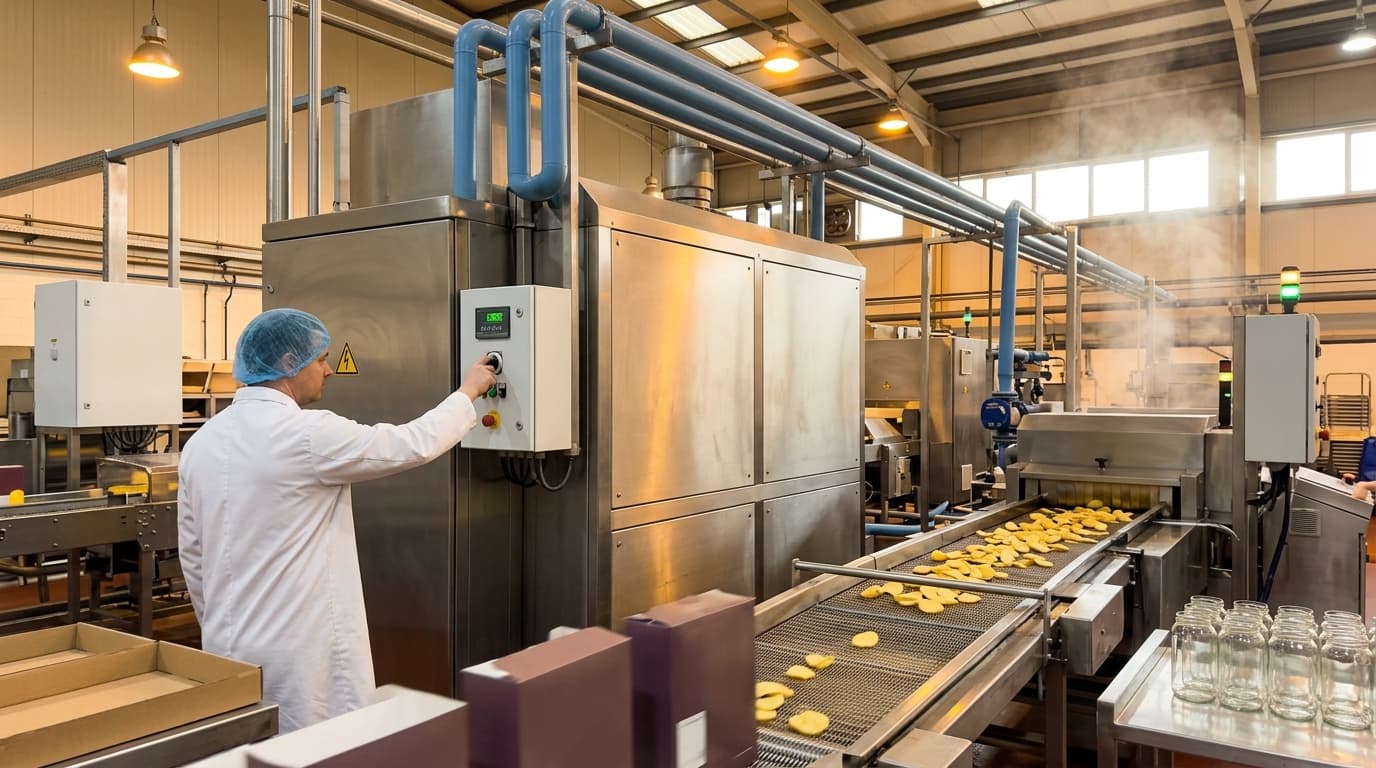
Reliable process heat generation from 100kW to 10MW+ — gas, oil, or biomass-fired, with precise temperature control and high turndown ratios.
Beyond Emissions: Broadening the Benefits of Advanced Burners
The advantages of advanced burner technologies extend beyond mere emissions compliance:
- Improved Heat Transfer: Advanced designs ensure uniform flame distribution and optimized flame geometry, creating consistent processing temperatures and preventing damaging hot spots, which improves overall heat transfer effectiveness.
- Enhanced Control and Monitoring: Modern burners are often integrated with smart controls and remote monitoring systems. These allow for precise adjustment of fuel-air ratios, proactive maintenance, and real-time tracking of efficiency, leading to safer and more reliable operation.
- Increased Reliability and Longevity: Constructed with durable, high-temperature alloys and ceramics, advanced burners offer longer operational lifespans and minimize disruptions.
- Fuel Flexibility: Many advanced burners are designed to operate with a wide range of gaseous and liquid fuels, including natural gas, refinery gas, propane, light oil, heavy oil, and even hydrogen blends, offering adaptability to changing fuel availability and cost structures.
- Digitalization and Smart Monitoring: Industry 4.0 has transformed fired heater operation with IoT sensors, predictive analytics, and AI-driven monitoring systems. This enables real-time tracking of burner efficiency, heat transfer rates, and potential equipment failure points, reducing downtime and enhancing safety.
Factors in Selecting Advanced Burner Technologies
Choosing the right advanced burner technology requires careful consideration of several factors:
- Process Requirements: Operating temperature, required heat flux distribution, and process fluid characteristics are crucial.
- Fuel Type: The type and variability of available fuels (gas, oil, dual-fuel, hydrogen blends) significantly influence burner selection.
- Emissions Regulations: Local, federal, and international environmental standards dictate the required NOₓ and other pollutant reduction levels.
- Space Limitations: The physical constraints of existing heater fireboxes can impact the feasibility of certain burner designs or retrofit projects.
- Economic Considerations: Initial capital investment, ongoing operational costs, and potential fuel savings must be weighed against the benefits.
The Future of Process Heater Burners
The trajectory for advanced burner technologies points towards continuous innovation. Future developments will likely focus on integrating even smarter controls, further enhancing fuel flexibility (especially for low-carbon fuels like hydrogen), and pushing emission reduction limits even lower. The goal remains to achieve a delicate balance between maximum energy efficiency, minimal environmental impact, and robust, reliable industrial heating processes, ensuring that these critical components continue to meet the evolving demands of a sustainable industrial landscape.
