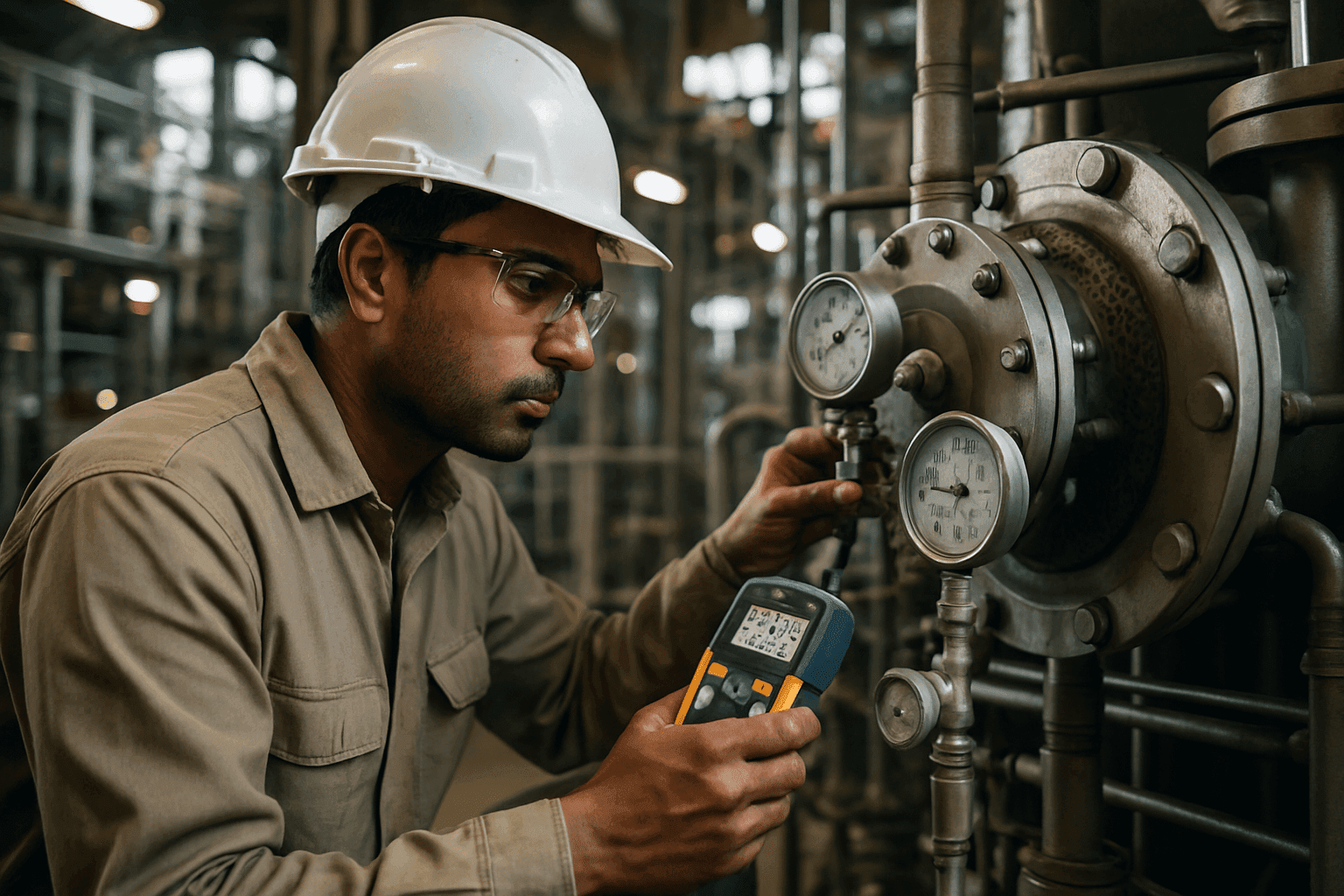
Performance Analysis of Process Heater Burners: A Deep Dive into Efficiency and Optimization
In the chemical processing, oil and gas, and industrial heating sectors, process heaters are the workhorses, providing the indispensable thermal energy for a myriad of critical operations. At the heart of these heaters lie their burners, whose performance directly dictates overall system efficiency, operational costs, environmental impact, and safety. A comprehensive performance analysis of process heater burners is not merely a maintenance task; it is a strategic imperative for maximizing heat delivery, minimizing fuel consumption, and ensuring regulatory compliance in an increasingly stringent industrial landscape.
This article delves into the critical aspects of analyzing, optimizing, and maintaining process heater burner performance, drawing on insights from thermal and combustion engineering to enhance both productivity and sustainability.
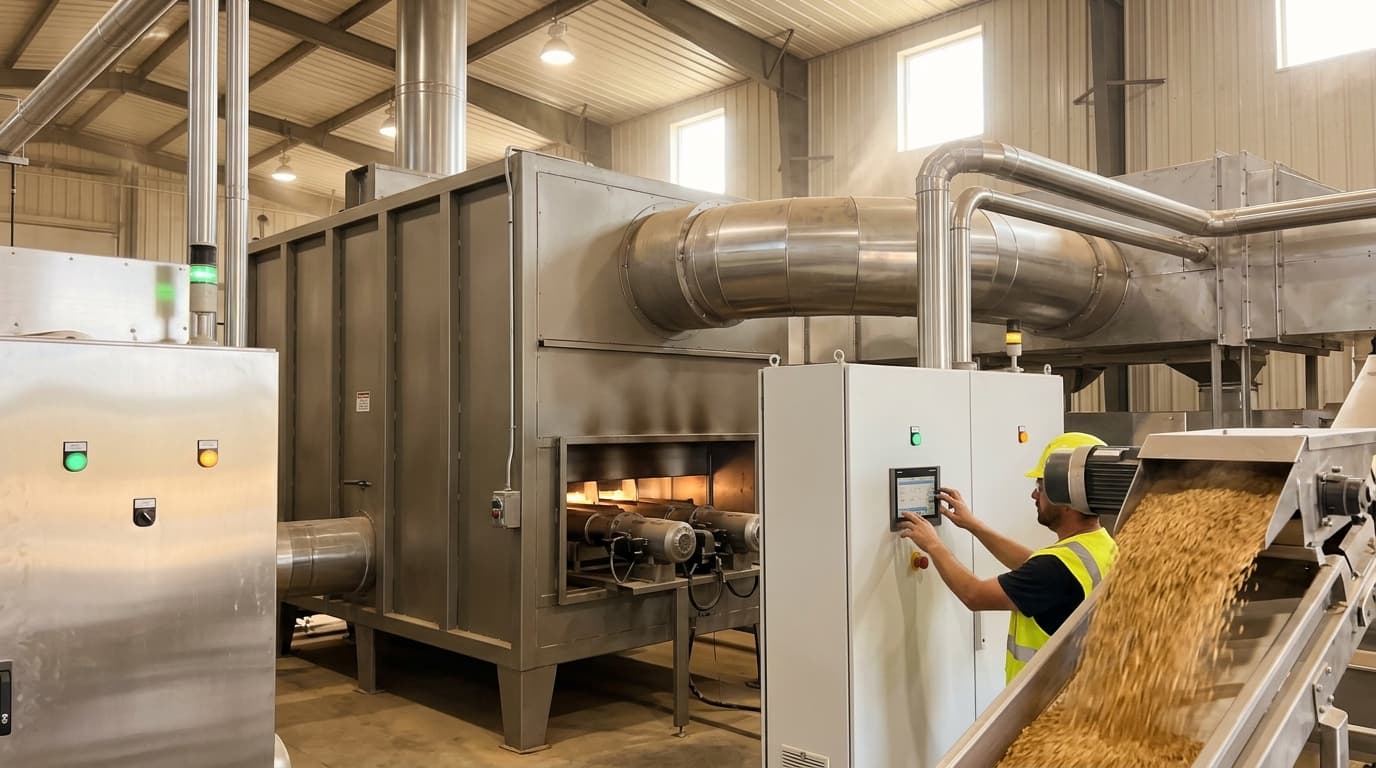
Direct and indirect-fired process heating systems for grain drying, baking, textile finishing, metal treatment, and industrial thermal processes.
Why Process Heater Burner Performance Matters
The performance of process heater burners is intrinsically linked to several key operational outcomes:
- Energy Efficiency: Optimizing burner performance directly translates to reduced fuel consumption, which is often the largest operating cost in fired heaters. Even minor inefficiencies can lead to significant financial losses—a 1-2% inefficiency can cost an additional $1 million in fuel over a year.
- Reduced Emissions: Efficient combustion with optimized air-to-fuel ratios minimizes the production of harmful pollutants like nitrogen oxides (NOₓ) and carbon monoxide (CO). Fired heaters contribute significantly to CO₂ emissions, accounting for an estimated 400 to 500 million tons annually, with combustion making up nearly 80% of average refinery CO₂ emissions.
- Operational Safety: Stable and complete combustion prevents unsafe conditions, such as flame impingement, tube overheating, or furnace explosions, ensuring the integrity of the heater and safety of personnel.
- Asset Lifespan & Reliability: Proper burner operation and heat distribution prevent localized overheating and fouling, extending the lifespan of process tubes and refractory materials.
- Product Quality and Throughput: Consistent and uniform heat transfer, achieved through optimized burner performance, is crucial for maintaining stable process temperatures and product quality, especially in critical operations like reforming and cracking.
Key Metrics for Performance Analysis
Evaluating process heater burner performance requires monitoring several key indicators:
1. Combustion Efficiency
Combustion efficiency quantifies how effectively the fuel is burned. It is primarily determined by the air-to-fuel ratio and the quality of air-fuel mixing.
- Oxygen (O2) in Flue Gas: This is a crucial indicator. Too much excess air reduces flame temperature and efficiency, as the additional nitrogen and oxygen absorb heat that exits the stack. Too little air leads to incomplete combustion, forming CO and unburned hydrocarbons, which also reduces efficiency and can cause soot buildup. An optimal range is typically 2-3% excess O2 (dry basis) in the flue gas.
- Carbon Monoxide (CO) and Unburned Hydrocarbons (UHC): The presence of CO and UHC in flue gas indicates incomplete combustion, signifying a rich fuel-air mixture or poor mixing. Levels of CO in the 100-200 ppm range, along with H2, often indicate good combustion.
- Combustibles (CO and H2): Measuring both oxygen and combustibles helps to determine the precise optimal operating point for a heater, as reducing oxygen while monitoring combustibles allows for safely decreasing the oxygen level until combustibles begin to rise.
2. Thermal Efficiency
Thermal efficiency measures the ratio of useful heat absorbed by the process fluid to the total heat released by the fuel.
- Flue Gas Temperature: High flue gas temperature indicates that a significant amount of heat is being lost up the stack rather than being transferred to the process. For every 40°F reduction in flue gas temperature, boiler efficiency can increase by 1%.
- Heat Distribution: Uniform heat distribution across the radiant and convection sections is vital. Overheating of outlet coils or uneven temperature profiles can lead to reduced efficiency and damage.
- Input-Output Method: This direct method calculates efficiency by dividing the boiler output (heat absorbed by the process) by the boiler input (heat from fuel), multiplied by 100.
3. Emissions
Monitoring emissions is crucial for environmental compliance and operational optimization.
- Nitrogen Oxides (NOₓ): Formed at high flame temperatures, NOₓ emissions are reduced by controlling excess air and flame temperature. Low NOₓ burners are designed to stage combustion to limit NOₓ formation.
- Particulate Matter (PM): Incomplete combustion of liquid fuels can lead to particulate matter.
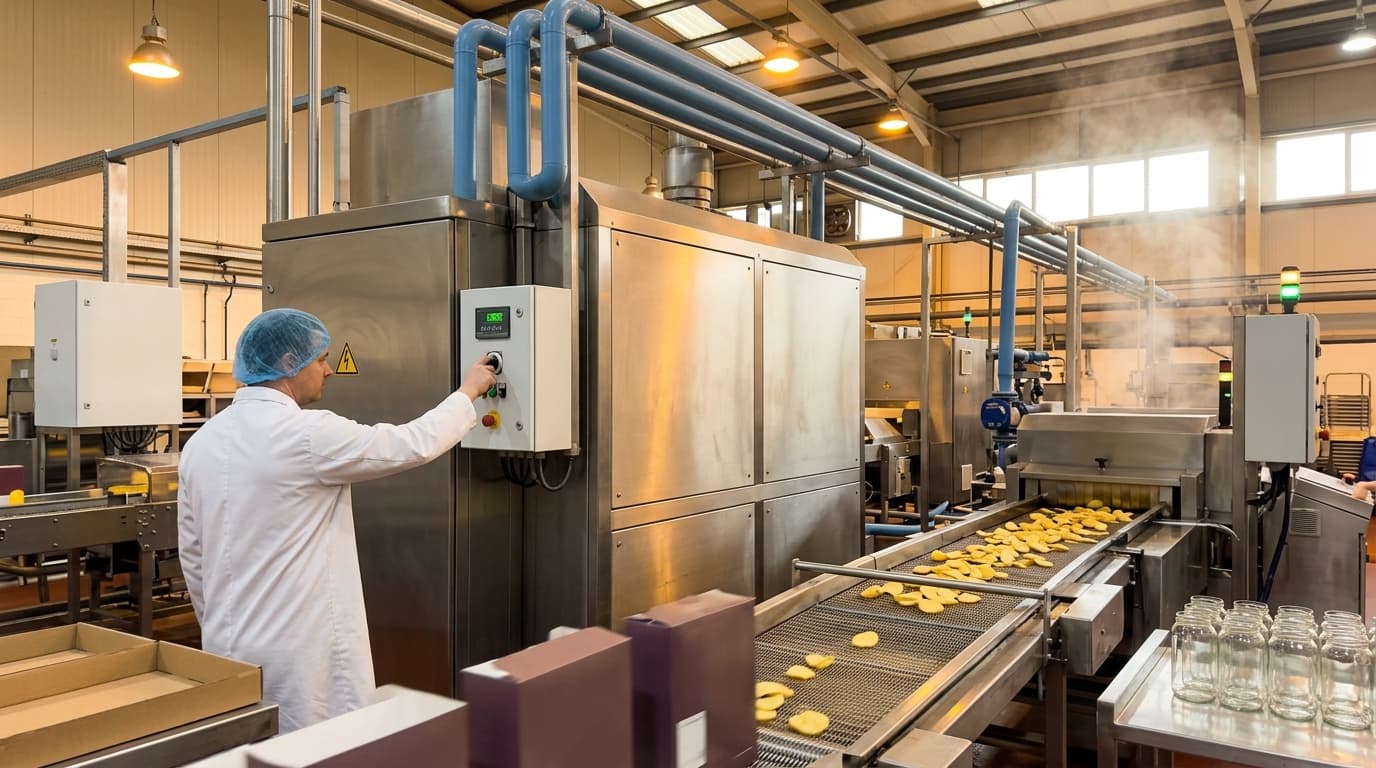
Reliable process heat generation from 100kW to 10MW+ — gas, oil, or biomass-fired, with precise temperature control and high turndown ratios.
Factors Affecting Burner Performance
Numerous variables influence the performance of process heater burners:
1. Fuel Type and Composition
The type of fuel (natural gas, refinery gas, oil, or dual fuels) significantly impacts burner design and performance.
- Varying Fuel Calorific Value: Refineries often use mixtures of natural gas and refinery gas, whose composition and calorific value can fluctuate significantly, affecting the optimal air-to-fuel ratio and heat release.
- Hydrogen Content: Increasing hydrogen in fuel gas can affect flame speed, heat transfer, and NOₓ emissions, requiring careful consideration.
2. Air-to-Fuel Ratio Control
Maintaining the correct air-to-fuel ratio is paramount for complete combustion and efficiency.
- Excess Air: Both too much and too little excess air negatively impact efficiency and emissions.
- Draft: Proper draft control (negative pressure at the convection section inlet) is essential for safe and efficient operation. Excessive draft or insufficient draft can cause severe problems.
- Air Supply: Natural draft burners rely on natural suction, while forced draft burners use fans to supply combustion air.
3. Burner Design and Operation
The physical design and operational parameters of the burner play a critical role.
- Flame Shape and Stability: A correctly set burner produces a stable, compact, conical flame with good air-fuel mixing. Flame geometry should match the process chamber.
- Low NOₓ Burners: These burners stage combustion to reduce oxygen availability, temperature, or residence time to limit NOₓ formation.
- Burner Controls: Advanced control systems (e.g., direct digital linkageless type) offer precise control over firing rates, crucial for efficiency and emissions reduction.
- Oversized Burners: Can reduce process thermal efficiency.
4. Heater Conditions
The overall fired heater environment impacts burner performance.
- Load (Duty): The optimum O2 setpoint varies with the heater's load.
- Temperature and Pressure: High temperatures in the radiant zone and varying downstream pressures affect operations.
- Fouling and Tube Condition: Internal tube fouling can reduce heat transfer efficiency, requiring increased firing rates and leading to higher CO₂ and NOₓ emissions.
5. Ambient Conditions
External environmental factors can also influence efficiency.
- Ambient Air Temperature, Pressure, and Humidity: These can significantly impact process heater efficiency if not properly accounted for in burner adjustments.
Strategies for Optimization and Analysis
Optimizing process heater burner performance involves a combination of monitoring, control, and maintenance strategies:
1. Advanced Measurement and Control Systems
- Flue Gas Analysis: Continuous monitoring of O2, CO, and UHC in flue gas using advanced analyzers (e.g., Tunable Diode Laser Spectroscopy – TDLS, zirconium oxide probes, or oxygen and combustibles analyzers) is critical for combustion control.
- Fuel Composition Monitoring: Real-time analysis of fuel gas composition, especially for refinery gases with fluctuating calorific values, enables precise air-to-fuel ratio adjustments.
- Automated Control Systems: Implementing advanced combustion controls with cross-limited CO/O2 feedback ensures optimal air-to-fuel ratios, balancing efficiency and safety.
2. Burner Maintenance and Tuning
- Regular Inspections: Internal burner components (gas nozzles, mixing plates) should be checked for dirt, debris, wear, oxidation, or warping.
- Tuning: Burners should be regularly tuned to optimize the air/gas ratio, using flue gas temperature, oxygen concentration, and CO/NOₓ emissions measurements.
3. Heat Recovery and Design Enhancements
- Economizers and Air Preheat Systems: These technologies capture waste heat from flue gases to preheat process fluids or combustion air, significantly increasing thermal efficiency and reducing fuel consumption and emissions.
- Low-NOₓ Burner Upgrades: Replacing conventional burners with low-NOₓ or ultra-low-NOₓ burners can drastically reduce emissions. However, these may require special attention due to increased flame dimensions and space limitations.
- Optimized Heater Design: Selecting burners with flame geometry that matches the furnace chamber and ensuring appropriate boiler surface area to capacity ratio are important.
4. Operational Best Practices
- Minimizing Excess Air: Reducing excess air to the minimum safe level is the most impactful step in reducing energy consumption and NOₓ.
- Draft Control: Maintaining a very small negative pressure at the convection section inlet is crucial for optimum operation.
- Process Monitoring: Continuous monitoring of critical operating parameters, such as tube metal temperature, can help prevent localized overheating and detect fouling.
Conclusion
Performance analysis of process heater burners is a multifaceted discipline requiring a holistic approach that integrates advanced instrumentation, rigorous process control, and proactive maintenance. By focusing on key metrics like combustion and thermal efficiency, alongside emissions control, industries can unlock substantial savings in fuel costs, reduce their environmental footprint, and enhance the safety and reliability of their operations. The continuous evolution of burner technology and control systems provides powerful tools for achieving these objectives, making optimized burner performance an ongoing journey towards operational excellence in industrial heating.
