Bacteria Power: Tiny Organisms, Big Green Energy Potential
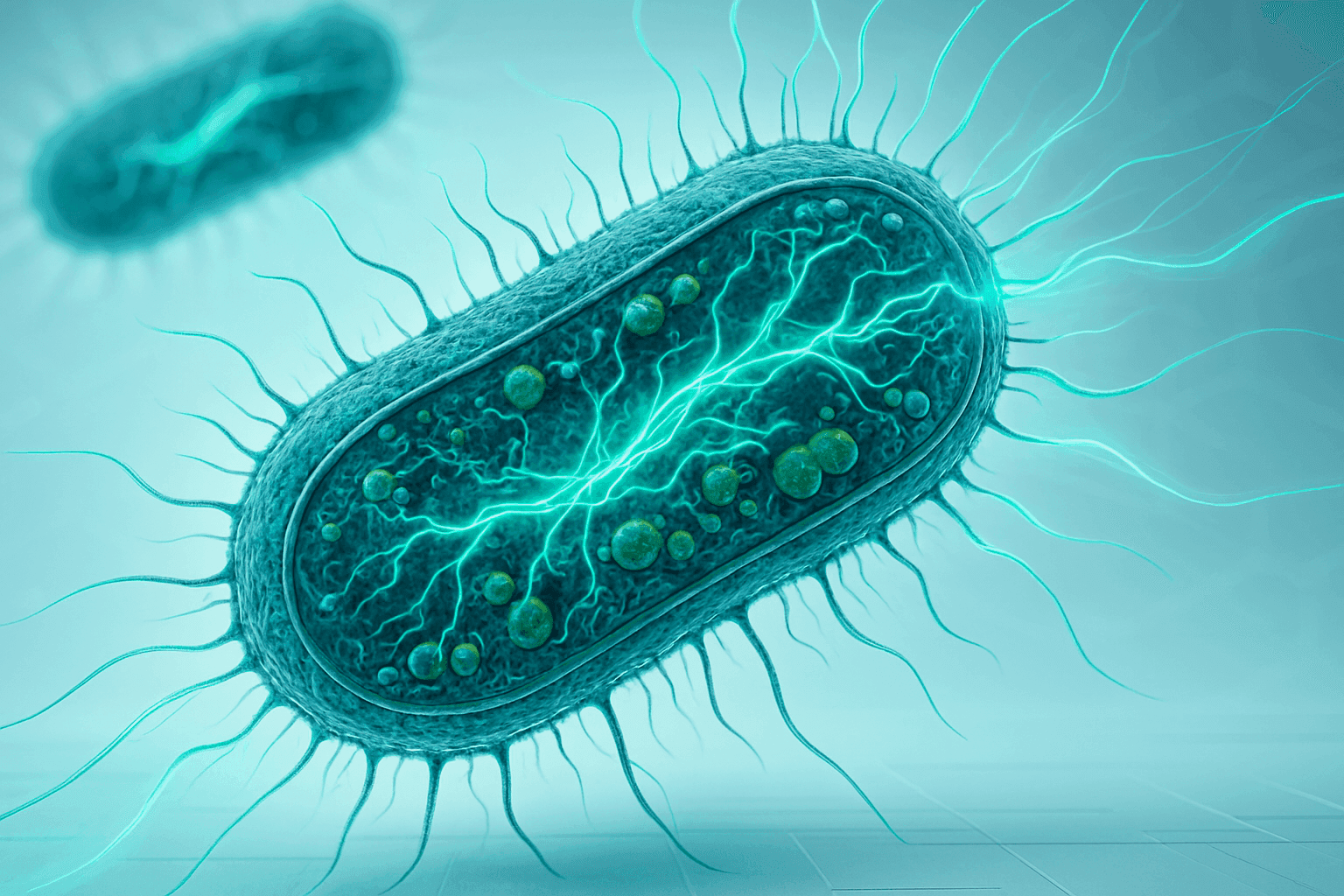
Electricity-spitting bacteria might sound like science fiction, but these microorganisms are poised to revolutionize green energy in the US and beyond. Harnessing the natural ability of certain bacteria to generate electricity could pave the way for sustainable solutions in various sectors, from wastewater treatment to powering remote devices.
The Rise of Electricity-Generating Bacteria
What are Electricity-Producing Bacteria?
Certain bacteria, known as exoelectrogens, possess the remarkable ability to transfer electrons outside their cell walls. This process, called extracellular respiration, allows them to generate electricity as a byproduct of their metabolism. Unlike humans and other organisms that rely on oxygen for respiration, these bacteria have evolved unique ways to “breathe” in oxygen-deprived environments, often by discharging electrons into their surroundings.
These microbes can be found in diverse environments, including deep mines, lake bottoms, and even the human gut. Their ability to thrive in extreme conditions makes them particularly interesting for biotechnological applications.
How do Bacteria “Spit” Electricity?
The process of electricity generation in bacteria involves a complex interplay of biochemical reactions. Here's a simplified overview:
- Metabolism: Bacteria consume organic matter, breaking it down into simpler compounds.
- Electron Release: During metabolism, electrons are released.
- Electron Transfer: Exoelectrogens have specialized mechanisms to transfer these electrons across their cell membranes to external electron acceptors, such as electrodes or conductive materials.
- Electricity Generation: The flow of electrons creates an electric current that can be harnessed to power devices or drive other electrochemical processes.
Key Players: Popular Types of Electricity-Producing Bacteria
Several types of bacteria have gained prominence for their electricity-generating capabilities:
- Geobacter: Often found in soils and aquatic sediments, Geobacter is known for its efficiency in producing electricity in anaerobic conditions. It uses electrically conductive appendages called bacterial nanowires to facilitate electron transfer.
- Shewanella: Another widely studied species, Shewanella, is capable of generating electricity and has been used in various microbial fuel cell applications.
- Escherichia coli (E. coli): While some strains of E. coli can be harmful, researchers have engineered E. coli to produce electricity from various sources, including wastewater.
- Cyanobacteria: Also known as blue-green algae, cyanobacteria harness solar energy through photosynthesis and can be engineered to produce more electricity when combined with nanomaterials.
Applications: Fueling a Greener Future
Microbial Fuel Cells (MFCs): Power from Waste
One of the most promising applications of electricity-generating bacteria is in microbial fuel cells (MFCs). MFCs are devices that use bacteria as catalysts to convert chemical energy into electrical energy. They can utilize a wide range of organic and inorganic compounds as fuel, including wastewater, sewage, and other waste materials.
MFCs offer several advantages over traditional fuel cells and batteries:
- Waste Treatment: MFCs can simultaneously treat wastewater and generate electricity, offering a sustainable solution for waste management.
- Renewable Energy: By utilizing waste as fuel, MFCs provide a renewable energy source.
- Efficiency: MFCs have the potential for higher energy efficiency compared to conventional fuel cells.
- Low Pollution: MFCs produce little pollution, making them an environmentally friendly option.
Bioelectronic Sensors: Detecting the Unseen
Electricity-generating bacteria can also be used to create bioelectronic sensors for various applications:
- Environmental Monitoring: These sensors can detect pollutants and toxins in rivers, wastewater treatment plants, and other environments.
- Medical Diagnostics: Bacteria-powered batteries can provide on-demand power for disposable medical devices, such as pregnancy tests, HIV tests, and glucose sensors, particularly in resource-limited settings.
- Deep-Space Exploration: Bioelectronic sensors can operate in oxygen-deprived environments, making them suitable for pollution monitoring and medical diagnostics in space.
Other Innovative Applications
Researchers are continuously exploring new ways to harness the power of electricity-generating bacteria:
- Methane Conversion: Bacteria can convert methane, a potent greenhouse gas, into electricity, offering a way to reduce emissions and generate energy.
- Carbon Dioxide Fixation: Electricity-exhaling bacteria can help fix carbon dioxide using renewable electricity, mimicking photosynthesis in plants.
- Living Photovoltaics: Engineered bacteria can be combined with nanomaterials to create “living photovoltaics” that harvest solar energy and produce clean electricity.
- Paper-Based Batteries: Freeze-dried exoelectrogenic cells can be used to create paper-based batteries that are activated by saliva or other organic matter, offering a disposable and portable power source.
Challenges and Future Directions
While the potential of electricity-generating bacteria is immense, several challenges need to be addressed to realize their widespread application:
- Efficiency Improvement: Enhancing the power density and efficiency of MFCs and other devices is crucial for practical applications.
- Scalability: Scaling up the production of bacteria and MFCs to meet energy demands remains a challenge.
- Cost Reduction: Lowering the cost of materials and manufacturing processes is essential for making bacteria-based technologies competitive with traditional energy sources.
- Optimization of Interfaces: Optimizing the interface between bacteria and electrodes in MFCs is key to maximizing performance.
- Understanding Mechanisms: Further research is needed to fully understand the mechanisms of extracellular respiration and electron transfer in different bacteria species.
Despite these challenges, the field of electricity-generating bacteria is rapidly advancing, with ongoing research and development efforts focused on overcoming these hurdles. As technology improves and costs decrease, electricity-spitting bacteria are poised to play an increasingly significant role in the US green energy revolution, offering sustainable solutions for a cleaner and more energy-efficient future.
