China’s Lithium Surge: Reshaping the Global EV Landscape
China has made significant strides in bolstering its domestic lithium reserves, with recent discoveries poised to profoundly impact the global electric vehicle (EV) market and associated supply chains. These finds, particularly a massive deposit of 490 million tonnes of lithium ore in Central Hunan province and a 2,800-kilometer lithium-rich belt in western regions, have dramatically reshaped China's position in the global lithium landscape. Once holding a modest 6% of global lithium resources, China's share has now surged to an impressive 16.5%, elevating it to the second-largest holder of this critical battery metal, trailing only Chile.
The Scale of Recent Discoveries
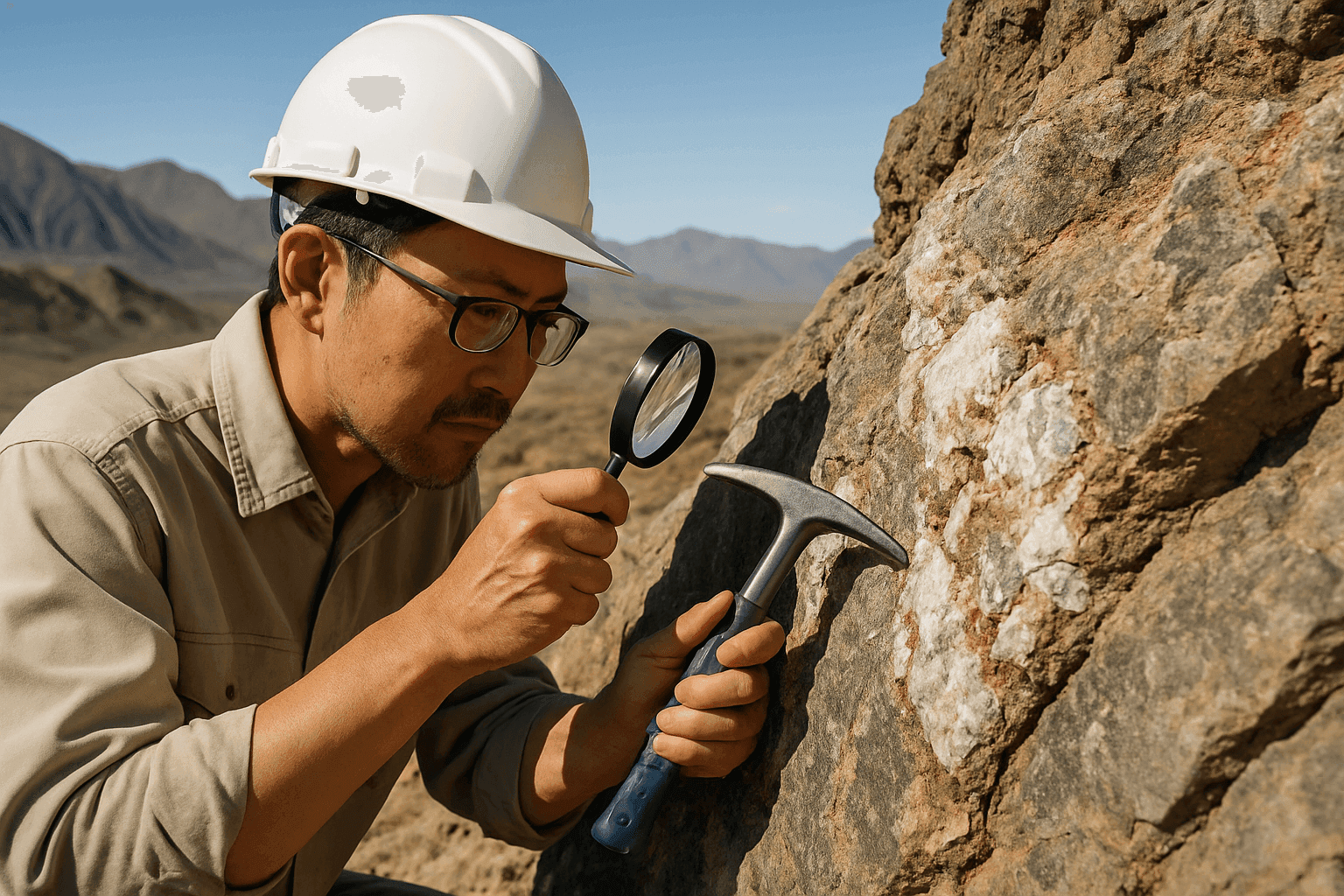
The headline figure of “540 million tons” appears to be an aggregation or projection from various significant discoveries across China. Specifically, a discovery in the Jijiaoshan mining area in Linwu County, Chenzhou City, Hunan Province, has yielded an estimated 490 million tons of lithium ore resources, containing approximately 1.31 million tonnes of lithium oxide (Li₂O). This “super-large altered granite-type lithium deposit” is considered one of China's most significant mineral discoveries in recent years and also contains other valuable minerals such as rubidium, tungsten, and tin, enhancing its strategic and economic value.
Beyond Hunan, nationwide exploration efforts since 2021 have uncovered over 30 million metric tons of lithium ore across regions including Sichuan, Qinghai, Jiangxi, and the Xinjiang Uygur and Inner Mongolia autonomous regions. Key discoveries include approximately 10 million tons of lepidolite lithium in Hunan, Jiangxi, and Inner Mongolia, about 10 million tons of brine lithium in Qinghai, and an additional 10 million tons of spodumene lithium in Xinjiang.
Furthermore, a “world-class” spodumene-type lithium belt stretching 2,800 kilometers across western China, specifically the West Kunlun-Songpan-Ganzi region, has been identified. This belt alone has cumulative proven reserves exceeding 6.5 million tons, with a resource potential that could surpass 30 million tons. Significant growth has also been reported in lithium resources found in the Tibetan Plateau's salt lakes, positioning China as the world's third-largest salt lake lithium resource base.
Technological Advancements in Extraction
The surge in China's lithium reserves is not solely due to new geological finds but also to groundbreaking advancements in extraction technology. China has developed more cost-effective and environmentally friendly methods for extracting lithium from salt lake brines. Crucially, technological hurdles for extracting lithium from lepidolite and mica, previously considered challenging minerals with high extraction costs and complex processing requirements, have been resolved. These innovations have significantly improved the efficiency and economic viability of utilizing these resources, adding an additional 10 million tons of proven resources from mica. The presence of domestic lithium may further accelerate specialized extraction and processing technologies optimized for specific deposit characteristics.
Impact on China's Lithium Self-Sufficiency and EV Industry
As the world's largest producer and consumer of lithium-ion batteries and the leading EV market, China has historically relied heavily on imported lithium, primarily from Australian hard rock mines and South American brine operations. These massive new discoveries represent a substantial opportunity for China to reduce its import dependency for this critical battery material.
Strengthening domestic lithium supply chain resilience is a key strategic objective for Beijing, aiming to boost self-sufficiency and capacity for new energy vehicle (NEV) production. The strategic location of the Hunan discovery, for instance, is relatively close to manufacturing hubs in eastern China, offering natural logistical advantages that could reduce transportation costs and carbon emissions associated with imports. Shortened supply chains could also alleviate cost pressures on Chinese battery and EV manufacturers, who have faced profitability squeezes despite revenue growth in the automotive sector.
This enhanced domestic supply, combined with China's existing dominance in battery manufacturing (home to top lithium battery manufacturers like CATL, BYD, Gotion, EVE Energy, and A123), further solidifies its complete industrial chain, from resource extraction to battery production. This integration makes China a formidable force in the global green energy transition.
Global Market Implications
The expansion of China's lithium reserves is expected to have significant implications for the global lithium market. Analysts anticipate that these discoveries could help stabilize lithium prices and alleviate supply shortages worldwide. By reducing its dependence on imports, China can potentially lower production costs for batteries and EVs, maintaining its competitive edge.
While immediate market reactions might be limited as development and extraction will take time, the long-term impact on global lithium pricing dynamics, particularly in Asian markets, could be substantial. The addition of such vast resources may also intensify competition among nations vying for this crucial resource and accelerate the ongoing shift in global battery metals investment patterns.
For current major lithium exporters to China, such as Australia and Chile, the development of these new Chinese resources may gradually reshape trading relationships. However, the projected continued growth in global demand for electric vehicles suggests that multiple supply sources will remain necessary to meet future needs. China's strategic advantage, stemming from these reserves, could also lead to increased geopolitical influence in the global energy market and accelerate technological advancements in battery technology.
Future Outlook
China's monumental lithium discoveries mark a transformative period for global lithium resources and underscore the country's commitment to technological innovation in resource extraction. As the demand for electric vehicles and renewable energy storage continues its upward trajectory, China's enhanced capacity to supply lithium internally positions it as an even more critical player in meeting global needs. These strategic investments in resource development and technology signal a long-term vision for dominance in the battery materials market, further driving the global transition to sustainable energy.
