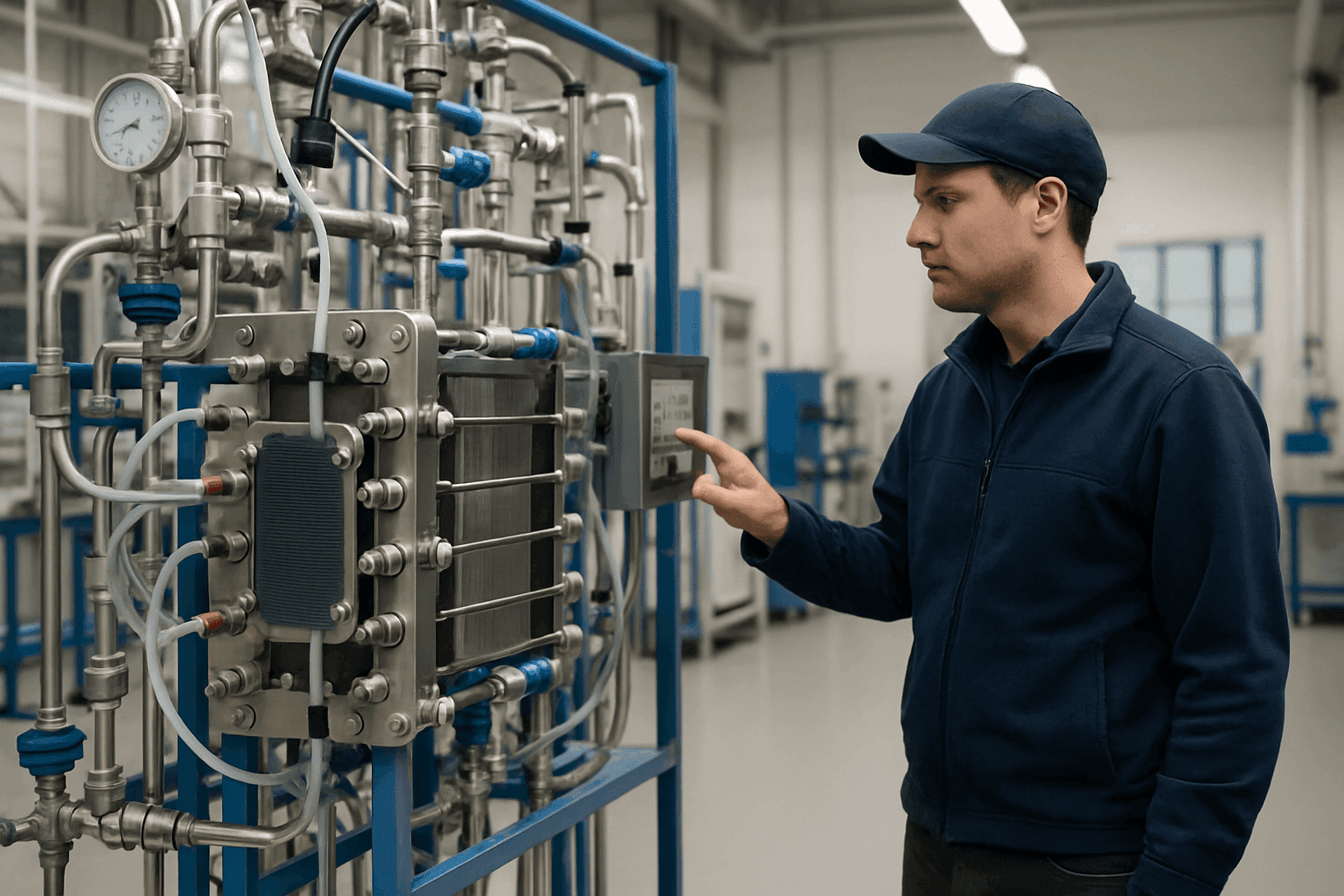
Green Hydrogen Breakthrough: Paving the Way for Low-Cost Production
The pursuit of sustainable energy solutions has led to significant interest in green hydrogen, produced using renewable energy sources. Recent breakthroughs promise to dramatically reduce the cost of green hydrogen production, potentially revolutionizing the energy landscape and accelerating the transition to a cleaner future.
What is Green Hydrogen?
Green hydrogen is produced through the electrolysis of water, using electricity generated from renewable sources such as solar, wind, and hydropower. This process splits water into its components, hydrogen and oxygen, without emitting greenhouse gases. This contrasts with other hydrogen production methods, such as grey hydrogen (produced from natural gas without carbon capture) and blue hydrogen (produced from natural gas with carbon capture), both of which have a significant carbon footprint.
The Imperative for Low-Cost Green Hydrogen
While green hydrogen offers a clean energy alternative, its widespread adoption has been hindered by high production costs. Traditional methods of green hydrogen production often require expensive materials and energy-intensive processes, making it difficult to compete with fossil fuels. Overcoming these cost barriers is crucial for unlocking the full potential of green hydrogen as a key component of a sustainable energy system.
Overcoming the Challenges
Several factors contribute to the high cost of green hydrogen, including:
- Electrolysis Efficiency: Electrolysis, the process of splitting water into hydrogen and oxygen, requires efficient and cost-effective electrolyzers. Advancements in electrolyzer technologies are needed to improve efficiency, durability, and reduce capital costs.
- Renewable Energy Costs: The economic viability of green hydrogen depends heavily on the cost of renewable energy. Access to low-cost renewable energy sources is essential for reducing production costs.
- Infrastructure and Storage: Developing the necessary infrastructure for hydrogen storage, transportation, and distribution requires significant investment.
- Catalyst Costs: Some electrolysis processes rely on expensive catalysts made from rare earth metals, increasing production costs.
Recent Breakthroughs in Low-Cost Green Hydrogen Production
Recent research and development efforts have yielded promising breakthroughs that address these challenges and pave the way for low-cost green hydrogen production.
Novel Catalysts
Researchers have developed new catalysts using more abundant and less expensive materials. For example, a team at Hanyang University has created a boron-doped cobalt phosphide catalyst using metal-organic frameworks. This catalyst exhibits excellent electrocatalytic performance, high efficiency, and long-term stability, making it suitable for large-scale hydrogen production. Similarly, scientists at Argonne National Laboratory and the University of Chicago have developed a cobalt-based catalyst that replaces the expensive iridium catalyst in proton exchange membrane (PEM) electrolyzers.
Electrogenos, an innovative startup, has also unveiled a groundbreaking catalyst that demonstrates exceptional performance and durability. Their electrodes match competitors' current densities at less than 1.7V, representing an 89% voltage efficiency. Furthermore, the electrodes show less than 3% degradation under aggressive accelerated degradation tests, promising steady performance in dynamic operation.
Advanced Electrolyzer Technologies
Significant advancements in electrolyzer technology are driving down the cost of green hydrogen production. Hysata, an Australian company, has developed ultra-high efficiency electrolyser systems that enable the lowest cost green hydrogen production. Their capillary-fed electrolysis cell can produce green hydrogen from water at 98% cell energy efficiency, significantly better than existing electrolyser technologies. Hysata's electrolyzer is up to 20% more efficient than incumbent technologies, and its design simplifies manufacturing and scaling.
Electrogenos is also revolutionizing electrolyser stack technology with a simplified architecture and soft-tooling manufacturing process, projecting costs around 25% of current market alternatives. Their electrolyser stack factories unlock economies of scale at a 200MW output capacity, and decentralizing manufacturing gives ownership of the supply chain to local operators, promising energy security.
Seawater Electrolysis
Researchers at Cornell University have developed a low-cost method to produce green hydrogen via solar-powered electrolysis of seawater, with potable water as a byproduct. Their hybrid solar distillation-water electrolysis (HSD-WE) device achieves a solar-to-hydrogen conversion efficiency of 12.6% and produces green hydrogen at a rate of 35.9 liters per square meter per hour. The researchers estimate that within 15 years, the technology could reduce the cost of green hydrogen production to $1 per kilogram.
The ANEMEL project, funded by the European Innovation Council and led by the University of Galway, aims to develop efficient electrolyzers that utilize non-critical raw materials and can produce green hydrogen from low-quality water sources, such as seawater and wastewater. This approach reduces the cost of electrolyzer components, improves their recyclability, and provides a competitive advantage.
Integration with Renewable Energy
Integrating green hydrogen production with renewable energy sources is crucial for reducing costs and ensuring sustainability. A techno-economic assessment of green hydrogen production integrated with hybrid and organic Rankine cycle (ORC) systems suggests that a hybrid system combining solar photovoltaic (PV) with storage and onshore wind turbines yields a minimum cost of $3.01 per kg of green hydrogen.
Other Innovative Approaches
Beyond the aforementioned methods, researchers are also exploring other innovative approaches to green hydrogen production, including:
- Photoelectrochemical (PEC) water splitting: This method uses solar energy directly to drive electrolysis.
- Biological hydrogen production: This approach involves using microorganisms to produce hydrogen through fermentation or biophotolysis.
- High-temperature electrolysis (HTE): This method operates at high temperatures and can use heat from nuclear reactors or concentrated solar power to improve efficiency.
Implications for the Future of Energy
These breakthroughs in low-cost green hydrogen production have significant implications for the future of energy:
- Decarbonization of Hard-to-Abate Sectors: Green hydrogen can replace fossil fuels in sectors that are difficult to electrify, such as steel, cement, chemicals, and heavy transportation.
- Energy Storage: Green hydrogen can store excess renewable energy, making it an essential component of a resilient and reliable energy grid.
- Fuel Cell Vehicles: Hydrogen fuel cells offer a viable alternative to traditional internal combustion engines, particularly for heavy-duty vehicles.
- Economic Opportunities: The development of a green hydrogen economy can create new jobs and economic opportunities in manufacturing, research, and deployment.
Challenges and Opportunities
Despite the promising breakthroughs, several challenges remain in scaling up green hydrogen production:
- Infrastructure Development: Significant investment is needed to develop the infrastructure for hydrogen storage, transportation, and distribution.
- Policy and Regulatory Support: Government policies and incentives are crucial for creating a supportive environment for green hydrogen production and deployment.
- Supply Chain Bottlenecks: Ensuring a smooth supply chain for green hydrogen generation and distribution is essential for successful market penetration.
- Technology Readiness Levels (TRL): Advancing technologies from lower TRLs to higher levels is necessary to ensure that innovations move seamlessly from the laboratory to practical applications.
To fully realize the potential of low-cost green hydrogen, stakeholders must address these challenges through collaborative efforts, strategic investments, and supportive policies.
The Path Forward
The recent breakthroughs in low-cost green hydrogen production represent a significant step towards a sustainable energy future. By continuing to invest in research and development, fostering collaboration, and implementing supportive policies, we can unlock the full potential of green hydrogen and accelerate the transition to a cleaner, more sustainable energy system.
With ongoing innovation and strategic actions, green hydrogen has the potential to become an economically viable component of the global energy transition, driving deep decarbonization and creating a more sustainable world for future generations.
