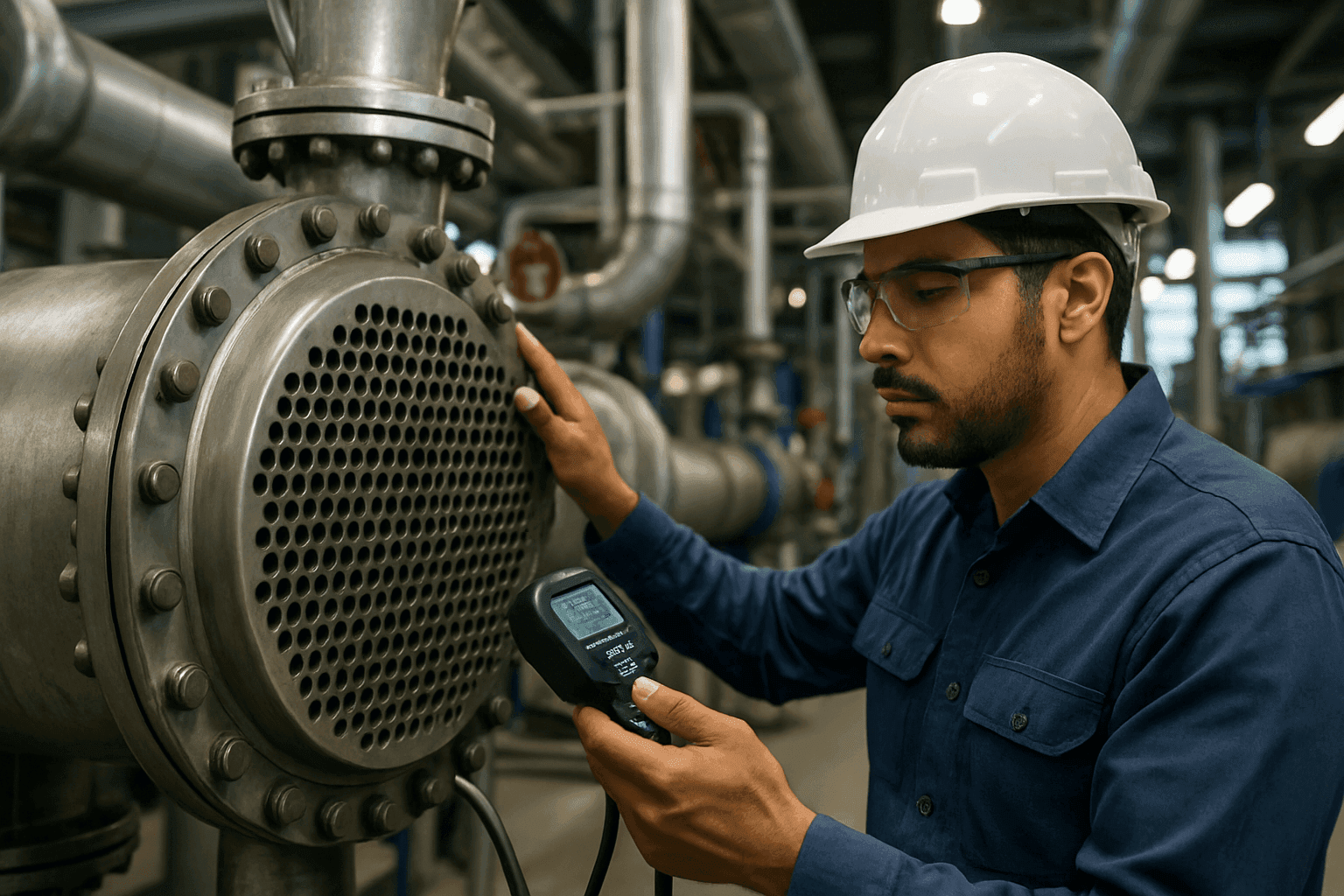
Maximizing Energy Efficiency: The Role of Shell and Tube Heat Exchangers in Flue Gas Economizers
In an era where energy efficiency and sustainability are paramount, industries are continually seeking innovative ways to reduce waste and optimize their processes. One significant area of focus is waste heat recovery, particularly from hot flue gases discharged during combustion processes. This often overlooked byproduct represents a substantial amount of lost energy, which can be captured and repurposed to improve overall system efficiency and reduce operational costs. Among the various technologies employed for this purpose, shell and tube heat exchangers stand out as a robust and effective solution, especially when integrated into flue gas economizers.
This article delves into the critical role of shell and tube heat exchangers in flue gas economizers, exploring their design principles, operational advantages, and the essential considerations for their successful implementation in high-temperature, often corrosive, industrial environments.
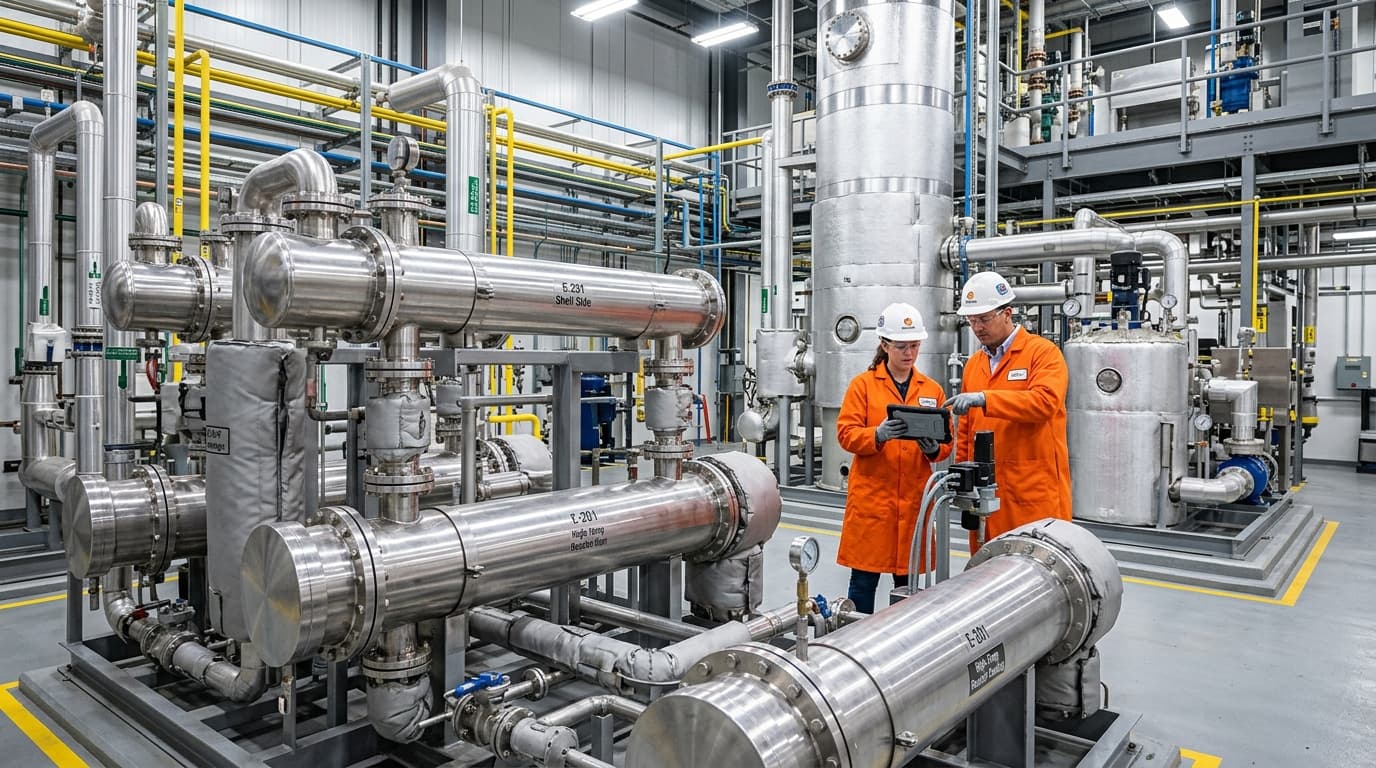
Recover waste heat and cut fuel costs with shell & tube or air-to-air exchangers engineered for continuous industrial duty.
Understanding Flue Gas Economizers and Waste Heat Recovery
Industrial processes, ranging from power generation to chemical manufacturing, produce considerable amounts of heat as a byproduct. Much of this heat is expelled as hot exhaust or flue gases, which historically has been discharged into the atmosphere. Industrial waste heat recovery (WHR) is the process of capturing this thermal energy and repurposing it for various applications, such as preheating boiler feedwater, generating electricity, or providing process heating.
An economizer is a specific type of heat exchanger designed to recover heat from these flue gases. Typically installed in the lower part or stack of a boiler, an economizer preheats boiler feedwater or other process fluids before they enter the main boiler system. By raising the temperature of the incoming fluid using waste heat, the economizer reduces the amount of primary fuel required by the boiler, leading to significant fuel savings, increased energy efficiency, and reduced CO₂ emissions. An average boiler operates with approximately 66% efficiency, meaning around 34% of energy can be considered waste heat; an economizer can increase efficiency by about 8%.
The Value of Waste Heat Recovery
Recovering waste heat offers multiple benefits:
- Energy Cost Reduction: By reusing heat, industries can lessen their reliance on primary energy sources, directly lowering fuel or electricity consumption and operational expenses.
- Environmental Benefits: Reduced fuel consumption translates to lower greenhouse gas emissions and a smaller carbon footprint, helping companies meet environmental targets and potentially reducing carbon taxes.
- Increased Efficiency: WHR systems boost the overall thermal efficiency of industrial operations, making processes more sustainable and productive.
- Versatility: Recovered heat can be used for diverse applications, including electricity generation via methods like the Organic Rankine Cycle (ORC), steam generation, process heating, or preheating combustion air.
Why Shell and Tube Heat Exchangers for Flue Gas Economizers?
Shell and tube heat exchangers are among the most prevalent types of heat exchange equipment due to their robust design, high reliability, and versatility across various industrial applications. Their structure typically involves a bundle of tubes enclosed within a cylindrical shell. One fluid flows through the tubes (tube-side fluid), while the other flows outside the tubes within the shell (shell-side fluid), facilitating heat transfer across the tube walls.
For flue gas economizers, shell and tube heat exchangers are particularly well-suited due to several key advantages:
Robustness and Pressure/Temperature Resistance
Flue gas environments are often characterized by high temperatures and varying pressures. Shell and tube heat exchangers are designed to withstand demanding operational conditions, including high temperatures (up to 400°C) and high pressures (up to 2.5 MPa), making them ideal for the harsh conditions of flue gas streams. Their sturdy construction ensures reliable performance and longevity.
High Thermal Efficiency
The design allows for a large surface area for heat transfer, which contributes to high thermal efficiency. Baffles installed within the shell direct the shell-side fluid (flue gas) in a continuous, broken line flow, increasing turbulence and reducing thermal resistance, thereby enhancing heat transfer efficiency. Finned tubes are often used to increase the heat transfer area on the gas side, balancing the heat transfer rates between the gas and liquid streams.
Design Flexibility and Scalability
Shell and tube heat exchangers offer considerable design flexibility, allowing for customization in tube size, layout, and shell configurations to meet specific process requirements and space limitations. They can be scaled for both small-scale and large-scale applications, making them adaptable to diverse industrial settings.
Adaptability to Various Fluids
They are suitable for a wide range of media and operating conditions, accommodating both gas-to-liquid heat exchange. This versatility is crucial when preheating various fluids like boiler feedwater, makeup water, or other process streams.
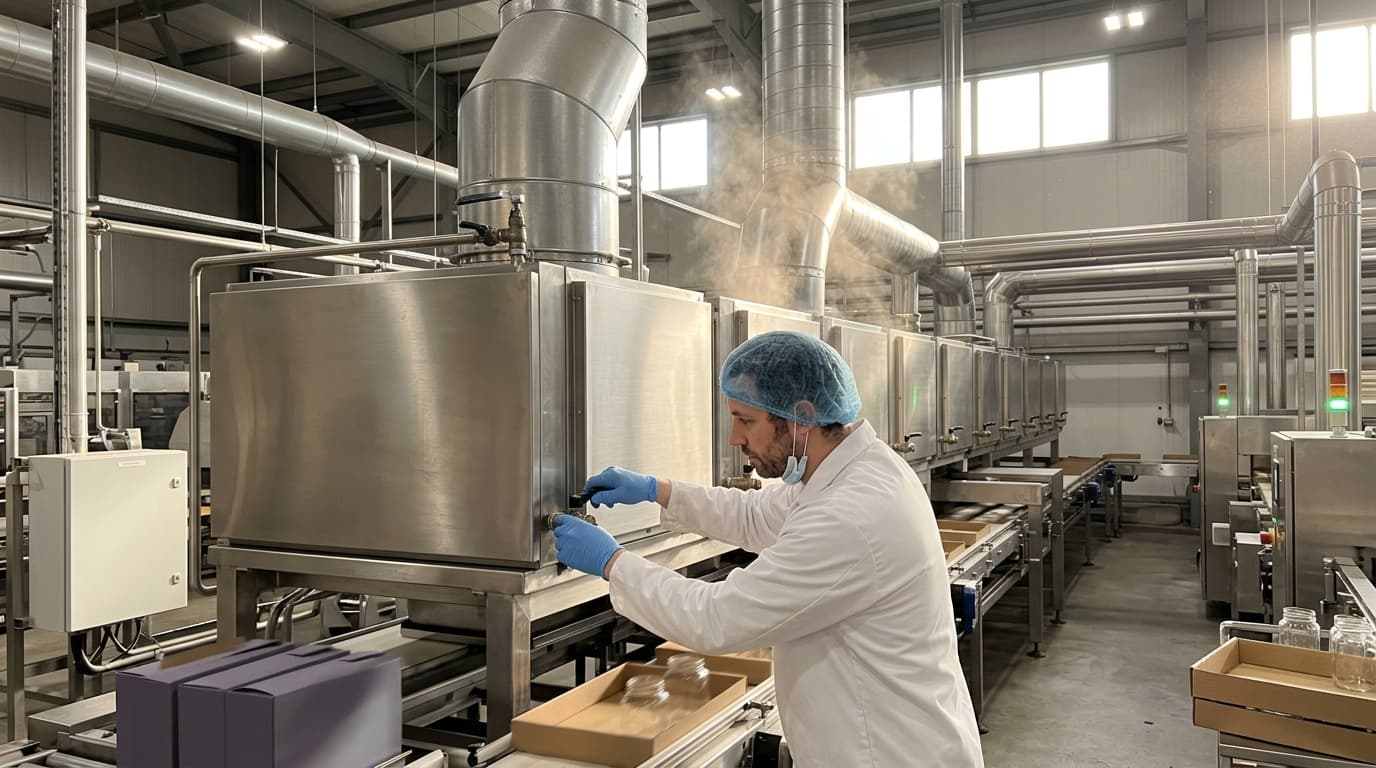
Our ThermStack and EcoStream heat exchanger ranges deliver measurable energy savings across chemical, food, pharma, and power generation processes.
Key Design and Material Considerations
Implementing shell and tube heat exchangers in flue gas economizers requires careful consideration of specific challenges inherent to flue gas environments.
Material Selection for Corrosion Resistance
Flue gases, especially from the combustion of hydrocarbon fuels like natural gas, can contain corrosive elements such as sulfur and nitrogen oxides (NOₓ). When the temperature of the flue gas drops below its dew point, water vapor condenses, forming acidic liquids (e.g., nitric acid) that can severely corrode carbon steel components.
- Condensing Economizers: For applications where flue gas condensation is expected or desired for maximum heat recovery, materials like high-grade stainless steel (e.g., 1.4462 duplex stainless steel or SA-213T22 alloy steel) are crucial for the tubes and other wetted parts to resist acidic corrosion.
- Non-Condensing Economizers: In systems designed to avoid condensation, carbon steel or ferritic alloys (e.g., SA-178, SA-192, SA-210, SA-226) might be used for tubes, particularly in non-boiling economizers for lower pressure applications. However, even in these cases, localized corrosion can be a concern if temperature fluctuations occur.
Fouling Mitigation
Flue gases often contain particulates (ash, soot) that can deposit on heat exchanger surfaces, leading to fouling. Fouling reduces heat transfer efficiency and increases pressure drop across the economizer.
- Finned vs. Smooth Tubes: While finned tubes enhance heat transfer, they can be more susceptible to fouling from dirty fuels like coal or heavy fuel oil. For such fuels, smooth tubes may be preferred, requiring a larger heat exchanger footprint. For cleaner fuels like natural gas, finned tubes are commonly used.
- Tube Layout: In-line or staggered arrangements of spiral finned tubes are common. The design should facilitate effective cleaning methods.
- Cleaning Systems: Regular cleaning, such as soot blowers or washing systems, may be necessary to maintain optimal performance. The design should allow for easy access for maintenance and cleaning, ideally with removable heat exchanger elements.
Pressure Drop Considerations
The flow of flue gas through the economizer introduces a pressure drop, which can impact the performance of upstream equipment like forced draft fans. Excessive pressure drop can reduce boiler capacity or cause combustion problems. Therefore, the economizer design must balance maximizing heat transfer with minimizing pressure drop to ensure efficient system operation. Uneven distribution of flue gas velocity can also lead to increased local velocity, causing wear on tube bundles and potentially leading to leakage.
Thermal Stress Management
Large temperature differences between the tube bundle and the shell can induce thermal stress. Designs incorporating measures to mitigate thermal stress, such as floating head designs which allow for differential thermal expansion, are important for exchanger longevity.
Applications in Industrial Manufacturing and Power Generation
Shell and tube heat exchangers used as flue gas economizers are integral to energy efficiency strategies across a wide range of industries:
- Power Plants: In fossil fuel or biomass-fired power plants, economizers preheat boiler feedwater, significantly improving overall thermal efficiency and reducing fuel consumption.
- Chemical and Petrochemical Industries: Processes involving furnaces, reactors, and distillation columns generate considerable waste heat, which can be recovered to preheat feed streams or other process fluids.
- Steel and Aluminum Industry: These energy-intensive sectors produce very high-temperature exhaust gases from furnaces, offering substantial opportunities for heat recovery.
- Oil and Gas Processing: Refineries and gas processing plants utilize economizers to recover heat from combustion exhaust, enhancing process efficiency.
- Waste-to-Energy Plants: Flue gas economizers play a crucial role in maximizing energy extraction from the combustion of various waste materials.
Conclusion
Shell and tube heat exchangers are indispensable components of flue gas economizers, offering a proven and effective method for industrial waste heat recovery. By capturing and repurposing the thermal energy from hot flue gases, these systems significantly enhance energy efficiency, reduce operational costs, and contribute to environmental sustainability. While the corrosive nature of flue gases and the potential for fouling present design challenges, careful material selection, robust engineering, and appropriate maintenance strategies ensure that shell and tube economizers remain a vital technology in the pursuit of a more energy-efficient and environmentally responsible industrial landscape. As industries continue to prioritize energy optimization, the role of these specialized heat exchangers will only grow in importance.
