Mighty Microbe Mines Rare Earths While Sucking Up Carbon
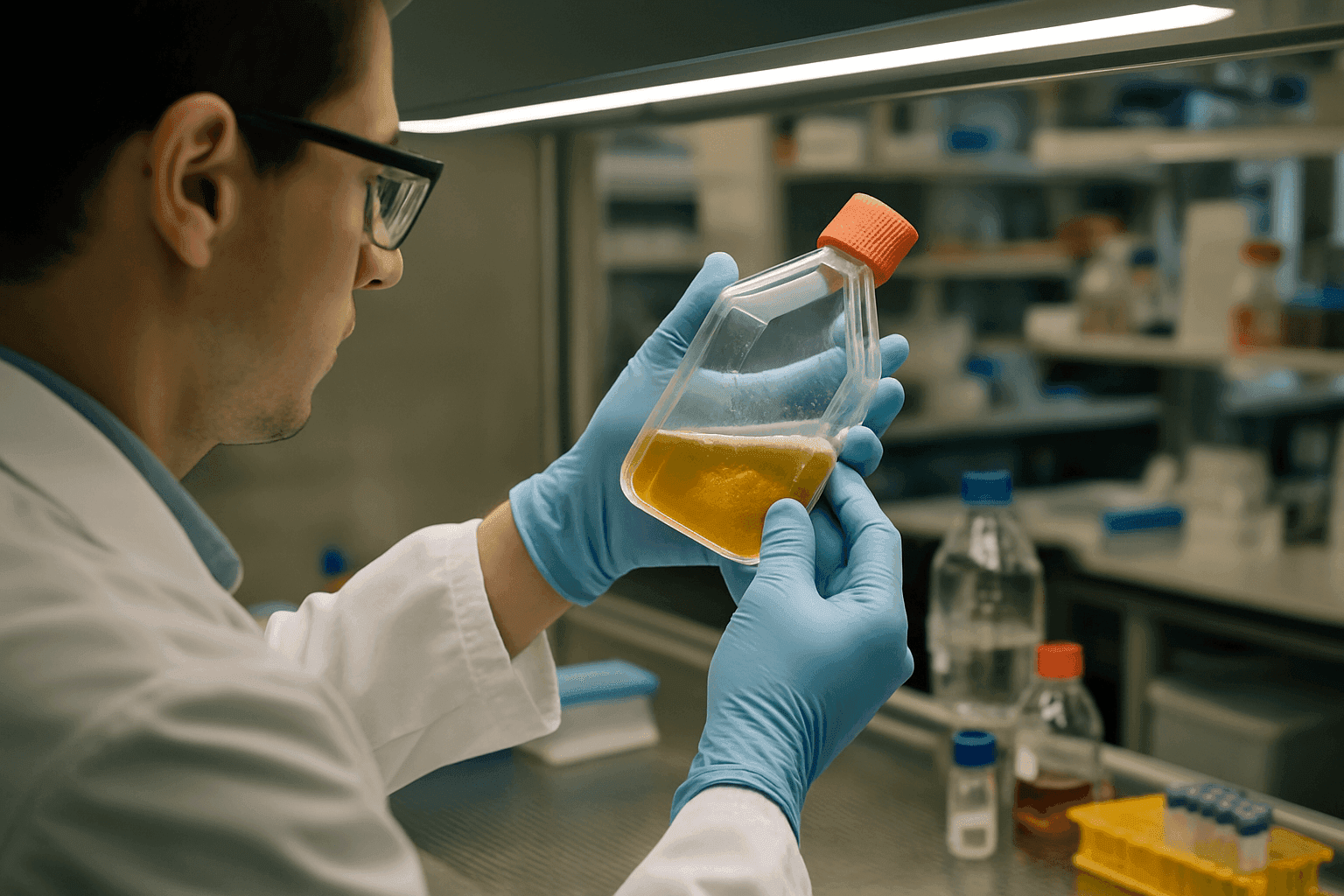
The quest for sustainable technologies and resource management has taken a leap forward, thanks to the discovery and engineering of a “superbug” capable of extracting rare earth elements (REEs) and capturing carbon dioxide (CO₂) simultaneously. This innovative approach, pioneered by researchers at Cornell University, addresses two critical global challenges: the increasing demand for REEs in modern technology and the urgent need to mitigate climate change.
The Dual Challenge: Rare Earths and Carbon Capture
The Rare Earth Element Conundrum
Rare earth elements are essential components in a wide array of modern technologies, including smartphones, electric vehicles, wind turbines, and solar panels. These elements possess unique magnetic and catalytic properties that make them indispensable in various applications. However, traditional mining methods for REEs are environmentally damaging, involving harsh chemicals, high temperatures, and the production of toxic waste. Moreover, the United States relies heavily on foreign sources, particularly China, for its REE supply, creating supply chain vulnerabilities. The demand for rare earth elements is expected to grow 400-600 percent over the next few decades.
The Carbon Capture Imperative
Rising levels of atmospheric carbon dioxide are driving climate change, necessitating innovative strategies for carbon capture and sequestration. Natural processes, such as the weathering of rocks, can capture CO₂, but these processes are often slow and inefficient. Enhancing these natural processes to accelerate carbon capture is crucial for mitigating the impacts of climate change.
The Superbug Solution: Gluconobacter oxydans
Cornell University scientists have engineered a bacterium called Gluconobacter oxydans to tackle both the REE extraction and carbon capture challenges. This microbe, found naturally, has been modified to enhance its ability to:
- Extract Rare Earth Elements: The engineered G. oxydans can dissolve rocks to extract REEs through a process called bioleaching.
- Capture Carbon Dioxide: The microbe accelerates the natural process of carbon capture by weathering rock and exposing metals like magnesium and iron to CO₂, forming stable carbonate minerals.
This dual functionality offers a sustainable and efficient solution to the intertwined problems of resource scarcity and climate change.
How the Superbug Works: A Deep Dive
Enhanced Bioleaching of Rare Earth Elements
Bioleaching is a process where microorganisms dissolve minerals to extract metals. G. oxydans naturally produces organic acids, such as gluconic acid, which aid in dissolving rocks containing REEs. The Cornell team identified genes that contribute to acidification, allowing G. oxydans to thrive in highly acidic conditions, which further enhances bioleaching.
To improve bioleaching efficiency, the researchers made two simultaneous edits to the bacteria's genome:
- Accelerated Acid Production: The first edit directly speeds up the production of organic acids.
- Removed Brakes on Acid Production: The second edit removes regulatory limits that suppress acid output.
These genetic modifications resulted in a 73% increase in REE extraction compared to the unmodified bacteria. The researchers identified 89 genes important for bioleaching, with 68 being previously unknown for this function. This discovery opens new avenues for further optimizing the bioleaching process.
Accelerated Carbon Capture
The carbon capture capability of G. oxydans stems from its ability to weather rock. As the bacteria break down rocks, they release metals like magnesium, iron, and calcium. These metals react with CO₂ in the atmosphere to form stable carbonate minerals, similar to limestone, which permanently sequesters the carbon.
The engineered G. oxydans accelerates this natural carbon capture process by an impressive 58 times. This enhanced weathering of rock exposes more metals to CO₂, leading to a faster rate of carbon sequestration.
A Sustainable and Environmentally Friendly Process
The superbug's approach offers several advantages over traditional REE mining and carbon capture methods:
- Reduced Environmental Impact: The process operates under ambient conditions, at low temperatures, and without the use of harsh chemicals.
- Permanent Carbon Sequestration: CO₂ is permanently stored as minerals, preventing its release back into the atmosphere.
- Recovery of Other Valuable Metals: The process can also recover other energy-critical metals like nickel as byproducts, enhancing its economic viability.
- Reduced Reliance on Foreign Sources: By enabling domestic REE extraction, the technology can reduce the U.S.'s dependence on foreign suppliers.
The Science Behind the Innovation: Key Research Papers
The breakthroughs in engineering G. oxydans for REE extraction and carbon capture are documented in three recent research papers:
- “High efficiency rare earth element bioleaching with systems biology guided engineering of Gluconobacter oxydans.” Communications Biology. This paper details the genetic modifications made to G. oxydans to enhance its bioleaching capabilities, resulting in a 73% increase in REE extraction.
- “Direct genome-scale screening of Gluconobacter oxydans B58 for rare earth element bioleaching.” Communications Biology. This study identifies 89 genes important for bioleaching, providing insights into the mechanisms underlying REE extraction.
- “Bio-accelerated weathering of ultramafic minerals with Gluconobacter oxydans.” Scientific Reports. This paper demonstrates that biomining microbes effectively weather rock to accelerate the natural process of carbon capture by 58 times.
These papers provide a comprehensive understanding of the science behind the superbug's capabilities and pave the way for further research and development.
Applications and Future Directions
Biomining of Rare Earth Elements
The engineered G. oxydans can be used to extract REEs from various sources, including:
- Ores: The microbe can dissolve rocks containing REEs, providing a sustainable alternative to traditional mining methods.
- Industrial Waste: G. oxydans can recover REEs from industrial waste streams, such as electronic waste (e-waste) and mining tailings, promoting a circular economy.
- Electronic Waste (E-waste): Synthetic biology enables the immediate recovery of critical minerals from existing waste streams. Bio-recovery from e-waste achieves 95% purity for neodymium and other rare earth elements, comparable to chemical methods but with lower environmental impact.
Carbon Sequestration and Climate Change Mitigation
The superbug's carbon capture capabilities can be harnessed to mitigate climate change through:
- Enhanced Weathering of Rocks: G. oxydans can be deployed in areas with suitable rock formations to accelerate carbon capture, removing CO₂ from the atmosphere.
- Carbon-Neutral Industrial Processes: The microbe can be integrated into industrial processes to capture CO₂ emissions, creating carbon-neutral or even carbon-negative operations.
Potential for a Domestic Rare Earth Industry
The development of efficient and sustainable REE extraction technologies can revitalize the U.S. rare earth industry, reducing reliance on foreign sources and creating domestic jobs. This could enable rapid expansion of sustainable energy technology adoption.
Further Research and Development
Ongoing research efforts are focused on:
- Optimizing the Genetic Engineering of G. oxydans: Further genetic modifications can enhance the microbe's bioleaching and carbon capture capabilities.
- Developing New Strains for Specific Applications: Engineering strains of G. oxydans tailored to specific REE sources and environmental conditions can improve efficiency and effectiveness.
- Scaling Up the Technology: Developing cost-effective and scalable methods for deploying the superbug in industrial settings is crucial for widespread adoption.
Challenges and Considerations
While the superbug approach holds immense promise, several challenges and considerations need to be addressed:
- Environmental Safety: Thoroughly assessing the environmental impact of deploying engineered microbes is crucial to prevent unintended consequences.
- Scalability: Scaling up the bioleaching and carbon capture processes to meet industrial demands requires significant infrastructure and investment.
- Economic Viability: Ensuring the economic competitiveness of the superbug approach compared to traditional methods is essential for its adoption.
- Public Perception: Addressing public concerns about genetically modified organisms and their potential impact on the environment is important for gaining acceptance of the technology.
Conclusion
The discovery and engineering of Gluconobacter oxydans as a superbug capable of mining rare earths and capturing carbon dioxide represent a significant breakthrough in biotechnology and environmental science. This innovative approach offers a sustainable and efficient solution to two pressing global challenges: the scarcity of rare earth elements and the urgent need to mitigate climate change. By harnessing the power of nature, researchers have unlocked a transformative technology with far-reaching implications for the future of technology, resource management, and environmental sustainability. Continued research and development efforts, along with careful consideration of potential challenges, will pave the way for widespread adoption of this promising technology.
