Nuclear Alchemy: Startup Turns Waste into Europe’s Clean Energy Future
Europe is sitting on a potential goldmine: vast stockpiles of nuclear waste accumulated over half a century of uranium-fueled energy production. While this radioactive material poses a long-term storage challenge, a Franco-Dutch startup, Thorizon, is pioneering a groundbreaking solution: reusing nuclear waste to generate clean energy.
Thorizon's Molten Salt Reactor: A Game Changer
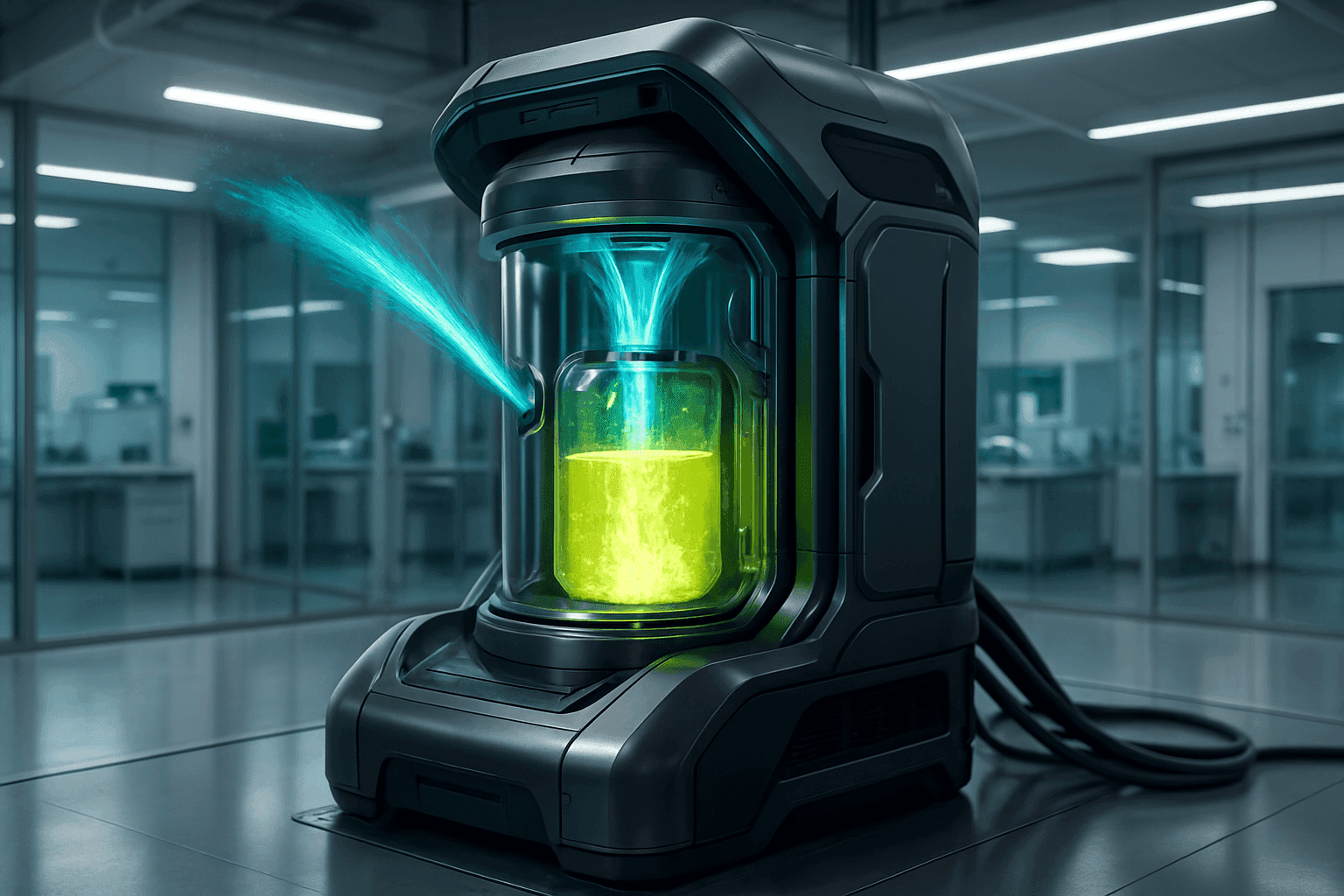
Thorizon is developing a small modular molten salt reactor (MSR) that utilizes a mix of spent nuclear fuel and thorium, a radioactive metal with significant untapped potential. The company aims to begin construction of its first reactor, Thorizon One, within five years. Once complete, the plant is projected to produce 100 megawatts of electricity, enough to power approximately 100,000 homes or a major data center.
Kiki Leuwers, CEO of Thorizon, emphasizes that they are not just building a new type of reactor but rethinking how to use existing fuel. She believes Europe's nuclear waste stockpile represents a valuable resource that, with the right technology, can be transformed into a clean energy solution.
How it Works: Reusing the Untapped Potential
Traditional nuclear reactors use uranium, where atoms undergo fission, releasing heat that produces steam and generates electricity. However, the radioactive waste produced still retains about 90% of the uranium's original energy. Thorizon's technology taps into this remaining energy, offering a more sustainable approach to nuclear power.
Leuwers estimates that Europe's existing nuclear waste could power the entire region for 40 years. In the US, scientists believe a similar approach could power the country for around 100 years.
Addressing the Challenges of Nuclear Waste
The nuclear energy industry faces several challenges, including managing long-lived radioactive waste, preventing material degradation in reactors, and developing safer, more cost-efficient technologies. Thorizon's MSR technology addresses these issues by processing waste, enhancing safety, and reducing costs.
By blending spent uranium fuel with thorium in a molten salt reactor, Thorizon aims to create a cleaner, more sustainable source of nuclear energy, turning a significant waste problem into a clean energy solution for Europe.
Overcoming Obstacles: Funding and Regulatory Approvals
Thorizon has secured €20 million in funding to advance the development of its Thorizon One reactor. This includes €16 million as the first tranche of its Series A round, led by Invest-NL, with backing from the European Commission and support from Positron Ventures, PDENH, and Impuls Zeeland. An additional €4 million grant was secured from the Dutch Province of Noord-Brabant in consortium with VDL Groep and Demcon. Including its first equity round, Thorizon has raised €42.5 million to drive the commercialization of its innovative reactor technology.
The funding will support prototyping and demonstration of Thorizon One's “cartridge” fuel system, designed to safely and cost-effectively generate power by recycling nuclear waste. The company will also finalize the reactor's basic design, advance licensing, and prototype key components as it moves toward starting construction in 2030.
Thorizon is currently engaged in regulatory talks with Dutch, French, and Belgian authorities and has pre-feasibility studies underway for potential launch sites in France, the Netherlands, and Belgium.
A Circular Approach: Turning Waste into a Resource
Thorizon's molten salt reactor uses long-lived nuclear waste as fuel, contributing to a more circular atomic energy system by reducing waste and generating CO₂-free energy. The company's mission is to create a dependable, safe, and virtually inexhaustible source of CO₂-free energy, contributing to the global energy transition by developing next-generation nuclear reactors that effectively manage waste and provide clean energy solutions for industrial applications and electricity generation.
The Promise of Advanced Nuclear Technologies
Thorizon is not alone in exploring advanced nuclear technologies. Other companies are also working on innovative solutions for nuclear waste management and energy generation.
- Accelerator-Driven System (ADS) Technology: This technology involves bombarding radioactive isotopes with neutrons, transmuting them into less hazardous materials with lower half-lives and radiotoxicity. The heat generated from this process can also be harvested for other applications.
- Generation IV Reactors: Companies like Blykalla and Newcleo are collaborating on the research and development of materials for Generation IV lead-cooled fast reactors (LFRs). These reactors are designed to be fueled by reprocessed nuclear waste.
The Future of Nuclear Energy in Europe
Nuclear energy currently accounts for 27% of the electricity generated in the EU, with over 130 nuclear power reactors in operation across 14 member states. For these countries, nuclear power is a reliable source of base load electricity and an important part of the energy mix.
As Europe transitions towards climate neutrality, nuclear energy, subject to strict safety and environmental conditions, can play a significant role. The European Commission is actively involved in ensuring the safety and sustainability of nuclear technologies, including radioactive waste management and disposal.
Challenges and Opportunities
While the prospect of turning nuclear waste into a clean energy source is promising, several challenges remain.
- Technological Hurdles: Advanced technologies like ADS and MSRs are still under development and require further research and testing.
- Economic Viability: The cost of implementing these technologies needs to be competitive with other energy sources.
- Regulatory Approvals: Gaining regulatory approvals for new nuclear technologies can be a lengthy and complex process.
- Public Perception: Addressing public concerns about the safety and environmental impact of nuclear energy is crucial.
Despite these challenges, the potential benefits of utilizing nuclear waste for energy generation are significant. It offers a way to reduce the burden of long-term waste storage, generate clean energy, and enhance energy security.
Conclusion: A Sustainable Energy Solution
Thorizon's innovative approach to nuclear waste management represents a significant step towards a more sustainable energy future for Europe. By transforming a waste problem into a valuable resource, the company is paving the way for a cleaner, more secure, and environmentally responsible energy landscape. As research and development continue and regulatory hurdles are overcome, nuclear waste could become a key component of Europe's clean energy mix.
