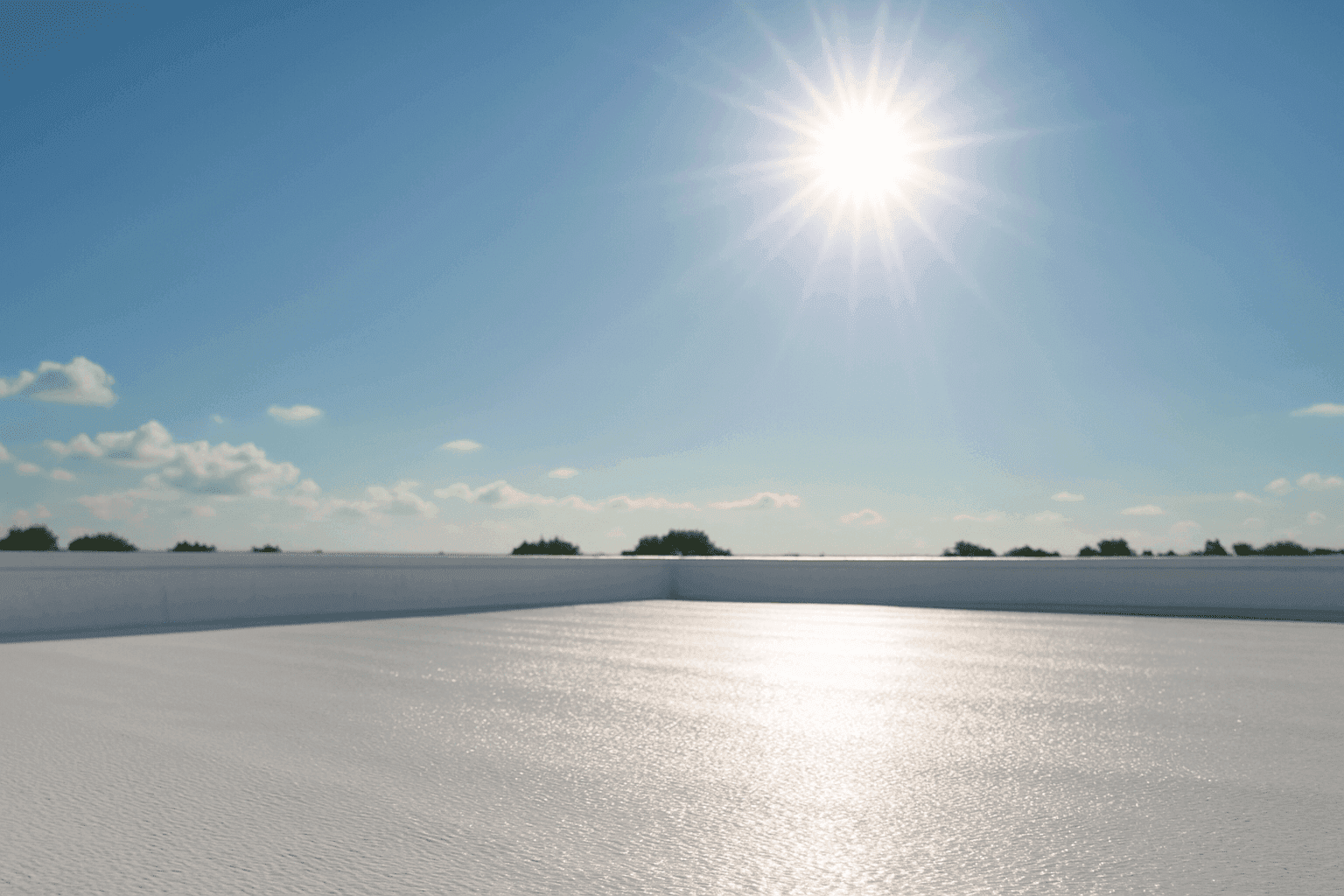
Reflect the Sun: Simple Solar Radiation Methods You Can Try Today
Mitigating radiative forcing through surface albedo modification offers a direct physical pathway to lower localised ambient temperatures. By targeting the surface energy balance, engineered reflective materials can alter the thermodynamic properties of the built environment. This article evaluates micro-scale solar reflection methodologies, focusing on materials science, physical metrics, and practical implementations for altering surface albedo (a) at the local scale.
Understanding Solar Radiation Reflection
The Physics of Solar Reflection
To understand how solar reflection works, we must examine the electromagnetic spectrum of incoming solar radiation. Solar energy reaching the Earth's surface consists roughly of 5% ultraviolet (UV) radiation, 43% visible light, and 52% near-infrared (NIR) radiation. When this radiation strikes a surface, it is either absorbed, transmitted, or reflected.
The primary metric used to evaluate a material's capability for solar reflection is albedo (a). Albedo is a dimensionless value representing the ratio of reflected solar radiation to the total incident solar radiation:
a=EiMrwhere:
- a is the surface albedo (ranging from 0, representing complete absorption, to 1, representing complete reflection).
- Mr is the reflected solar exitance, measured in watts per square metre (W/m2).
- Ei is the incident solar irradiance, measured in watts per square metre (W/m2).
To understand how solar reflection translates into cooler surface temperatures, we can model the surface energy balance:
qnet=(1−a)Ei−ϵσ(Ts4−Tsky4)−qconvectionwhere:
- qnet is the net heat flux absorbed by the surface (W/m2).
- a is the surface albedo.
- Ei is the incident solar irradiance (W/m2).
- ϵ is the thermal emittance of the material (dimensionless).
- σ is the Stefan-Boltzmann constant, equal to 5.67×10⁻⁸ W/(m2⋅K4).
- Ts is the surface temperature in Kelvin (K).
- Tsky is the effective sky temperature in Kelvin (K).
- qconvection is the convective heat transfer to the surrounding air (W/m2).
By increasing the albedo (a), we decrease the net heat flux (qnet) absorbed by the surface, lowering the equilibrium surface temperature (Ts).
What is Solar Radiation Management (SRM)?
Solar Radiation Management (SRM), or solar geoengineering, refers to techniques designed to counter global warming by reflecting a fraction of inbound sunlight back into space. While macro-scale proposals include stratospheric aerosol injection or marine cloud brightening, micro-scale surface albedo modification is an immediate, accessible intervention for communities and property owners. By increasing the reflectivity of the built environment, these local measures lower ambient temperatures and mitigate urban heat accumulation.
Simple, Accessible Methods for Reflecting Solar Radiation
To compare the efficacy and mechanical characteristics of different micro-scale solar reflection techniques, the table below compiles key engineering parameters, including typical albedo ranges (a), Solar Reflectance Index (SRI) values, and relative material costs.
| Method | Typical Albedo (a) | Solar Reflectance Index (SRI) | Target Wavelength Range | Relative Material Cost |
|---|---|---|---|---|
| 1. Reflective Roof Coatings | 0.70 – 0.85 | 80 – 110+ | Near-Infrared (NIR) & Visible | Low to Moderate |
| 2. White / Light Walls | 0.60 – 0.80 | 70 – 95 | Visible & Near-Infrared (NIR) | Low |
| 3. Reflective Window Films | 0.50 – 0.70 (Rejection) | N/A (SHGC: 0.20 – 0.35) | Ultraviolet (UV) & Near-Infrared (NIR) | Moderate |
| 4. Aluminium Foil / Sheets | 0.80 – 0.90 | 95 – 105 | Infrared (IR) & Visible | Very Low |
| 5. Planting Vegetation | 0.15 – 0.25 (Equivalent) | N/A | Photosynthetically Active (PAR) | Moderate |
| 6. Reflective Art Installations | Variable (0.50 – 0.85) | Variable | Visible & Near-Infrared (NIR) | High |
| 7. Reflective Clothing | 0.60 – 0.75 | 70 – 90 | Ultraviolet (UV) & Visible | Low |
| 8. Reflective Road Surfaces | 0.30 – 0.45 (from 0.05) | 30 – 50 | Visible & Near-Infrared (NIR) | Moderate to High |
| 9. Floating Water Reflectors | 0.65 – 0.80 | 75 – 95 | Entire Solar Spectrum | Moderate |
| 10. Retro-Reflective Paint | 0.50 – 0.70 | 55 – 85 | Direct Specular / Source Angles | Moderate |
1. Reflective Roof Coatings
Applying highly reflective coatings to roofs increases their albedo, reducing the volume of heat transferred into the building envelope. These cool roof coatings typically consist of specialised elastomeric acrylic, silicone, or polyurethane compounds. Formulated in brilliant white to maximise solar reflection, they reduce mechanical cooling loads and extend the physical lifespan of the roof by minimising thermal expansion and contraction cycles.
2. White or Light-Coloured Walls
Painting exterior vertical walls with light-coloured, high-grade paints significantly reduces heat conduction. These paints utilise titanium dioxide (TiO2) pigments, which scatter visible and near-infrared light exceptionally well. This simple modification reduces energy consumption for interior cooling and ventilation while offering aesthetic utility and clean architectural lines.
3. Reflective Window Films
Reflective window films utilise micro-thin, metallised or spectrally selective polymer layers applied directly to exterior window surfaces to bounce solar heat away before it penetrates building interiors. Premium films achieve a low Solar Heat Gain Coefficient (SHGC) benchmark of 0.20 to 0.35, while maintaining a Visible Light Transmittance (VLT) range of 15% to 50% to balance glare control and indoor natural lighting. This technology blocks over 99% of harmful UV radiation, protecting occupant skin and interior surfaces from degradation.
4. Aluminium Foil or Reflective Sheets
For rapid, low-cost radiant barriers, households can deploy aluminium foil or aluminised polyester (Mylar) sheets. When positioned behind windows or within attic rafters, these sheets prevent radiative heat transfer. To avoid conductive heat transfer, a minimum air gap of 20 mm must be maintained behind the reflective layer, making this a highly accessible DIY intervention.
5. Planting Trees and Vegetation
While plants absorb sunlight for photosynthesis, their canopy structures scatter incoming radiation and shade heat-retaining artificial surfaces. Deciduous trees and native shrubs provide natural cooling through evapotranspiration, converting sensible heat into latent heat. This creates a high micro-level albedo compared to dark artificial materials like black asphalt, while simultaneously enhancing local biodiversity.
6. Reflective Art Installations
Reflective public art installations offer a dual benefit of local shading and community engagement. By incorporating polished, non-glare specular or satin-finished metals and mirror mosaics, designers can safely direct reflected light away from pedestrian pathways and windows. These installations help raise public awareness of radiative forcing while physically cooling public plazas.
7. Reflective Clothing and Accessories
Personal albedo modification can be achieved by selecting garments designed to reject solar heat. Using technical fabrics like light-coloured cottons, technical linen, or UV-blocking materials with high Ultraviolet Protection Factor (UPF) ratings ensures immediate personal thermal comfort. This reduces occupant reliance on indoor air conditioning, lowering localised energy demands.
8. Reflective Road Surfaces
Replacing dark, heat-retaining asphalt with reflective pavements alters the thermal profile of municipal transit paths. Applying cool-pavement sealants or light-coloured aggregates can increase road albedo from a baseline of 0.05 (for typical aged, dark asphalt) to targets of 0.30 to 0.45. In terms of mechanical properties, these modified pavement mixtures must maintain a high compressive strength (typically 30–40 MPa for concrete block pavement or high Marshall stability for asphalt pavements) to withstand heavy traffic loads without rutting, thermal cracking, or premature binder degradation.
9. Floating Reflectors on Water Bodies
Positioning modular floating structures on stagnant water bodies represents an effective method for protecting aquatic resources. Using food-grade white high-density polyethylene (HDPE) spheres (shade balls) or modular polymer arrays reflects solar radiation to lower water temperatures. This significantly reduces evaporation rates in municipal reservoirs and prevents toxic algae blooms.
10. Retro-Reflective Paint
Unlike standard reflective coatings that scatter light in a diffuse pattern, retro-reflective paints contain microscopic glass beads that bounce incoming light directly back towards its source. This prevents the scattered light from warming adjacent vertical walls, making it highly versatile for vertical urban infrastructure and complex architectural facades.
Community-Based Initiatives
1. Neighbourhood Albedo Projects
Grassroots action can transform urban microclimates. Community-led initiatives to coordinate paint-outs (painting roofs and pavements in high-density blocks) can rapidly scale the benefits of solar reflection. These volunteer programmes are highly cost-effective and yield immediate utility-bill relief for participants.
2. Educational Campaigns
To increase public adoption of solar reflection methods, local communities must launch information programmes. Explaining the physical principles of albedo and the economic benefits of cool roofs helps residents make informed home-improvement choices.
3. Local Government Support
Advocating for updated building codes is essential. Communities can lobby local governments to offer tax rebates, grants, or fast-tracked planning permits for buildings that incorporate cool roofs, green spaces, and high-SRI pavements.
Potential Challenges and Considerations
1. Albedo Effects
When planning solar reflection, the direction of reflected light must be carefully assessed. Highly specular (mirror-like) reflective surfaces can direct blinding glare towards adjacent properties, drivers, or multi-storey windows, causing localised thermal discomfort or visual hazards. Diffuse or retro-reflective coatings should be prioritised.
2. Material Sustainability
It is essential to consider the lifecycle impact of materials used for solar reflection. Reflective paints should have low volatile organic compound (VOC) emissions, and synthetic polymer films or floating elements must be designed to avoid microplastic shedding.
3. Maintenance
The optical efficiency of a solar reflective surface is directly tied to its cleanliness. Dust deposition, vehicle exhaust soot, and biological growth (mould or lichen) can reduce a cool roof's albedo by up to 30% within a few years. Routine washing and maintenance are required to sustain maximum reflection.
4. Aesthetic Concerns
Brilliant white roofs or light-coloured infrastructure may conflict with historical preservation standards or local architectural guidelines. Finding a balance between thermal efficiency and community design preferences requires constructive dialogue and the use of modern "cool colours" (pigments designed to reflect near-infrared radiation while appearing dark to the human eye).
5. Environmental Impacts
We must ensure that materials do not wash into local storm drains or contribute to chemical runoff. Opt for eco-certified coatings and non-toxic materials to safeguard surrounding soils and water tables.
The Bigger Picture: Integrating SRM with Other Climate Actions
While local solar reflection provides substantial microclimate cooling, it cannot solve global warming in isolation. It must operate as part of a wider, multi-tiered ecological response.
1. Reducing Greenhouse Gas Emissions
The absolute priority remains deep decarbonisation. Solar reflection acts as a protective shield to buy time, but permanent climate stability requires transitioning to renewable energy, improving energy efficiency, and phasing out fossil fuels.
2. Carbon Dioxide Removal (CDR)
To reverse the warming trend long-term, excess carbon dioxide must be actively removed from the atmosphere. Integrating surface albedo management with biological sequestration (reforestation) and technological carbon capture is highly recommended.
3. Adaptation Measures
In tandem with solar reflection, we must adapt our built environment by improving stormwater management, engineering heat-tolerant agriculture, and upgrading power grids to withstand extreme weather events.
Conclusion: A Reflective Future
Optimising micro-scale albedo through surface-level solar reflection techniques provides a quantifiable mechanism to reduce heat absorption in built environments. By deploying high-albedo coatings, spectrally selective films, and engineered pavement materials, municipalities and asset owners can achieve measurable reductions in surface temperatures and HVAC energy demands. Integrating these surface-level modifications with broader decarbonisation and carbon dioxide removal strategies provides a dual-benefit approach: immediately reducing localised thermal stress while long-term radiative forcing is addressed.
