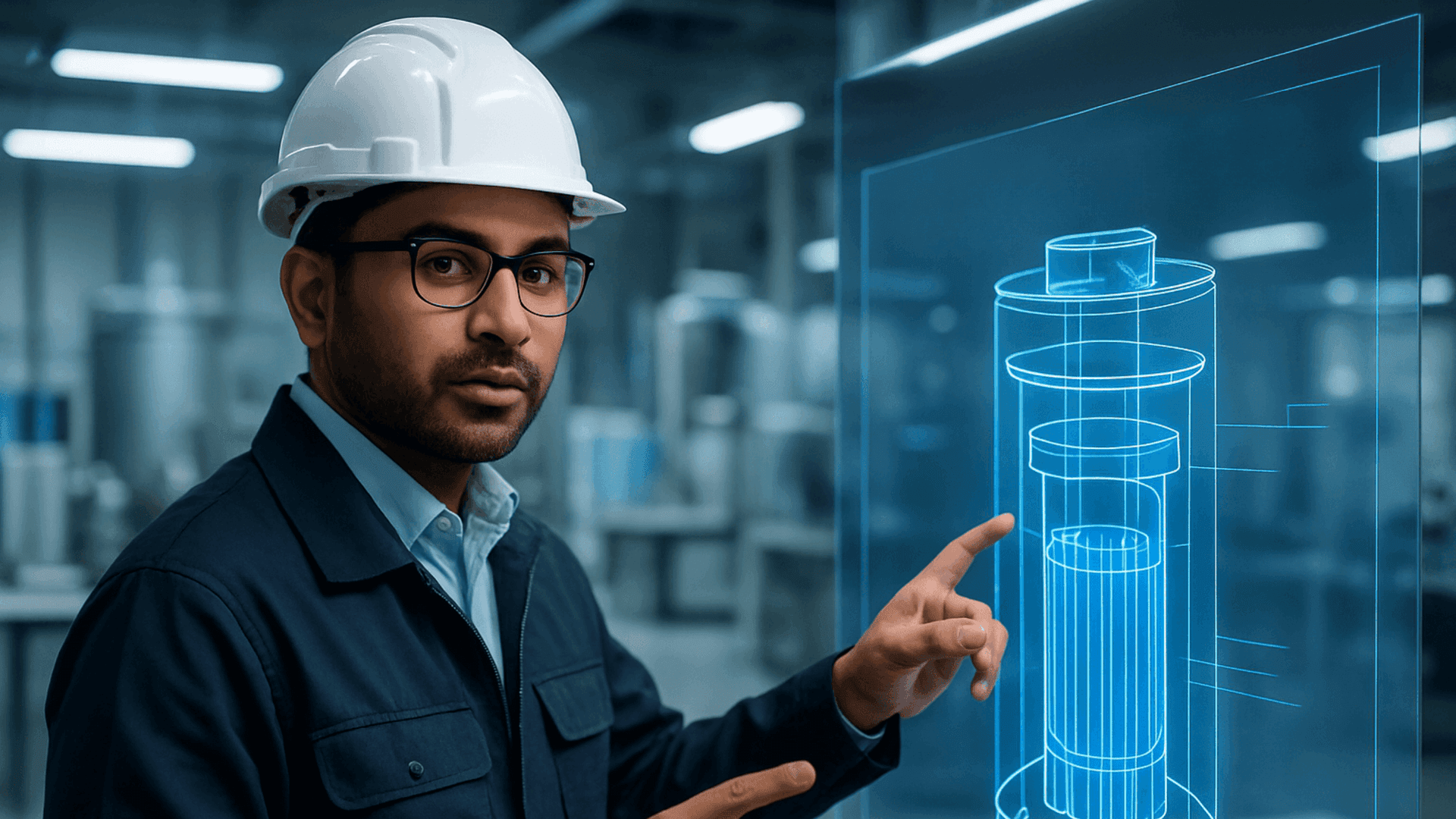
Rolls-Royce Teams Up for Advanced Modular Nuclear Reactors to Power 3 Million Homes
Rolls-Royce SMR has solidified key partnerships, including being selected as the preferred bidder for the UK's first Small Modular Reactors (SMRs) and collaborating with international entities, aiming to deliver enough clean energy to power 3 million homes. Each Rolls-Royce SMR unit is designed to generate 470 megawatts (MWe) of low-carbon electricity, capable of powering approximately one million homes for at least 60 years. This initiative represents a significant step towards achieving energy security and net-zero goals in the UK and globally.
The Rise of Small Modular Reactors (SMRs)
Small Modular Reactors (SMRs) are advanced nuclear reactors that represent a paradigm shift in nuclear power generation. Unlike traditional large-scale nuclear plants, SMRs are smaller, with a power capacity typically up to 300 MWe per unit, though Rolls-Royce's design is 470 MWe. Their "modular" nature means that systems and components can be factory-assembled and transported as units to a location for installation, significantly reducing construction time, costs, and risks.
Key Advantages of SMR Technology
SMRs offer several compelling benefits that address many of the challenges associated with conventional nuclear power plants:
- Reduced Footprint and Flexible Siting: Their smaller physical size allows SMRs to be sited in locations unsuitable for larger plants, including potentially co-locating with existing infrastructure or in remote areas.
- Cost and Time Efficiency: Factory-built, prefabricated units lead to more affordable construction, shorter timelines, and reduced delays compared to custom-designed large reactors.
- Enhanced Safety Features: SMR designs often incorporate simpler, passive safety systems that rely on natural phenomena like gravity and convection to shut down and cool the reactor without human intervention or external power, increasing safety.
- Scalability and Versatility: SMRs can be deployed incrementally to match increasing energy demand and can be used for various applications beyond just electricity generation, including process heat for industry, desalination, and the production of green hydrogen and synthetic fuels.
- Baseload Power and Renewable Energy Integration: SMRs provide a consistent, dispatchable source of energy that can complement intermittent renewable sources like wind and solar, forming part of a hybrid energy system.
Rolls-Royce SMR's Strategic Partnerships and UK Deployment
Rolls-Royce SMR has been at the forefront of SMR development, securing significant partnerships and being selected to deliver the UK's first SMRs.
UK and International Commitments
In June 2025, Rolls-Royce SMR was chosen by Great British Energy – Nuclear as the preferred bidder to provide the UK's initial SMR fleet, following a two-year competition. Moving from selection to execution, the parties signed a landmark contract in April 2026 to formally commence technology design and site-specific activities, with plans to connect projects to the grid by the mid-2030s. The UK government has allocated over £2.5 billion for the SMR programme (including £2.6 billion under the 2025 Spending Review), which is expected to create up to 3,000 skilled jobs at peak construction. Rolls-Royce SMR aims to build three SMRs in the UK, generating approximately 1.4 GW of electricity in total, enough to power around 3 million homes.
Beyond the UK, Rolls-Royce SMR has also established international collaborations. In October 2024, the company was selected by Czech utility ČEZ to deploy up to 3 GW of electricity in the Czech Republic. Rolls-Royce SMR has further strengthened its ties in the Czech Republic by signing a memorandum of understanding with Škoda JS to explore the production of key components, and a contract with ÚJV Řež for the analysis and testing of critical SMR components. Additionally, Rolls-Royce SMR has Memorandums of Understanding in place with Estonia and Turkey, and is among the final two SMR technologies in Sweden's selection process.
Powering the AI Revolution: SMRs and European Data Centres
As tech conglomerates face soaring energy requirements driven by artificial intelligence, machine learning, and advanced cloud computing, finding stable, zero-carbon power has become an urgent priority. Due to these massive baseload requirements, Rolls-Royce SMRs are poised to power AI data centres in Europe, offering a scalable solution to a rapidly growing energy crisis.
Why AI Data Centres Require SMR Technology
Generative AI queries require up to ten times more electricity than standard search engine queries. As hyperscale data centres expand across Europe, local electrical grids are reaching their physical capacity limits.
Traditional renewable energy sources, such as wind and solar, are highly intermittent and require vast battery storage networks to guarantee the 99.999 per cent uptime required by modern data facilities. Rolls-Royce SMRs solve this issue by offering:
- Continuous Baseload Generation: A single 470 MWe Rolls-Royce SMR runs continuously, unaffected by weather conditions, providing the constant, reliable stream of electricity that high-performance AI chips demand.
- Co-Location Potential: Thanks to their compact footprint, these reactors can be built adjacent to new data centre parks. This direct-wire, "behind-the-metre" deployment bypasses grid congestion, reducing transmission losses and local grid strain.
- Carbon Neutrality Goals: Major tech firms have pledged to operate on 100 per cent carbon-free energy by 2030. Integrating SMR technology directly into their European infrastructure strategy allows them to scale their processing power without escalating their Scope 2 carbon emissions.
The European Market Landscape
Europe has become a key battleground for securing clean, high-density power. With Rolls-Royce SMR negotiating deployment frameworks in the UK, Sweden, Finland, and the Czech Republic, industrial developers and tech giants are looking at these reactors as the ultimate energy anchor. By partnering with local utilities like ČEZ in Central Europe and participating in Sweden's nuclear expansion plans, Rolls-Royce is strategically positioned to supply the dedicated energy infrastructure that next-generation AI hubs in Europe will require to remain competitive.
Supply Chain and Manufacturing
A crucial aspect of Rolls-Royce SMR's strategy is its focus on factory-built modules. Approximately 90 per cent of the SMR's manufacturing and assembly activities will occur in factory conditions, which is expected to maintain high quality and reduce on-site disruption. This approach is designed to revolutionise how nuclear power is delivered by moving away from high-cost, high-risk complex construction programmes towards predictable, factory-built commodities.
Rolls-Royce SMR has also secured a multi-million-pound strategic partnership with Curtiss-Wright's UK-based nuclear business (formerly Ultra Energy) to deliver critical safety systems for its SMR technology. This partnership will support regional economic growth and expand the UK's nuclear skills and capabilities, with design and implementation carried out at Curtiss-Wright's facility in Wimborne, Dorset, creating over 200 UK jobs.
Regulatory Progress and Future Outlook
The Rolls-Royce SMR design is currently progressing through the final stage of assessment by UK nuclear regulators. This Generic Design Assessment (GDA) process began in April 2022 and is on track for completion expected by August 2026. The company expects its first unit to be completed in the early 2030s, with power on the grid potentially by 2029 for the first SMR.
The development and deployment of Rolls-Royce SMRs are poised to play a significant role in helping countries achieve their net-zero targets and enhance energy independence. With a robust design, strategic partnerships, and a clear manufacturing strategy, Rolls-Royce SMR is positioned to become a world leader in SMR technology.
