Royal Mail’s Solar Postboxes: The Future is Here!
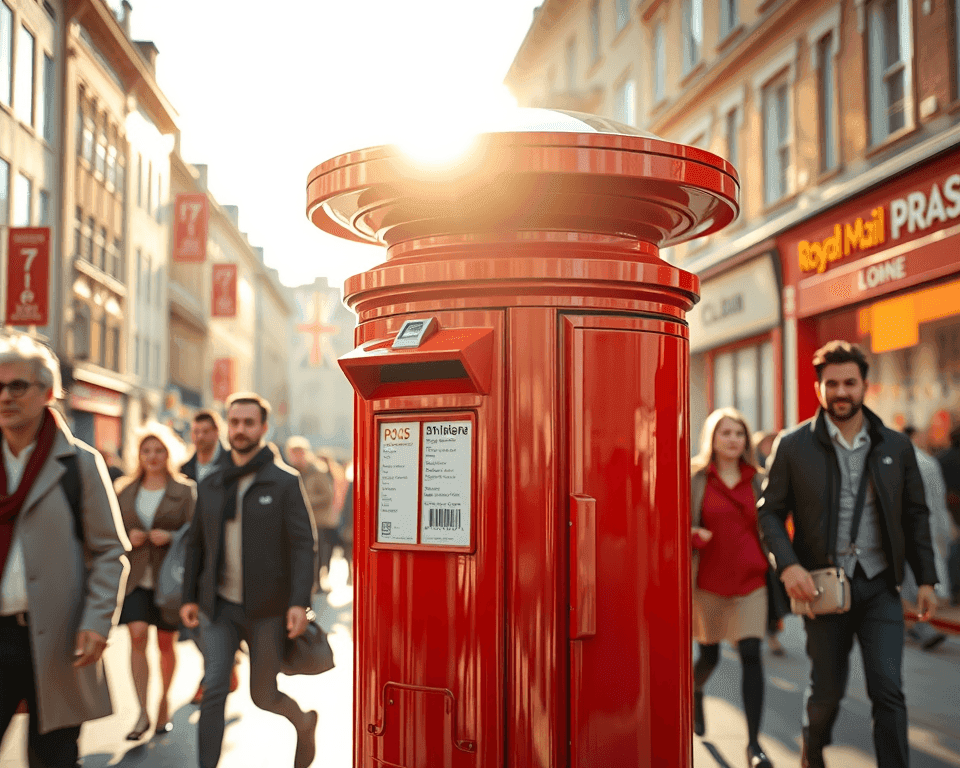
Royal Mail is trialling solar-powered postboxes equipped with barcode scanners and larger parcel hatches, marking the most significant design change in over 175 years. These “postboxes of the future” are designed to accommodate the growing demand for parcel services while letter volumes decline, ensuring both automated letter sorting and package drop-offs remain highly efficient.
A Historic Upgrade
The iconic red postbox, a staple of British streets for over a century, is getting a high-tech makeover. Royal Mail is piloting five of these upgraded postboxes in Hertfordshire and Cambridgeshire. The retrofitted boxes feature solar panels to power a camera that scans barcodes on parcels, opening a separate chute for package drop-offs. Traditional letter posting remains unaffected, utilising a separate physical opening to protect the mail stream.
Locations of the Trial
The five prototype postboxes are currently being tested in the following locations:
- Fowlmere, Cambridgeshire (1 postbox)
- Letchworth, Hertfordshire (1 postbox)
- Hertford, Hertfordshire (1 postbox)
- Ware, Hertfordshire (2 postboxes)
How it Works: The Tech Behind the Box
These aren't your traditional postboxes. The integration of green energy and scanning hardware allows for a frictionless, contact-free drop-off process:
- Solar Panels: The black lid of the postbox is fitted with durable solar panels that capture and store energy in an internal battery, ensuring full functionality even during overcast British winters.
- Barcode Scanner: A built-in, low-power camera scans the 2D barcode on prepaid parcel labels.
- Automated Chute: Once a valid barcode is detected, an automated secure chute unlocks and opens, allowing customers to deposit their parcel.
- Royal Mail App Integration: Users can request an instant “proof of posting” notification through the Royal Mail app once the barcode is successfully registered by the box.
Automated Letter Processing vs. Smart Parcels
As Royal Mail modernises its network, understanding the journey of an automated letter versus a parcel is key. An automated letter refers to mail that is sorted, routed, and sequenced using high-speed machine automation rather than manual handling. Today, Royal Mail's automated letter processing pipeline relies heavily on Intelligent Letter Sorting Machines (ILSMs) and Optical Character Recognition (OCR) technology.
For an automated letter to pass successfully through these high-speed sorting machines (which process up to 36,000 items per hour), the envelope must remain flat, uncreased, and dry. This is why the new solar postboxes preserve a completely separate, traditional gravity-fed slit for letters. By physically segregating heavy, bulky parcels from paper envelopes, Royal Mail prevents letters from being crushed or soiled. This segregation ensures that barcoded stamps and printed addresses remain pristine for the automated letter sorting scanners at the local mail centre.
Additionally, the transition to automated letter mail has been accelerated by the introduction of unique 2D barcodes on standard definitive stamps. These barcodes allow the automated letter infrastructure to identify, track, and validate postage digitally, reducing processing times and fraud across the entire UK postal network.
Why the Change? Adapting to Modern Needs
Royal Mail's upgrade reflects the rapidly evolving postal landscape. With the rise of online marketplaces and e-commerce, parcel volumes are booming, while traditional letter volumes continue to decline.
Key Drivers:
- E-commerce Growth: The exponential rise of online shopping and home-based retail has led to a massive surge in parcel traffic.
- Secondhand Marketplaces: Platforms like Vinted, eBay, and Depop have democratised selling, driving a boom in consumer-to-consumer parcel shipping.
- Convenience: Customers increasingly expect 24/7 drop-off options that do not require waiting in queues at a physical Post Office branch.
Emma Gilthorpe, Royal Mail's chief executive, describes the upgrade as a “historic change,” giving the iconic postboxes “a new lease of life on street corners across the nation.”
The Future of Postboxes: Nationwide Expansion?
Royal Mail has signalled clear ambitions to expand this smart postbox concept nationwide. While the UK currently has approximately 115,000 postboxes, thousands of carefully selected units could be adapted to the new design to accept larger parcels in the future.
Benefits of Expansion:
- Increased Convenience: With postboxes located within half a mile of 98% of UK addresses, parcel drop-offs become as simple as posting an automated letter.
- Modernised Infrastructure: The upgrade helps Royal Mail modernise its physical network, keeping it competitive against dedicated parcel carriers and out-of-home locker networks.
- Environmental Sustainability: Off-grid solar power aligns with Royal Mail's "Steps to Zero" environmental strategy, reducing the carbon footprint associated with powering digital street infrastructure.
A Look Back: The History of the Red Postbox
The iconic red postbox has a rich history of adaptation dating back to the mid-19th century:
- 1852: The first cast-iron pillar boxes were trialled in Jersey, originally painted green to blend in with the landscape.
- 1853: Pillar boxes began appearing on the UK mainland, initially featuring localized, non-standard designs.
- 1859: Postboxes were standardised into larger cylindrical and narrower fluted shapes depending on the collection volumes of the area.
- 1874: Royal Mail began painting the boxes bright red because members of the public complained that the green boxes were hard to spot.
- 1930s: Special blue pillar boxes were introduced specifically for airmail, though these were phased out and repainted red by 1939.
The original concept for the British pillar box was proposed in the 1850s by the famous novelist Anthony Trollope, who was working as a Surveyor's Clerk for the Post Office at the time.
Reactions and Implications
The new solar-powered postboxes have generated significant interest from both consumers and industry analysts. The trial marks a clever integration of historical preservation and digital utility.
Potential Implications:
- Reduced Queues: Providing a secure, automated way to drop off pre-paid parcels will significantly alleviate foot traffic and waiting times at local Post Office counters.
- Streamlined Mail Hubs: By ensuring that parcels and letters are separated at the point of drop-off, sorting offices can feed the automated letter stream directly into ILSMs without manual pre-sorting.
- Competitive Edge: Integrating physical street furniture with the Royal Mail App creates a cohesive digital ecosystem that rival couriers cannot easily replicate.
Royal Mail Embraces Sustainability and Convenience!
Royal Mail's trial of solar-powered postboxes with integrated barcode scanners represents a monumental step forward in utility. By embracing smart technology while safeguarding the automated letter sorting system, Royal Mail is successfully keeping its physical street presence relevant for the digital age. This hybrid approach to postal infrastructure delivers everyday convenience, protects traditional mail, and helps pave the way toward a greener, highly automated logistics network.
