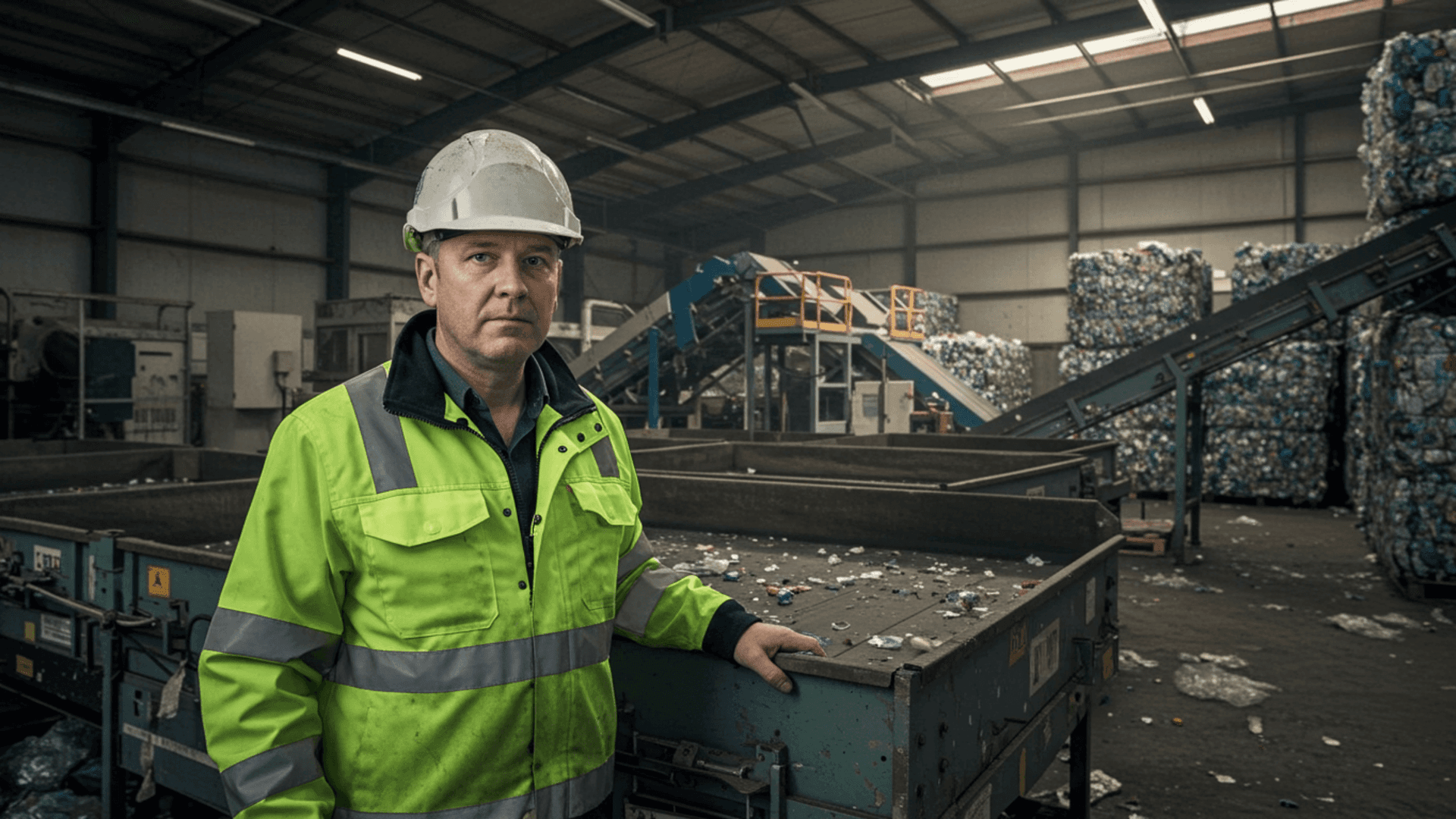
UK Plastic Recycling in Crisis as Major Plant Closures Expose Policy Failures
Biffa has announced the closure of its £27.5 million plastics recycling facility in Sunderland, a significant blow to the UK's domestic recycling capacity that comes just a year after Viridor shut down its cutting-edge Avonmouth plant. The back-to-back closures by two of the UK's largest waste management companies have exposed critical flaws in the nation's recycling strategy, with industry leaders warning that without urgent government intervention, more facilities will inevitably fail.
The core of the problem, according to the companies, is an economic and policy environment that undermines domestic plastic reprocessing. They argue that they invested millions in state-of-the-art infrastructure based on government promises of a circular economy that have not yet materialized, leaving them unable to compete in a distorted market.
A Tale of Two Closures: Biffa and Viridor
The shuttering of Biffa's Sunderland plant, operational for just three years, is a stark symbol of the current crisis. The facility was designed to process PET plastic, a common material used in bottles and food packaging, turning it back into high-quality raw materials for reuse. Similarly, Viridor's £317 million Avonmouth facility, which opened in 2021, was hailed as the UK's largest multi-polymer recycling plant, capable of processing a wide range of plastics.
These were not small or outdated operations. Both Biffa and Viridor are considered A-list players in the waste management sector. Their decisions to walk away from massive, modern investments send a clear signal to the market: even the most advanced and well-funded UK plastic recycling plants are not economically viable under current conditions.
The Flawed Economics of UK Recycling
Industry experts and the companies themselves point to two key policy areas that are failing to support domestic recycling: the Packaging Recovery Note (PRN) system and the Plastic Packaging Tax.
The PRN System's Export Bias
The Packaging Recovery Note (PRN) system is intended to fund recycling by requiring packaging producers to prove a certain amount of their material is recovered and recycled. They do this by purchasing PRNs from accredited recyclers or exporters.
However, critics argue the system creates a perverse incentive that favors exporting waste over processing it in the UK. It is often cheaper for producers to buy PRNs from companies that ship waste abroad to countries with lower labour and environmental standards, even if the ultimate fate of that plastic is uncertain. This practice floods the market with cheaper “recovery evidence,” depressing the value of recycled materials produced domestically and making UK-based plants uncompetitive.
As Biffa stated, “The effect of the PRN system on exports has a detrimental effect on the local value of recycled material.” In essence, they built a factory for a high-quality domestic product, but the market was being undercut by a system that rewards shipping the problem elsewhere.
A Plastic Packaging Tax Without Teeth
The UK Plastic Packaging Tax, introduced in April 2022, was designed to create demand for recycled plastic by taxing plastic packaging that contains less than 30% recycled content. The goal was to incentivize manufacturers to buy recycled pellets from facilities like the ones Biffa and Viridor operated.
However, the industry contends that the threshold is too low and the incentives too weak to generate the stable, high-volume demand needed to sustain major recycling infrastructure. Biffa has called for “progressive increases” to the recycled content requirement under the tax to effectively drive demand and create a reliable market for recycled plastic. Without a mandatory and escalating requirement to use recyclate, manufacturers can simply choose to pay the tax or make minor adjustments, leaving UK recyclers with an uncertain customer base.
A Strategy Promised but Not Delivered
Underpinning these specific policy failures is a broader lack of a coherent and long-term government strategy. Viridor has been vocal that until the government delivers on the comprehensive waste and recycling strategy it promised in 2018, private investment will continue to be at risk.
Investors like Biffa and Viridor made significant financial commitments based on the assumption that these policies would create a functioning circular economy. They built the plants for a system that has not been fully implemented. Timelines for key reforms, such as Extended Producer Responsibility (EPR) and consistent collection systems, have repeatedly slipped, creating a climate of uncertainty that is toxic to long-term investment.
The Inevitable Consequence: A Choice for the UK
The closures of the Sunderland and Avonmouth plants leave the UK in a precarious position. The country's capacity to process its own plastic waste has been significantly diminished, making it more reliant on the very options it claims to be moving away from: landfill, incineration, or export.
Industry leaders are issuing a stark ultimatum. Waiting for a “technical breakthrough” is not a viable strategy. If the UK government is serious about creating a circular economy and dealing with its own waste, it must act decisively. The choice is between backing its ambitious environmental goals with robust policy and funding or accepting that more UK recycling infrastructure will quietly die, leaving the nation to continue burning, burying, or exporting its plastic problem. Without mandated use of recycled materials, more closures are not just possible, but guaranteed.
