Zero-Emission Voyage: Hydrogen Cruise Ship Sets Sail in 2026!
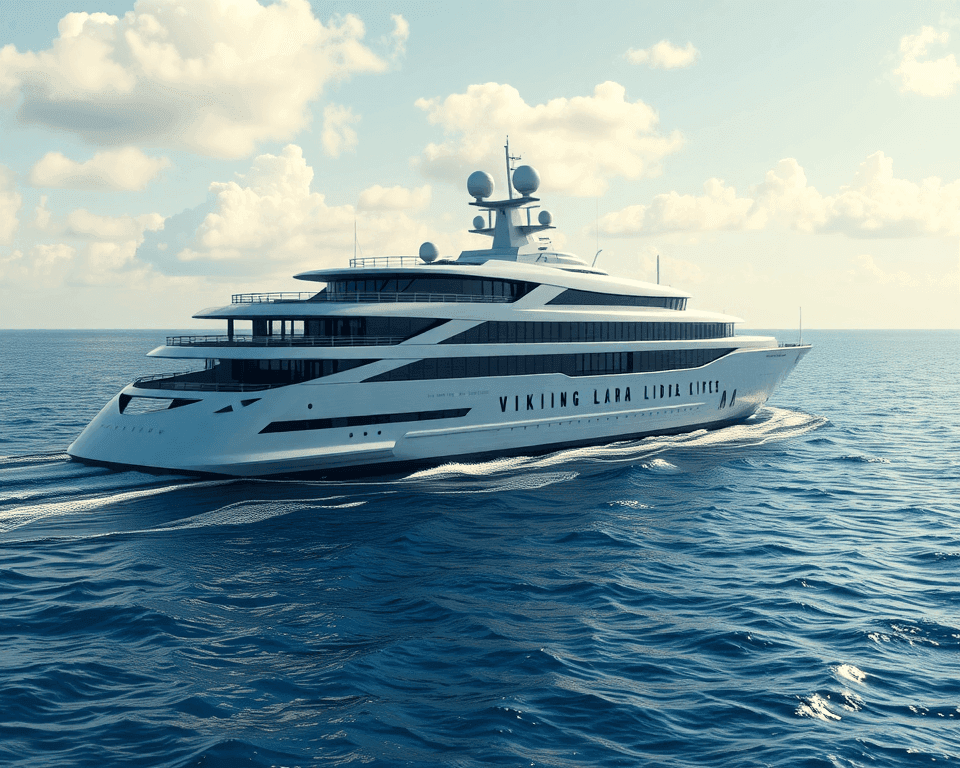
The future of cruising is taking a giant leap toward sustainability! In a groundbreaking move, the world's first hydrogen-powered cruise ship is set to launch in 2026, promising zero-emission operations and a new era of eco-friendly maritime travel. This innovative vessel, named “Viking Libra”, is currently under construction and is poised to revolutionize the cruise industry.
A New Dawn for Sustainable Cruising
The “Viking Libra,” a collaborative project between Viking Cruises and Italian shipbuilder Fincantieri, represents a significant commitment to reducing the environmental impact of the cruise industry. This ship is designed to navigate and operate with zero emissions, allowing it to access even the most environmentally sensitive areas without causing harm.
Key Highlights
- First of Its Kind: The Viking Libra will be the world's first cruise ship powered by hydrogen stored onboard for both propulsion and onboard electricity generation.
- Zero Emissions: The ship is designed to operate with zero emissions, making it an environmentally friendly option for travelers.
- Advanced Technology: It will feature a state-of-the-art hydrogen propulsion system combined with advanced fuel cell technology capable of producing up to six megawatts of power.
- Strategic Partnerships: Fincantieri's subsidiary, Isotta Fraschini Motori (IFM), specializing in advanced fuel cell technology, is providing tailor-made solutions for the Viking Libra.
- Innovative Hydrogen Storage: The vessel will feature first-of-a-kind solutions to load and store hydrogen directly onboard using a containerized system, overcoming supply chain constraints.
Viking Libra: A Closer Look
The Viking Libra is not just a concept; it's a vessel taking shape at Fincantieri's Ancona shipyard. Here's a detailed look at what we know so far:
Dimensions and Capacity
- Gross Tonnage: Approximately 54,300 tons
- Length: 239 meters
- Passenger Capacity: 998 guests
- Staterooms: 499
Sustainable Design and Technology
The Viking Libra is designed with sustainability at its core, incorporating several key features:
- Hydrogen Propulsion System: The ship's propulsion system is based partially on liquefied hydrogen and fuel cells, enabling zero-emission operations.
- PEM Fuel Cells: Hydrogen will power a polymer electrolyte membrane (PEM) fuel cell system optimized for cruise operations, designed and produced by IFM.
- Containerized Hydrogen Storage: An innovative containerized system will allow for direct onboard loading and storage of hydrogen, addressing supply chain challenges.
Viking Astrea: Following in Libra's Wake
Viking's commitment to hydrogen power doesn't stop with the Libra. The “Viking Astrea,” a subsequent ocean ship, is also under construction at the Ancona shipyard and is scheduled for delivery in 2027. It, too, will be hydrogen-powered, further solidifying Viking's position as a leader in sustainable cruising.
The Environmental Imperative: Why Hydrogen?
The cruise industry has faced increasing scrutiny for its environmental impact. Traditional cruise ships can generate significant pollution, including:
- Air Pollution: Cruise ships emit pollutants like sulfur oxides (SOx), nitrogen oxides (NOₓ), and particulate matter, contributing to air pollution and acid rain. Studies have shown that a single cruise ship's sulfur dioxide emissions can equal those of millions of cars per day.
- Greenhouse Gas Emissions: Cruise ships rely on fossil fuels, emitting substantial amounts of carbon dioxide (CO₂), a major contributor to global warming. A medium-sized cruise ship can emit greenhouse gases equivalent to thousands of cars.
- Water Pollution: Cruise ships can generate and discharge wastewater and sewage, harming marine life and ecosystems.
Hydrogen power offers a clean alternative, addressing these environmental concerns:
- Zero CO₂ Emissions: When hydrogen is used in a fuel cell, the only byproduct is water, eliminating CO₂ emissions.
- Reduced Air Pollution: Hydrogen fuel cells produce minimal air pollutants, significantly improving air quality.
Challenges and Solutions
While hydrogen power holds immense promise, there are challenges to overcome:
- Hydrogen Production: Producing “green” hydrogen, which is derived from renewable sources, is essential to ensure the sustainability of the entire process.
- Hydrogen Storage: Storing hydrogen onboard requires innovative solutions due to its low density. The Viking Libra's containerized system is a key step in addressing this challenge.
- Fuel Cell Technology: Scaling up fuel cell technology to meet the power demands of large cruise ships is an ongoing effort.
Industry Impact and the Future of Cruising
The introduction of the Viking Libra is expected to have a ripple effect throughout the cruise industry:
- Setting a New Standard: The Viking Libra sets a new benchmark for sustainability, inspiring other cruise lines to invest in cleaner technologies.
- Driving Innovation: The project fosters innovation in hydrogen production, storage, and fuel cell technology, benefiting the broader maritime industry.
- Meeting Consumer Demand: As awareness of environmental issues grows, more travelers are seeking eco-friendly travel options. Hydrogen-powered cruise ships can meet this demand.
- Compliance: As environmental regulations are tightened, hydrogen powered ships will help meet these standards.
Quotes
- Torstein Hagen, Chairman and CEO of Viking: “From the outset, we have designed our river and ocean ships thoughtfully to reduce their fuel consumption, and we are very proud that the Viking Libra and the Viking Astrea will be even more environmentally friendly. Viking made the principled decision to invest in hydrogen, which offers a true zero-emission solution. We look forward to welcoming the world's first hydrogen-powered cruise ship to our fleet in 2026.”
- Pierroberto Folgiero, CEO and Managing Director of Fincantieri: “With the Viking Libra, we are not only delivering the world's first cruise ship powered by hydrogen stored on board, but we are also reinforcing our commitment to shaping the future of sustainable maritime transportation. This milestone marks a defining moment in our journey towards net-zero, fully aligned with our Business Plan, and underscores Fincantieri's role as a catalyst for the industry's green transition.”
The Dawn of a Greener Voyage
The Viking Libra represents a bold step towards a more sustainable future for the cruise industry. As it sets sail in 2026, it will not only offer passengers a unique and luxurious travel experience but also demonstrate the potential of hydrogen power to revolutionize maritime transportation and protect our planet's precious marine ecosystems. This is more than just a cruise; it's a voyage towards a greener tomorrow.
