
Optimizing Burner Performance with Flue Gas Desulfurization (FGD) Systems
In industrial sectors like chemical processing, oil and gas, and industrial heating, the integration of Flue Gas Desulfurization (FGD) systems is critical for environmental compliance and sustainability. However, introducing FGD systems, while vital for reducing sulfur dioxide (SO₂) emissions, can significantly impact the performance and efficiency of industrial burners and fired heaters. Optimizing burner performance in the presence of FGD is not merely about meeting regulatory standards; it's about maintaining operational efficiency, ensuring safety, and achieving cost savings. This article delves into the challenges and strategies for achieving optimal burner performance when paired with FGD systems.
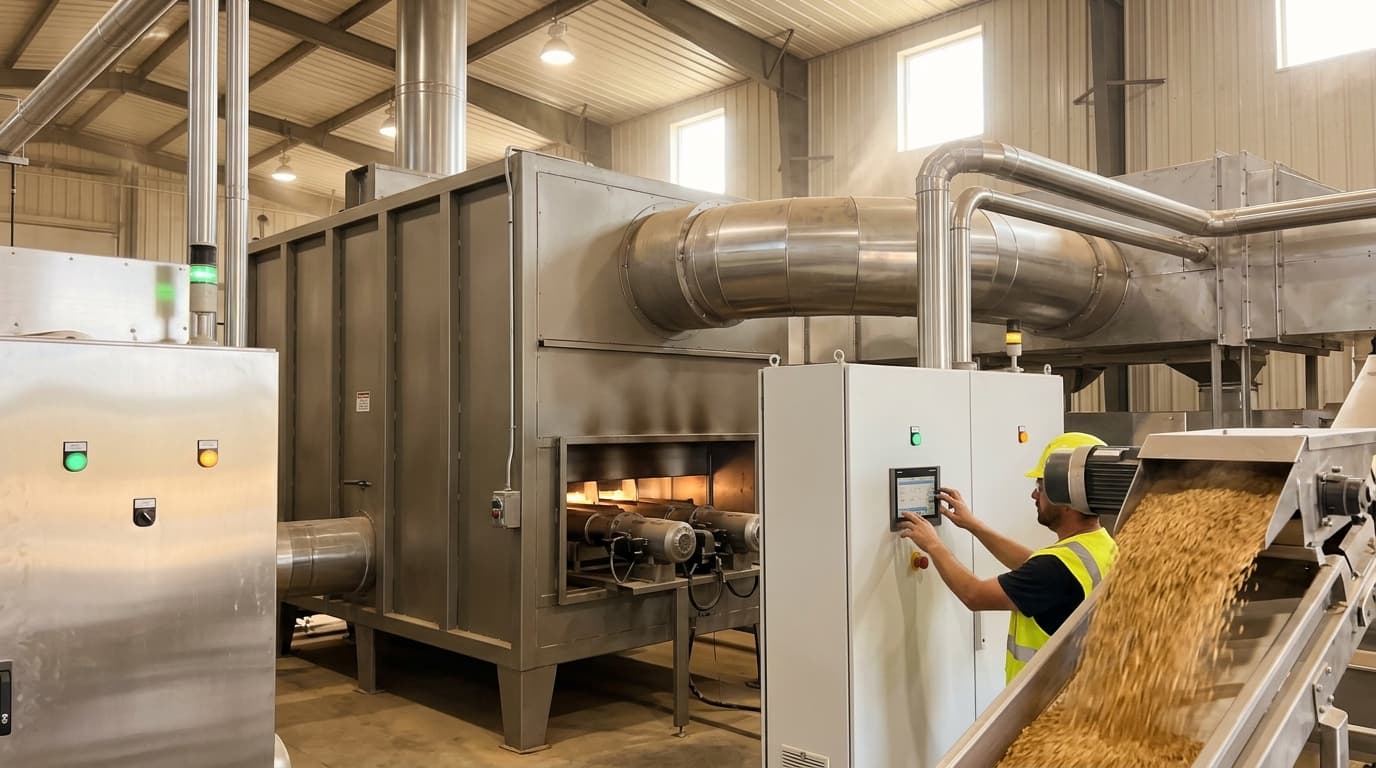
Direct and indirect-fired process heating systems for grain drying, baking, textile finishing, metal treatment, and industrial thermal processes.
Understanding Flue Gas Desulfurization (FGD) Systems
Flue Gas Desulfurization (FGD) technology is an essential set of methods designed to remove harmful pollutants, particularly sulfur dioxide (SO₂), from flue gases generated during combustion processes in industrial facilities such as power plants, smelters, and cement plants. The primary goal of FGD is to combat air pollution, improve air quality, and mitigate severe environmental and health risks associated with SO₂ emissions, including acid rain and respiratory problems.
FGD systems typically work by bringing SO₂-laden flue gas into contact with a reactive substance (sorbent), often a limestone slurry, which captures or converts the SO₂. This process results in the formation of calcium sulfate as a byproduct. While highly effective, these systems consume significant auxiliary power (roughly 1-2% of a power plant's gross output) and can involve costly waste disposal and substantial water usage for wet scrubbers.
The Impact of FGD Systems on Burner Operation and Efficiency
The integration of FGD systems introduces several operational challenges that can affect burner performance and overall fired heater efficiency.
Increased Back Pressure and Fan Load
FGD systems, particularly wet scrubbers, add significant resistance to the flue gas path, increasing the back pressure on the combustion system. This requires more powerful fans or an increased number of fans, leading to higher auxiliary power consumption and potential complexities in fan control.
Flue Gas Temperature Changes
FGD processes often involve cooling the flue gas to optimize SO₂ absorption. The subsequent lower flue gas temperatures can impact stack draft and may necessitate flue gas reheating, which is an expensive and ongoing operational cost. Some systems opt for a “no reheat” or “wet-stack” design, which introduces challenges related to acidic water droplet collection and corrosion within the stack.
Potential for Air Ingress
Pressure differentials created by FGD systems can increase the risk of air ingress into the ductwork, leading to higher excess air levels. While sufficient air is necessary for complete combustion, excessive air can reduce heater efficiency by carrying away valuable heat and increasing fuel consumption.
Corrosion Risks
The presence of sulfur in fuel imposes serious constraints on the extent to which heat can be extracted from stack gases. When flue gas temperatures drop below the acid dew point, particularly in systems utilizing air preheaters, there is a significant risk of corrosion and leakage, affecting heat transfer efficiency and potentially leading to system shutdowns.
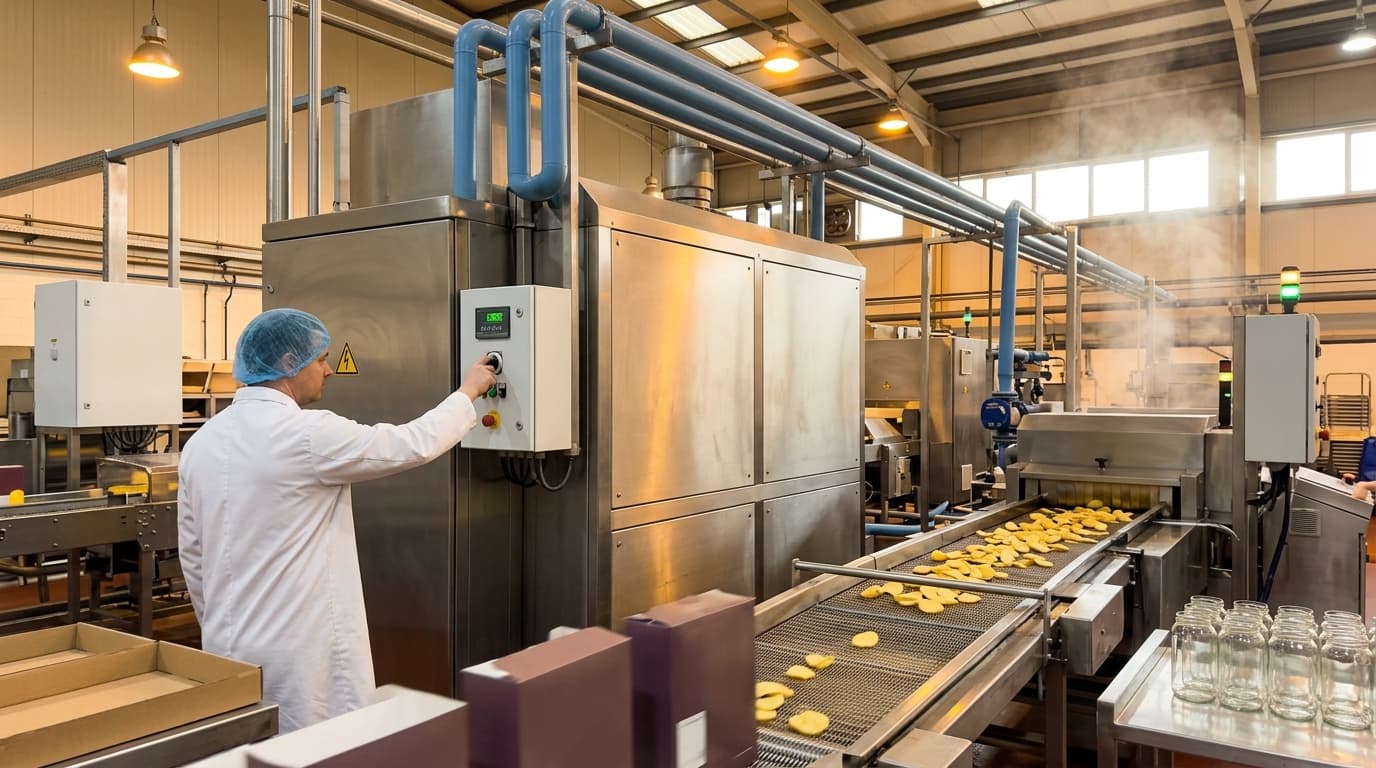
Reliable process heat generation from 100kW to 10MW+ — gas, oil, or biomass-fired, with precise temperature control and high turndown ratios.
Strategies for Optimizing Burner Performance with FGD
To counteract these challenges and maintain high efficiency, several strategies can be employed for optimizing burner performance in systems equipped with FGD.
Advanced Burner Design Considerations
Modern burner designs are crucial for efficient operation alongside FGD systems.
- Low NOₓ Burners: Dry low NOₓ (DLN) and ultra-low NOₓ (ULN) burners are specifically designed to minimize nitrogen oxide (NOₓ) emissions during combustion. These burners optimize the combustion process by precisely controlling the fuel and air mixture, promoting stable flames, and reducing flame temperatures. This can enhance energy efficiency, lower fuel consumption, and improve process reliability.
- Fuel Flexibility: Burners capable of handling a wide variety of fuels (e.g., natural gas, biomass gas, pre-vaporized liquid fuels) offer greater operational adaptability, especially when fuel composition may vary. Fuel-flexible burners can maintain stable flames and reduce CO₂ emissions, supporting the transition to more sustainable energy sources.
- Burner Management Systems (BMS): Advanced BMS are essential for safe start-up, operation, and shutdown, accurately monitoring and controlling fuel and air flow.
Combustion Air Preheating
Recovering waste heat from exhaust gases to preheat combustion air is a highly effective method to boost fuel efficiency.
- Economizers and Air Preheaters: Installing economizers and air preheaters can recover significant waste heat from flue gases, leading to fuel savings of 5% or more. Air preheaters can increase boiler efficiency, accelerate combustion, and even allow for the use of lower-grade fuels.
- Considerations: When integrating air preheaters, factors such as the potential for increased NOₓ emissions and corrosion due to acid dew points must be managed through thoughtful design and material selection.
Advanced Control Systems
Implementing sophisticated control systems is vital for optimizing burner performance with FGD.
- Oxygen Trim Controls: These systems continuously monitor oxygen levels in the flue gas and adjust combustion air supply to maintain optimal air-fuel ratios, minimizing excess air and maximizing combustion efficiency. This reduces energy costs and emissions.
- Burner Management and Combustion Management Systems: High-tech control systems monitor and adjust every step of the combustion process, integrating burner control units (BCUs) to ensure safe and efficient operation. These systems can reduce unplanned downtime, optimize fuel use, and decrease emissions.
- Real-Time Monitoring and Analytics: Deploying real-time monitoring and analytics tools allows for continuous tracking of key performance indicators, prompt identification of anomalies, and optimization opportunities.
Fan and Draft Control
Effective management of induced draft (ID) and forced draft (FD) fans is crucial.
- Optimized Draft Control: Precisely controlling the draft within the fired heater helps reduce fuel consumption and NOₓ emissions by minimizing excess oxygen in the flue gases. However, care must be taken to provide sufficient air for complete combustion and stable flame shape.
- Variable Speed Drives: Using variable speed drives on fans can provide fine control over airflow, adapting to varying load conditions and minimizing energy consumption.
Fuel Quality and Firing Strategies
- Consistent Fuel Quality: Maintaining consistent fuel quality helps in achieving stable combustion and predictable emissions.
- Staged Combustion: This technique involves introducing fuel and air in stages to create fuel-rich and fuel-lean zones, which can help reduce NOₓ formation.
- Flue Gas Recirculation (FGR): Reintroducing a portion of the flue gases into the combustion chamber can lower flame temperatures, thereby suppressing the formation of thermal NOₓ.
Benefits of Optimization
Optimizing burner performance in conjunction with FGD systems yields numerous benefits:
- Enhanced Energy Efficiency: By reducing excess air, recovering waste heat, and maintaining stable combustion, overall energy consumption and operational costs are lowered.
- Reduced Emissions: Beyond SO₂ removal by FGD, optimized burners, especially low NOₓ types, further reduce harmful emissions, including NOₓ and carbon monoxide, contributing to better air quality and environmental compliance.
- Improved Operational Reliability and Safety: Stable combustion, precise control, and proactive maintenance reduce the risk of flame instability, shutdowns, and safety incidents.
- Extended Equipment Lifespan: Minimizing corrosion, coking, and thermal stress on components can extend the service life of burners, heaters, and associated equipment.
Conclusion
The integration of Flue Gas Desulfurization systems is a non-negotiable aspect of modern industrial operations focused on environmental stewardship. While FGD systems present challenges to burner performance, these can be effectively mitigated through a comprehensive optimization strategy. By investing in advanced burner designs, implementing robust control systems, harnessing waste heat recovery, and maintaining vigilant monitoring, industries can achieve a harmonious balance between stringent environmental compliance and peak operational efficiency, securing both ecological responsibility and economic viability.
