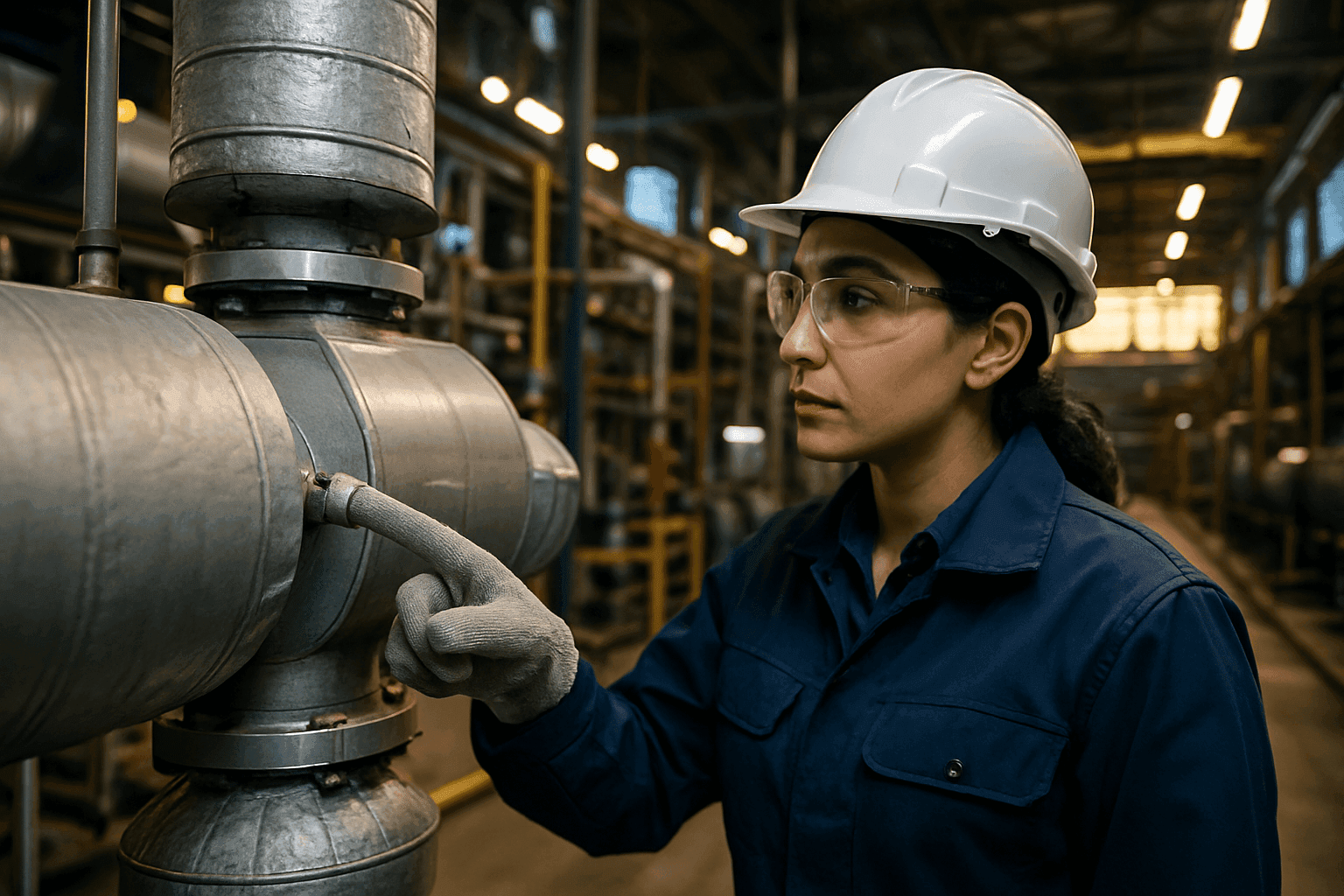
Overcoming the Heat Barrier: Key Challenges in Flue Gas Heat Recovery for Industrial Facilities
In an era demanding greater energy efficiency and reduced emissions, industrial facilities are increasingly turning to flue gas heat recovery (FGHR) as a critical strategy. By capturing and repurposing the vast thermal energy typically lost through exhaust stacks, companies can significantly cut fuel consumption, lower operational costs, and reduce their environmental footprint. However, implementing FGHR systems, particularly in the complex environments of industrial manufacturing and power generation, is fraught with a range of technical, operational, and economic challenges that require meticulous engineering and strategic planning.
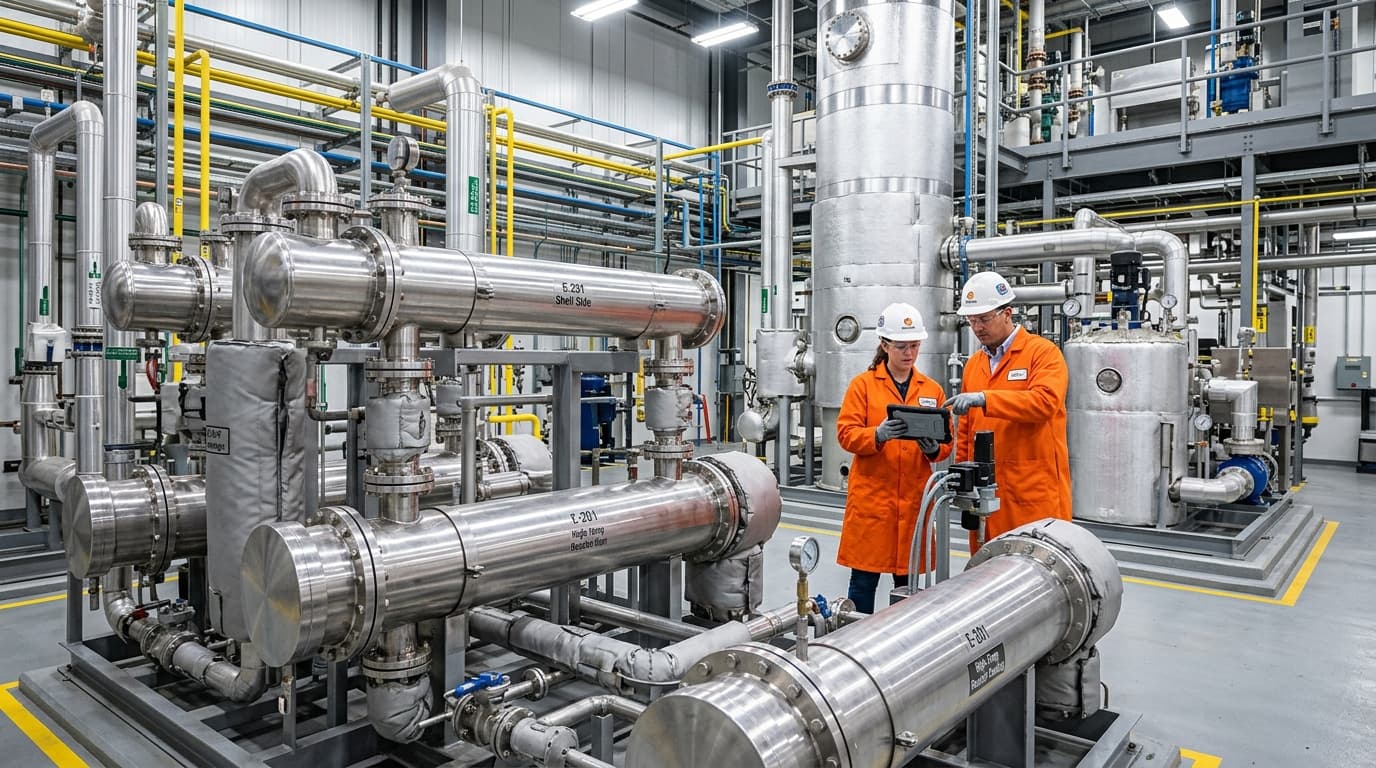
Recover waste heat and cut fuel costs with shell & tube or air-to-air exchangers engineered for continuous industrial duty.
Technical Hurdles in Flue Gas Heat Recovery Systems
The very nature of industrial flue gases and the high temperatures involved present significant technical obstacles that demand innovative solutions.
Corrosion: The Acid Dew Point Dilemma
One of the most prevalent and destructive challenges is corrosion, particularly acid dew point corrosion. Flue gases, especially from fuels containing sulfur (such as coal, oil, and some biomass), contain corrosive elements like sulfur dioxide (SO₂) and sulfur trioxide (SO₃). When these gases cool below a certain temperature, known as the acid dew point, sulfuric acid (H₂SO₄) can condense. This highly corrosive liquid can rapidly degrade heat exchanger surfaces and other equipment, leading to costly damage, frequent downtime, and reduced system longevity. Even hydrochloric acid (HCl) can form in some flue gas compositions. Maintaining flue gas temperatures safely above the acid dew point, or using highly resistant materials, is crucial to prevent this issue.
Fouling and Particulate Accumulation
Industrial flue gases often carry high levels of dust, particulates, and sticky components. These can accumulate on heat exchanger surfaces, leading to fouling, which significantly reduces heat transfer efficiency and can eventually clog the system. This not only impacts performance but also necessitates frequent and often complex cleaning operations, adding to maintenance costs and operational disruptions. Advanced self-cleaning designs are frequently required to mitigate this challenge.
High-Temperature Material Selection and Design
Many industrial processes generate flue gases at extremely high temperatures, sometimes ranging from 500°C to over 900°C. Designing heat exchangers to operate effectively and reliably under such conditions is a complex task. Traditional materials like steel, copper, and aluminum lose their thermo-mechanical properties at elevated temperatures, leading to issues like creep (gradual deformation under stress), reduced mechanical strength, oxidation, and thermal shock. Selecting appropriate materials, such as specialized alloys or ceramics, that can withstand these extreme conditions, often with corrosive elements, is a major challenge that significantly impacts cost and manufacturability. Furthermore, heat transfer calculations become more complex as radiation plays a more prominent role at higher temperatures.
Pressure Drop and System Integration
Integrating heat recovery equipment can introduce additional pressure drop in the flue gas path, which requires larger fans or blowers, increasing energy consumption and operating costs. Optimizing the design to minimize pressure drop while maximizing heat transfer is a delicate balance. Moreover, the selection of appropriate coolants at high temperatures poses a challenge; steam can lead to extreme pressures, requiring alternative media like gases, liquid metals, or molten salts.
Operational Complexities
Beyond the technical design, the day-to-day operation and integration of FGHR systems within existing industrial facilities present their own set of difficulties.
Variability of Waste Heat Streams
Industrial processes are often dynamic, characterized by fluctuating load conditions or batch operations. This means the temperature, flow rate, and composition of flue gases can vary significantly over time. Designing an FGHR system that can efficiently and reliably adapt to these variable waste heat streams without compromising overall process stability or heat recovery efficiency is a substantial operational challenge.
Space and Layout Constraints
Many industrial facilities, particularly older ones, were not designed with waste heat recovery in mind. Integrating large heat exchangers, ductwork, piping, and associated controls into existing, often confined, spaces can be extremely challenging. This often necessitates creative and compact designs, and in some cases, may even require modifications or relocation of existing equipment, adding to the complexity and cost of installation.
Maintenance and Monitoring Demands
To counter fouling and corrosion, FGHR systems often require specialized maintenance routines and continuous monitoring. This includes regular cleaning (sometimes continuous online cleaning systems) and vigilant tracking of flue gas parameters like temperature and composition to prevent excursions below the acid dew point. Such maintenance demands specialized expertise and can contribute significantly to the overall operational expenditure.
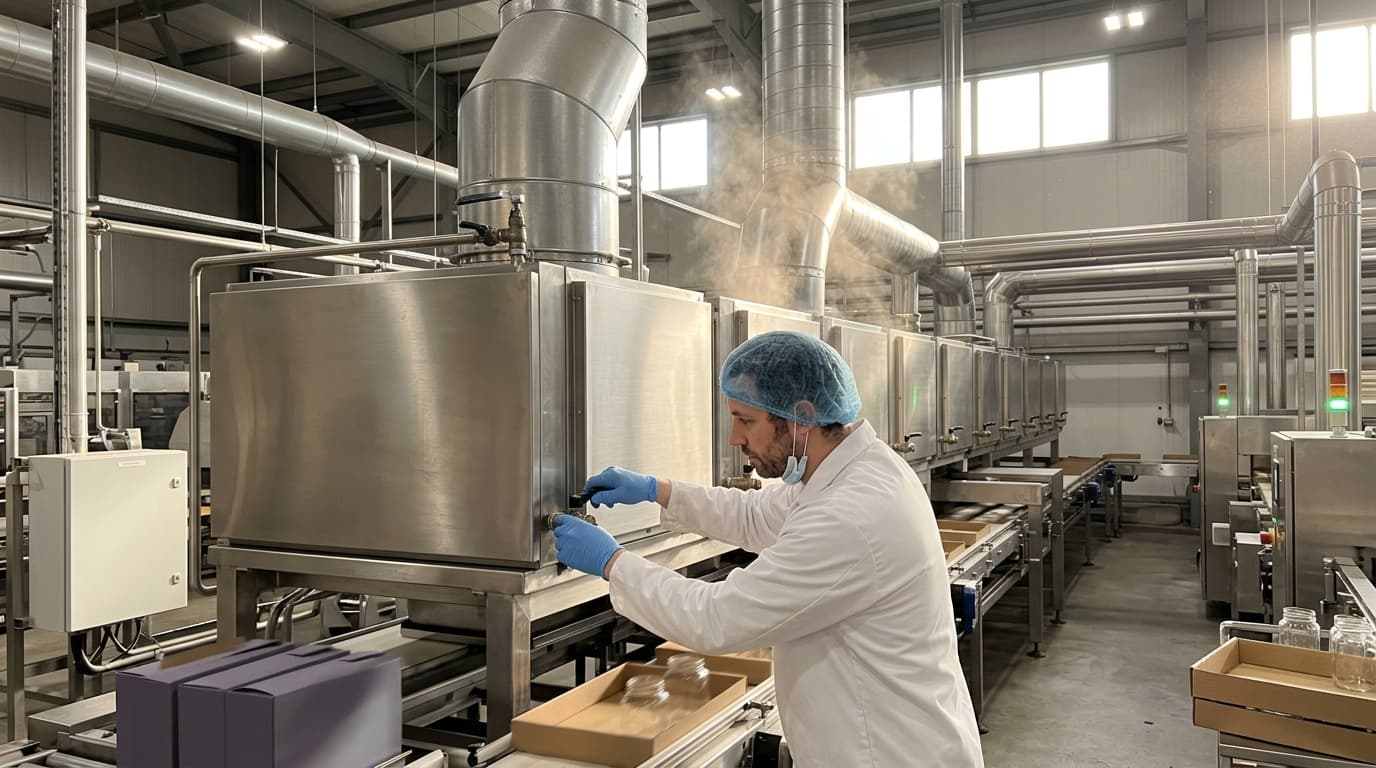
Our ThermStack and EcoStream heat exchanger ranges deliver measurable energy savings across chemical, food, pharma, and power generation processes.
Economic and Financial Impediments
Despite the long-term benefits, the initial investment and economic justification for FGHR systems can be a significant barrier.
High Initial Investment Costs
The upfront capital expenditure for designing, manufacturing, and installing robust FGHR systems, especially those using specialized materials for high-temperature or corrosive environments, can be substantial. This high initial cost can deter companies, particularly smaller ones, from investing in these technologies, even when the long-term energy savings are promising.
Return on Investment (ROI) and Payback Periods
While FGHR offers significant energy savings, the payback period for these investments can sometimes be long, especially if fuel prices are low or the scale of energy savings is modest. Companies often evaluate investments based on relatively short payback periods, and FGHR projects may not always align with these internal financial metrics, making them less attractive compared to other capital investments. The fact that recovered heat may not be utilized 100% of the time can also make project justification more difficult.
Operating and Ongoing Costs
Beyond the initial investment, the operational costs, including specialized maintenance, cleaning systems, and the potential need for expensive replacement parts (due to wear from fouling or corrosion), can also be a significant factor. While FGHR systems reduce fuel costs, these ongoing operational expenses must be carefully considered in the overall economic analysis.
Conclusion
Implementing flue gas heat recovery in industrial facilities presents a multifaceted challenge, encompassing technical complexities related to materials, corrosion, and fouling; operational difficulties concerning space, variability, and maintenance; and significant economic considerations regarding upfront costs and payback periods. Overcoming these hurdles requires a holistic approach, combining advanced chemical and mechanical engineering expertise, innovative heat exchanger designs, careful material selection, and a thorough techno-economic analysis. Despite these challenges, the imperative for energy efficiency and environmental sustainability continues to drive research and development, making flue gas heat recovery an indispensable component of modern industrial operations.
