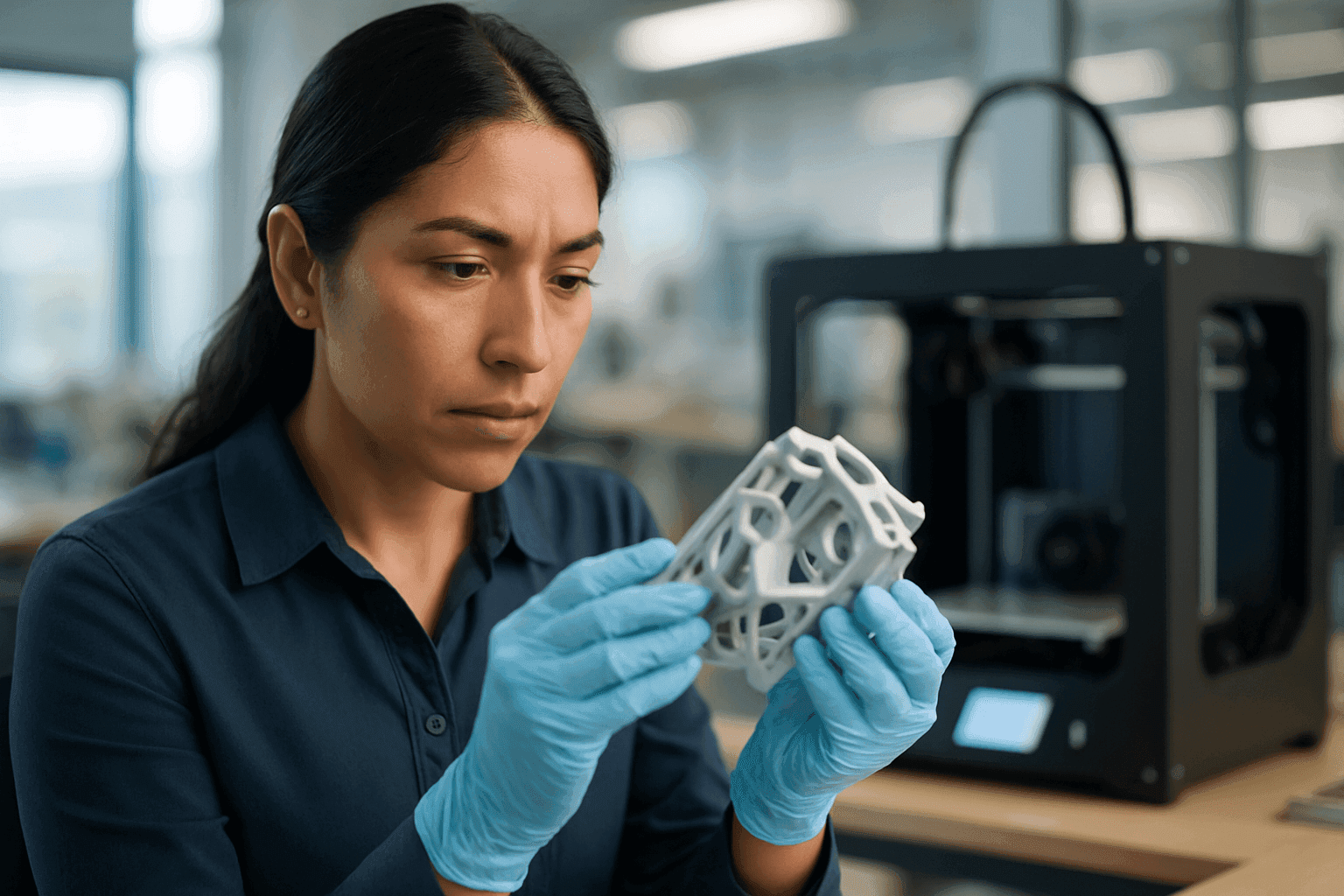
Accelerating Innovation: The Power of Rapid Prototyping in Engineering Product Development
In the fast-paced world of industrial manufacturing and engineering design, the ability to quickly transform an idea into a tangible product is paramount. This is where rapid prototyping emerges as a game-changer, acting as a crucial bridge between digital concepts and physical realities. Far more than just creating a model, rapid prototyping is a dynamic approach that allows engineers and designers to swiftly iterate, test, and refine product designs, significantly accelerating the product development lifecycle and ensuring a more robust, market-ready final product.
What is Rapid Prototyping in Engineering?
Rapid prototyping (RP) encompasses a suite of advanced manufacturing techniques used to quickly fabricate a physical part or assembly directly from three-dimensional (3D) computer-aided design (CAD) data. Unlike traditional manufacturing methods that can be slow and expensive for initial concepts, RP focuses on speed and efficiency, enabling the rapid creation of prototypes for visualization, testing, and validation. This process allows for multiple design iterations, leading to continuous improvement and refinement before committing to full-scale production.
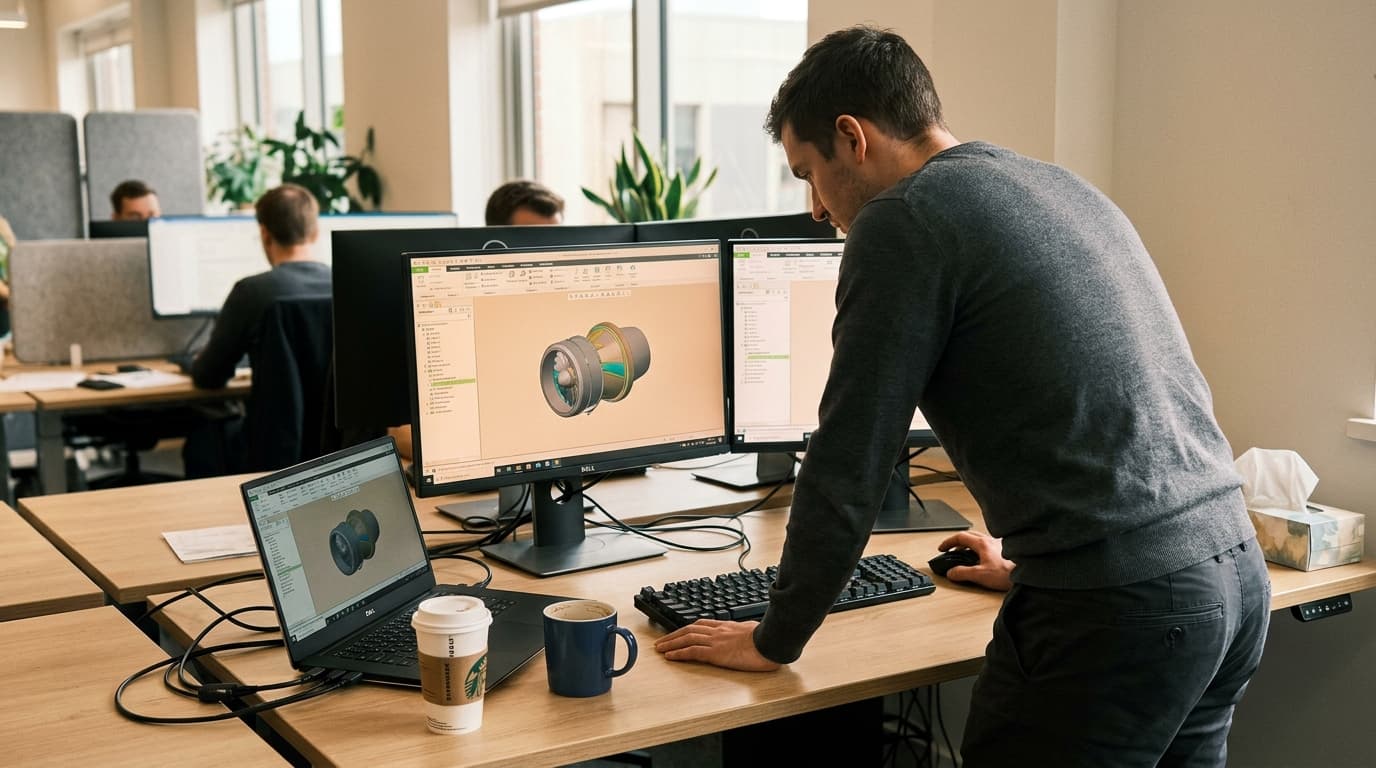
From initial concept sketching to functional prototypes — we bridge the gap between idea and production-ready design using 3D CAD, FEA, and rapid prototyping.
Key Benefits of Rapid Prototyping in Product Development
The adoption of rapid prototyping offers a multitude of advantages that profoundly impact engineering product development:
Reduced Time-to-Market
One of the most significant benefits is the drastic reduction in the product development cycle. By quickly creating and testing prototypes, companies can identify and resolve design flaws much earlier, preventing costly delays and bringing products to market faster than ever before.
Cost Efficiency and Risk Mitigation
Rapid prototyping helps minimize overall product development costs by allowing engineers to identify and fix potential issues in the design process before moving to expensive tooling and mass production. This early problem identification reduces the risk of costly design revisions and manufacturing errors down the line.
Enhanced Design Validation and Testing
Physical prototypes allow for thorough testing of form, fit, and function, providing insights that are impossible to gain from digital models alone. Engineers can evaluate ergonomics, aesthetics, and user interaction, ensuring the product performs as intended and meets user requirements. This includes functional testing of mechanical properties, electronic system stability, and even environmental testing under various conditions.
Improved Collaboration and Communication
Rapid prototyping facilitates better communication among design teams, stakeholders, and clients. A tangible prototype serves as a clear visual aid, fostering a shared understanding of the product and enabling more effective feedback collection and integration throughout the design stages.
Greater Design Flexibility and Iteration
The iterative nature of rapid prototyping allows for quick adjustments and refinements based on feedback. Designers can explore multiple solutions and make changes often within hours or days, leading to a more optimized and user-centric final product.
Common Rapid Prototyping Methods in Engineering
A variety of rapid prototyping technologies are available, each suited for different materials, complexities, and stages of development:
3D Printing (Additive Manufacturing)
3D printing is a cornerstone of rapid prototyping, building objects layer by layer from a 3D digital design. It offers significant design freedom, enabling the creation of complex geometries, hollow parts, and intricate internal structures that would be difficult or impossible with traditional methods. Common 3D printing techniques include:
- Fused Deposition Modeling (FDM): Uses thermoplastic filaments, known for its versatility and cost-effectiveness for basic prototypes.
- Stereolithography (SLA): Employs UV lasers to cure liquid photosensitive resins, providing high precision and excellent surface finish for detailed models.
- Selective Laser Sintering (SLS): Uses lasers to fuse powdered materials (like nylon or metal), ideal for complex geometries without the need for support structures, yielding parts with good mechanical characteristics.
- Direct Metal Laser Sintering (DMLS) / Selective Laser Melting (SLM): Utilizes lasers to melt metal powders, suitable for robust metal prototypes and functional parts.
- Multi Jet Fusion (MJF) & PolyJet: Advanced technologies offering detailed and multi-material capabilities.
CNC Machining
Computer Numerical Control (CNC) machining is a subtractive rapid prototyping method that uses computer-controlled tools to remove material from a solid block. It's valued for its high precision, material versatility (metals, plastics, composites), and ability to produce accurate, functional prototypes, jigs, and fixtures.
Vacuum Casting
Also known as urethane casting, this method is used for producing high-quality prototypes and small batches of parts using silicone molds and liquid resins. It's often chosen for prototypes that require specific material properties or surface finishes, similar to injection molded parts.
The Rapid Prototyping Process: A Step-by-Step Guide
While specific steps can vary, the rapid prototyping process generally follows a structured approach:
- Digital Design Creation (CAD Modeling): The process begins with creating a 3D model of the part or product using computer-aided design (CAD) software. Engineers define every feature, dimension, and detail.
- Model Conversion to STL Format: The 3D CAD model is typically converted into an STL (Stereolithography) file format. This format simplifies the geometry into a series of triangles, making it readable for additive manufacturing machines.
- Data Preparation and Slicing: The STL file is then processed by specialized software, which slices the 3D model into thin layers. This prepares the data for the chosen rapid prototyping technology, defining the build path for each layer.
- Prototype Fabrication: The rapid prototyping machine (e.g., 3D printer, CNC machine) constructs the prototype layer by layer (additive) or by removing material (subtractive), according to the sliced data.
- Post-Processing: After fabrication, the prototype undergoes post-processing, which may include removing support structures, cleaning, curing (for resin-based prints), surface treatments, or finishing to achieve the desired appearance and strength.
- Physical Testing and Evaluation: The finished prototype is rigorously tested for its fit, form, functionality, user interaction, and manufacturability. This critical step helps identify any design or production issues early.
- Iteration and Refinement: Based on the testing feedback, the design is refined, and adjustments are made. This iterative cycle of prototyping, testing, and refining continues until the final design meets all requirements.
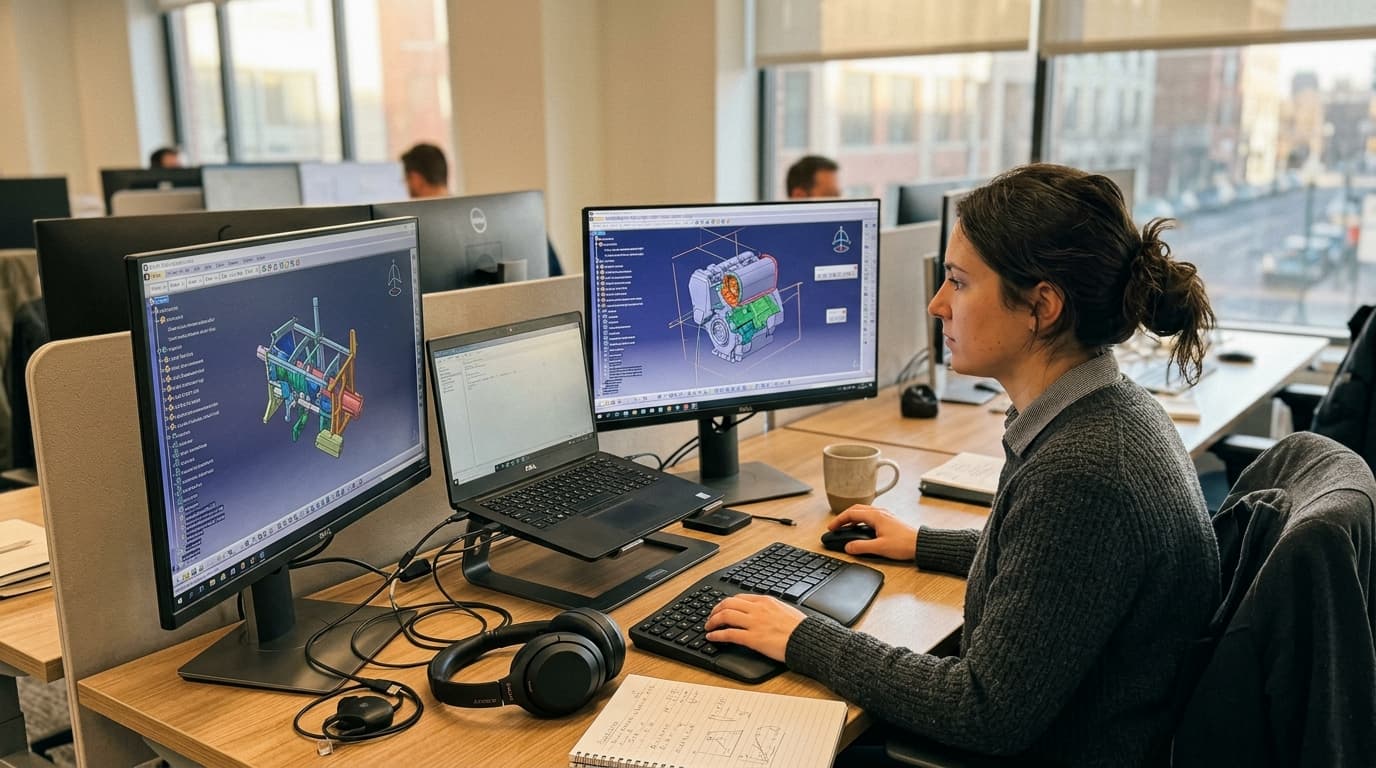
From initial concept sketching to functional prototypes — we bridge the gap between idea and production-ready design using 3D CAD, FEA, and rapid prototyping.
Applications of Rapid Prototyping in Industrial Manufacturing and Engineering
Rapid prototyping has permeated numerous industries, revolutionizing product development:
- Automotive Industry: Used for design validation, iterative optimization of components (e.g., engine parts, chassis structures), functional testing, and even creating customized or small-batch parts. It helps verify appearance, assembly adaptability, and ergonomics.
- Aerospace and Defense: Critical for creating new additive manufacturing methodologies, lightweight components, and complex designs. It allows for quick creation and testing of multiple versions of projects.
- Medical Devices and Healthcare: Rapid prototyping is extensively used for surgery planning, diagnosis, training, and the design and manufacture of custom implants and prosthetics.
- Consumer Goods and Electronics: Accelerates the development of new products by allowing designers to test aesthetics, ergonomics, and functionality, from micro-assemblies to full product housings.
- Mechanical Engineering: Essential for forming and fitting large mechanical models, analyzing stress concentration points, and visualizing internal flow dynamics using transparent parts. Functional prototypes serve as proof-of-concept and visualization tools.
- Tooling and Jigs: Rapid prototyping can produce specialized tooling, jigs, and fixtures, saving time and cost compared to traditional methods, especially for injection molding tools.
Challenges and Future Trends in Rapid Prototyping
Despite its widespread adoption, rapid prototyping faces certain challenges. These include the high cost of some advanced materials, ensuring synchronization between prototype and production materials, and the need for highly skilled talent. The market is continuously evolving, with trends indicating an increasing demand for rapid prototyping materials, particularly in regions like Asia Pacific due to growth in the automotive industry.
Future trends point towards:
- Advanced Materials: Ongoing development in materials will expand the capabilities and applications of rapid prototyping, including multi-material 3D printing.
- Integration with AI and Machine Learning: AI is beginning to reshape prototyping by automating repetitive tasks and providing data-driven design recommendations, potentially cutting creation time and engineering waste.
- Increased Automation: Further automation in the prototyping workflow will enhance speed and efficiency.
- Broader Adoption of Hybrid Processes: Combining additive and subtractive methods to leverage the strengths of each.
Conclusion
Rapid prototyping has firmly established itself as an indispensable tool in engineering product development. By enabling the quick and cost-effective creation, testing, and iteration of physical models, it empowers engineers to refine designs, validate functionality, mitigate risks, and dramatically accelerate the journey from concept to market-ready product. As technologies continue to advance, rapid prototyping will undoubtedly play an even more critical role in shaping the future of industrial manufacturing and innovation.
