Capturing Energy Usage Patterns: Automating Utility Monitoring for a Snack Production Facility
Project Overview
A leading European food snack manufacturer with a production facility in south-east England required a comprehensive energy monitoring solution to address a lack of granular consumption data across its frying and ancillary production lines. The facility, which processes large volumes of snacks, relied on historical metering methods that provided insufficient detail for modern energy management strategies. The client engaged EnerTherm Engineering to design, supply, install, and commission an automated system capable of tracking electricity, natural gas, water, and top-up oil consumption in real-time.
The requirement was clear: to move from manual or aggregated utility tracking to a high-resolution data collection system that could inform site-wide efficiency improvements. This necessitated a bespoke engineering solution involving hardware installation, control system integration, and software development to bridge the gap between field instrumentation and the client’s existing corporate IT and cloud-based analytics platforms.
Design and Hardware Architecture
The primary challenge for the engineering team was the physical scale and distribution of the equipment. The site required a robust, distributed Programmable Logic Controller (PLC) architecture to manage data collection across 5 distinct production lines. The final system comprises 3 primary control panels, designated ENC01, ENC02, and ENC03, which function as the central hubs for all site-wide energy data.
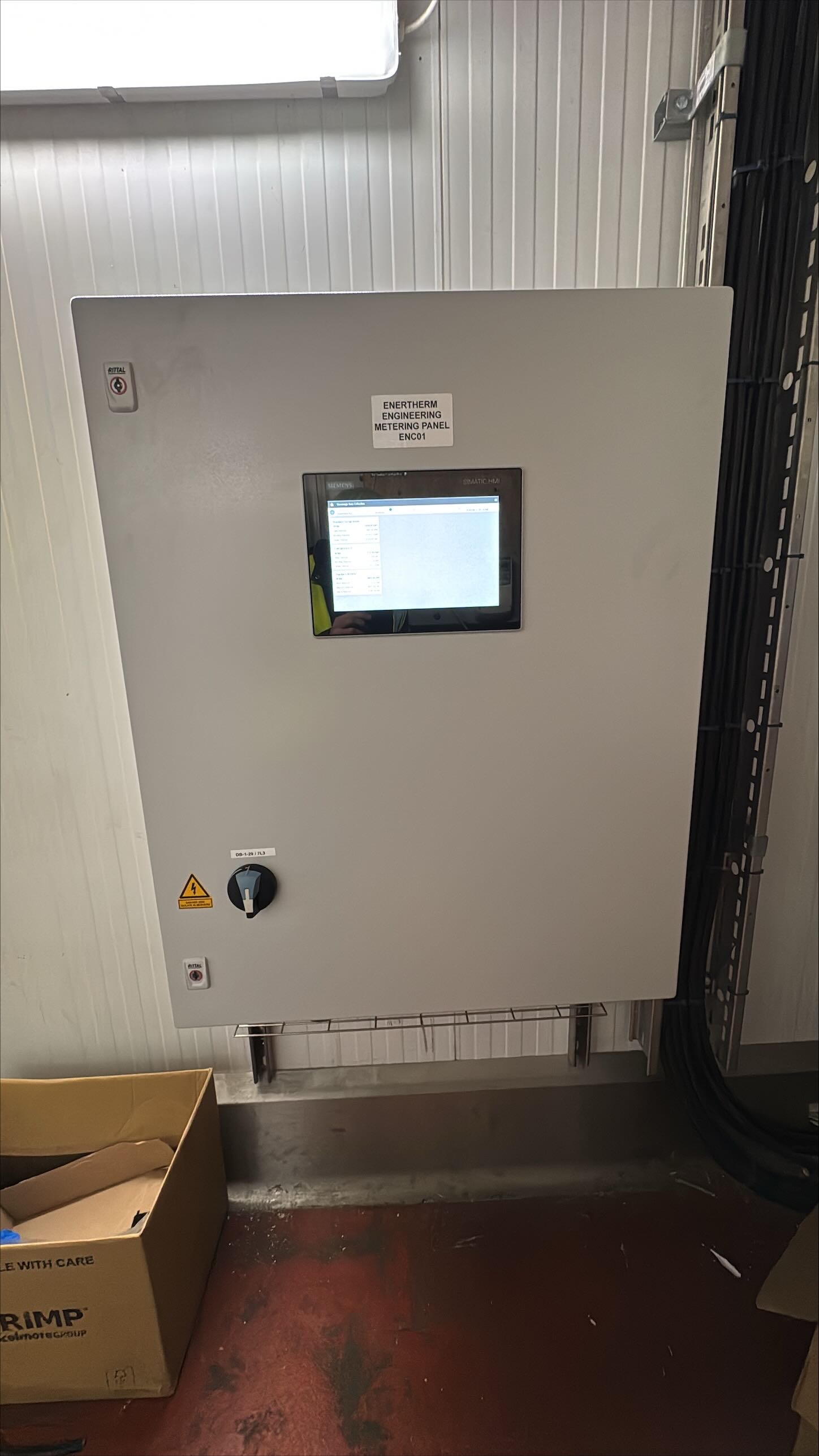
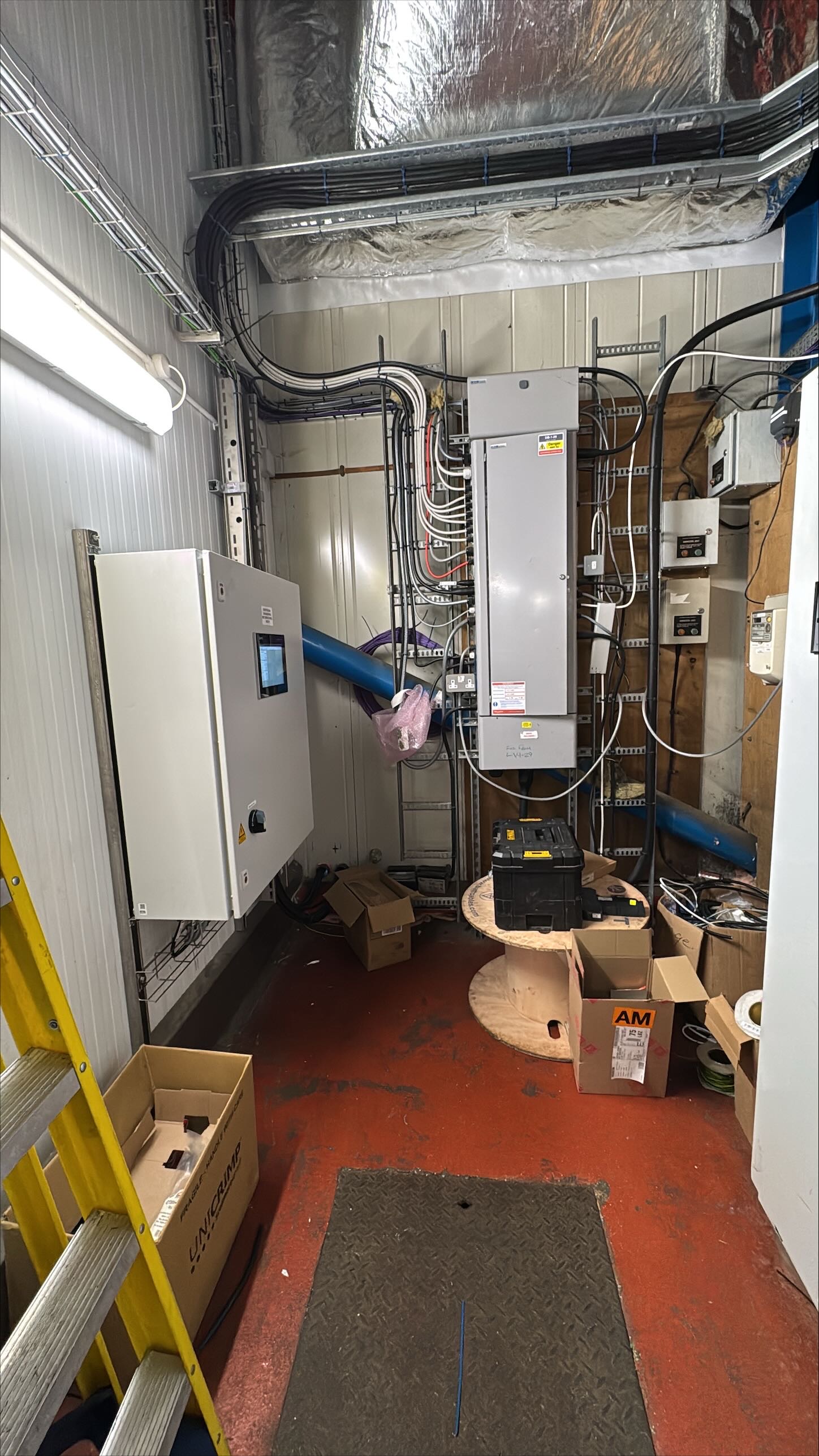
The core of the system, ENC01, acts as the main metering panel located in the site's main switch room. It contains the central PLC unit and a Human Machine Interface (HMI) for local visualisation. To manage the remote distances involved, the design incorporated a distributed I/O strategy:
- ENC01 (Main Metering Panel): Manages core processing, houses the SCALANCE S615 LAN router, and facilitates secure connection to the corporate Virtual Local Area Network (VLAN).
- ENC02 (Remote I/O Panel): Located in the pub area mains cupboard, this panel handles remote data acquisition from local production lines, communicating back to ENC01 via PROFINET over screened CAT6 cabling.
- ENC03 (Water Meter Data Collection Panel): Positioned in the facility's water meter room, this panel manages water consumption tracking, utilising fibre optic cabling to connect to the main panel over longer distances.
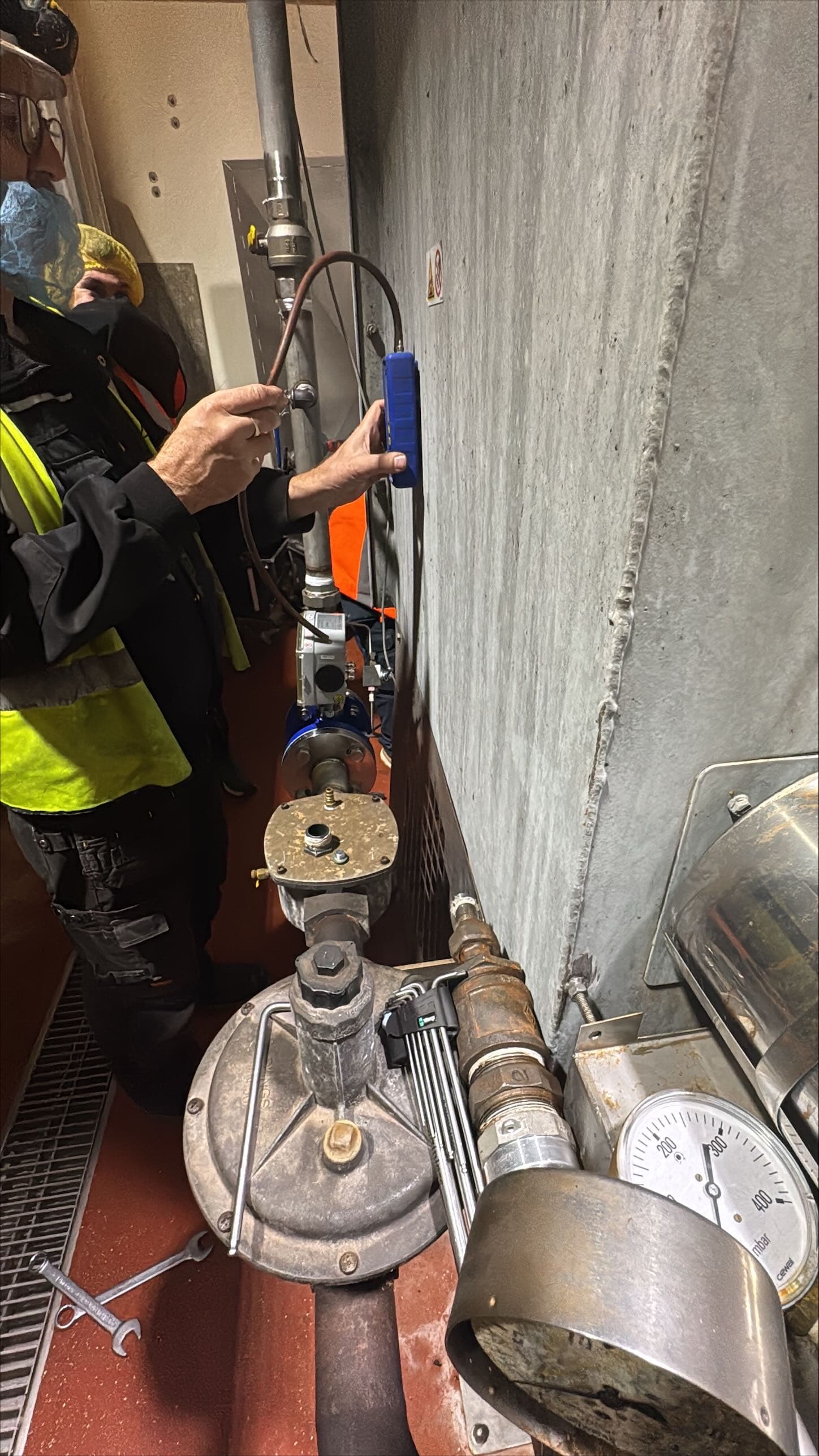
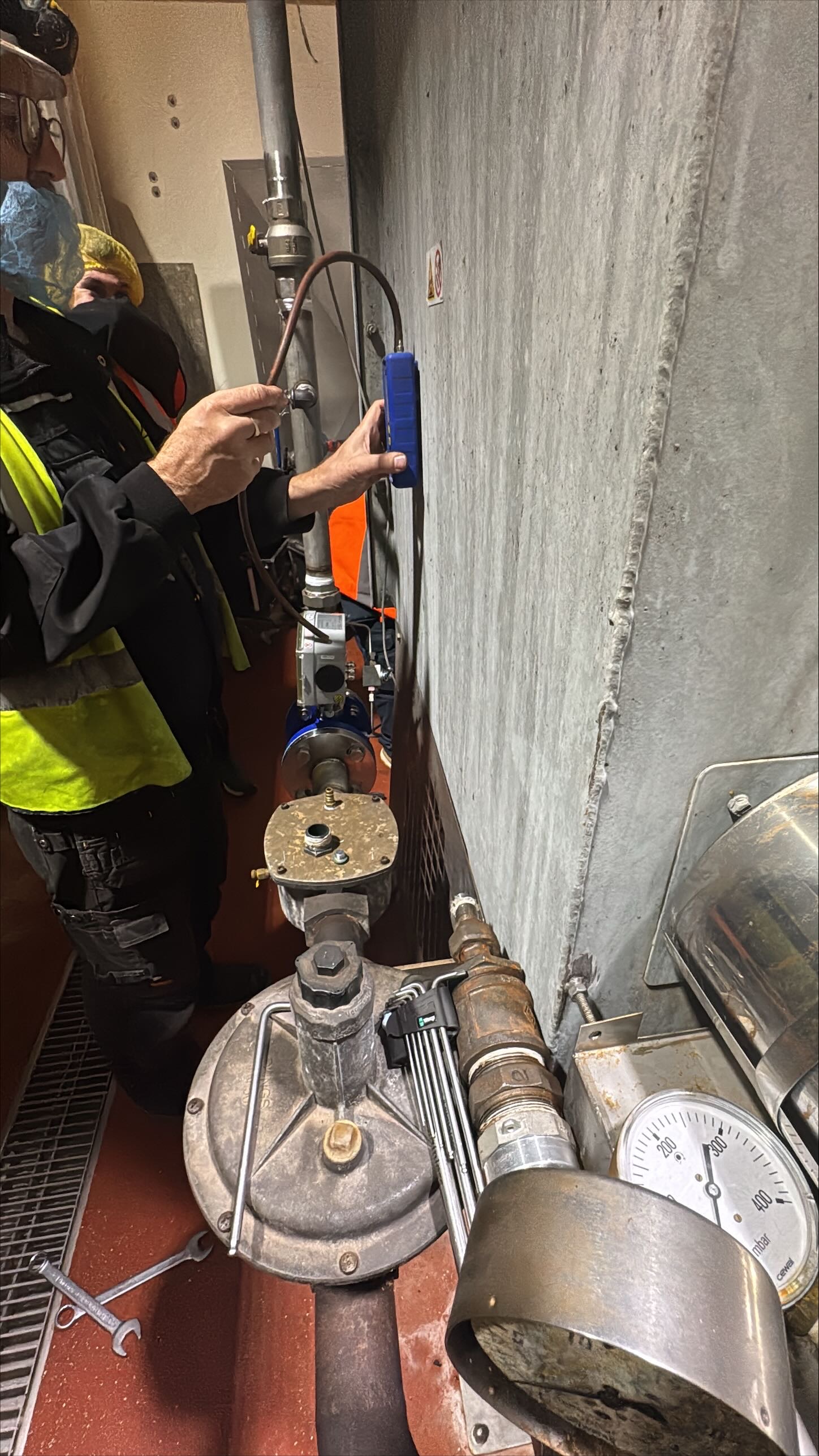
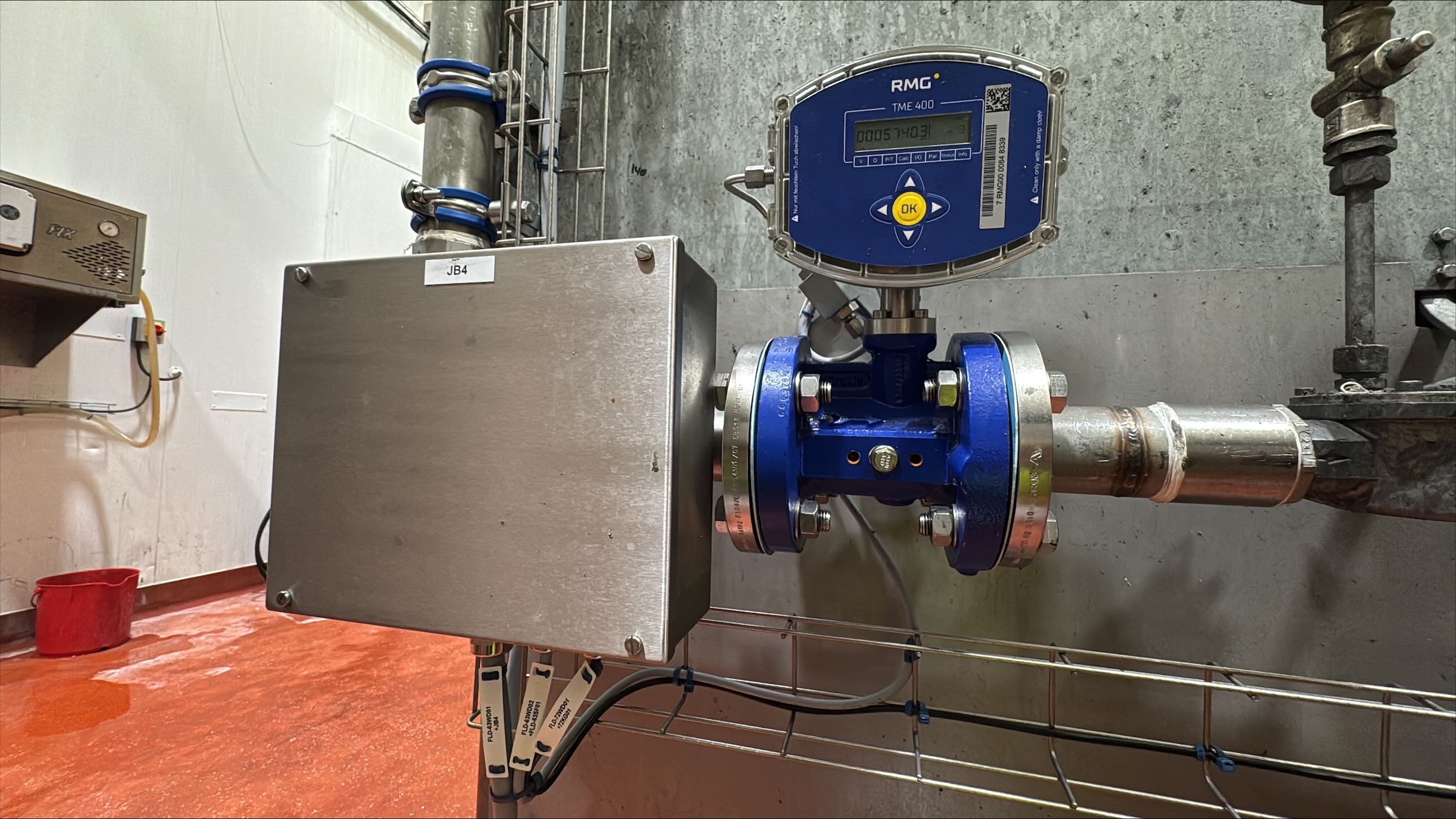
The field instrumentation installed ensures high accuracy for utility auditing. This includes RMG TME 400-VC turbine gas meters for gas volume correction, Schneider and Rayleigh power meters for electricity monitoring, and dedicated flow sensors for top-up oil and water usage. Each field device was integrated with pulse outputs, allowing the PLC to translate physical flows into precise engineering units for digital logging.
Software and Data Infrastructure
The strength of this project lies in its software architecture. While the hardware gathers the raw signals, the intelligence resides in how that data is processed, stored, and exported. The PLC software, developed in Siemens TIA Portal V19, converts pulse counts into usable units of measure - such as Nm³ for gas, kWh for electricity, and L for oil - and logs this information to a local SQL Server database.
The team engineered a three-tier data transfer chain to ensure reliability and automation:
| Software Layer | Function | Technology |
|---|---|---|
| PLCData Driver | Interprets PLC tags and writes to SQL | TCP/IP / SQL |
| File Monitor Service | Monitors export directories | PowerShell / WinSW |
| ProcessCSV Script | Transposes data and performs SFTP upload | PowerShell / WinSCP |
This automated pipeline ensures that the most recent hour of logged data is consistently pushed to the cloud analytics platform. By utilising a dedicated Windows service to monitor directory changes, the system ensures that if a connection is interrupted, data remains queued and synchronised once connectivity is restored. This architecture provides the client with a resilient, "set and forget" data logging environment.
Commissioning and Operational Integration
Commissioning was a critical phase, given the diverse nature of the metering equipment. The EnerTherm team conducted a rigorous series of tests, starting with the verification of all I/O (Input/Output) connections to ensure signal integrity across all panels. This was followed by a Factory Acceptance Test (FAT) simulation, before final site commissioning.
A key success metric for the site operations lead was the successful validation of the data chain. The team verified that tags from the PLC were correctly mapped, recorded in the SQL database, and successfully received by the Energiency cloud platform. This involved coordination with the Energiency technical team to ensure that the 10-inch HMI at the main panel and the remote platform displayed matching, accurate values. Site training was also provided to operations staff, ensuring they could navigate the HMI, read trending screens, and manage system constants without external assistance.
Results and Impact
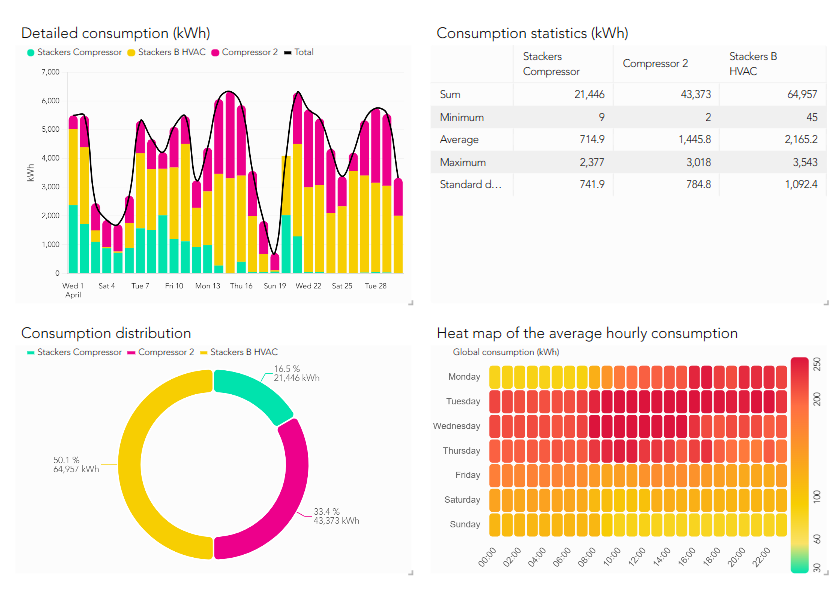
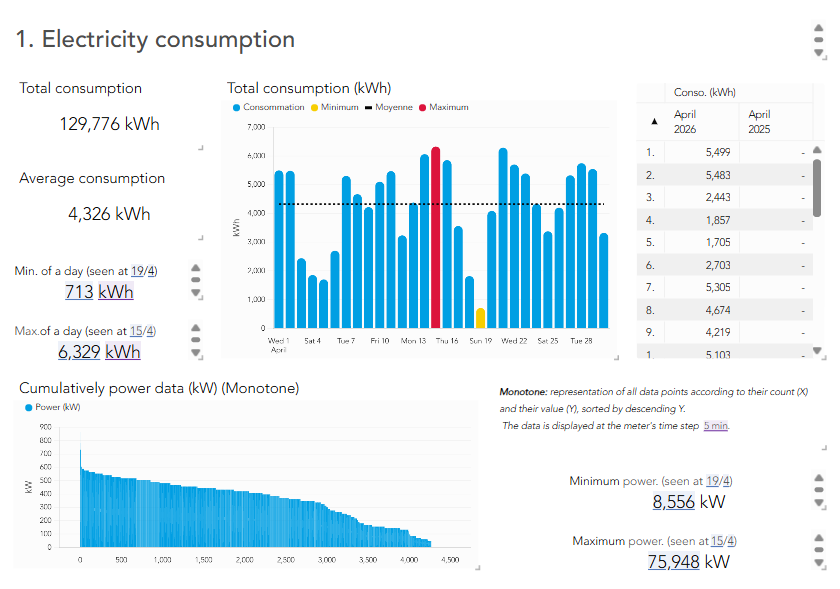
The project, which included the installation of 6 gas meters, 3 electrical meters, 5 oil meters, and a site-wide water meter, has transformed the facility's approach to energy management. The site facilities manager now has access to real-time, high-fidelity data that was previously unavailable, allowing for:
- Targeted Efficiency: The ability to correlate gas consumption with specific frying lines during production shifts, identifying potential leaks or inefficiencies in the drying process.
- Compliance and Reporting: Automated data logging simplifies compliance reporting for energy usage targets.
- Predictive Maintenance: Monitoring water and oil flow provides insights into equipment wear, such as detecting unusual patterns that may indicate a failing pump or valve.
By providing a complete documentation package, including electrical drawings, Functional Design Specification (FDS), and calibration certificates, EnerTherm Engineering has equipped the client with the necessary tools for long-term operational independence. The energy logging system is now fully operational, delivering a continuous stream of data that supports data-driven decision-making across the manufacturing facility.

Managing Director — EnerTherm Engineering
Dr. François Pierrel is Managing Director of EnerTherm Engineering with over two decades of expertise in thermal design, heat transfer, and industrial energy optimisation. He holds a PhD in Heat Transfer from Cranfield University and a Post-Doctorate from Heriot-Watt University.
