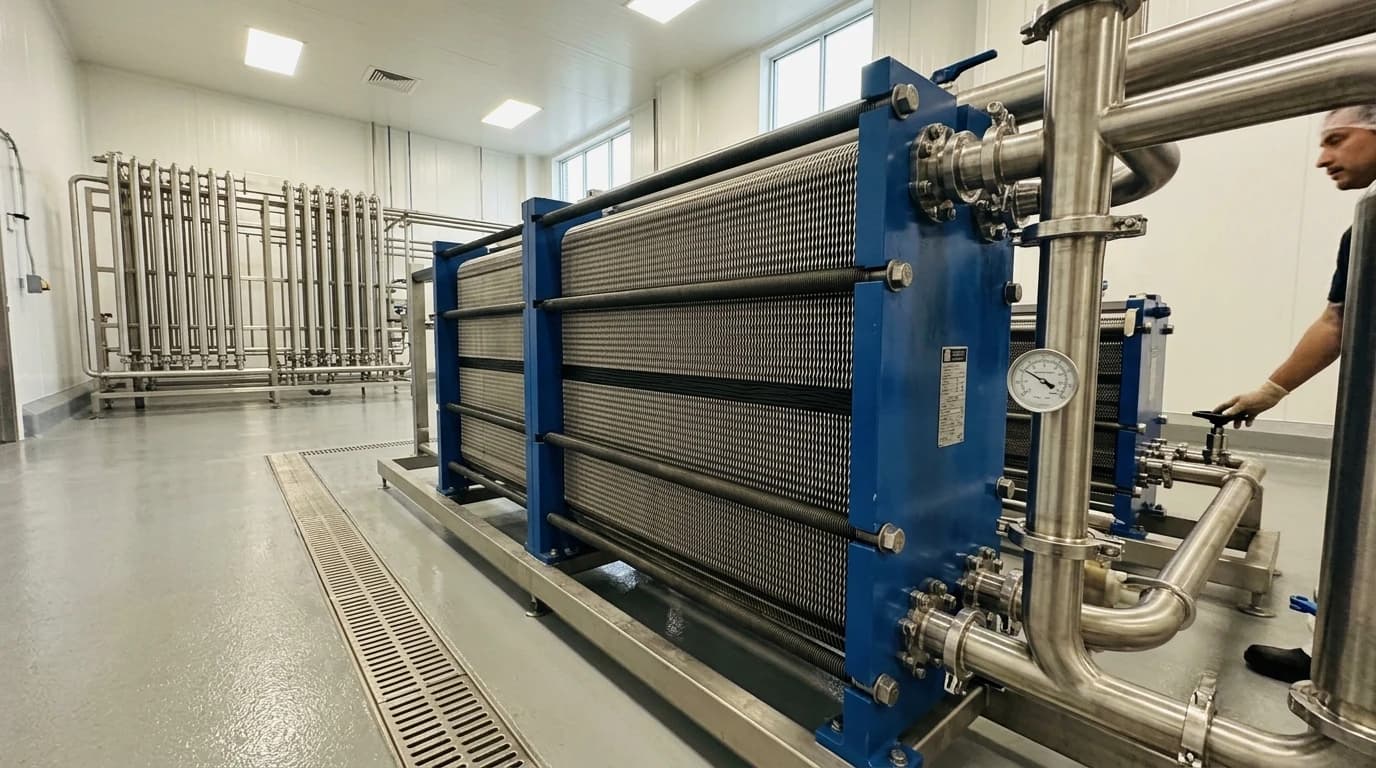
Continuous Pasteurisation Cuts Food Energy by up to 14%
A cost-benefit audit of waste-heat recovery retrofits with under 1.7-year paybacks.
Thermal energy processing accounts for approximately 50% to 60% of total energy use in UK food and beverage production facilities. Operating costs in this sector have risen sharply, with energy expenses representing between 20% and 50% of total food production costs. Food manufacturers must target energy-intensive processes like pasteurisation, sterilisation, and Clean-in-Place (CIP) washing to protect operational margins. Here, energy efficiency is a vital lever for financial sustainability and carbon compliance. Systematic thermal performance audits and pinch analyses reveal where heat is lost and how it can be recovered, ensuring capital expenditure is directed to high-yield upgrades.
Thermal Waste and Food and Beverage Energy Efficiency
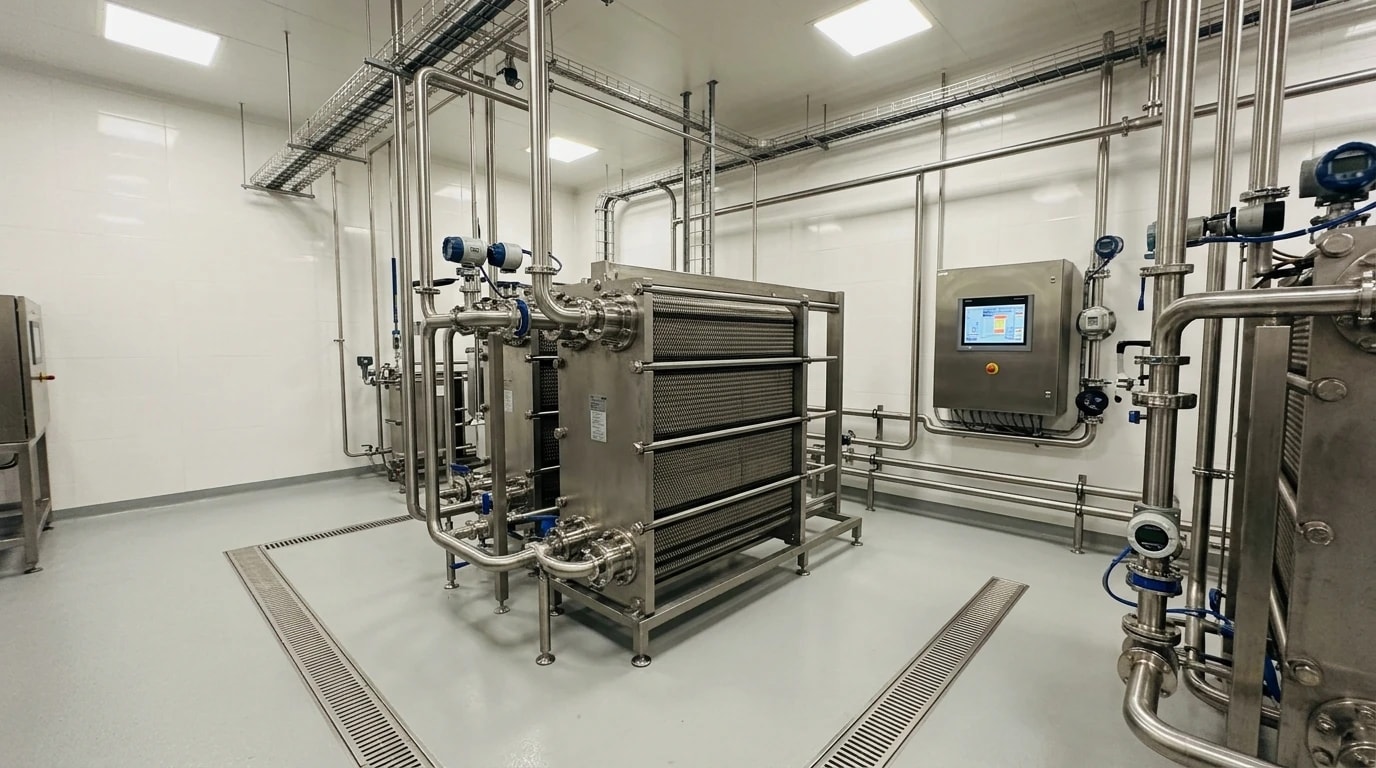
The UK food and beverage sector operates under stringent regulatory requirements and volatile energy markets. In response, operations directors and utility engineers must systematically evaluate their thermal infrastructure. Heat loss typically occurs through uninsulated pipework, inefficient boiler operation, and poor thermal integration on process lines.
A systematic energy audit, utilising pinch analysis, allows engineering teams to map heat flows across a facility. By identifying cold streams that require heating (such as incoming raw milk or brewing water) and hot streams that require cooling (such as pasteurised product or compressor exhaust), plants can design closed-loop heat recovery networks. This approach directly improves thermal efficiency, reducing reliance on primary fuel sources.
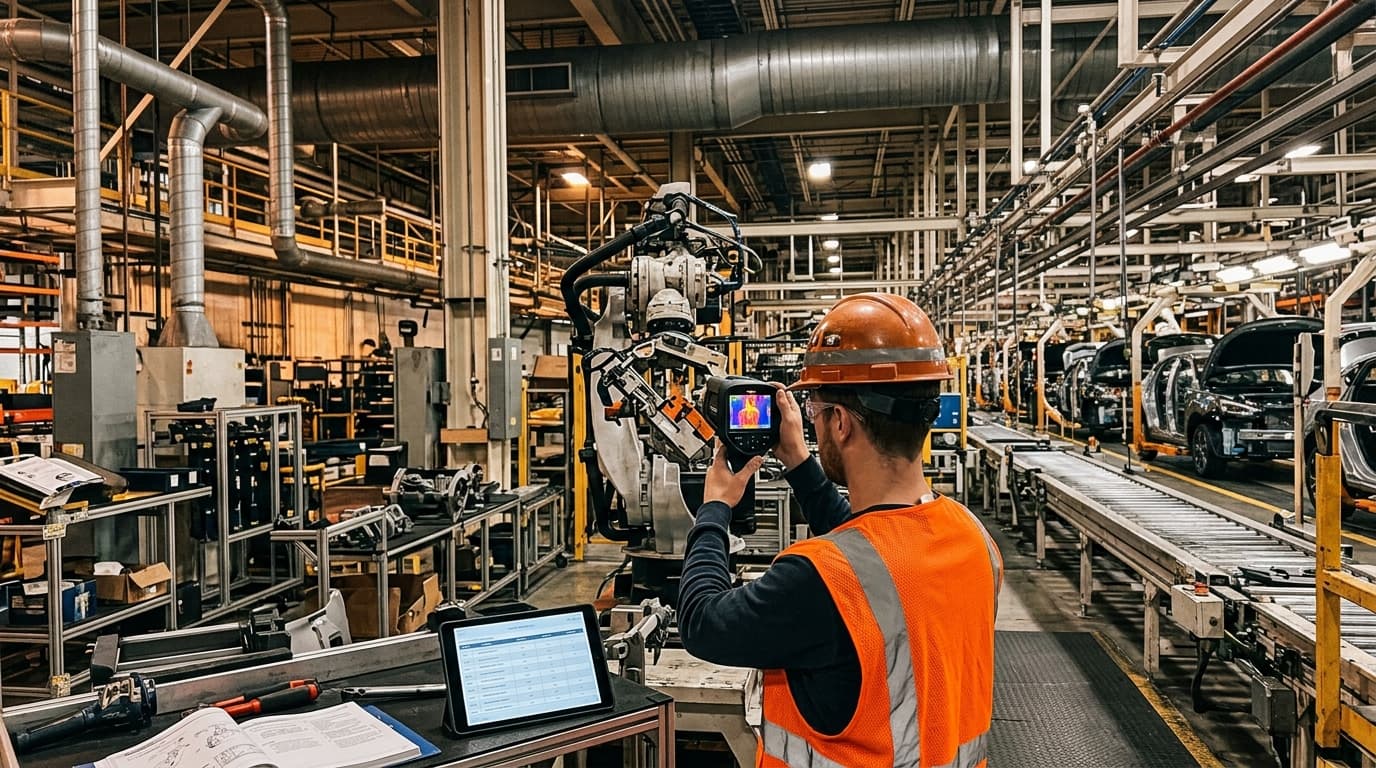
Identify where your plant is losing energy and quantify the savings potential — our audits map every heat source, sink, and waste stream in your facility.
Batch to Continuous Pasteurisation: Achieving a 14% Energy Reduction
Transitioning from batch to continuous pasteurisation provides up to a 14% energy saving with rapid payback. In batch pasteurisation, also known as Low-Temperature Long-Time (LTLT) processing, a jacketed vat or retort vessel heats a static volume of product to approximately 63°C and holds it for 30 minutes. It is then cooled using chilled water. This cyclic thermal demand wastes massive quantities of heat, as the energy added to the product is entirely discarded during the cooling phase.
Continuous pasteurisation, such as High-Temperature Short-Time (HTST) processing, utilises a regenerative heat recovery zone to reuse this thermal energy. In a continuous configuration, the incoming cold raw feed is pre-heated by the hot, pasteurised product flowing in the opposite direction. This regenerative loop recovers up to 90% of the heat, significantly lowering the load on auxiliary heating.
Thermal Profiling and Process Dynamics
Continuous HTST systems pump product through narrow channels in plate or tubular heat exchangers. High fluid velocities generate turbulent flow, which elevates the overall heat transfer coefficient and shortens the residence time required for pasteurisation—typically to 72°C for just 15 seconds. In contrast, batch pasteurisation relies on slow agitation within a jacketed vessel. This results in poor heat transfer, large temperature differentials, and extended thermal exposure that can degrade product quality.
Operational Savings in Dairies and Breweries
In dairies, where large volumes of raw milk require pasteurisation, continuous HTST systems reduce fuel consumption by using hot, pasteurised milk to warm the incoming cold raw feed. In breweries, continuous tunnel or flash pasteurisers replace the batch pasteurisation of packaged bottles, yielding a predictable thermal demand and a consistent steam load. These efficiency improvements translate directly to lower gas or steam bills, providing a rapid return on investment.
High-Efficiency Heat Exchangers: Financial Analysis of Regenerative Heat Recovery
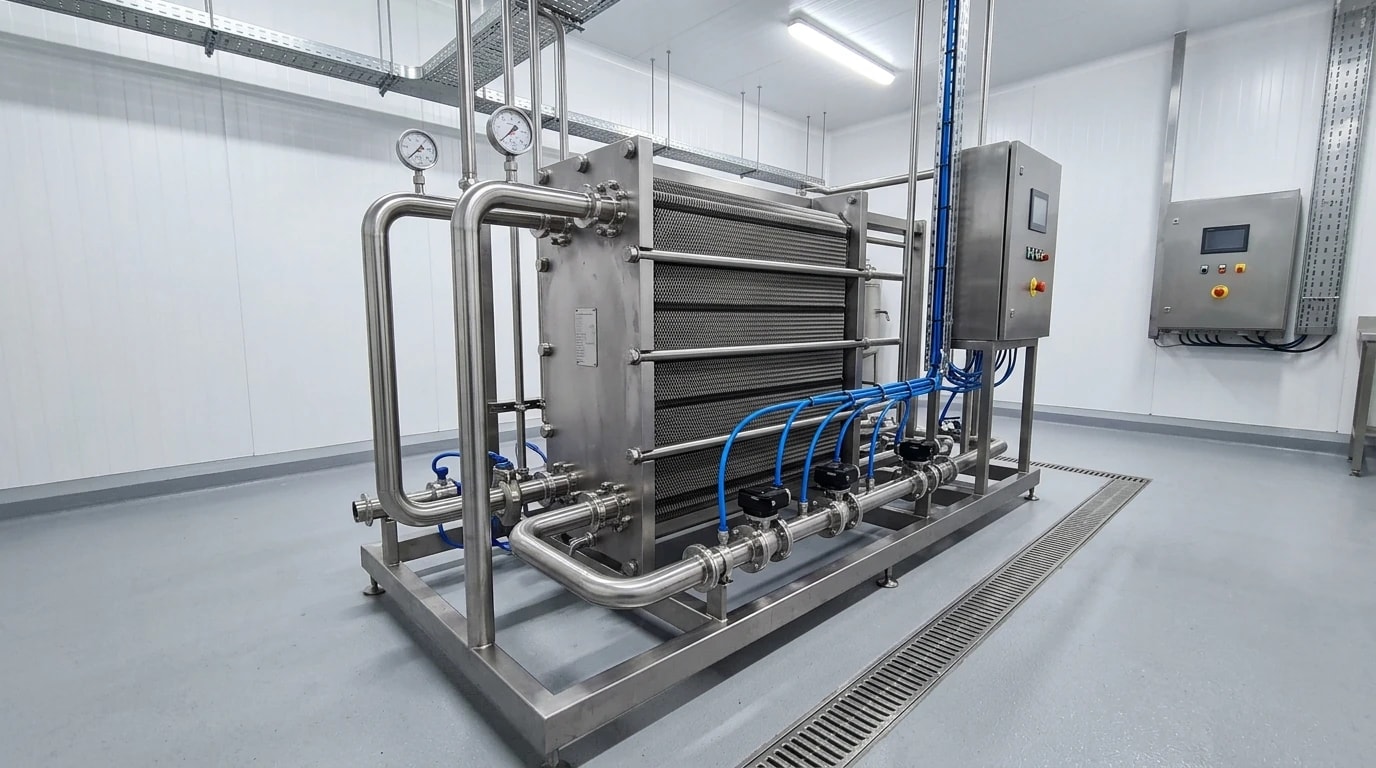
Upgrading existing continuous heat exchangers to modern, high-efficiency models yields an average 6% efficiency improvement. Plate heat exchangers (PHEs) in food and beverage plants frequently suffer from organic fouling, such as milk stone or protein deposits, and chemical degradation. Over time, this fouling increases thermal resistance and severely limits heat transfer.
Plate Heat Exchanger Configurations
Upgrading to modern plate configurations with optimised chevron corrugation patterns enhances turbulence even at lower flow velocities. This maintains heat transfer performance while minimising the pressure drop across the exchanger. Process engineers design these systems with high heat recovery rates to capture energy from pasteurisation streams or CIP rinse water and feed it back into pre-heating loops.
Payback and Long-term Asset Lifecycle Costs
Financial analysis of high-efficiency heat exchangers reveals an estimated payback period of 3.5 to 4 years. While this payback is longer than some low-cost boiler adjustments, the long-term returns are substantial. Modern plate heat exchangers utilising corrosion-resistant alloys, such as titanium or high-grade stainless steel, resist CIP chemicals and organic fouling. This durability ensures a service life exceeding 15 years, maintaining high efficiency and delivering a substantial return on investment (ROI) over the asset lifecycle.

Identify where your plant is losing energy and quantify the savings potential — our audits map every heat source, sink, and waste stream in your facility.
Boiler Retrofits and UK Industrial Energy Efficiency Food and Beverage Heat Recovery BS EN Standards
Steam boilers represent the primary source of process heat in most food and beverage plants. Retrofitting these utility systems is vital for achieving comprehensive, plant-wide thermal efficiency.
The UK Energy Technology List (ETL) provides a pathway for plants to identify and purchase verified energy-efficient equipment. In its updated criteria, the sub-technology group was renamed to Heat Recovery from Flash Steam, Boiler Blowdown Water and Steam Condensate to reflect its scope accurately.
Navigating the Energy Technology List (ETL) Criteria
To qualify for ETL inclusion and associated energy-efficiency incentives, heat recovery systems must meet strict performance thresholds. For instance, boiler blowdown heat recovery systems must capture thermal energy from high-temperature blowdown water and use it to pre-heat boiler feedwater. Retrofit burner control systems must also meet updated test, safety, construction, and measurement standards, namely BS EN 676:2020 for forced draught burners operating on gaseous fuels and BS EN 267:2020 for forced draught burners operating on liquid fuels.
Performance Thresholds and Burner Control Regulations
To comply with these BS EN standards, retrofit burner control systems must maintain tight limits on oxygen and carbon monoxide emissions across all operating conditions. Restricting excess air in the combustion chamber prevents combustion losses from escaping through the flue stack. This ensures the burner operates at peak efficiency while maintaining strict compliance with UK safety and environmental regulations.
Integrating Compressor Waste Heat Recovery (WHR) Under ISO 50001
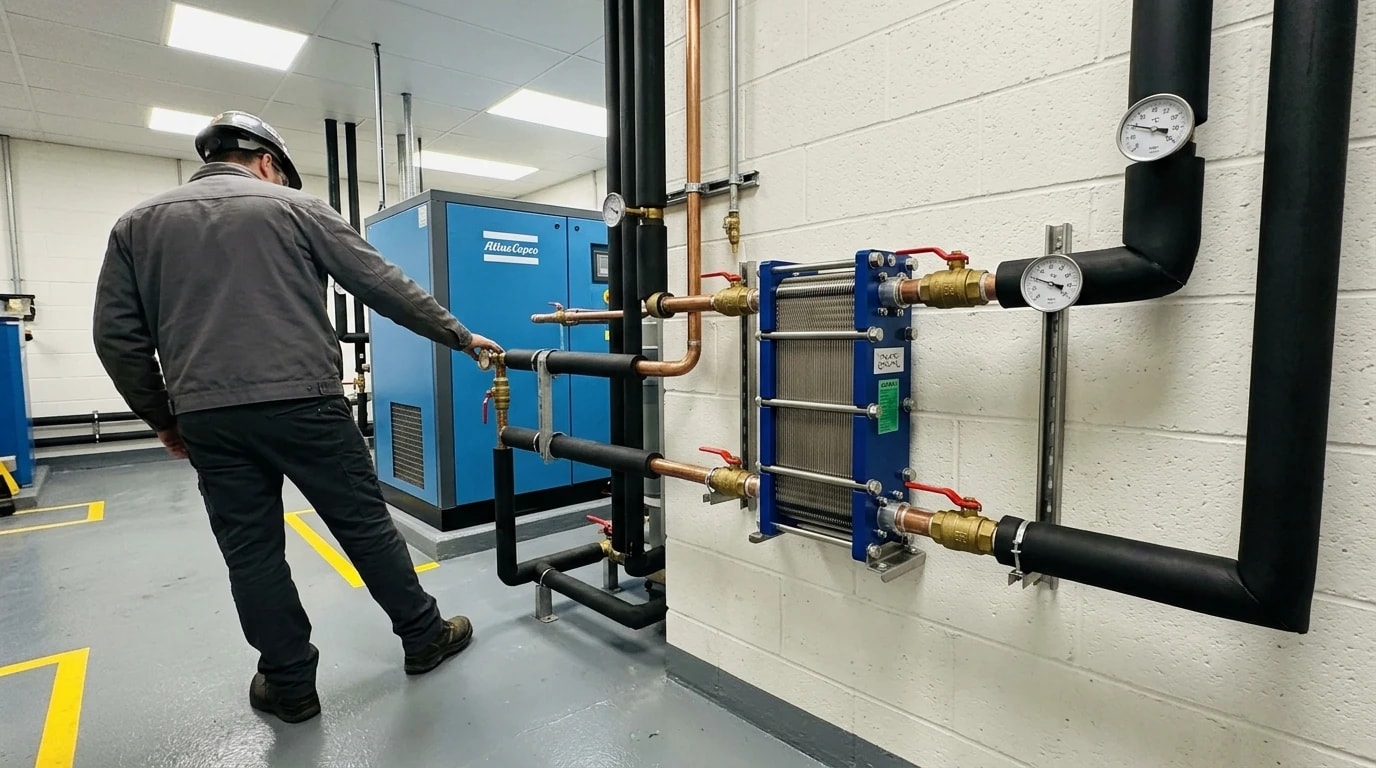
Air compressors serve as standard utility equipment in breweries, dairies, and commercial bakeries, powering pneumatics, packaging, and sorting. However, they generate vast amounts of waste heat, converting approximately 90% of their electrical energy input into thermal energy within the lubricating oil circuit.
Recovering Low-Grade Heat from Compressed Air Systems
Process engineers can install a plate heat exchanger to capture this thermal energy from the compressor's oil cooling loop. The recovered heat can pre-heat boiler make-up water or supply water for CIP systems at temperatures between 50°C and 70°C. Implementing compressor waste-heat recovery (WHR) can reduce a processing plant's total thermal energy demand by up to 7.8%.
Energy Management Integration
Aligned with the ISO 50001 energy management standard, this retrofit represents a highly reliable energy-saving measure. It delivers a rapid simple payback period of under 1.7 years. To sustain these savings, plant engineers use real-time monitoring solutions, such as EnerTherm's Ecolog consumption monitoring system, to continuously track energy performance indicators and verify carbon savings.
Cost-Benefit Matrix for Food and Beverage Energy Efficiency Retrofits
Operations directors and utility engineers face the challenge of prioritising capital projects. A phased approach is usually best. First, implement low-payback, high-impact projects like compressor WHR, which offers a payback of under 1.7 years, and continuous pasteurisation transitions, which yield immediate to under 1 year payback times. Use the savings generated from these quick wins to fund long-term structural upgrades, such as high-efficiency heat exchanger replacements, which have a 3.5 to 4 years payback, and boiler retrofits complying with the updated BS EN standards.
The following table provides a comparative breakdown of these thermal efficiency upgrades:
| Energy Efficiency Measure | Primary Thermal Benefit | Estimated Payback Period | Key Regulatory or Technical Standard |
|---|---|---|---|
| Transition to Continuous Pasteurisation | Up to 14% energy savings | Immediate to under 1 year | Pasteurised milk standards, HTST requirements |
| High-Efficiency Plate Heat Exchangers | Average 6% efficiency improvement | 3.5 to 4 years | Pressure Equipment (Safety) Regulations 2016 |
| Compressor Waste-Heat Recovery (WHR) | Up to 7.8% thermal demand reduction | Under 1.7 years | ISO 50001 Energy Management Standard |
| Boiler Flash Steam & Blowdown Recovery | High-grade heat recovery from utilities | 1.5 to 3 years | UK ETL Criteria, BS EN 676:2020, BS EN 267:2020 |
By standardising thermal performance audits and combining them with read-only monitoring solutions, such as the Ecolog consumption monitoring system, UK food and beverage manufacturers can identify, analyse, and target energy waste across complex industrial systems. This passive monitoring approach ensures that while the software identifies inefficiencies and forecasts savings, the actual system setpoints are altered only by operators or building-management systems during validated change windows. These targeted interventions ensure compliance with evolving environmental regulations while significantly reducing operating costs.
This article reflects the independent analysis and editorial opinion of EnerTherm Engineering. Product names, trademarks, and brands mentioned belong to their respective owners. EnerTherm Engineering is not affiliated with, endorsed by, or a licensee of any third-party software or product mentioned unless explicitly stated.

Technical Manager — EnerTherm Engineering
John Naranjo is Technical Manager at EnerTherm Engineering, bringing specialist expertise in chemical and environmental engineering. He recently led the implementation of Omni Vision, EnerTherm's real-time energy and utility monitoring platform. He holds an MSc in Environmental Engineering from the University of Huelva and a BSc in Chemical Engineering, with memberships in both the Energy Institute and IChemE.
