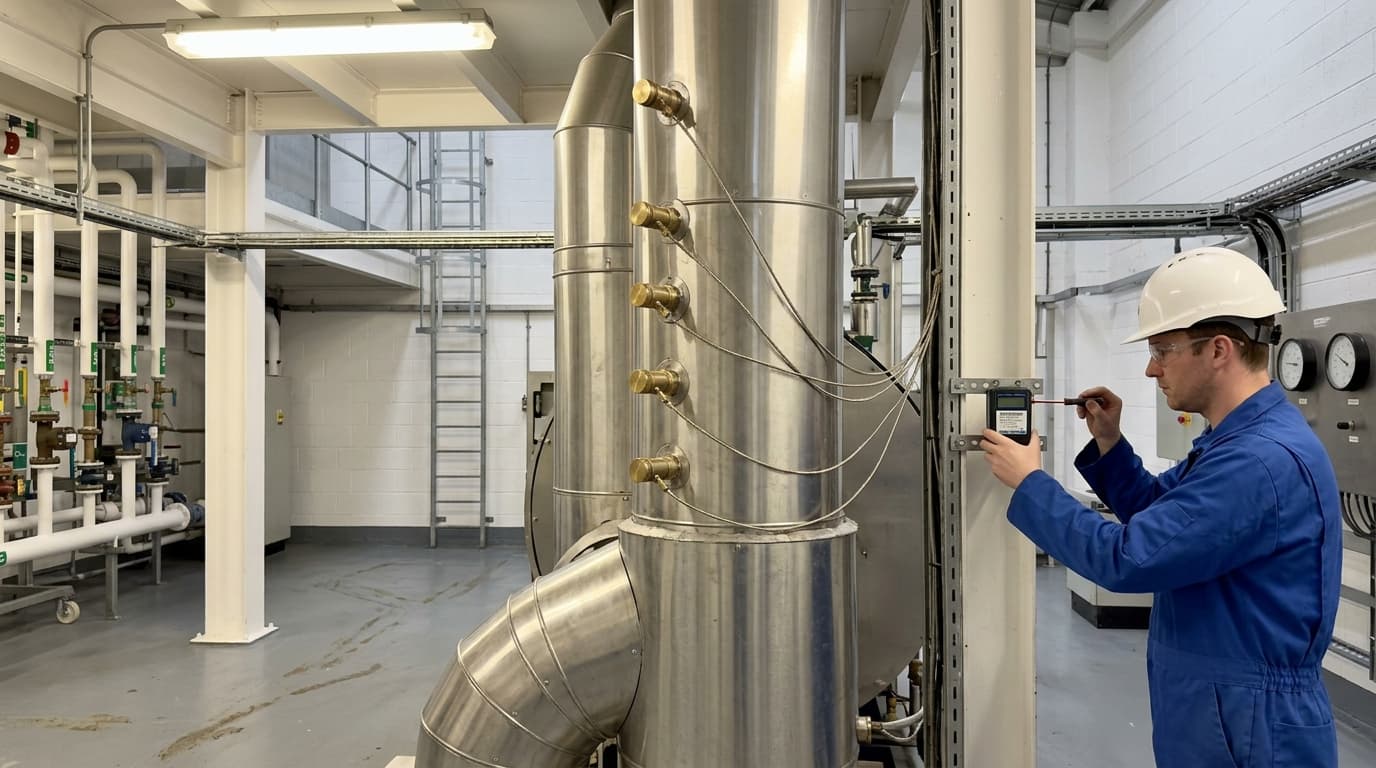
Engineering Access for Thermal Recovery: A Food Production Site Case Study
A food production facility in northern England operates multiple high-temperature baking lines and steam generation systems, resulting in substantial gas consumption. To improve efficiency, the facility management initiated the energy audit project to explore large-scale heat recovery opportunities. The initial phase, led by a specialist energy consultancy firm, required a precise data-gathering strategy to support a comprehensive thermal integration assessment.
The Challenge: Establishing Data Integrity
To reduce operational costs and carbon emissions, the facility required a detailed understanding of its waste heat streams. The primary objective was to conduct a Pinch Analysis across the site, focusing on boilers, ovens, and tin washing areas. However, effective analysis relies entirely on the quality of input data.
The project team encountered a common industrial hurdle: many existing ducts and flue systems were not equipped with the necessary access points to capture flow, temperature, and chemical properties of exhaust gases. Without these baseline measurements, it is impossible to accurately calculate the potential return on investment for heat recovery technologies, such as installing an economiser on boiler feed lines or preheating combustion air.
Site Audit and Strategic Mapping
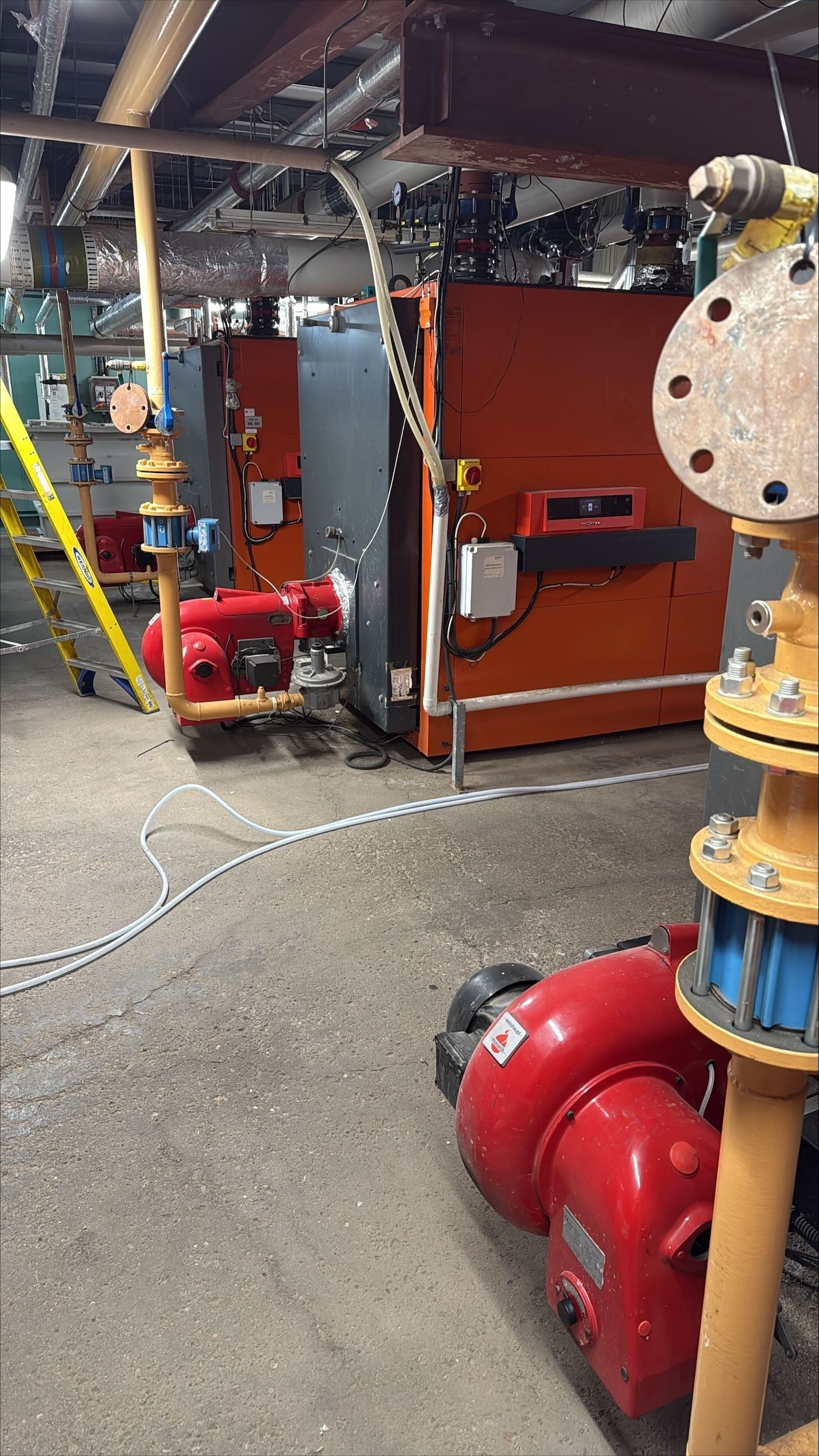
The energy audit project involved a comprehensive survey of all thermal assets. The team, led by the report author, reviewed the physical infrastructure to determine where stabbings were required. This mapping exercise prioritised areas with the highest potential for energy savings:
- Steam Boilers: Identification of flue ducts requiring flow and temperature monitoring.
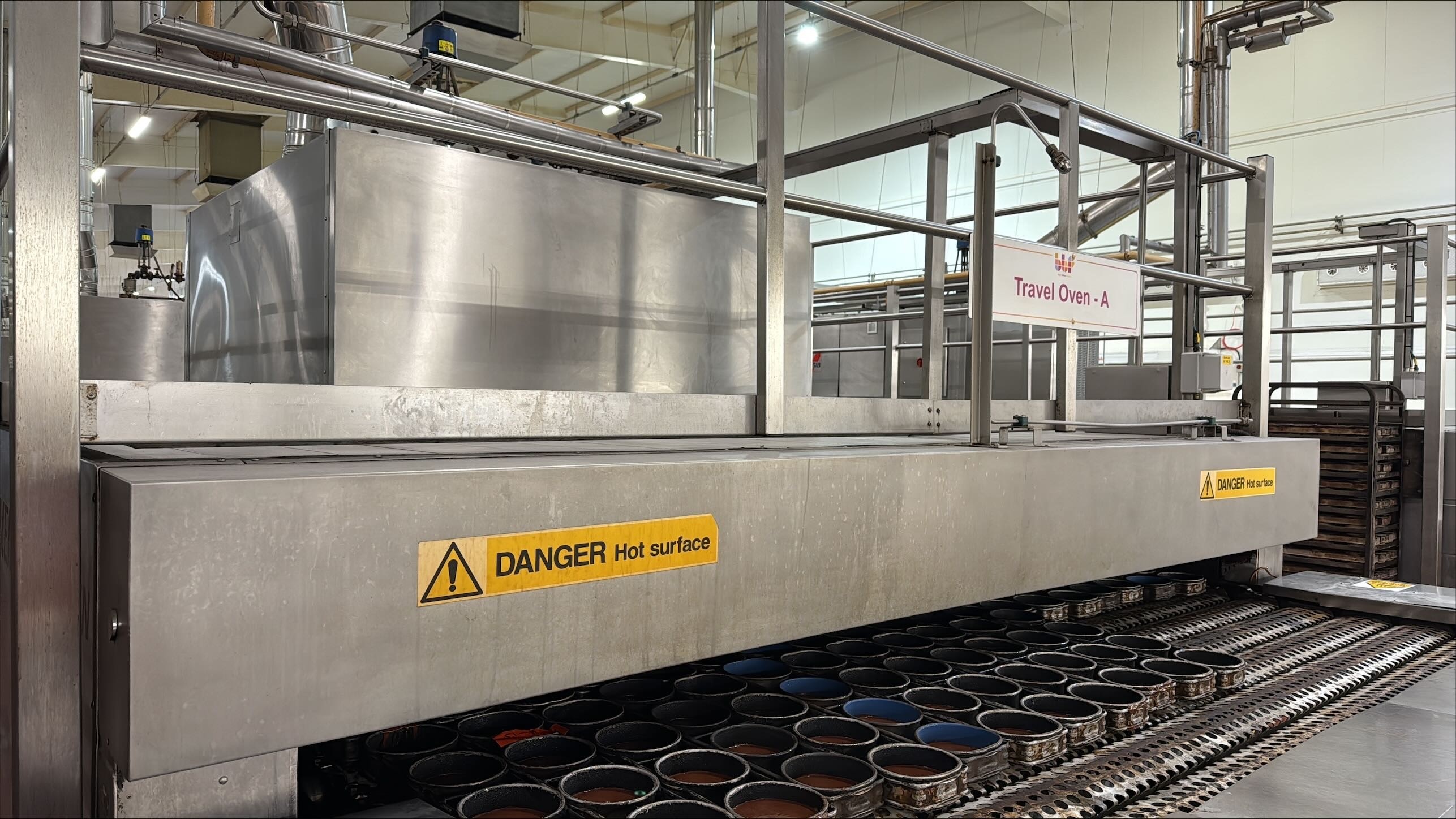
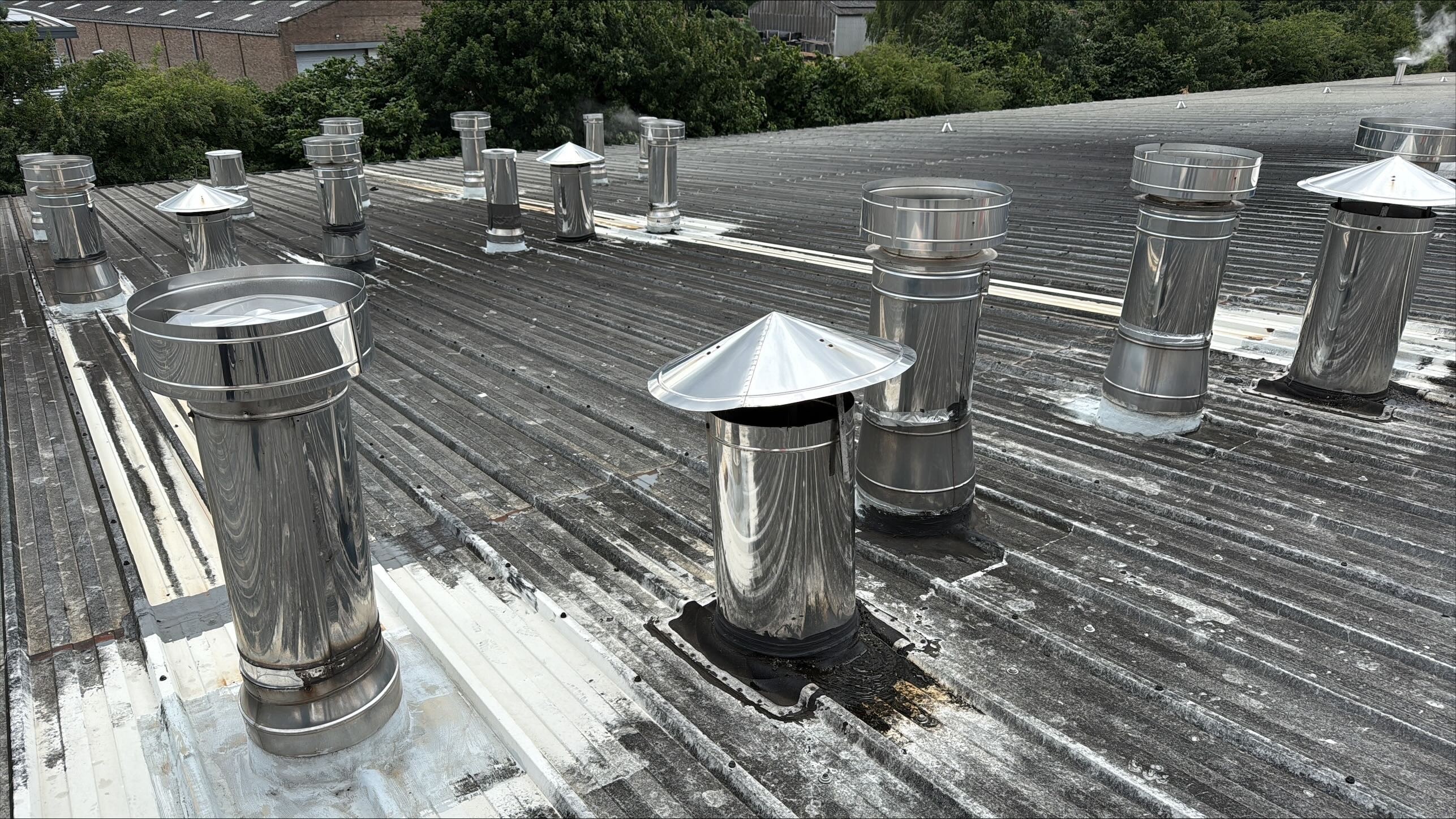
- Travel Ovens: Evaluation of exhaust stacks to capture high-temperature waste heat data.
- Rack Ovens: Assessment of existing roof void access for representative sampling.
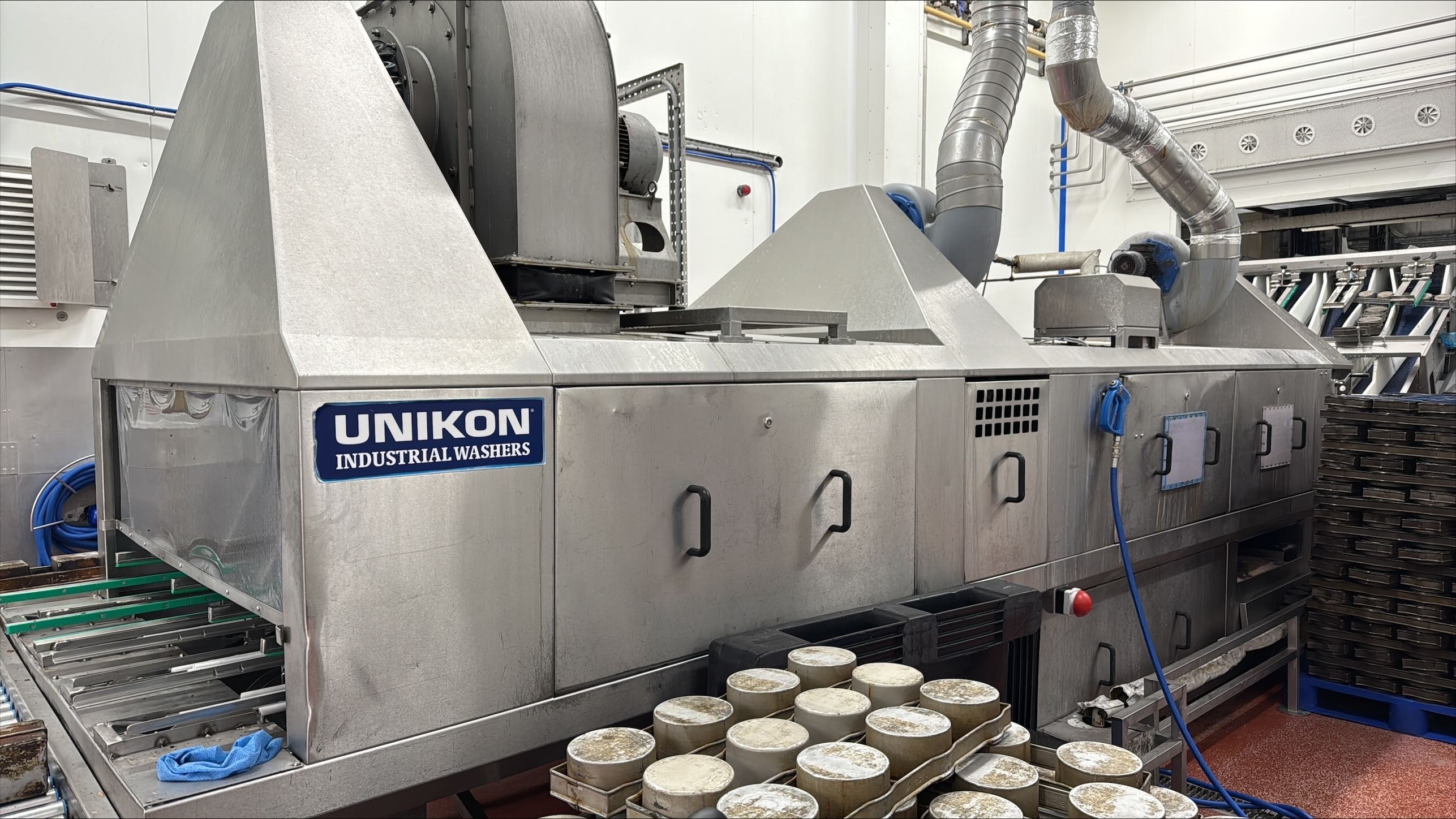
- Washers: Data gathering on hot water usage to evaluate water pre-heating opportunities.
The survey identified that while some areas were already equipped with adequate access, others required immediate intervention to facilitate the next phase of the thermal recovery project. The engineering team identified a requirement for 26 new stabbings across the facility to ensure reliable, high-fidelity data collection.
| Asset Area | Requirement | Total Stabbings |
|---|---|---|
| Steam Boiler B | 2 per duct | 2 |
| Travel Ovens (4 units) | 2 per stack (12 stacks) | 24 |
| Total | - | 26 |
 food processing facility. Trays of round cheese wheels are visible in the foreground, suggesting they are" loading="lazy" />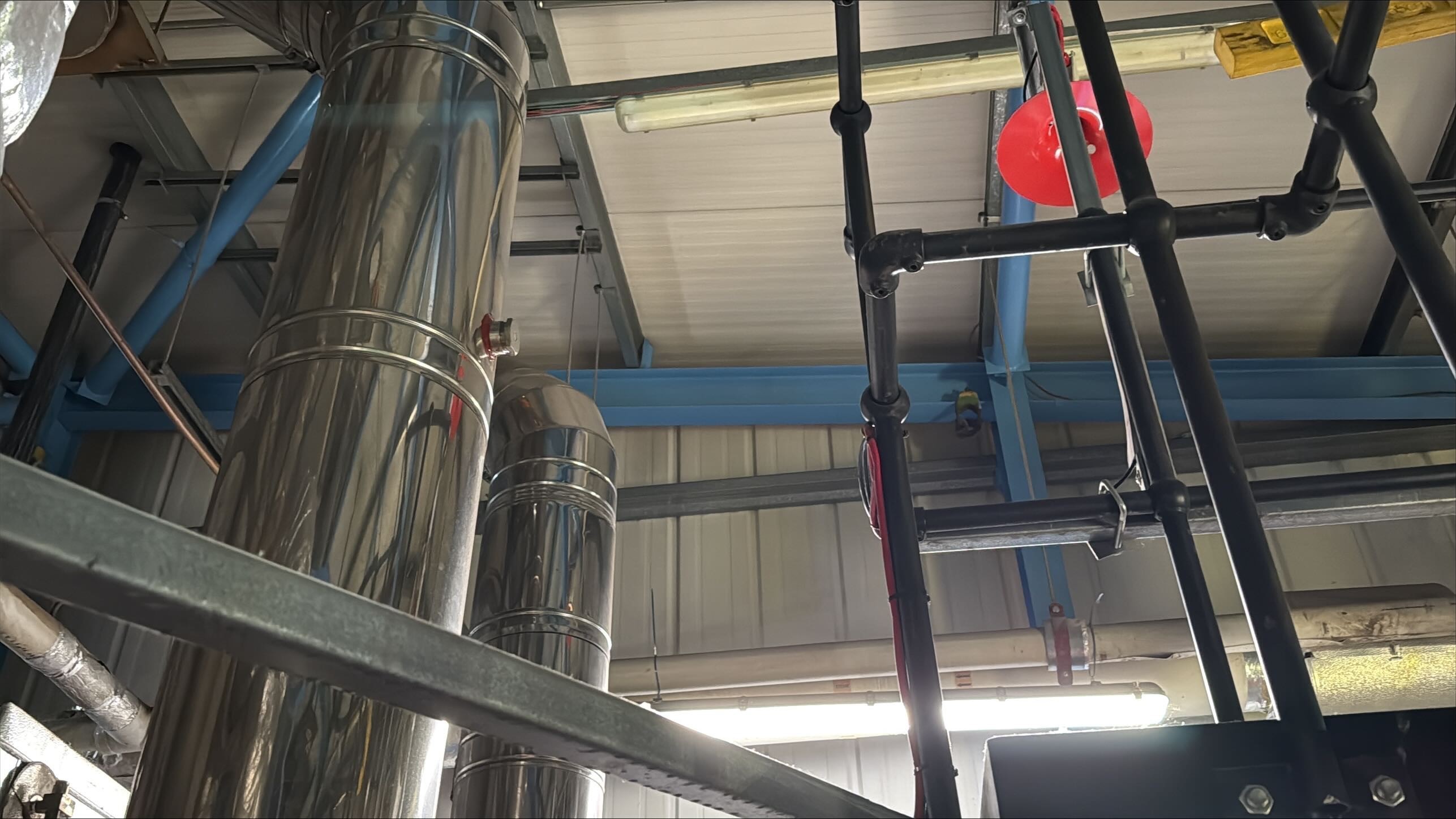
Execution: Engineering for Operational Continuity
The installation of these monitoring points presented a significant logistical challenge. The travel ovens are part of active production lines within the factory, meaning that any physical work on the ducts had the potential to disrupt output. Working closely with the client project manager, the team developed an installation programme that balanced the need for technical data with the constraints of the production schedule.
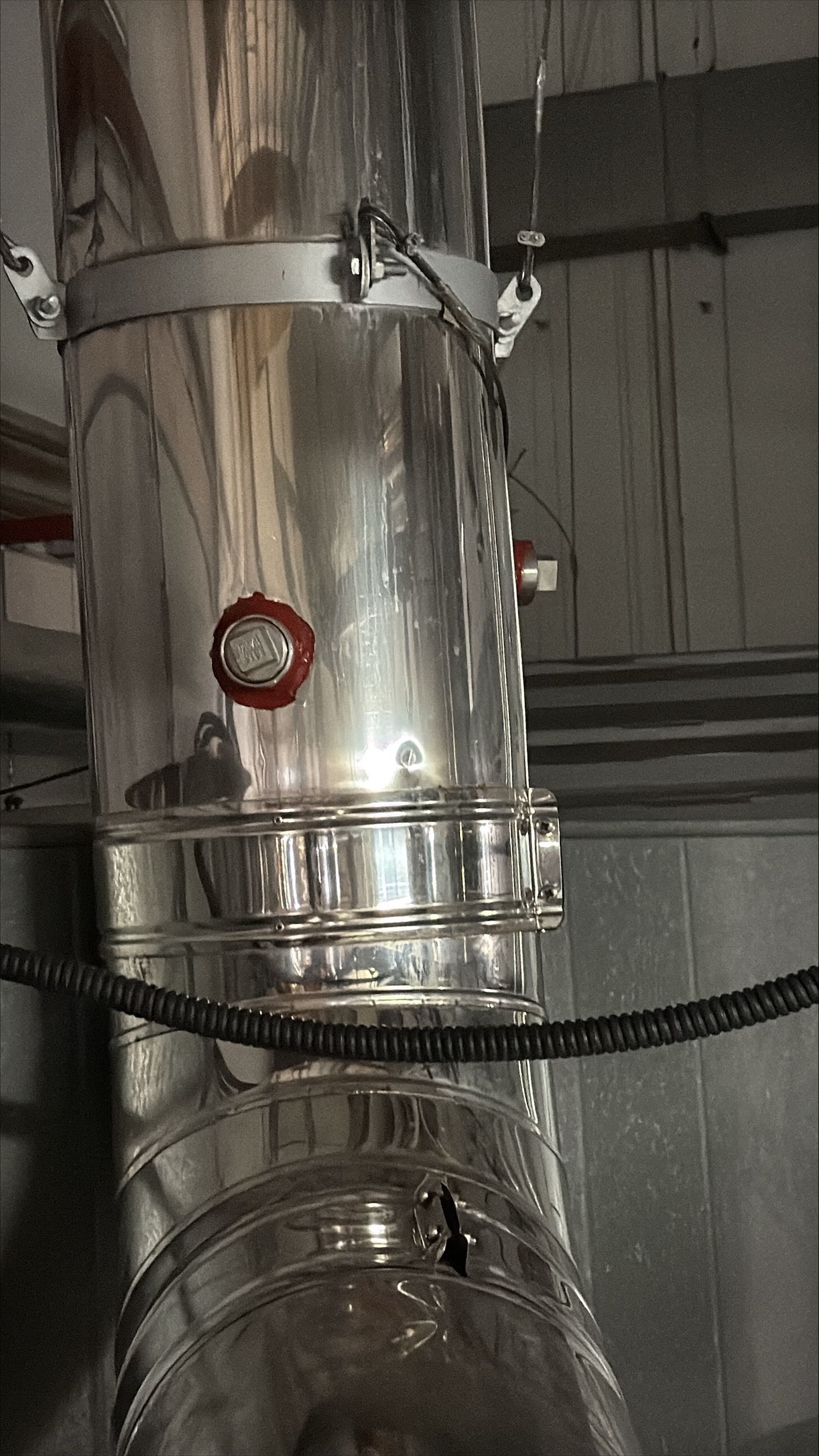
The scope of work involved the fabrication and welding of 3/4 inch sockets and plugs onto designated ducting. To ensure the accuracy of future readings, the engineering specifications were strict: the stabbings required precise positioning, specifically 90 degrees apart, to avoid flow disturbance and ensure representative sampling of the flue gas.
The integration of accurate measurement points is the bedrock of energy efficiency. By installing these access ports during scheduled maintenance, the facility avoided unplanned production downtime while securing the data necessary for long-term thermal optimisation.
Data-Driven Decision Making
By establishing these critical points, the project successfully prepared the facility for the next stage of the thermal recovery project. The data captured from these 26 locations will allow the team to:
- Identify the most gas-intensive processes, allowing for targeted capital investment.
- Calculate accurate payback periods based on real-world energy consumption metrics.
- Evaluate the feasibility of heat integration, such as utilising waste heat from flue gases to preheat boiler feed water.
- Understand the interaction between batch and continuous processes to determine if thermal storage is required.
The client project manager initials confirmed the installation plan, ensuring that all welding and site work complied with site safety standards. This preparatory work provides the foundation for identifying significant reductions in gas consumption, transforming the facility from an energy-intensive site into one focused on heat recovery and operational efficiency.
With the physical infrastructure now in place, the facility is positioned to transition from simple monitoring to active energy reduction. This proactive approach ensures that subsequent energy-saving measures are based on empirical evidence rather than estimates, effectively mitigating the risk of underperforming capital projects.

Managing Director — EnerTherm Engineering
Dr. François Pierrel is Managing Director of EnerTherm Engineering with over two decades of expertise in thermal design, heat transfer, and industrial energy optimisation. He holds a PhD in Heat Transfer from Cranfield University and a Post-Doctorate from Heriot-Watt University.
