Optimising Batch Reactor Throughput for Carbon Capture Processes
A UK-based carbon capture technology firm was experiencing operational inefficiencies within its batch reactor process at an industrial facility. The primary challenge involved maintaining target mixing temperatures and moisture specifications during the complex hydration and carbonation cycles required to process calcium-based feedstock.
The firm engaged a specialized engineering consultancy firm to conduct a detailed review of the mixing process. The objective was to determine whether specific batch sizes could be processed using existing flue gas volumetric flow rates without exceeding a 60°C temperature threshold or failing to meet moisture targets of 28% to 30%.
Establishing the Simulation Framework
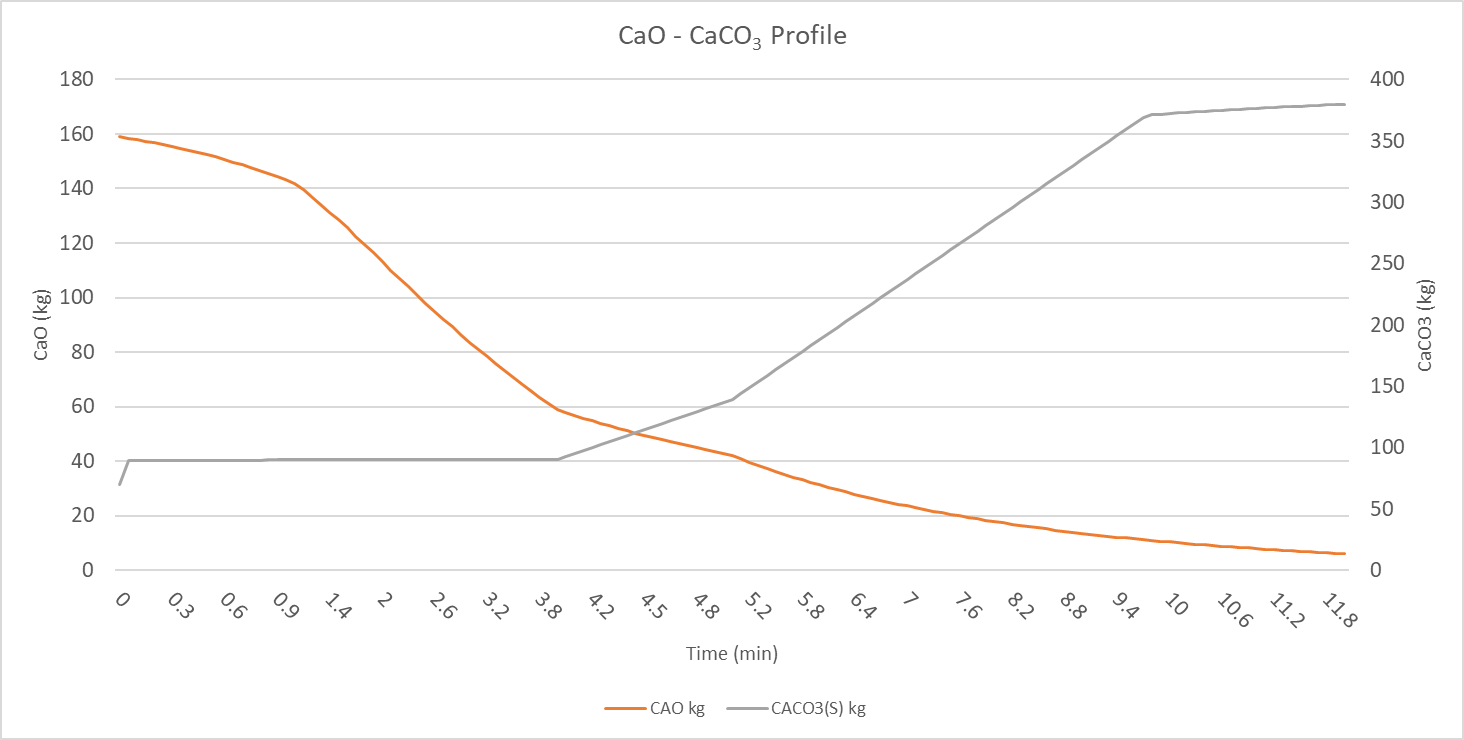
To address the challenge, the consultancy team developed a comprehensive transient model to analyse the relationship between reaction kinetics, temperature, and material mass within the mixer. The simulation utilised multiple batch reactors to observe how internal conditions varied over the course of the reaction, with separation units applied to represent the continuous gas extraction process.
The model integrated kinetic mechanisms based on electrochemical interactions, allowing the team to test various scenarios involving batch mass and gas flow rates. This approach provided the data necessary to predict outcomes for different loading profiles without the cost or downtime associated with trial-and-error testing on the production floor.
Evaluating Batch Size and Temperature Constraints
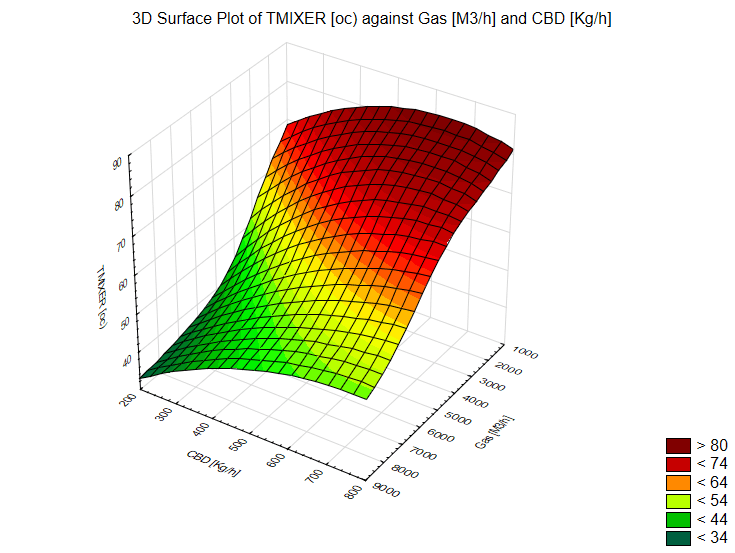
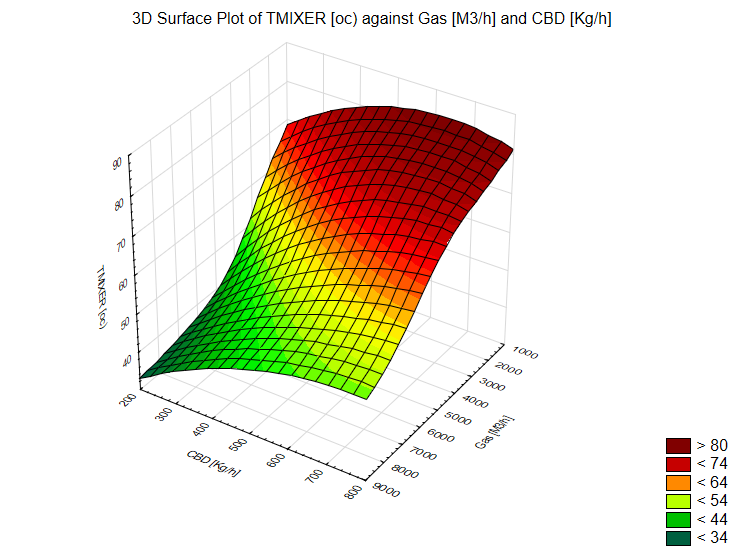
The investigation initially focused on two primary operational questions: determining the maximum batch size that could be maintained at or below 60°C given a flue gas flow of 6,000 m³/h, and identifying the required gas flow rate to maintain this temperature limit for a 600 kg batch.
| Scenario | Batch Size (kg) | Flue Gas Flow (m³/h) | Final Temperature (°C) | Final Moisture (%) |
|---|---|---|---|---|
| Baseline | 600 | 6,000 | > 60 | 33 |
| Optimised | 350 | 6,000 | < 60 | 29 |
As detailed in the technical process simulation report, the initial test with a 600 kg batch indicated that the process was prone to overheating. The simulation showed that while temperature peaks occurred primarily during the hydration phase, the subsequent carbonation phase did not provide sufficient cooling, resulting in an end-of-process temperature slightly above 60°C. Furthermore, the solid moisture content remained at 33%, which failed to meet the required quality specification.
Refining Process Parameters
The simulation team reduced the batch size to 350 kg to observe the impact on thermal output. While this shift successfully brought the final temperature within the required range, the moisture content remained high at 35%. This suggested that the existing water addition profile was overestimating the amount of water required post-hydration.
The team then adjusted the simulation parameters, specifically reducing the water additions during the carbonation stage by 50%. The result was significant:
- The final moisture content dropped to 29%, successfully falling within the 28% to 30% target range.
- The mixer temperature remained stable, with only a marginal increase of 1°C, demonstrating that moisture control was the primary driver for process stability in this configuration.
Scaling for Increased Capacity
Having established the viability of the 350 kg batch size, the team then reverse-engineered the requirements for the original 600 kg target. The analysis indicated that to process a 600 kg load while maintaining a temperature below 60°C, the facility would require a volumetric gas flow rate of approximately 8,000 m³/h. However, this high-flow scenario also required strict control over water additions to prevent moisture levels from drifting outside of specifications.
Conclusion and Operational Impact
The simulation programme provided the client with a clear operating window for their carbon capture process. By understanding the dynamic interplay between batch loading, gas flow, and moisture control, the firm could avoid the risks of out-of-specification production batches.
The consultancy team demonstrated that there is an optimal set of conditions for every batch load. Moving forward, the firm intends to use these models as predictive tools, combining them with real-time site data to automate adjustments to the hydration and carbonation cycle. This engagement enabled the client to move from reactive process management to a data-driven strategy, ensuring consistent quality and improved throughput efficiency.

Managing Director — EnerTherm Engineering
Dr. François Pierrel is Managing Director of EnerTherm Engineering with over two decades of expertise in thermal design, heat transfer, and industrial energy optimisation. He holds a PhD in Heat Transfer from Cranfield University and a Post-Doctorate from Heriot-Watt University.
