
Optimising Heat Recovery: Identifying 784,000 kWh of Annual Energy Savings in Industrial Oven Lines
Project Overview and Baseline Assessment
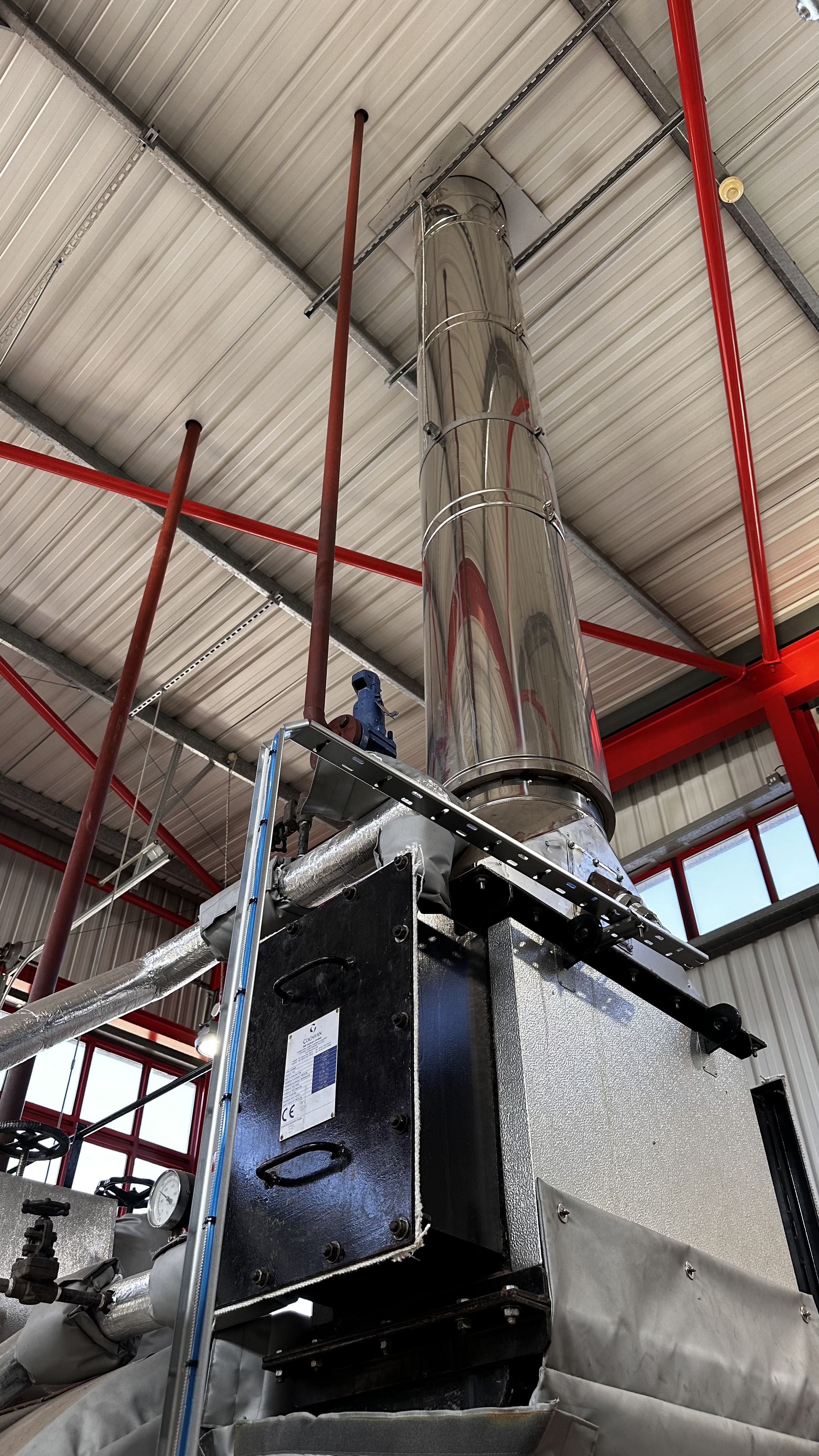
The industrial oven process line in question consisted of four distinct zones, each managed by independent exhaust stacks venting process flue gas to the atmosphere. Operational data identified temperatures ranging from 180°C to 198°C at the primary flue extraction points, representing substantial thermal loss. EnerTherm Engineering was engaged to conduct a feasibility study to determine the potential for heat recovery and identify technically and economically viable integration options to reduce site-wide utility consumption.
The facility has established ambitious sustainability targets, including a commitment to reach Net Zero carbon emissions across its operations. To support this, the project aimed to quantify energy availability, develop recovery strategies, and provide a clear financial and environmental justification for capital investment.

Methodology: Pinch Analysis
To evaluate the complex thermal interactions of the oven line, the team utilised Pinch Analysis. This systematic methodology allowed for a thorough examination of the site's energy profile, identifying the optimal temperature at which heat could be recovered without compromising product integrity or process stability.
The investigation followed a structured protocol:
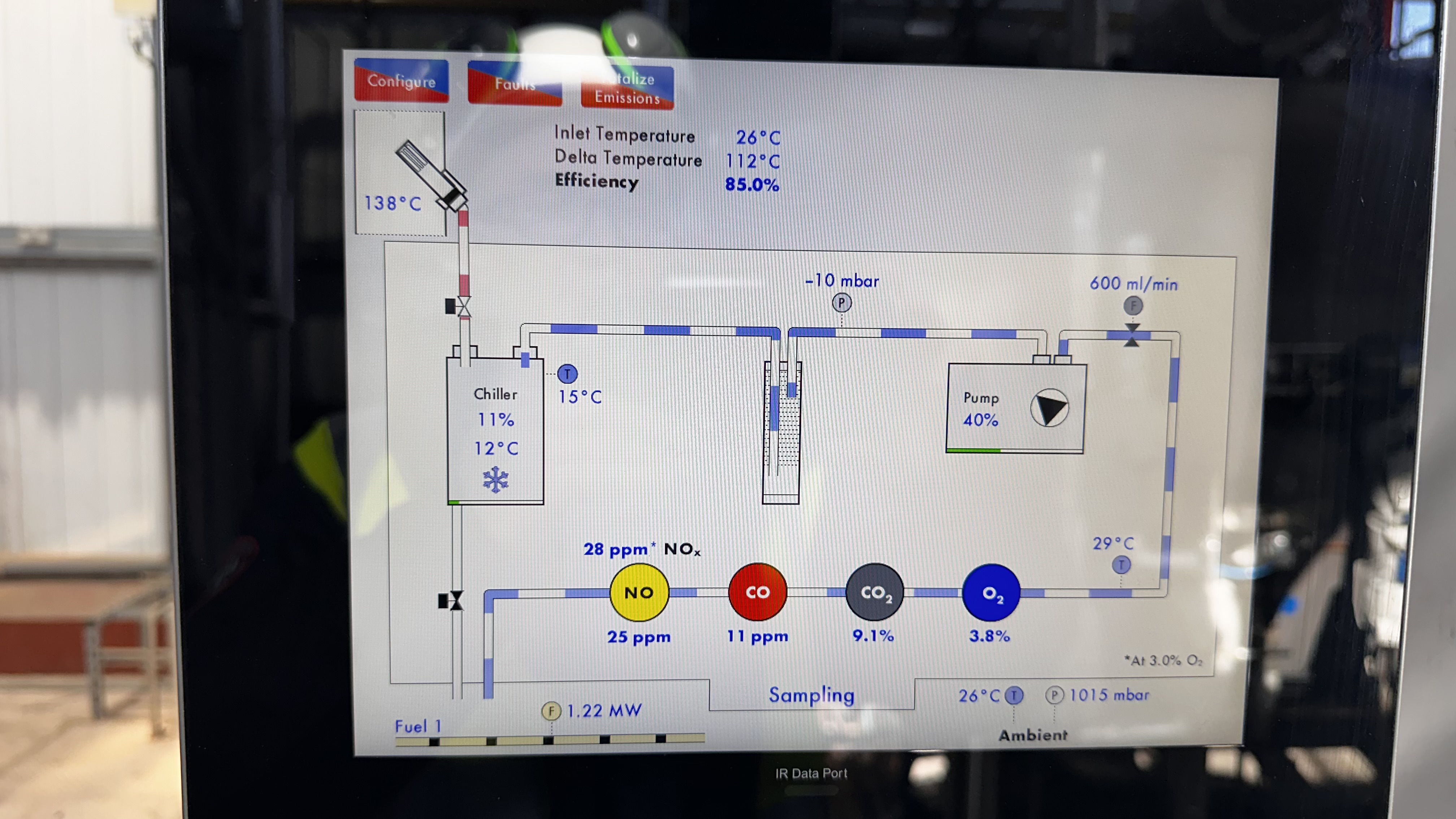
- Data Collection: Measuring mass flow rates, temperatures, and velocities at each exhaust stack to create accurate thermophysical models.
- Stream Analysis: Categorising hot and cold process streams to generate composite curves.
- Design Generation: Developing multiple Heat Exchanger Network (HEN) configurations.
- Evaluation: Assessing each option based on energy recovery potential, capital cost, and payback period.
A critical constraint for the analysis was the strict requirement to maintain product quality; consequently, any potential integration that could negatively impact the oven atmosphere or product throughput was excluded from the proposed designs.
Evaluation of Heat Recovery Options
The project investigated nine distinct design options, ranging from pre-heating combustion air to heating process water and thermal oil. The team modelled each scenario to calculate the recoverable energy and the associated Return on Investment (ROI).
| Design Option | Target Application | Estimated Energy Recovery (kW) | Realistic Annual Savings (kWh/pa) |
|---|---|---|---|
| Option 3 | Hot Water Generation | 189 | 784,274 |
| Option 7 | Boiler Exhaust Heating | 151 | 626,590 |
| Option 8 | Thermal Oil (10°C-175°C) | 231 | 960,217 |
Hot Water and Boiler Integration
Analysis revealed that heating process water using a heat exchanger offered a highly efficient route for energy recovery. Option 3, which combined flue gas from three oven zones, demonstrated the highest potential for energy recovery, saving up to 784,274 kWh annually. This design reduced CO₂ emissions by approximately 7,843 tonnes per year, providing a compelling case for both financial and environmental alignment.
Thermal Oil Heating
Following a specific request from the project stakeholders, the team adapted the analysis to include thermal oil heating. Utilising a specific thermal transfer fluid, the analysis compared two operational modes. Option 8 involved heating the fluid from 10°C to 175°C. This solution required a larger heat exchanger surface area of 88 m² but offered a robust recovery potential of 231 kW. When accounting for realistic efficiency factors and reduced operational losses, this option provided a clear path to significant annual savings.
Financial and Environmental Impact
The financial viability of the proposed heat recovery systems was evaluated using both initial capital costs and realistic expenditure models, which factored in installation, software, and commissioning.
The integration of waste heat recovery not only reduces direct gas expenditure but also mitigates the financial impact of the Climate Change Levy (CCL) and Emissions Trading System (ETS) liabilities.
The analysis showed that for the thermal oil heating configurations, the ROI could be reduced to under one year when accounting for the combined savings of energy usage reduction and tax mitigation (CCL and ETS). While initial capital costs for the thermal oil systems were estimated at £555,604 (for Option 8 under realistic costing), the annual savings in energy costs and emissions taxes provide a strong justification for the investment.
Conclusion and Recommendations
The project successfully identified that the industrial oven process line contains significant, recoverable thermal energy. The Pinch Analysis concluded that:
- Option 3 (Water heating from Zones 1, 2, and 3) and Option 7 (Boiler exhaust heat recovery) present the most efficient solutions for general site heating requirements.
- Thermal oil heating (Option 8) represents a highly effective use of high-grade waste heat, offering substantial potential for long-term energy savings.
The next phase of the programme will focus on developing a comprehensive system design. This will include detailed fan selection, PLC (Programmable Logic Controller) integration, and a rigorous pressure drop impact analysis on the fryer exhaust system. By implementing these tailored heat recovery strategies, the facility is well-positioned to reduce its carbon footprint and meet its long-term sustainability obligations.

Managing Director — EnerTherm Engineering
Dr. François Pierrel is Managing Director of EnerTherm Engineering with over two decades of expertise in thermal design, heat transfer, and industrial energy optimisation. He holds a PhD in Heat Transfer from Cranfield University and a Post-Doctorate from Heriot-Watt University.
