Optimising Thermal Performance and Heat Recovery in Food Processing
Project Overview
A food production company was operating a manufacturing production line that required an energy efficiency review. The facility, which utilised both a high-temperature dryer and a steam boiler, experienced significant thermal loss through uninsulated surfaces and flue gas exhausts. The engineering consultancy was engaged to assess thermal performance, investigate process inconsistencies, and identify actionable opportunities for energy recovery.
The site visit, conducted over two days, involved comprehensive thermal profiling of the drying equipment and an analysis of exhaust streams from both the dryer and the boiler. The primary objective was to quantify energy waste and propose technical interventions to improve efficiency and optimise production quality.
Thermal Profiling of the Manufacturing Production Line
To understand the drying process, the project team deployed a heat flux sensor through the length of the manufacturing production line. Because placing the instrument directly in the product bed would damage the equipment, the study was conducted on an empty belt. While the airflow characteristics differ slightly with a 200 mm product bed depth, the data provided a reliable baseline for the thermal environment.
The analysis revealed a distinct imbalance in heat distribution. Specifically, heat flux measurements indicated that the bottom-mounted heat sources were significantly more dominant than top-mounted heat sources, delivering up to 4,500 W/m² compared to 2,000 W/m² at the top. This bottom-heavy heat profile suggests that the product is primarily dried from underneath, which is an effective strategy for preventing moisture entrapment, but the current configuration may lead to case hardening if the initial heat flux is too high.
The study also highlighted lateral variability across the conveyor belt. Minor deviations were noted, and a measurable dip in both heat flux and temperature was identified, likely caused by an obstruction in the airflow. Further trial runs were recommended to optimise the baking profile by adjusting inverter speeds and implementing continuous moisture monitoring to reduce overall cycle times.
Thermal Insulation Strategy
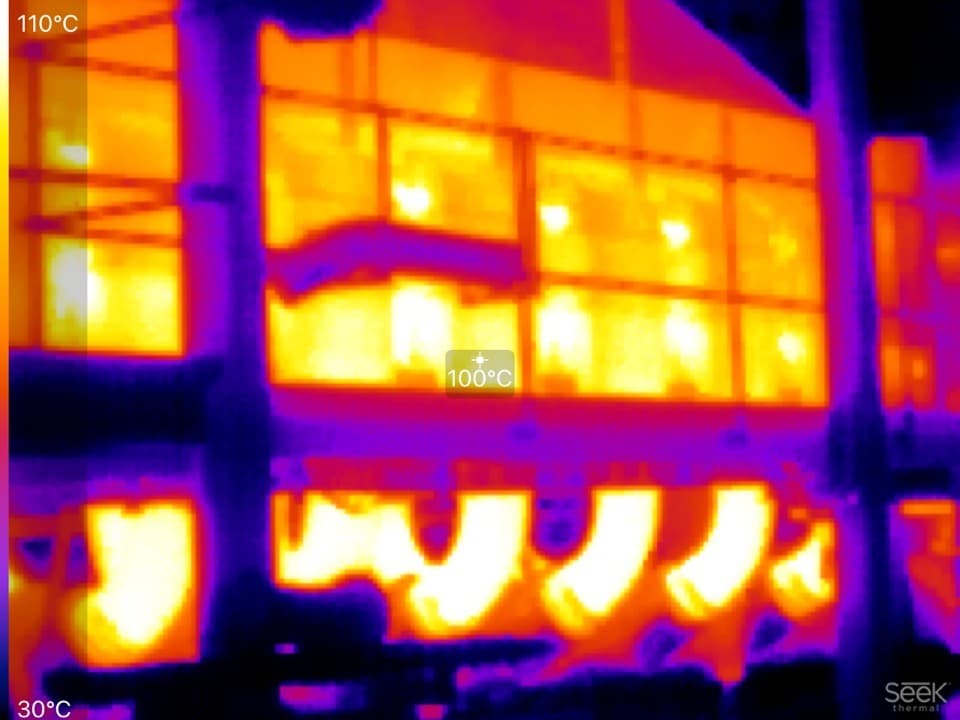
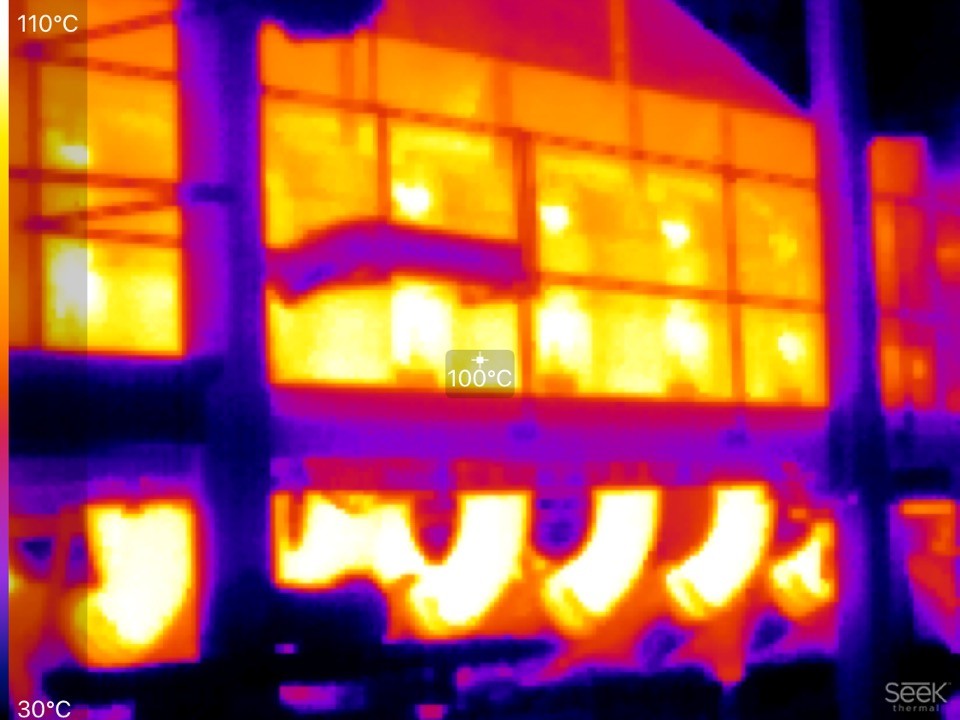
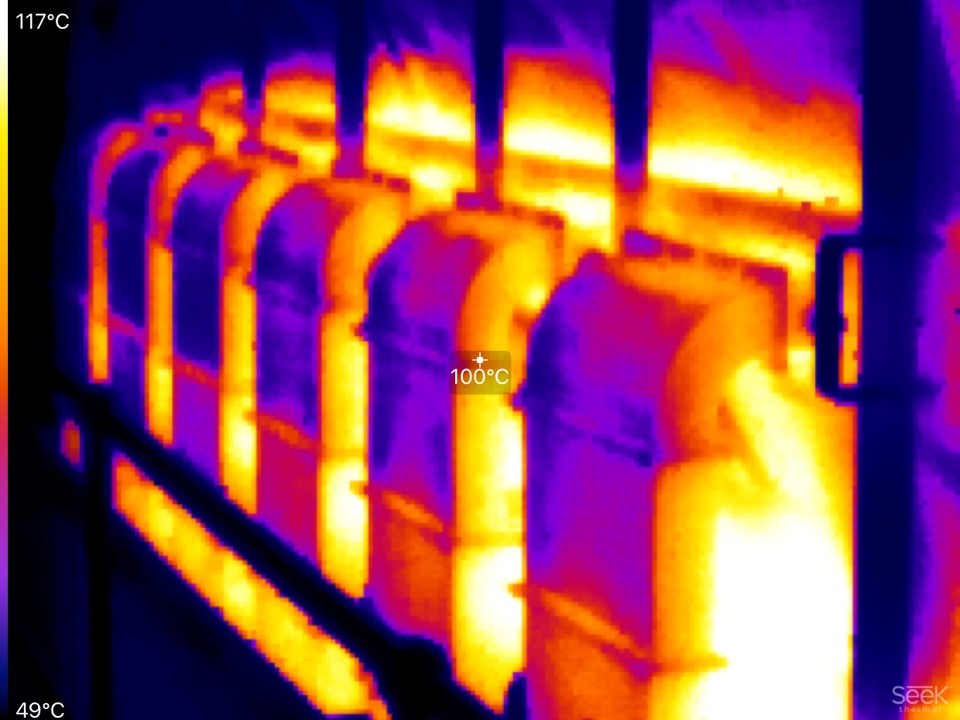
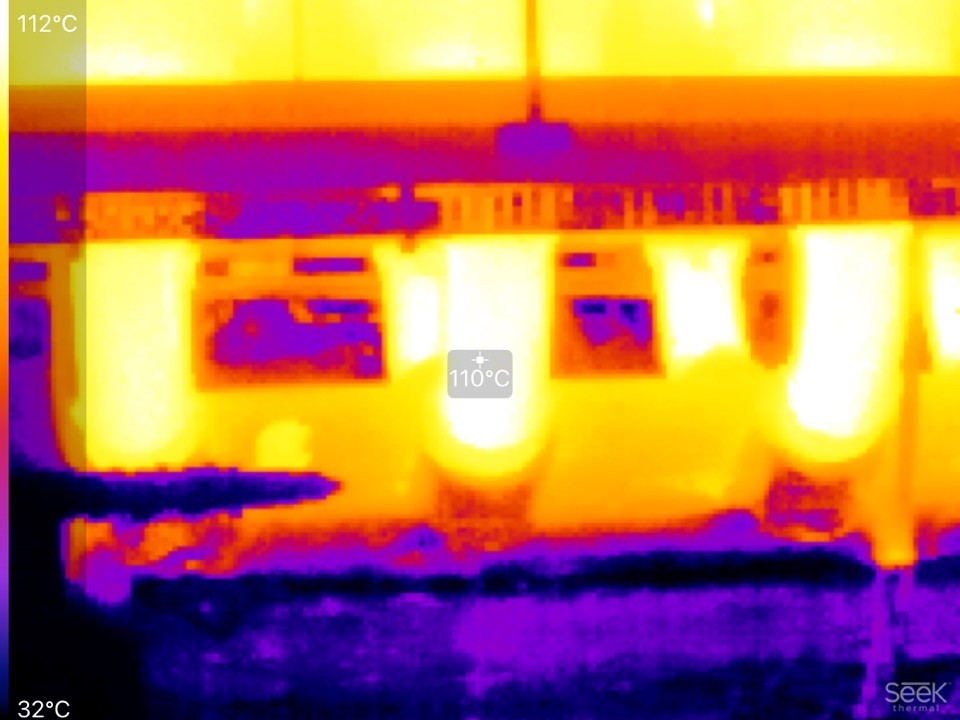
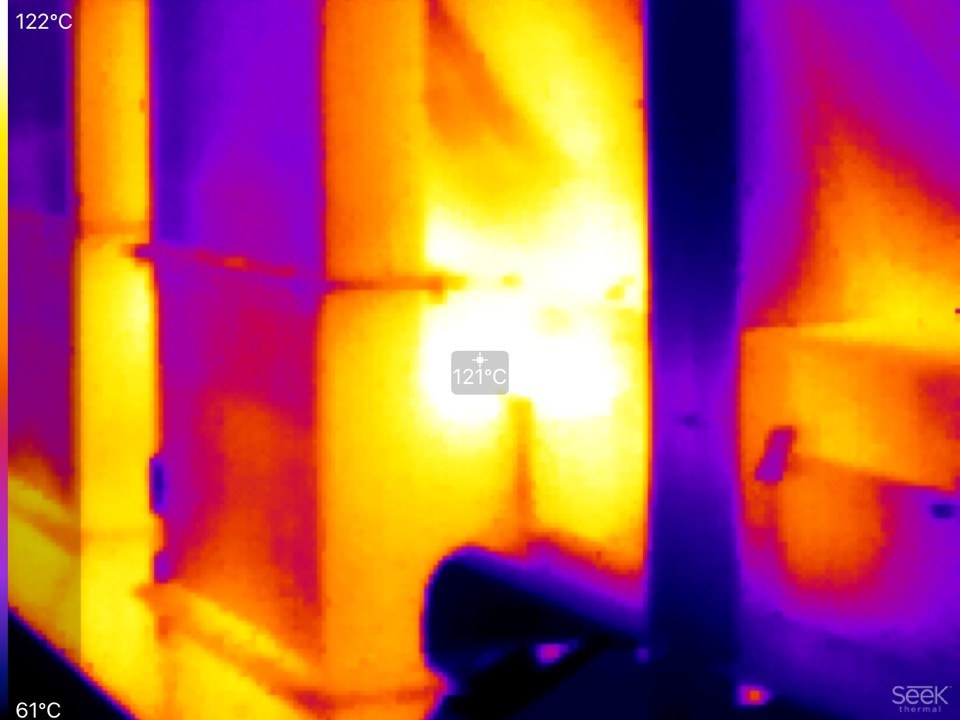
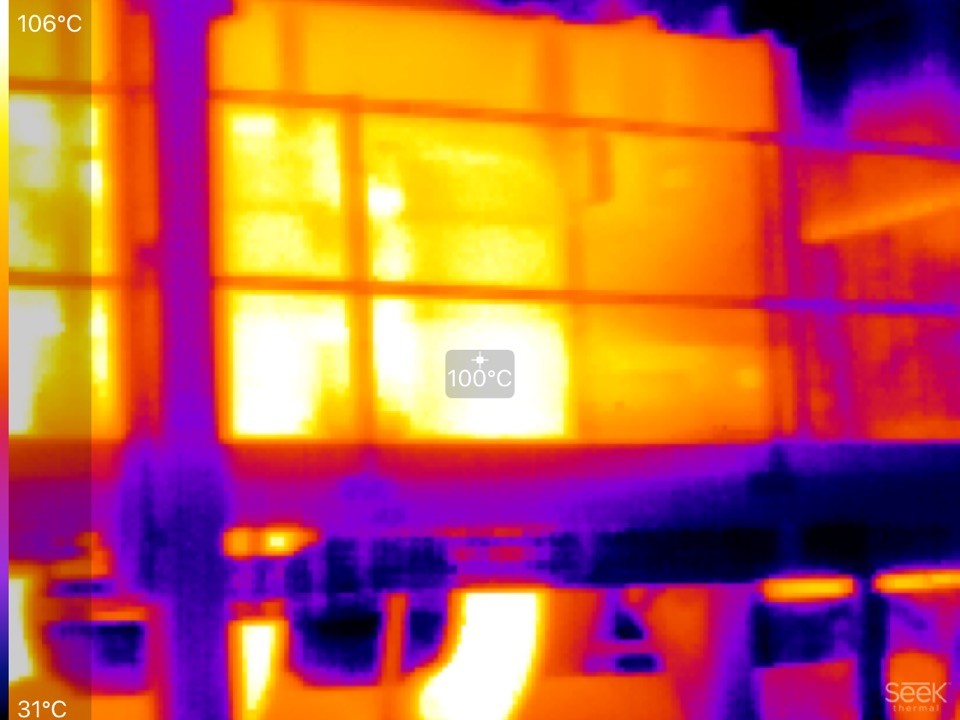
The manufacturing equipment supplier had insulated only the tubular sections and the dryer hood, leaving the remaining dryer body uninsulated. Surface temperatures in these areas were high, posing a safety risk and contributing to substantial energy loss. To quantify the potential for improvement, the project team utilised CFD to create a 3D thermal model of the dryer.
The model was validated using infrared thermography data captured during the site visit, ensuring the simulated surface temperatures aligned with actual measurements within a tolerance of +/- 3 degrees Celsius. The results were stark:
| Parameter | Heat Loss (kW) |
|---|---|
| Insulated Surface Area | 2.6 kW |
| Non-Insulated Surface Area | 62.0 kW |
By applying 12 mm of high-performance thermal insulating coating to the non-insulated surfaces, the facility could recover a substantial portion of this wasted heat. This intervention was calculated to save approximately 229,632 kWh of energy per annum.
Waste Heat Recovery Opportunities
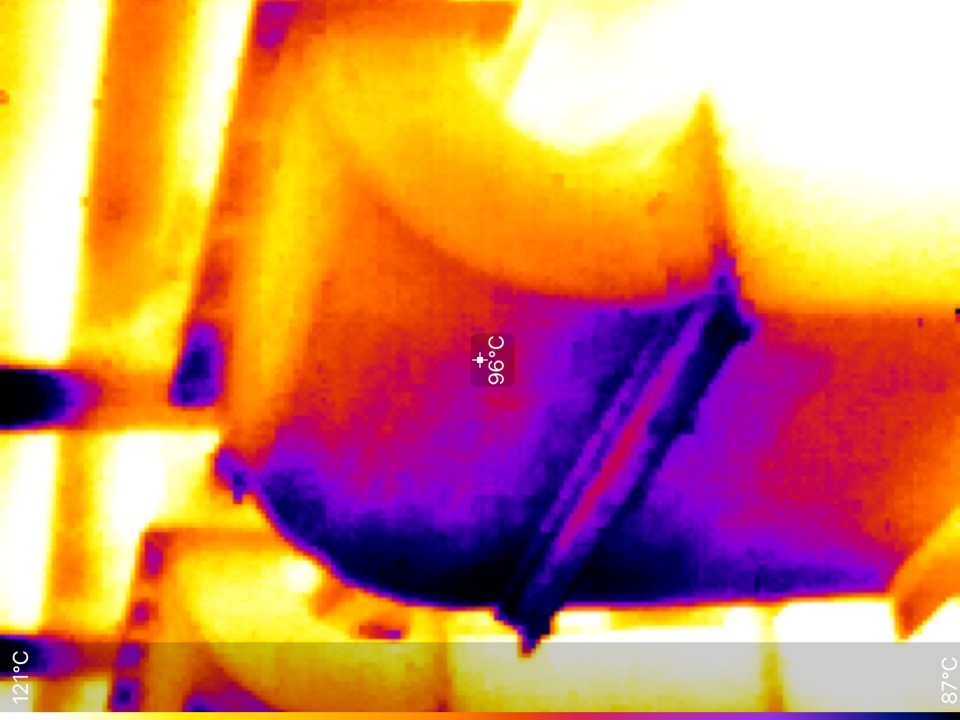
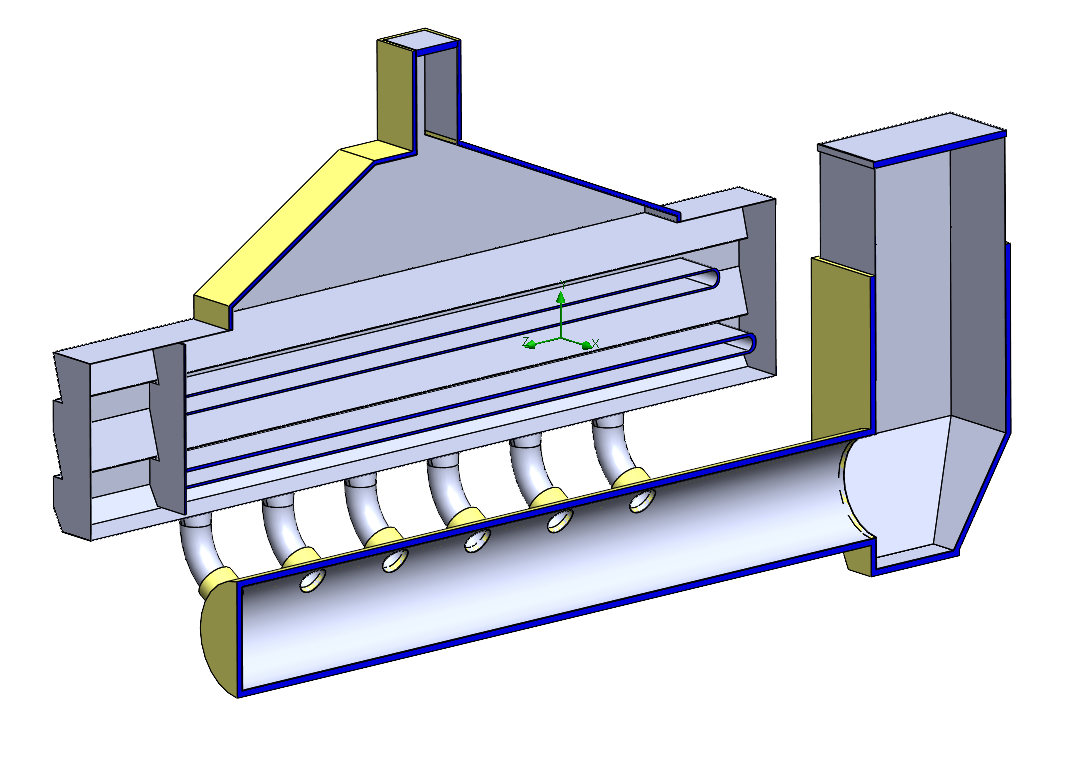
The assessment extended to the exhaust streams of the dryer and the steam boiler. The dryer exhaust, while moderate in temperature at 68.5 degrees Celsius, possessed a high volume flow rate, making it a prime candidate for pre-heating incoming combustion air.
Dryer Exhaust Heat Recovery
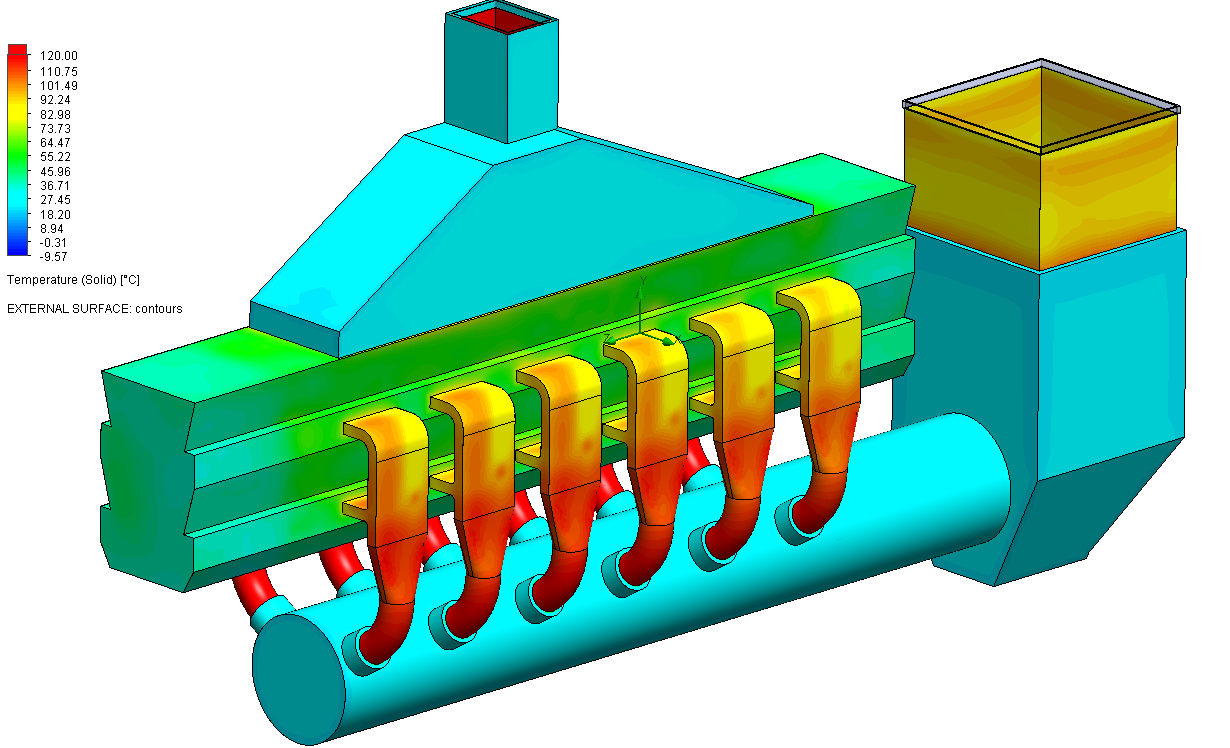
Currently, the drying process draws air from outside the building, meaning the inlet temperature fluctuates significantly between seasons. The project team modelled an air-to-air heat exchanger system equipped with an additional fan to mitigate pressure drops. This configuration would allow the facility to recover 140 kW of energy, reducing natural gas consumption by 19 m³/h.
Boiler Heat Recovery
The analysis of the steam boiler evaluated two potential recovery points: combustion air pre-heating and boiler feed water pre-heating. While the boiler flue gas temperature was higher (160 degrees Celsius) than the dryer exhaust, the total volume flow was lower, resulting in a more modest energy recovery potential of 28 kW for combustion air pre-heating.
However, pre-heating the boiler feed water proved to be a more effective strategy. By routing flue gas energy to the feed water tank, the model indicated that the facility could recover 55 kW of energy, contributing to a meaningful reduction in boiler fuel demand.
Summary of Potential Savings
The investigation demonstrated that a multi-faceted approach to energy management-incorporating insulation, process optimisation, and heat recovery-offers a clear path to reduced operating costs. The following table summarises the projected annual savings based on the findings from the thermal recovery project report.
| Intervention Area | Projected Energy Saving (kWh/annum) | Projected Financial Saving (£/annum) |
|---|---|---|
| Dryer Insulation | 229,632 | 6,659 |
| Dryer Combustion Air Pre-heat | 1,048,597 | 30,409 |
| Boiler Combustion Air Pre-heat | 137,973 | 4,001 |
| Boiler Feed Water Pre-heat | 275,947 | 8,002 |
| Total | 1,692,149 | 49,071 |
These findings provided the project stakeholder with the data necessary to prioritise capital investment, focusing first on the areas offering the highest return on investment while simultaneously improving the operational stability of the production line.

Managing Director — EnerTherm Engineering
Dr. François Pierrel is Managing Director of EnerTherm Engineering with over two decades of expertise in thermal design, heat transfer, and industrial energy optimisation. He holds a PhD in Heat Transfer from Cranfield University and a Post-Doctorate from Heriot-Watt University.
