Reducing Fuel Consumption by 4% via Flue Gas Heat Recovery at a Snack Manufacturing Facility
Project Context
A large-scale snack manufacturing facility, operating a 12MW industrial heater system, identified significant energy wastage through its flue stack. Process analysis revealed that exhaust gases were being vented at 185 degrees Celsius, representing a substantial thermal loss that offered a direct opportunity for efficiency improvements. The facility management engaged a thermal engineering company to conduct a comprehensive site assessment and evaluate the feasibility of recovering this waste heat.
The facility was primarily concerned with the carbon footprint of its production line and the rising costs of fuel. Before committing to capital expenditure, the client required a detailed Industrial Energy Audit to quantify the potential returns. The project objective was to design and install a system that would capture this thermal energy and redirect it back into the process to optimise fuel usage.
Investigation and Methodology
The engineering team commenced the project with a rigorous data capture phase to establish a baseline. This involved monitoring the heat and mass balance of the industrial heater system. By establishing the exact flow rates and temperatures of the exhaust gases, the team could perform a Pinch Analysis to determine the theoretical maximum recovery potential.
The technical investigation led to the development of a Functional Design Specification (FDS), which mapped out the requirements for integrating a heat recovery system. Key to this process was the generation of detailed Process and Instrumentation Diagrams (P&ID) and Process Flow Diagrams (PFD). These documents ensured that the proposed equipment could be integrated into the existing facility layout without disrupting ongoing production.
System Implementation
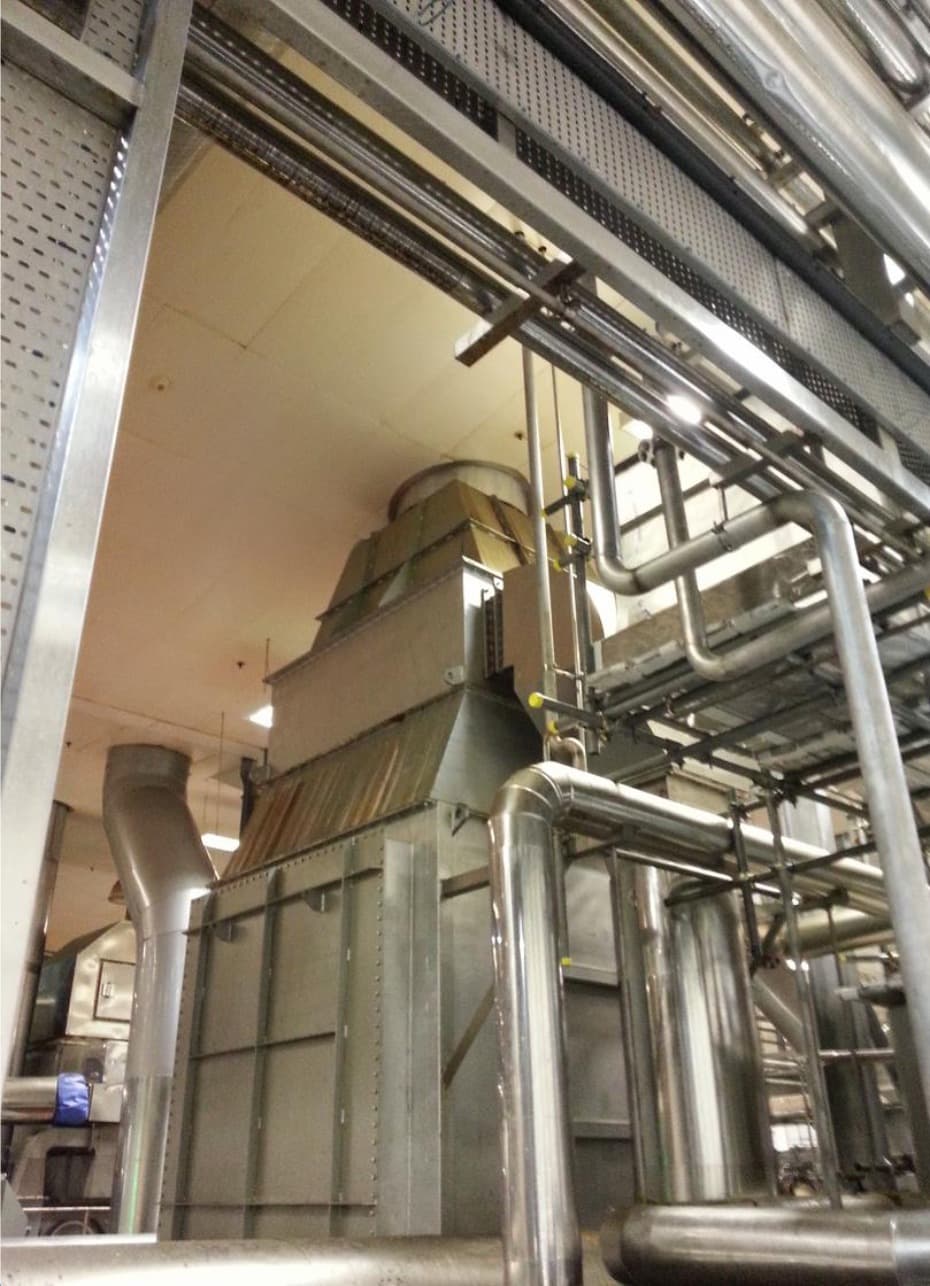
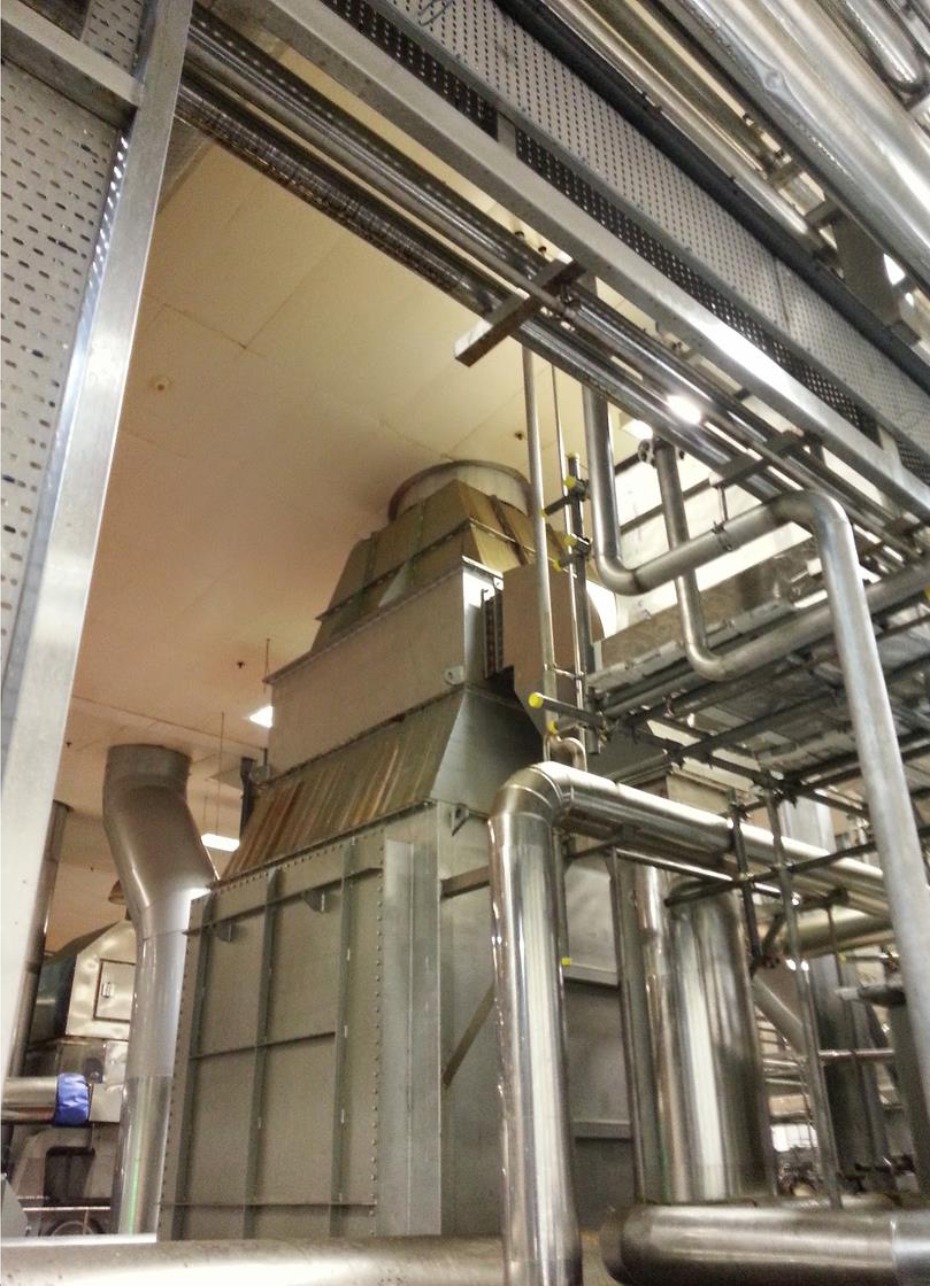
The proposed solution focused on the installation of a high-efficiency heat recovery unit designed to function as an economiser. This unit was engineered to transfer heat from the 185 degrees Celsius exhaust stream into the incoming combustion air.
The project timeline was defined by strict manufacturing and installation constraints:
- 3 weeks for conceptual and detailed design work.
- 16 weeks for equipment procurement and fabrication.
- 2 days for on-site installation and system integration.
By utilising this specific combustion air preheating technique, the system was configured to elevate incoming air temperatures from an ambient 20 degrees Celsius to 130 degrees Celsius. This delta ensured that the combustion process required significantly less fuel to achieve the necessary operating temperatures within the heater.
Results and Performance
Following the commissioning of the heat recovery system, a 3-week data monitoring period was conducted to verify performance against the initial baseline report produced during the feasibility stage. The results demonstrated a direct correlation between the air preheating and fuel consumption reduction.
| Performance Metric | Outcome |
|---|---|
| Heat Recovery Capacity | 500kW |
| Combustion Air Temperature Increase | 20°C to 130°C |
| Annual Fuel Savings | £46,000 |
| Energy Consumption Reduction | 3-4% |
| Payback Period | 3 Years |
The recovered 500kW of energy directly offset fuel requirements, resulting in a measurable efficiency improvement of between 3% and 4%, dependent upon production throughput. The financial savings of £46,000 per annum provided the client with a clear return on capital investment, with the project achieving full payback within 3 years of operation. This case demonstrated that even with high-temperature flue gas, targeted engineering solutions can transform waste streams into valuable process inputs, contributing to both operational cost control and broader sustainability objectives.

Managing Director — EnerTherm Engineering
Dr. François Pierrel is Managing Director of EnerTherm Engineering with over two decades of expertise in thermal design, heat transfer, and industrial energy optimisation. He holds a PhD in Heat Transfer from Cranfield University and a Post-Doctorate from Heriot-Watt University.
