Reducing Thermal Waste: Improving Energy Efficiency on a Large Industrial Oven
The industrial oven at the production facility of the client organization operates on a continuous 24/7 duty cycle, pausing only for brief, scheduled maintenance periods. With the asset running for approximately 8,134 hours per annum, the engineering consultancy was commissioned to investigate chronic thermal losses emanating from the unit. The client contact required a quantitative analysis of heat dissipation across critical zones, including the burner housings, control panels, and the mezzanine floor infrastructure, to determine the feasibility of energy reduction measures.
Methodology and Diagnostic Approach
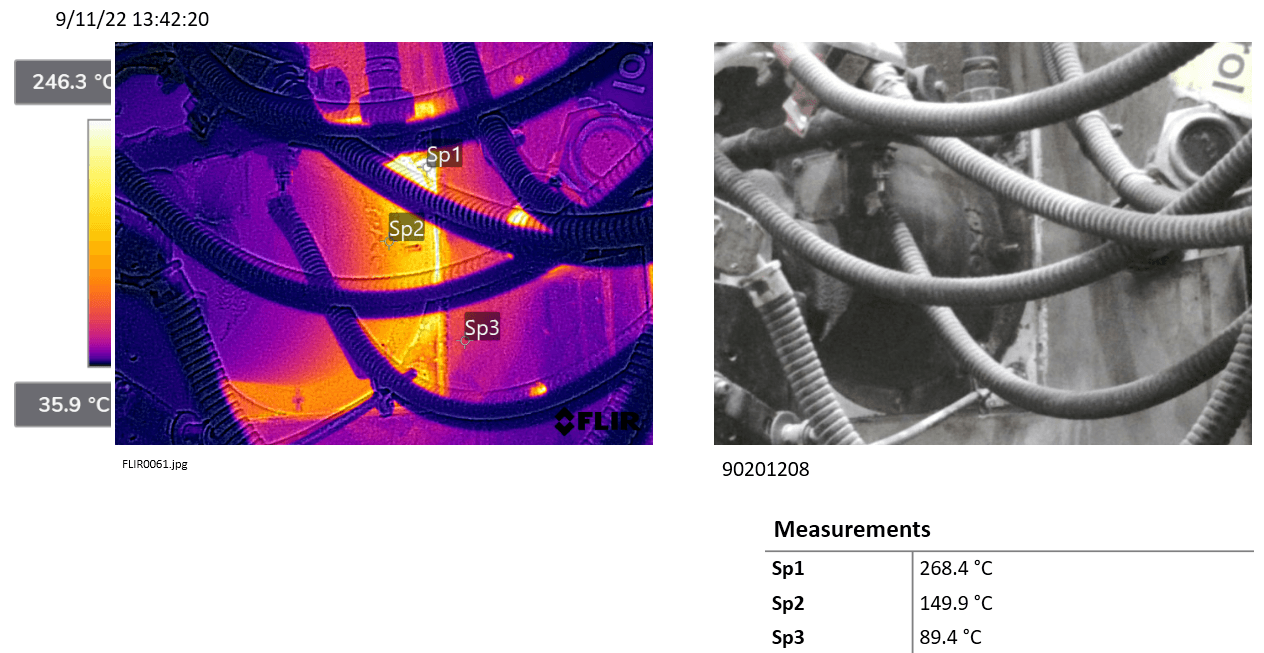
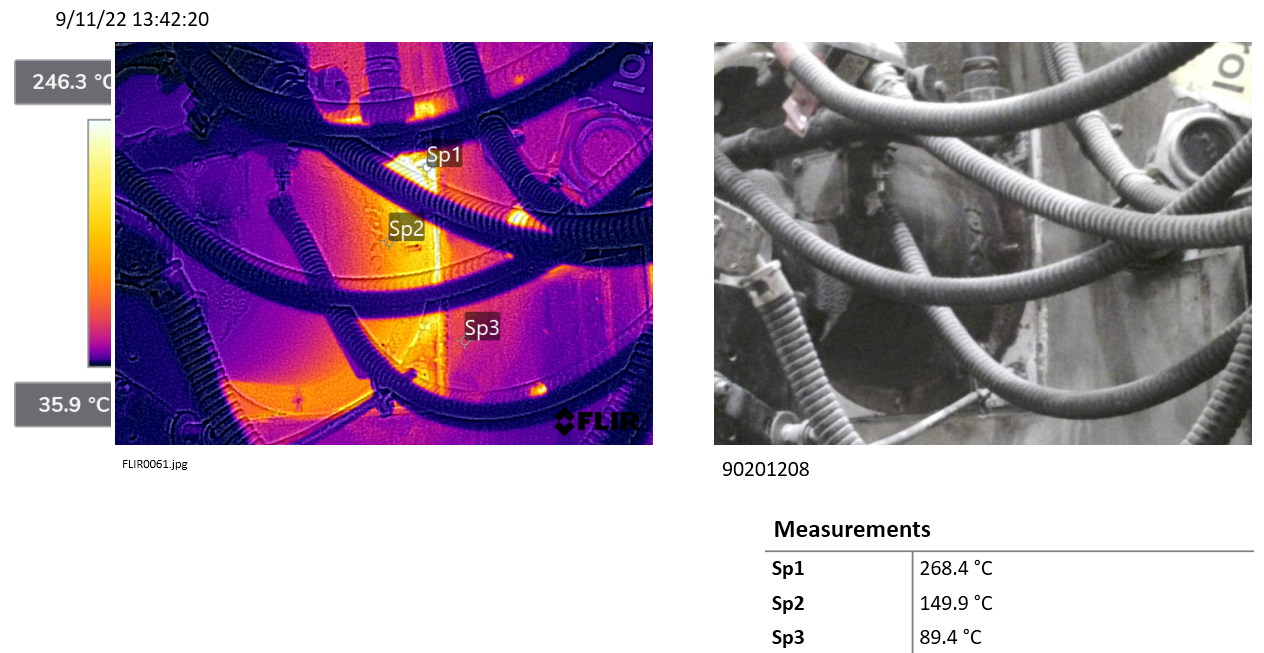
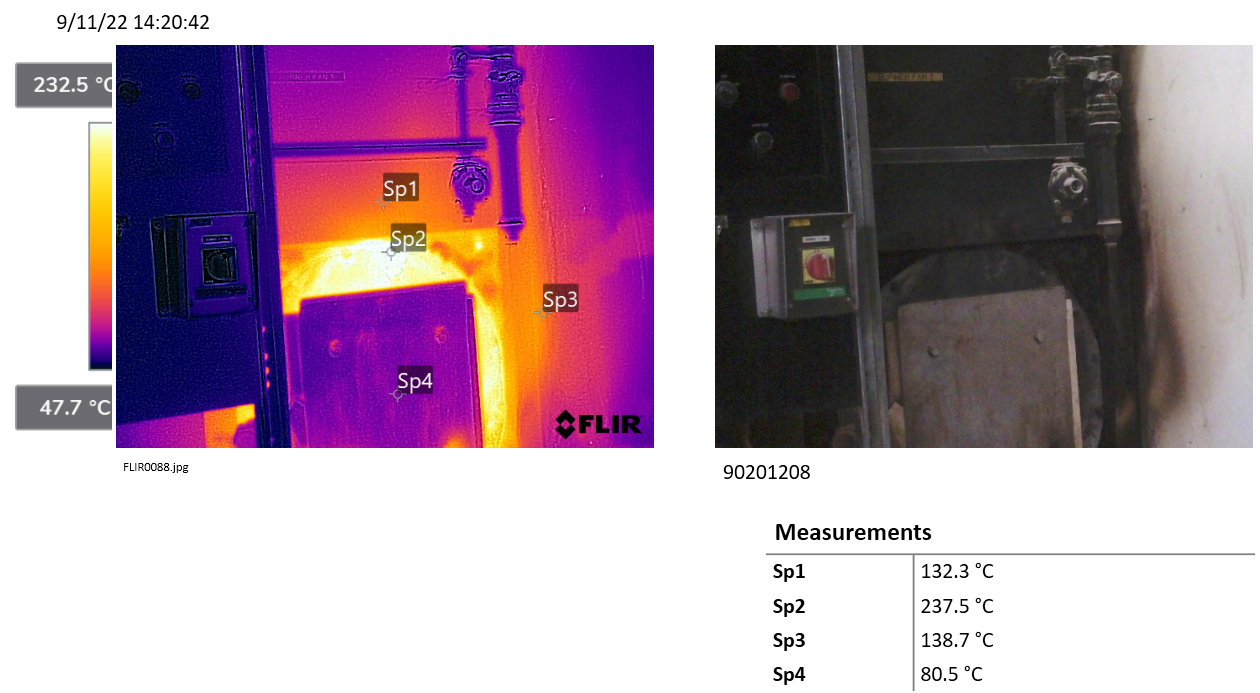
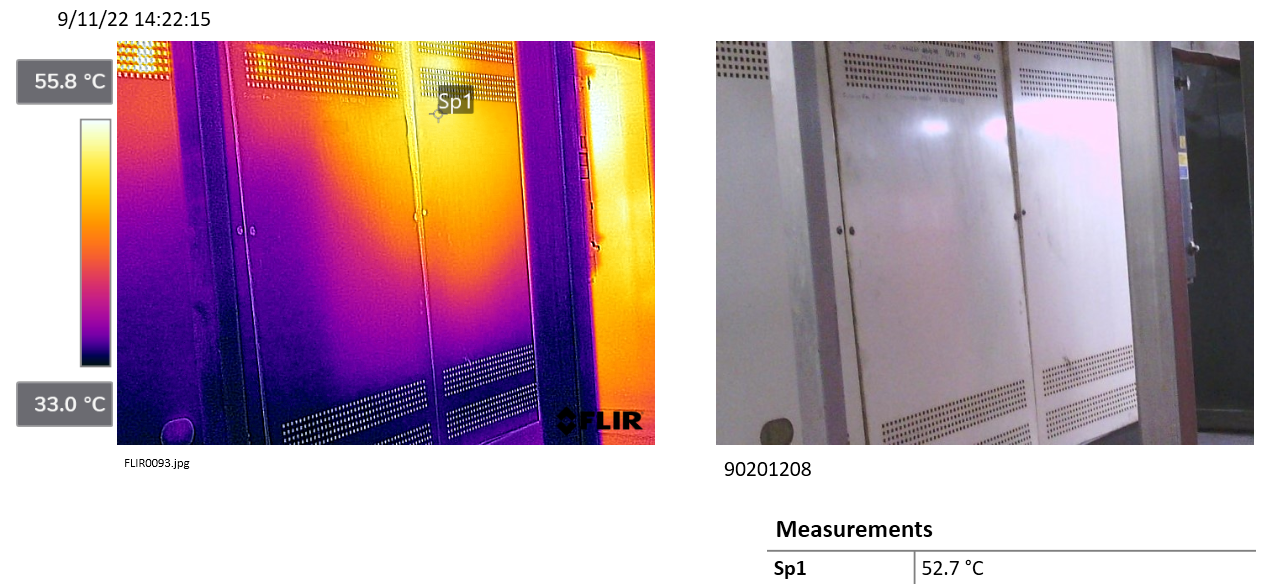
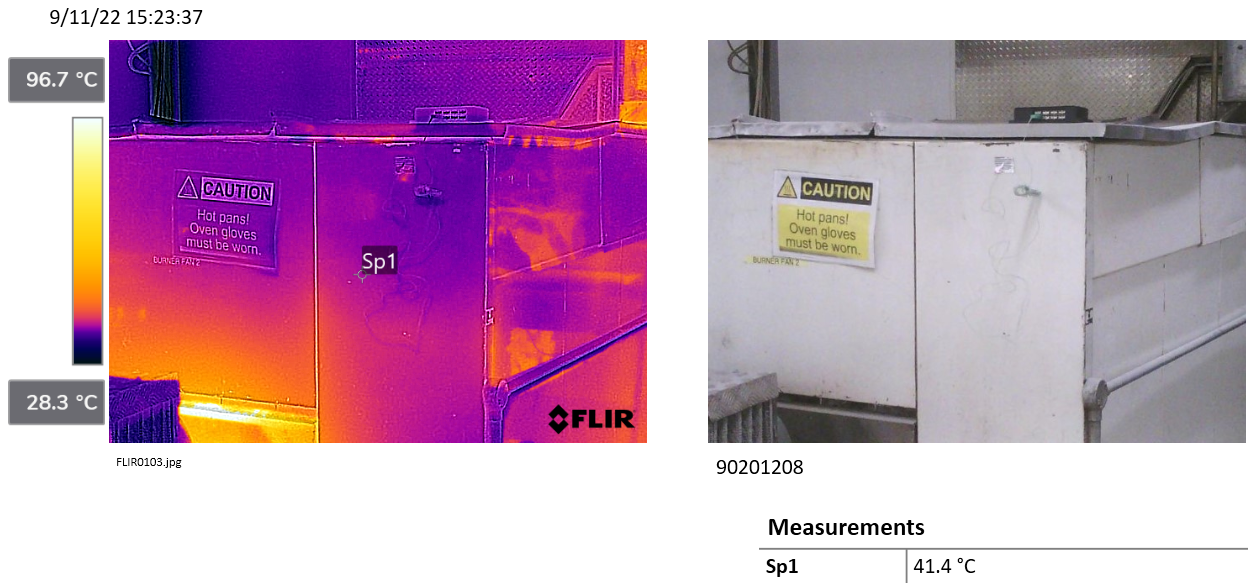
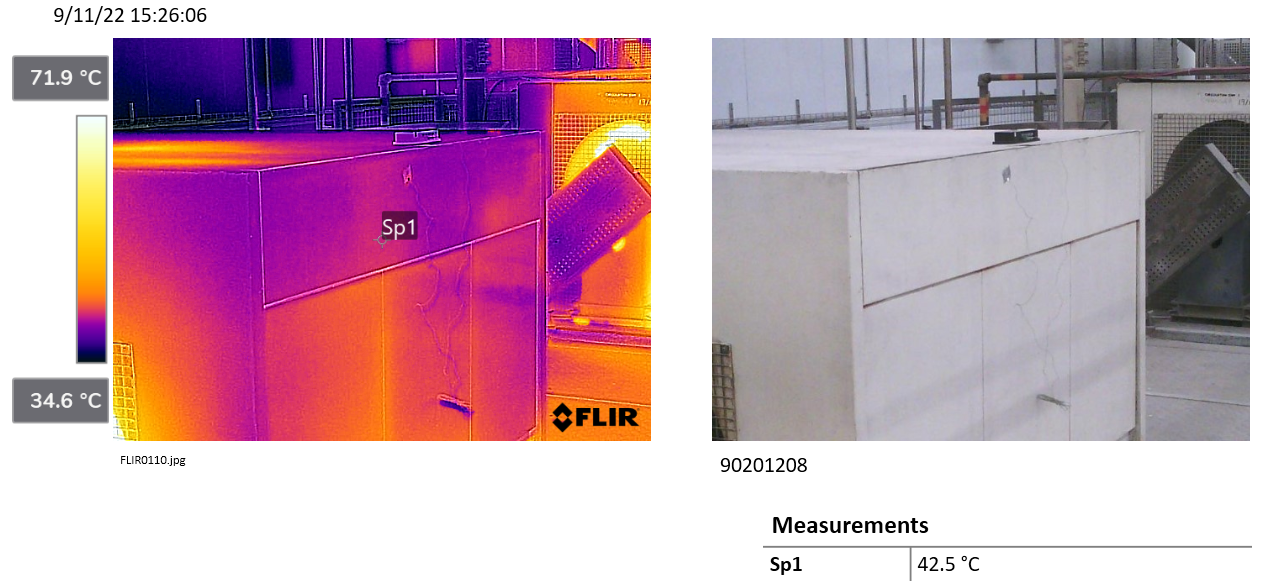
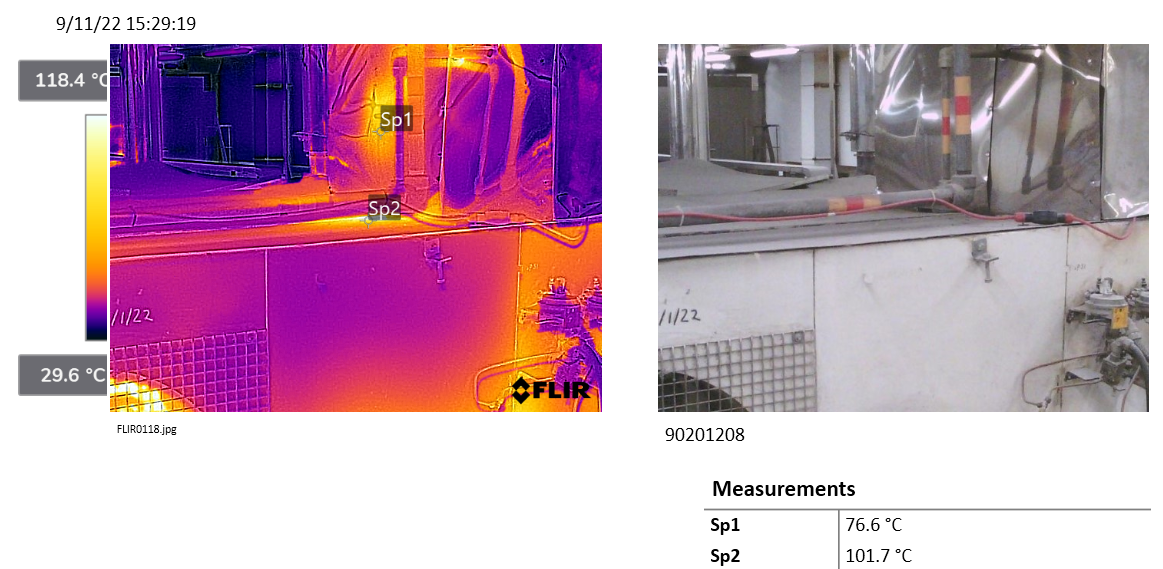
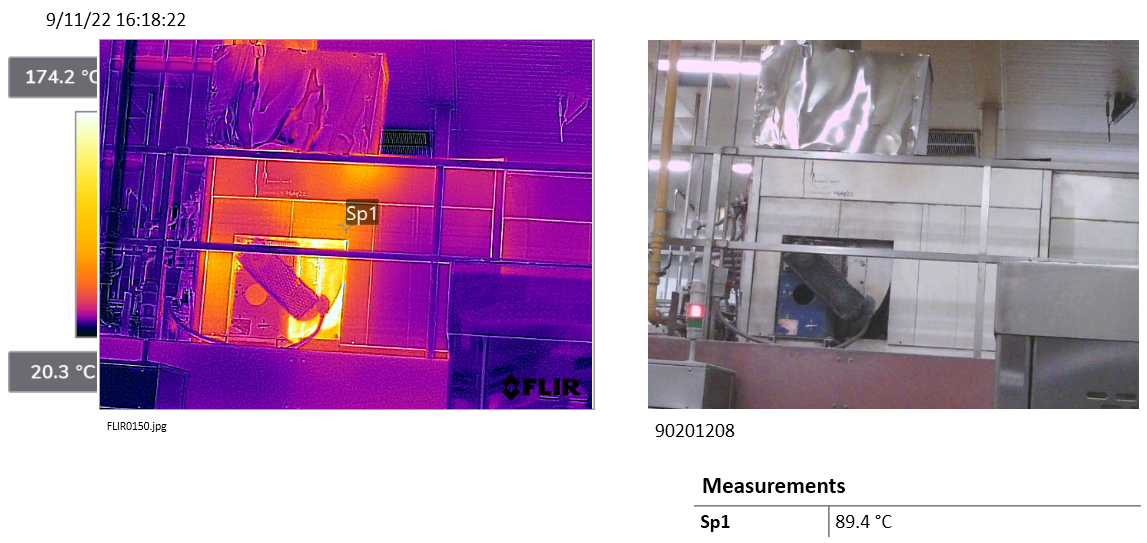
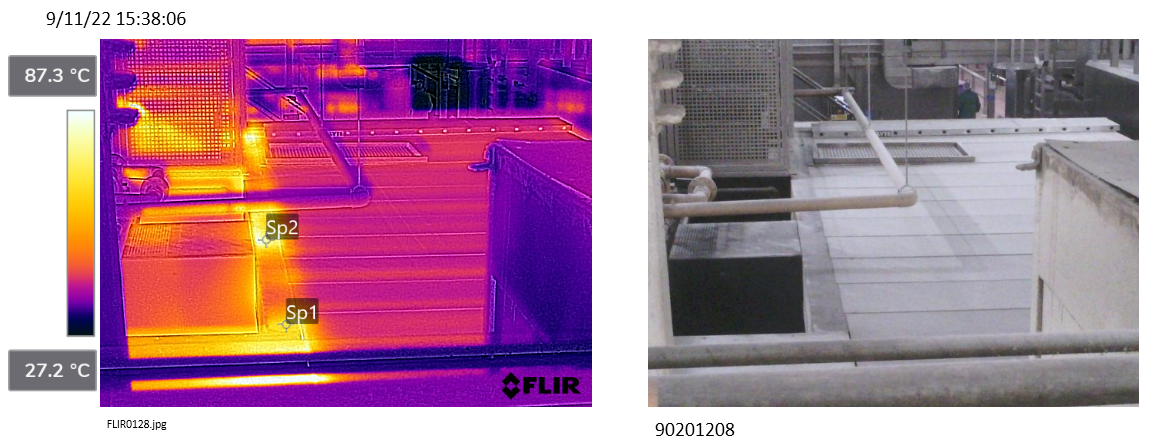
To establish an accurate energy balance, the lead consultant and the project engineer deployed a dual-modality diagnostic approach. The primary method involved infrared thermography to scan the exterior skin of the industrial oven. This non-intrusive method allowed the team to pinpoint specific hotspots where thermal energy was escaping into the factory environment.
To refine the data accuracy, the team utilised contact-based surface thermocouples. These sensors were essential for evaluating the emissivity of the oven casing. By establishing accurate emissivity values for the various metal surfaces, the engineering consultancy ensured that the subsequent heat loss calculations - which accounted for both radiation and convection - were representative of real-world operating conditions.
Analysis of Thermal Losses
The thermal recovery project revealed that heat loss was not uniform across the structure. The engineering consultancy identified significant discrepancies in thermal integrity across the surveyed zones: the control panel side, the Burner 4 side area, the mezzanine floor, and the roof inlet. The survey highlighted several specific failures in thermal management, including:
- Hotspots near the electrical control panel.
- Signs of compromised seals around oven doors.
- Absence of effective lagging in critical sections of the burner housings.
- Thermal leakage at the burner head interfaces.
Data analysis indicated that 77% of the total skin losses were concentrated in specific, accessible areas. These hotspots represented a direct impact on the energy required to maintain the set temperature within the industrial oven. In total, the survey quantified these losses at 35.7 kW. Based on an energy cost of 9 pence per kWh, these inefficiencies were contributing to a significant operational overhead.
| Loss Source Area | Calculated Loss (kW) | Potential Savings (GBP/pa) |
|---|---|---|
| Burner 4 Side (Ground) | 12.5 | £9,100 |
| Mezzanine Floor | 11.2 | £8,200 |
| Control Panel Side (Ground) | 12.0 | £8,700 |
| Total Identified Savings | 35.7 | £26,000 |
Strategic Opportunities for Energy Reduction
Upon reviewing the thermal recovery report, the engineering consultancy proposed a tiered strategy to mitigate these losses. The recommendations focused on two distinct avenues: immediate insulation upgrades and long-term exhaust heat recovery.
Surface Insulation and Thermal Coatings
The most immediate opportunity identified was the application of high-performance thermal coatings. The team recommended the use of a seamless, multi-layer thermal insulation system - specifically a combination of 25 mm and 3 mm layers of specialised coating materials. These coatings are designed to be applied directly to the internal surfaces of panel doors or the exterior of the industrial oven doors themselves, providing a consistent thermal barrier capable of withstanding operating temperatures of up to 300 C.
The application of these thermal coatings alone accounts for the majority of the projected financial recovery, offering an estimated annual saving of £21,000.
By effectively sealing the identified hotspots, the client organisation can reduce the energy demand on the burners, leading to a direct decrease in fuel consumption and a reduction in the ambient temperature of the surrounding workspace.
Exhaust Heat Recovery Potential
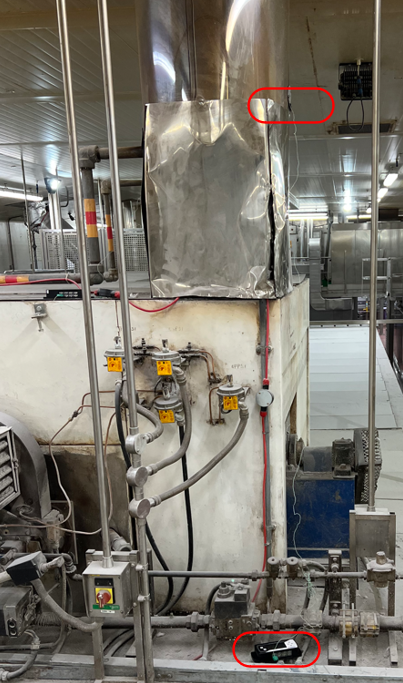
In addition to skin losses, the engineering consultancy analysed the exhaust stream of the industrial oven. Measurements taken at the flue indicated an exhaust gas temperature of 243 C. This represents a significant volume of high-grade waste heat.
While the thermal coating strategy addresses the immediate surface losses, the exhaust stream presents a larger, albeit more complex, opportunity for efficiency improvements. The team recommended a follow-up assessment to quantify the flue gas flow rate. With this data, the engineering consultancy could design a system to capture this energy, potentially repurposing it to preheat combustion air or process water. This secondary phase of the thermal recovery project would further improve the overall energy intensity of the baking process.
Conclusion
The heat loss survey provided the client organisation with a clear, data-driven roadmap to reduce operational expenditure. By isolating and treating the 35.7 kW of thermal energy leaking from the industrial oven, the client can achieve annual cost savings of £26,000. The implementation of the proposed thermal coatings serves as a high-return, low-disruption measure, while the ongoing investigation into exhaust heat recovery offers a pathway to even deeper efficiencies in the future.

Managing Director — EnerTherm Engineering
Dr. François Pierrel is Managing Director of EnerTherm Engineering with over two decades of expertise in thermal design, heat transfer, and industrial energy optimisation. He holds a PhD in Heat Transfer from Cranfield University and a Post-Doctorate from Heriot-Watt University.
