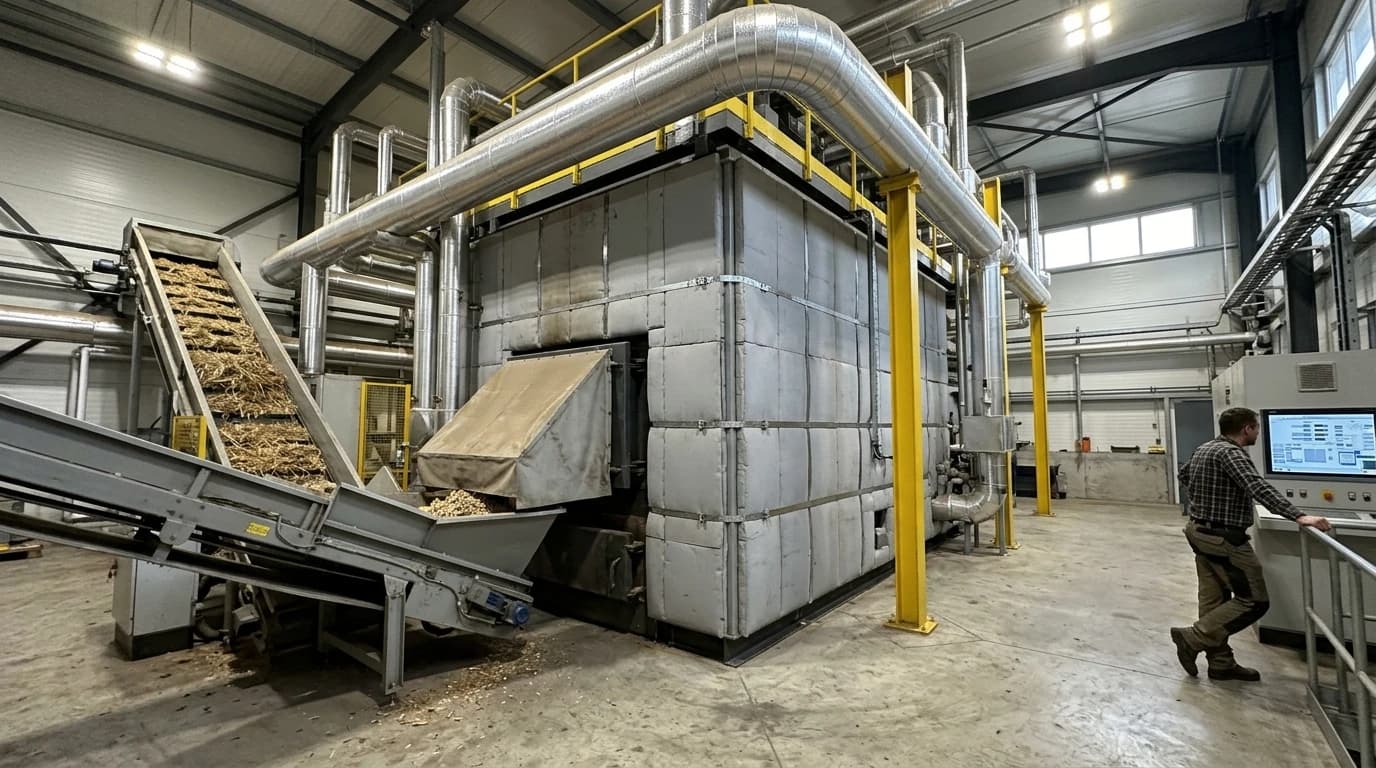
Turning Agricultural Waste into Profit: Thermal Recovery ROI
Analysis of capital grant frameworks and operational efficiency for industrial plants.
Agricultural processing facilities generate thousands of tonnes of organic by-products annually, with waste management and energy consumption often accounting for over 30% of total facility operating costs. Historically, operations directors have viewed organic residue—from crop stalks and husks to animal processing by-products—as a strict liability, incurring heavy transport and landfill gate fees. However, volatile energy markets and stringent environmental regulations have fundamentally altered the financial calculus of waste management. Modern industrial thermal engineering enables large-scale agricultural processors to transition from costly disposal models to highly lucrative waste-to-energy (WtE) thermal recovery systems.
For Chief Financial Officers and Plant Directors, justifying the capital expenditure for on-site incinerators, dehydrators, and process heaters relies entirely on a rigorous cost-benefit analysis. A correctly engineered thermal recovery system does not merely eliminate disposal fees; it generates high-grade process heat and steam, directly offsetting fossil fuel dependence and dramatically reducing the facility's carbon footprint.
The Economic Imperative for Waste-to-Energy in Agriculture
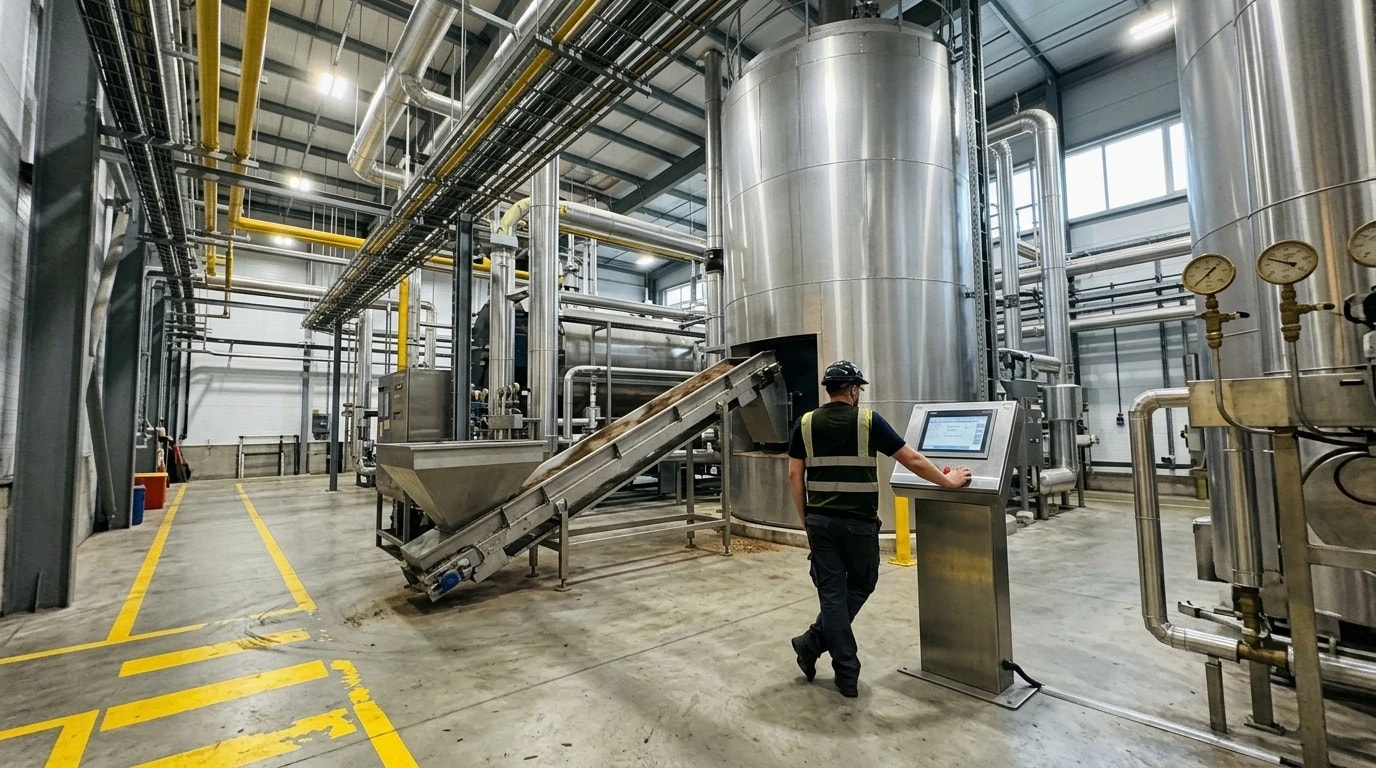
Large-scale food, drink, and dairy processors operate incredibly energy-intensive processes. Pasteurisation, evaporation, and large-scale product dehydration require constant, reliable baseload thermal energy. At the same time, these facilities produce continuous streams of biomass and organic waste. Treating this waste as fuel bridges the gap between waste management and energy procurement, fundamentally transforming plant economics.
Shifting from Disposal to Energy Recovery
The financial viability of a waste-to-energy system hinges on its operational classification. The difference between a disposal overhead and a revenue-generating asset is defined by thermal efficiency. When plant engineers specify high-efficiency thermal recovery systems, the facility stops paying third-party contractors to haul away biomass. Instead, that material is combusted or gasified on-site, with the resulting thermal energy captured and redirected into the plant’s primary processing lines. This dual-benefit model isolates agricultural operations from grid price fluctuations and unpredictable waste tax hikes.
Agricultural residues vary wildly in physical properties, moisture content, and lower heating value (LHV). Dry cereal husks can yield an LHV exceeding 15 MJ/kg, providing an excellent combustion fuel. Conversely, wet dairy sludge or fruit pomace requires pre-treatment. By passing wet waste through industrial dehydrators prior to combustion, facilities ensure a net-positive energy balance. The energy expended to dry the waste is vastly outweighed by the thermal energy released during highly controlled combustion.
Baseline Energy Demands in Agricultural Processing
In sectors such as milk powder production or grain drying, multi-effect evaporators and fluid-bed dryers consume vast amounts of thermal energy. Plant directors must constantly source process steam and hot air. A dedicated on-site thermal recovery unit effectively creates a closed-loop energy cycle. The calorific value locked within processing residues is released through combustion, transferred via heat exchangers or boilers, and delivered back to the process heaters.
According to European benchmark data, producing milk powder consumes between 0.3 and 0.4 kWh per litre of processed milk. Supplying this intense energy requirement entirely via grid electricity or natural gas exposes the facility to immense operational expense. On-site waste combustion directly mitigates this exposure.
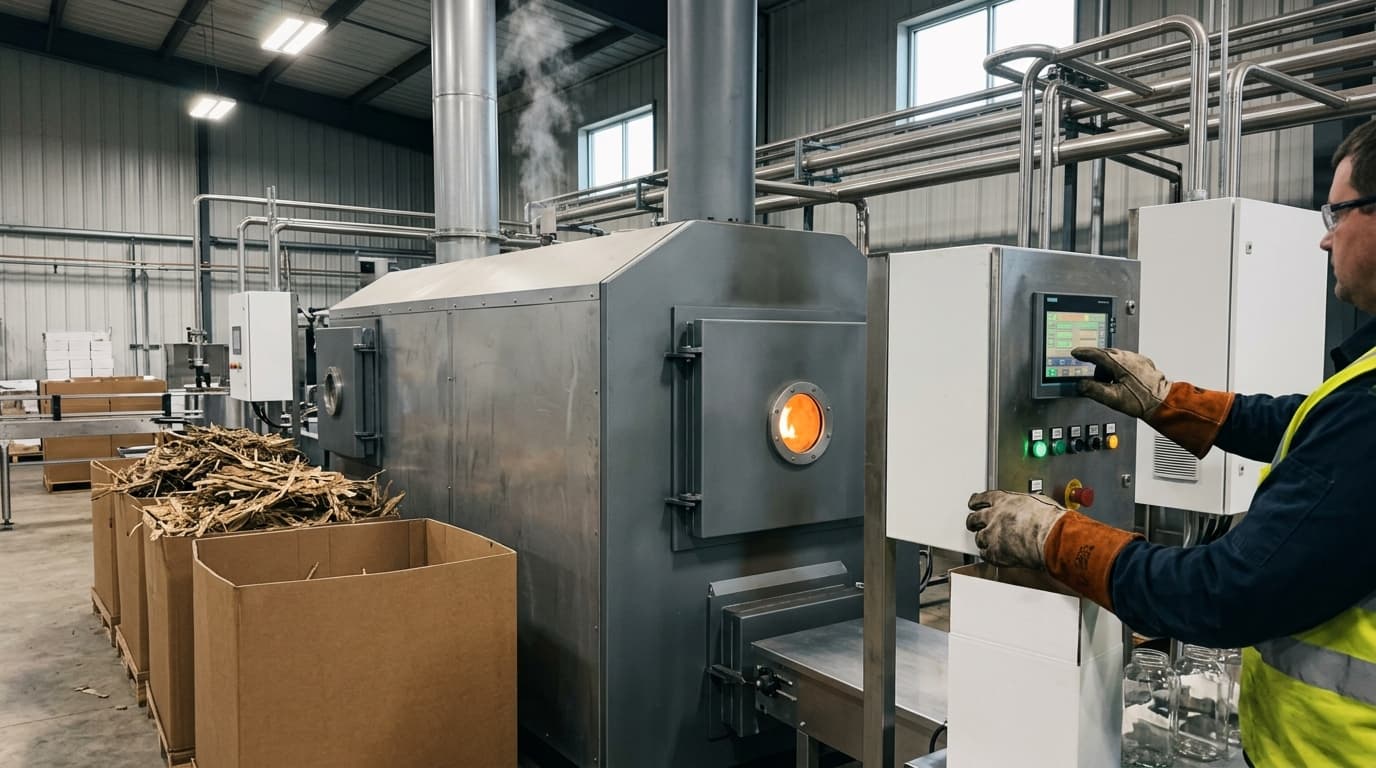
Complete incineration systems for general, agricultural, pharmaceutical, healthcare, and military waste — from under 50kg/h batch to 500kg/h continuous.
Regulatory Compliance as a Financial Catalyst
Environmental regulation is often perceived as a cost burden, yet in the context of industrial thermal engineering, compliance frameworks actually unlock the primary return on investment (ROI) of waste-to-energy systems. UK and European standards strictly govern how waste must be handled, and meeting these standards through advanced engineering secures long-term operational profitability.
Compliance with the Industrial Emissions Directive (IED)
The overarching regulatory framework for large-scale waste combustion in the UK and Europe stems from the Industrial Emissions Directive (2010/75/EU - IED). Chapter IV of the IED mandates rigorous operational parameters for waste incineration and co-incineration plants. To ensure the complete destruction of toxic organic substances, combustion gases must achieve a minimum temperature of 850°C for at least 2 seconds.
More importantly for the CFO, the IED incorporates the R1 energy efficiency formula, originally established under the Waste Framework Directive. The R1 formula acts as a mathematical performance indicator for the level of energy recovery. If an incineration plant achieves an R1 factor above 0.65 (for newer installations), the operation is legally classified as a "recovery" operation (R1) rather than a "disposal" operation (D10). This reclassification is economically vital. Securing R1 status exempts the facility from punitive disposal taxes and opens the door to specific renewable energy incentives and green financing mechanisms.
Best Available Techniques (BAT) Standards
Underpinning the IED is the requirement to implement Best Available Techniques. The UK Environment Agency enforces the BAT Reference Document (BREF) for the Food, Drink and Milk Industries. This document outlines mandatory thermal efficiency standards, water consumption limits, and emission benchmarks.
The BAT conclusions mandate specific energy efficiency practices. For example, the directive clearly defines the optimisation of spray-drying operations through exhaust air heat recovery, the use of vapour recompression, and the implementation of multi-effect evaporators. When agricultural processors install BAT-compliant incinerators equipped with advanced flue gas cleaning and heat recovery steam generators (HRSG), they future-proof their operations against regulatory fines. Industry professionals widely regard adherence to these BAT standards as the baseline for operational licensing in the UK. Non-compliance risks forced output reductions or total plant shutdowns.
Decoding the Return on Investment (ROI) Profile
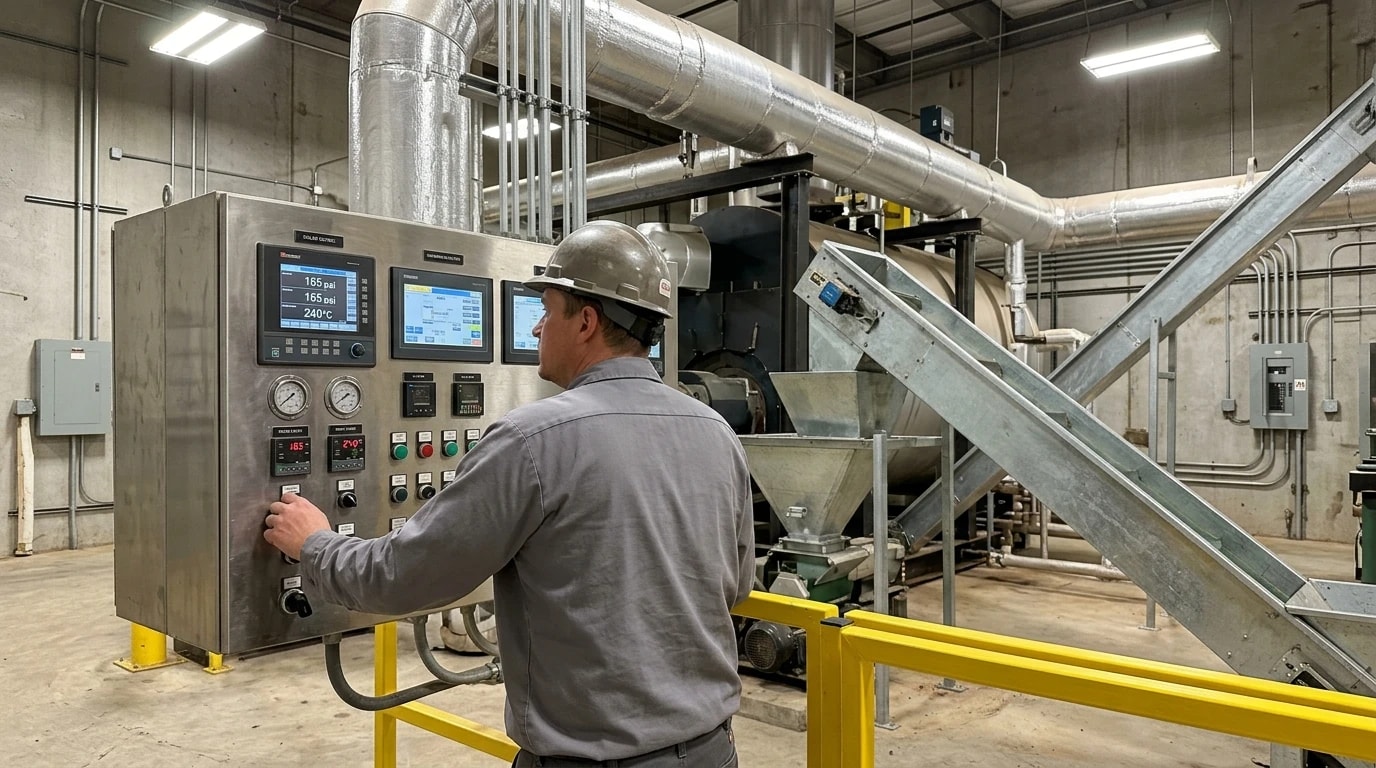
The ROI of waste-to-energy systems for large-scale agricultural processing plants relies on a multi-tiered cost-benefit analysis. The payback period for custom-engineered incinerators and process heaters typically ranges from three to seven years, heavily influenced by the volume of waste generated, the cost of capital, and the local tariff for natural gas.
Direct Operational Cost Savings
The most immediate financial return stems from the absolute reduction in natural gas consumption. By feeding agricultural waste into an on-site thermal oxidiser or biomass incinerator, facilities can generate base-load steam at a fraction of the cost of fossil fuels.
Simultaneously, the facility zeroes out its waste logistics costs. Transporting wet, heavy agricultural sludge or fibrous by-products to external processing sites incurs massive haulage fees and gate charges. Treating this material on-site directly eliminates these line items from the operational budget. For a facility processing 20,000 tonnes of biological waste annually, eradicating a standard gate fee and transport cost immediately injects hundreds of thousands of pounds back into the annual cash flow.
Revenue Generation and Combined Heat and Power (CHP)
While many agricultural dehydrators and heaters use direct thermal output, larger facilities often employ Combined Heat and Power (CHP) systems. High-pressure steam generated by the waste recovery boiler drives a steam turbine to produce electricity, while the low-pressure exhaust steam is extracted for use in the plant's thermal processes.
This co-generation approach maximises the overall thermal efficiency of the plant, often pushing total system efficiency past 80%. The generated electricity offsets grid imports, and in certain jurisdictions, excess power can be exported back to the national grid for additional revenue. Thermal design teams typically select CHP configurations for facilities operating continuous 24/7 processing lines, as the continuous baseload demand ensures no thermal energy is wasted to the atmosphere.
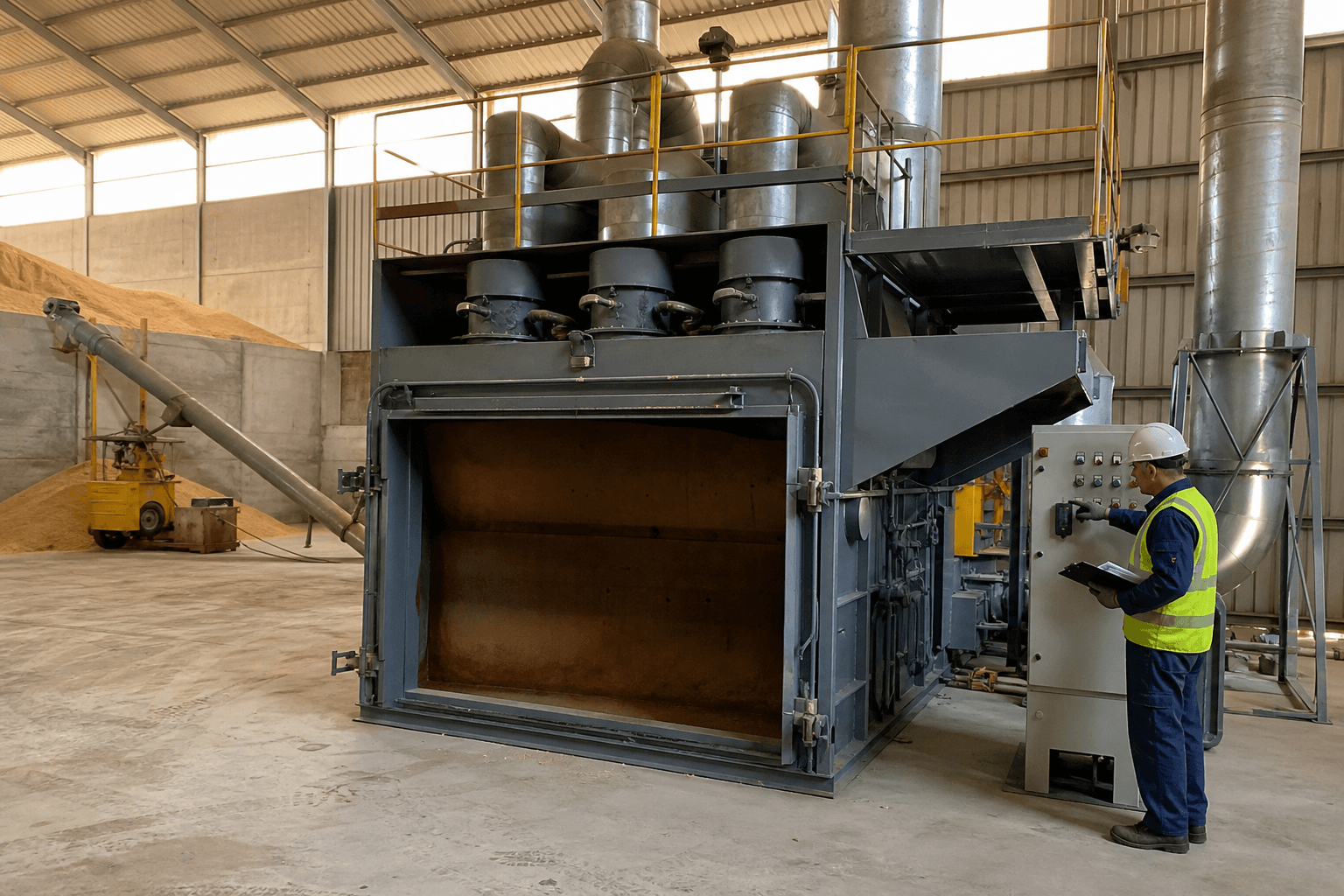
The LitBurn, AgriBurn, AmoBurn, and AniBurn ranges cover every waste disposal need with dual-chamber combustion and scrubbing options.
Capitalising on UK Funding and Tax Relief Mechanisms
The capital expenditure required to design, install, and commission an industrial-scale thermal recovery plant is substantial. However, the UK Government provides significant financial mechanisms to derisk these investments and accelerate the payback period.
The Industrial Energy Transformation Fund (IETF) Phase 3
For agricultural processing plants transitioning to high-efficiency thermal systems, the Industrial Energy Transformation Fund (IETF) is a critical financial lever. Phase 3 of the IETF, active in 2026, supports industrial sites with high energy use to transition to a low-carbon future. The scheme provides competitive match-funded capital grants—often covering 30% to 50% of eligible project costs for deep decarbonisation technologies and energy efficiency upgrades.
Financial officers evaluating waste-to-energy proposals must integrate IETF grant assumptions into their ROI models. Securing a multi-million-pound grant directly compresses the payback timeline, making previously marginal thermal engineering projects highly lucrative. Plant directors must supply detailed engineering studies and verifiable carbon reduction projections to qualify for this funding pool.
Capital Allowances and Full Expensing
Beyond direct grants, the UK taxation environment heavily favours capital investment in plant and machinery. The Full Expensing policy allows UK companies subject to Corporation Tax to claim 100% first-year tax relief on qualifying new equipment.
For a large-scale agricultural incinerator or thermal dehydrator system costing £2.5 million, Full Expensing provides an immediate, permanent tax deduction. At the current UK Corporation Tax rate of 25%, this mechanism effectively reduces the net cost of the system by £625,000 in the same tax year the expenditure is incurred. Corporate finance teams frequently utilise this statutory tax relief to justify the upfront costs of advanced thermal recovery hardware without waiting for competitive grant approvals.
Engineering High-Efficiency Thermal Recovery Systems
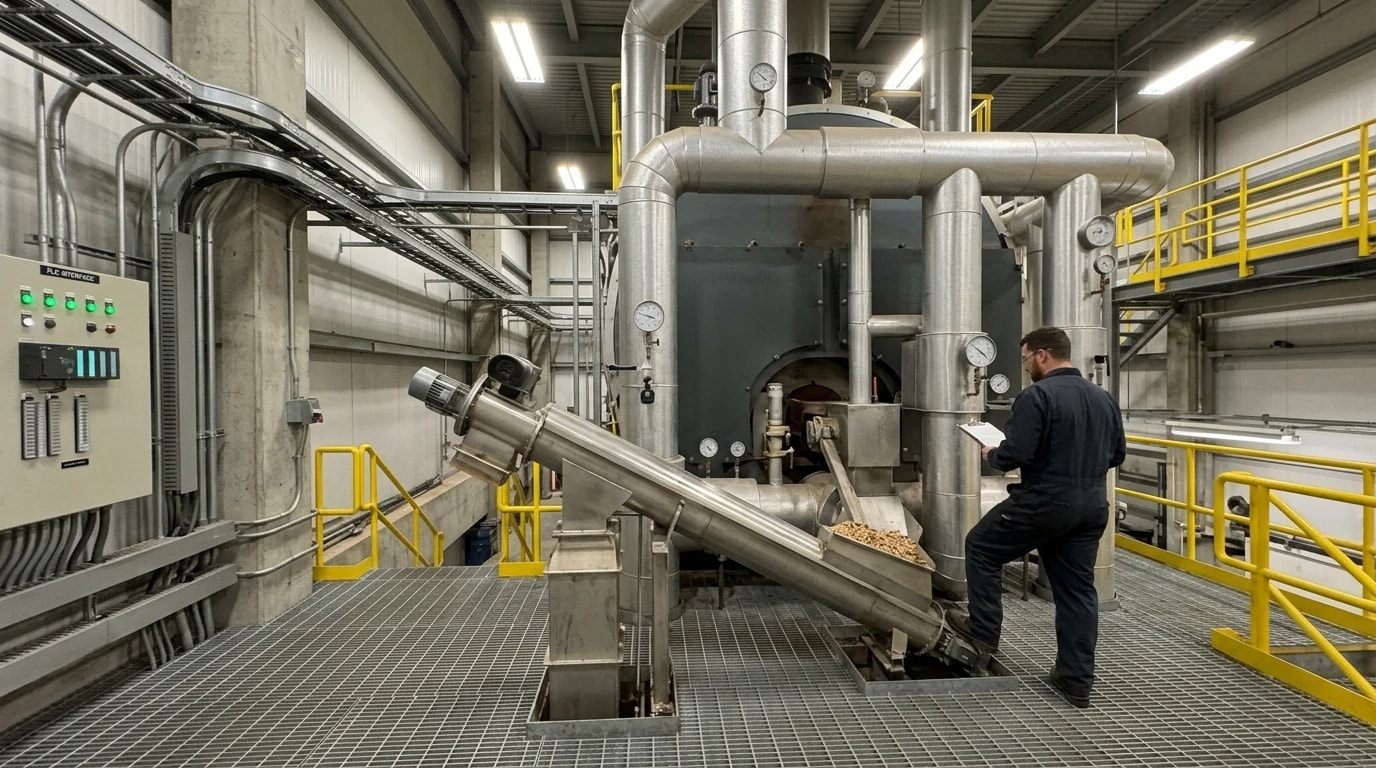
Achieving maximum ROI requires precise industrial thermal engineering. EnerTherm Engineering designs industrial thermal solutions tailored to the distinct operational realities of agricultural processing, focusing on system reliability, thermal efficiency, and emission control. Every facility requires a bespoke approach to balance fuel variability with thermal demand.
Incineration and Flue Gas Optimisation
Agricultural waste is often highly heterogeneous. A batch of spent grain will burn entirely differently to a feed of animal by-products or crop stalks. Custom-engineered incinerators must feature dynamic control systems and automated grate technology to maintain the mandatory 850°C combustion temperature under fluctuating fuel conditions. Process engineers often use continuous emission monitoring systems (CEMS) to automatically adjust primary and secondary combustion air, ensuring optimal oxygen levels and complete burn-out of the waste matrix.
Flue gas cleaning is an equally critical engineering discipline. To meet the stringent emission limit values (ELVs) mandated by the IED, thermal systems incorporate selective non-catalytic reduction (SNCR) for nitrogen oxides (NOₓ), alongside bag filters and dry scrubber systems for particulate and acid gas removal. The design objective is to balance aggressive emission abatement with minimal parasitic energy loads, ensuring the maximum volume of heat is retained for the process lines.
Dehydrators and Process Heaters
In agricultural applications, recovered heat is frequently directed into custom-engineered dehydrators. Moisture reduction is essential for product preservation, weight reduction, and the preparation of secondary by-products, such as turning wet brewers' grains into high-protein animal feed.
Heat exchangers transfer the thermal energy from the incinerator flue gas to a clean air stream, which is then forced through rotary or fluid-bed dryers. Maintaining precise thermal control prevents product degradation, scorching, or uneven moisture profiles. The integration of advanced process heaters ensures that the thermal energy recovered from the waste disposal phase is applied with pinpoint accuracy to the core agricultural products.
Strategic Cost-Benefit Analysis for Plant Directors
Executing a successful waste-to-energy transition requires rigorous economic modelling. Plant directors and operations managers must look beyond the initial price tag of the hardware and evaluate the total economic impact on the facility's balance sheet over a 15 to 20-year operational lifespan.
Evaluating Total Cost of Ownership (TCO)
A comprehensive TCO analysis for a thermal recovery system encompasses:
- Initial capital expenditure, including the core incinerator, boilers, civil works, and grid connections.
- Projected annual savings on natural gas and grid electricity imports.
- The total elimination of waste transport fees and third-party disposal gate charges.
- Ongoing operations and maintenance (O&M) costs, including the routine replacement of refractory linings and the consumption of flue gas treatment reagents (such as urea or sodium bicarbonate).
- The cost of regulatory compliance monitoring, stack emissions testing, and annual environmental permitting fees.
High-quality thermal engineering inherently lowers long-term O&M costs. Systems constructed with premium high-alumina refractories and corrosion-resistant alloys suffer less unplanned downtime, ensuring a continuous supply of process heat to the factory floor and protecting the calculated ROI.
Calculating the Payback Period
The financial viability of the project ultimately distils down to the breakeven point. When agricultural processors accurately model the specific calorific value of their waste streams, calculate the exact offsetting of grid energy at current market rates, and apply UK IETF grants alongside Full Expensing tax relief, the business case is often unassailable.
Waste-to-energy thermal recovery fundamentally alters the operating economics of a large-scale agricultural facility. By transforming a costly disposal liability into a secure, on-site energy asset, processors insulate themselves from external market volatility, guarantee regulatory compliance, and drive sustained industrial profitability.
This article reflects the independent analysis and editorial opinion of EnerTherm Engineering. Product names, trademarks, and brands mentioned belong to their respective owners. EnerTherm Engineering is not affiliated with, endorsed by, or a licensee of any third-party software or product mentioned unless explicitly stated.

Managing Director — EnerTherm Engineering
Dr. François Pierrel is Managing Director of EnerTherm Engineering with over two decades of expertise in thermal design, heat transfer, and industrial energy optimisation. He holds a PhD in Heat Transfer from Cranfield University and a Post-Doctorate from Heriot-Watt University.
