Optimising Thermal Efficiency in UK Agricultural Processing
Engineering hygienic crop drying, biomass recovery, and ABP-compliant waste incineration systems.
In Brief — Optimising Thermal Efficiency in UK Agricultural Processing
UK agricultural processing facilities can achieve optimal thermal efficiency and regulatory compliance by replacing legacy infrastructure with bespoke, hygienic heat exchangers and advanced biomass recovery systems. Compliance mandates, specifically the Medium Combustion Plant Directive (MCPD) and Clean Air Act 1993, require rigorous emission limit management and chimney height approvals for any thermal installation rated between 1MWth and 50MWth.
This definitive guide explores how UK agricultural processing facilities can optimise thermal efficiency, secure environmental compliance, and deploy hygienic drying, biomass recovery, and ABP-compliant waste incineration systems to reduce operational expenditure.
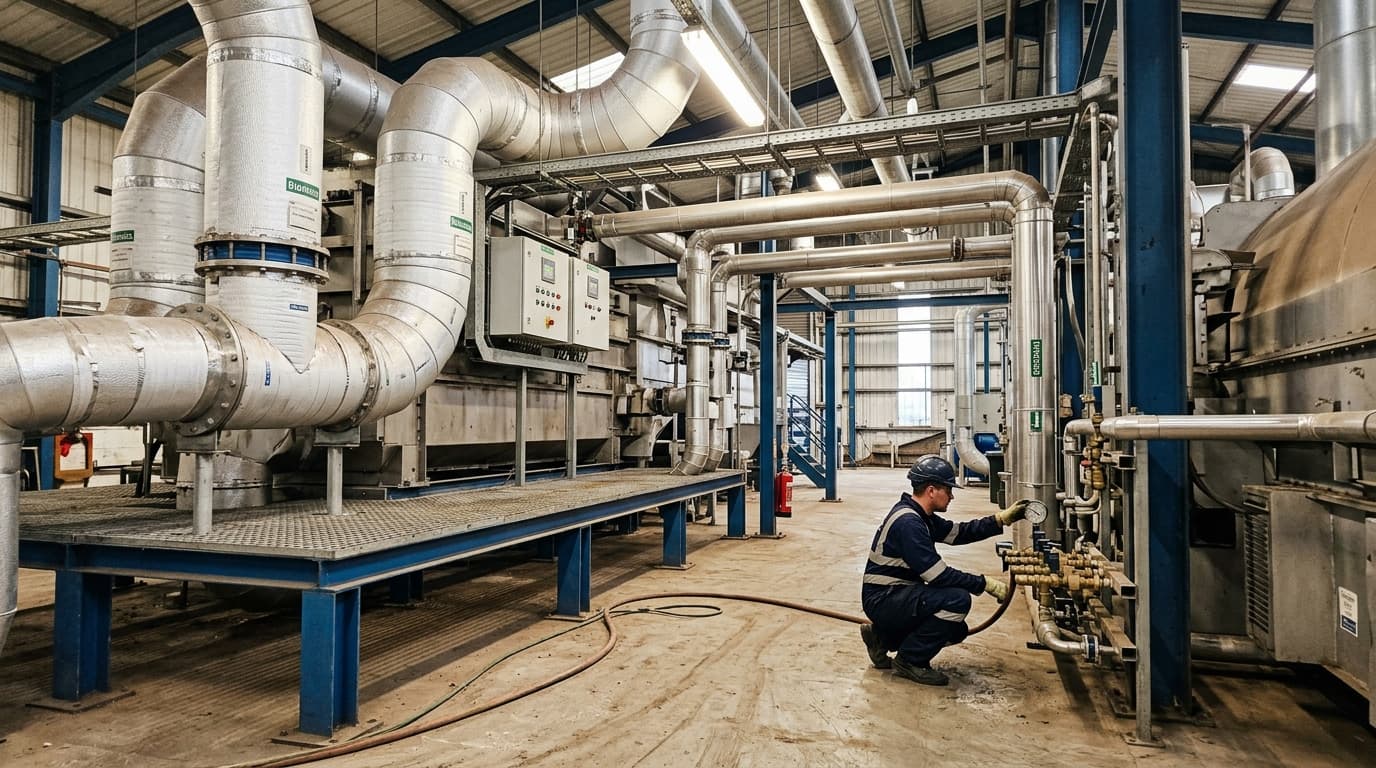
Energy expenditure and stringent environmental compliance are forcing a structural shift in how UK agricultural processing facilities manage heat. Thermal processes—ranging from high-volume grain dehydration to animal by-product incineration and anaerobic digestion—account for a massive proportion of an agricultural site’s total energy consumption. In an era defined by volatile fossil fuel markets and legally binding decarbonisation targets, facility operators can no longer rely on inefficient, legacy thermal infrastructure. Upgrading to bespoke industrial thermal engineering for agriculture is now a commercial necessity.
Achieving compliance and reducing overheads requires precise thermal process engineering. Whether a facility needs to specify food-grade heat exchangers for processing that meet rigorous hygienic standards, or requires large scale crop dehydration infrastructure to mitigate post-harvest losses, operators must navigate a complex matrix of regulatory and engineering parameters. This article examines the technical frameworks, equipment design methodologies, and financial levers required to modernise agricultural thermal systems.
The Regulatory Framework for UK Agricultural Thermal Systems
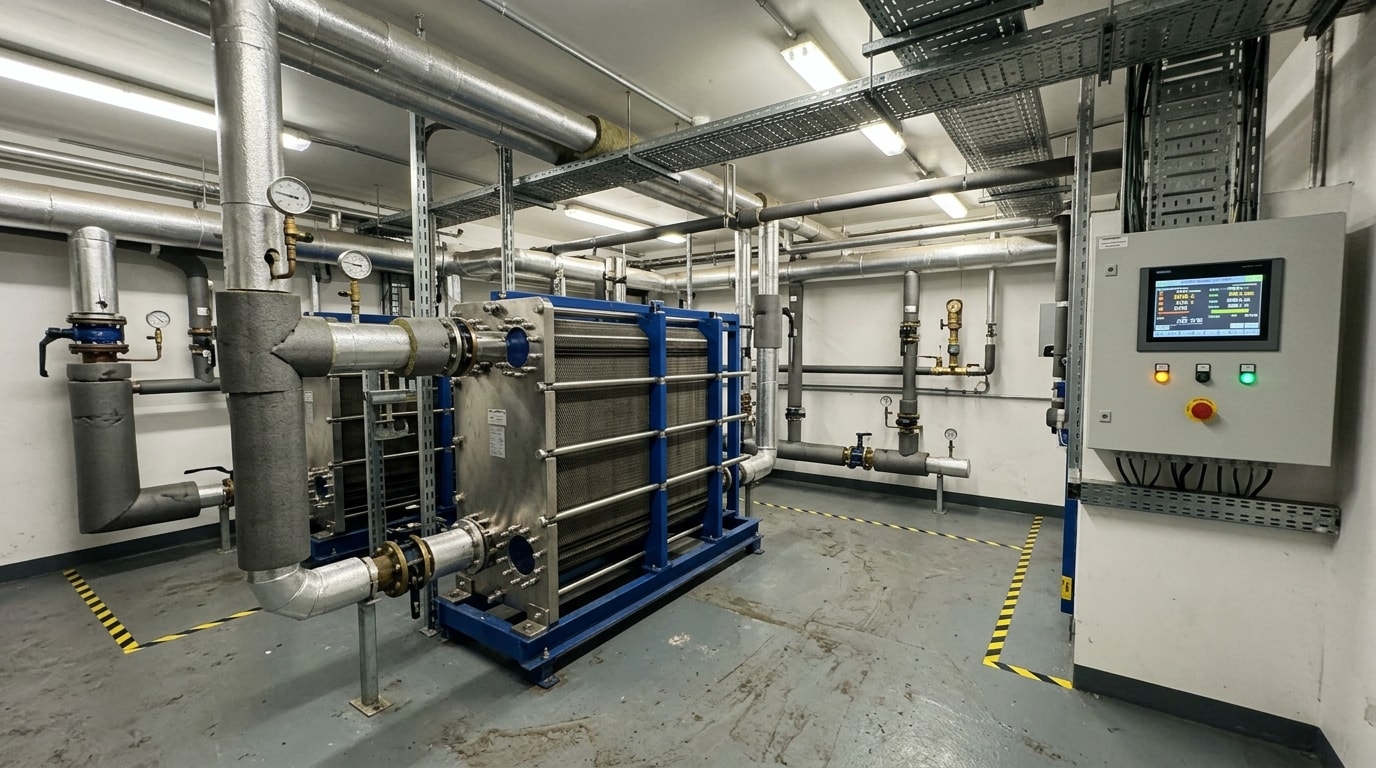
Integrating new thermal equipment into a commercial agricultural setting is heavily dictated by UK environmental and safety legislation. Facility managers must ensure that compliance for industrial thermal installations UK aligns with local and national permitting standards from the design phase through to commissioning.
Managing Emissions and Plant Permitting
The Medium Combustion Plant Directive UK agricultural processing framework—transposed via the Environmental Permitting (England and Wales) Regulations 2016—imposes strict Emission Limit Values (ELVs) for sulphur dioxide, nitrogen oxides, and particulate matter. The directive targets combustion plants with a rated thermal input between 1MWth and 50MWth. While certain direct-heating processes may qualify for specific exemptions, facilities using boilers or engines for indirect process heat must secure the relevant permits. Failure to comply can result in severe financial penalties or operational shutdowns.
Simultaneously, any facility discharging exhaust gases must comply with the Clean Air Act 1993 industrial chimney height approval. Section 14 of the Act requires local authority approval for the height of chimneys serving furnaces burning specific rates of solid, liquid, or gaseous matter. This ensures adequate dispersion of pollutants to prevent local air quality degradation. Accurate dispersion modelling is a prerequisite for agricultural feasibility studies for thermal projects.
Safety and Odour Control Protocols
Industrial thermal processing systems generate inherent safety and nuisance risks. Facilities handling combustible organic dusts—such as grain drying or biomass processing—must strictly adhere to DSEAR regulations industrial thermal processing. The Dangerous Substances and Explosive Atmospheres Regulations (2002) mandate comprehensive risk assessments to mitigate the threat of thermal runaway and dust explosions, dictating specific equipment zoning and explosion relief measures.
Furthermore, sites processing organic waste or intensive livestock operations must control nuisance emissions. The Environment Agency H4 Odour Management guidance agricultural facilities outlines the expectation that operators employ appropriate measures to prevent or minimise odour. For high-risk facilities, integrating waste gas treatment for agricultural facilities, such as thermal oxidisers or biofilters, is required to meet the requirements of local environmental permits.
To ensure uniformity across the sector, regulators rely on Best Available Techniques (BAT) reference documents intensive livestock UK and Best Available Techniques (BAT) reference documents food drink milk industries UK. These BREFs establish the benchmark Associated Emission Levels (BAT-AELs) that plants must meet. For example, BAT reference documents food drink and milk industries odour abatement stipulate the precise abatement techniques required when process-integrated measures are insufficient to control airborne emissions.
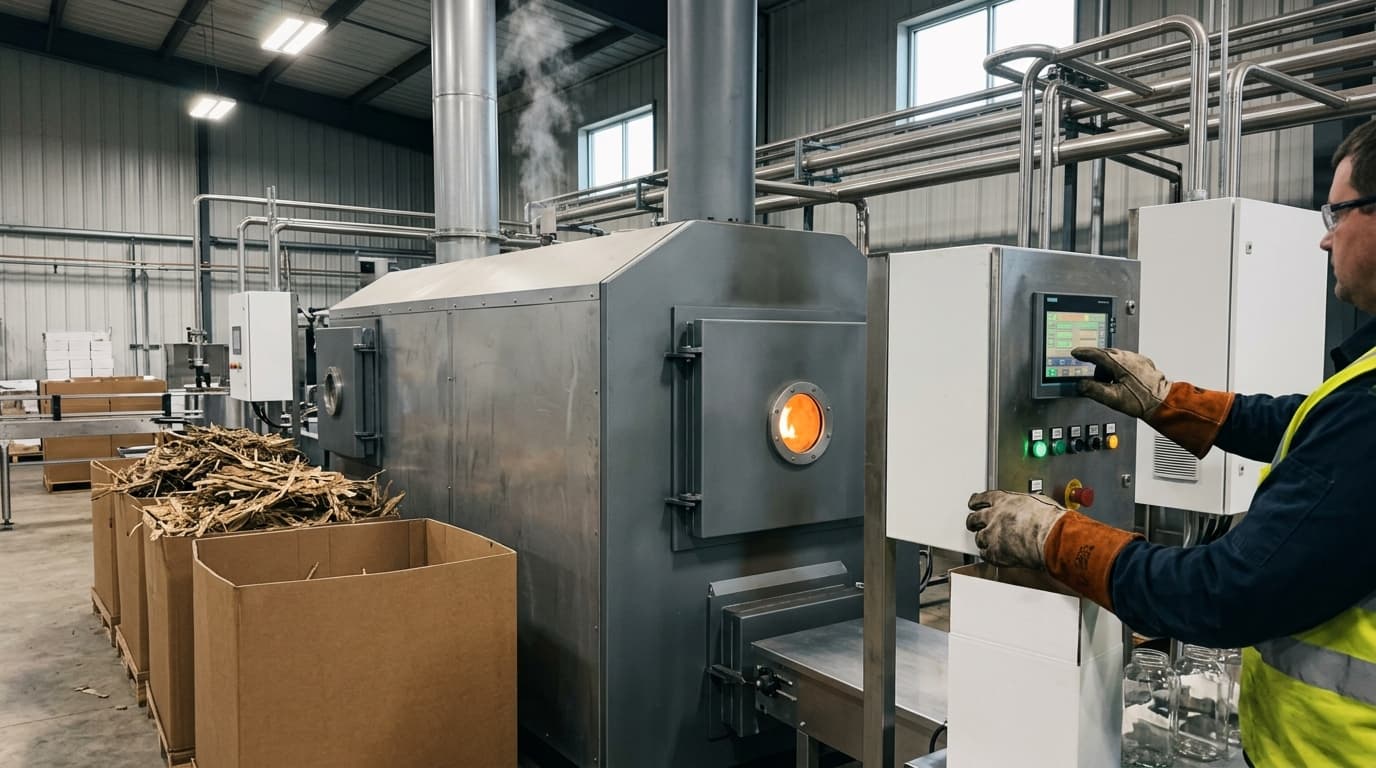
Complete incineration systems for general, agricultural, pharmaceutical, healthcare, and military waste — from under 50kg/h batch to 500kg/h continuous.
Hygienic Engineering in Food and Beverage Processing
Agricultural processing facilities that handle food-grade outputs—such as dairy processing, fruit purée production, or beverage manufacturing—must eliminate the risk of microbial contamination. Thermal processing system design guidelines in these environments are governed by strict hygienic engineering standards.
European and International Sanitary Standards
The fundamental benchmark for equipment design in the UK is BS EN 1672-2 food processing machinery hygiene. The BS EN 1672-2:2020 update mandates an iterative hygiene risk reduction process, dividing machinery into distinct food, splash, and non-food zones. This standard ensures that machinery features the correct radius of corners, surface finishes (typically Ra ≤ 0.8 μm), and avoids dead zones where pathogens can proliferate.
For advanced technical compliance, engineers rely on EHEDG guidelines for hygienic design of heat exchangers CIP. The European Hygienic Engineering & Design Group (EHEDG) specifies exact methodologies for ensuring equipment is fully cleanable. This is further supplemented by 3-A sanitary standards heat exchanger design, an internationally recognised certification primarily used in the dairy and beverage sectors. Specifying 3-A Standard 11-10 or 12-08 guarantees that the equipment uses corrosion-resistant 316L stainless steel and is fully compatible with chemical cleaning cycles. Understanding these key technical standards for industrial food dehydrators UK and thermal equipment is essential for passing retail and regulatory safety audits.
Heat Exchanger Selection and Maintenance
When specifying equipment, engineers must carefully evaluate tubular vs plate heat exchangers for food processing. Plate heat exchangers (PHE) offer high thermal efficiency for low-viscosity Newtonian fluids. However, an industrial heat exchanger selection guide for viscous food products will dictate that scraped-surface or tubular heat exchangers are necessary for non-Newtonian, high-viscosity products like fruit purées to prevent severe fouling and maintain consistent heat transfer.
Preventing contamination between the utility heating fluid and the product is paramount. Heat exchanger cross-contamination prevention relies on maintaining positive pressure differentials and utilising double-tubesheet designs. Routine pasteurization heat exchanger maintenance, including pressure drop monitoring and helium leak testing, ensures these physical barriers remain intact.
To minimise downtime, facilities rely heavily on CIP clean-in-place heat exchanger systems. CIP allows the internal surfaces of pipes, vessels, and heat exchangers to be cleaned automatically without dismantling the equipment, significantly reducing labour costs and improving the overall sustainable process heating for food processing line.
Crop Dehydration: Balancing Throughput, Quality, and Energy Intensity
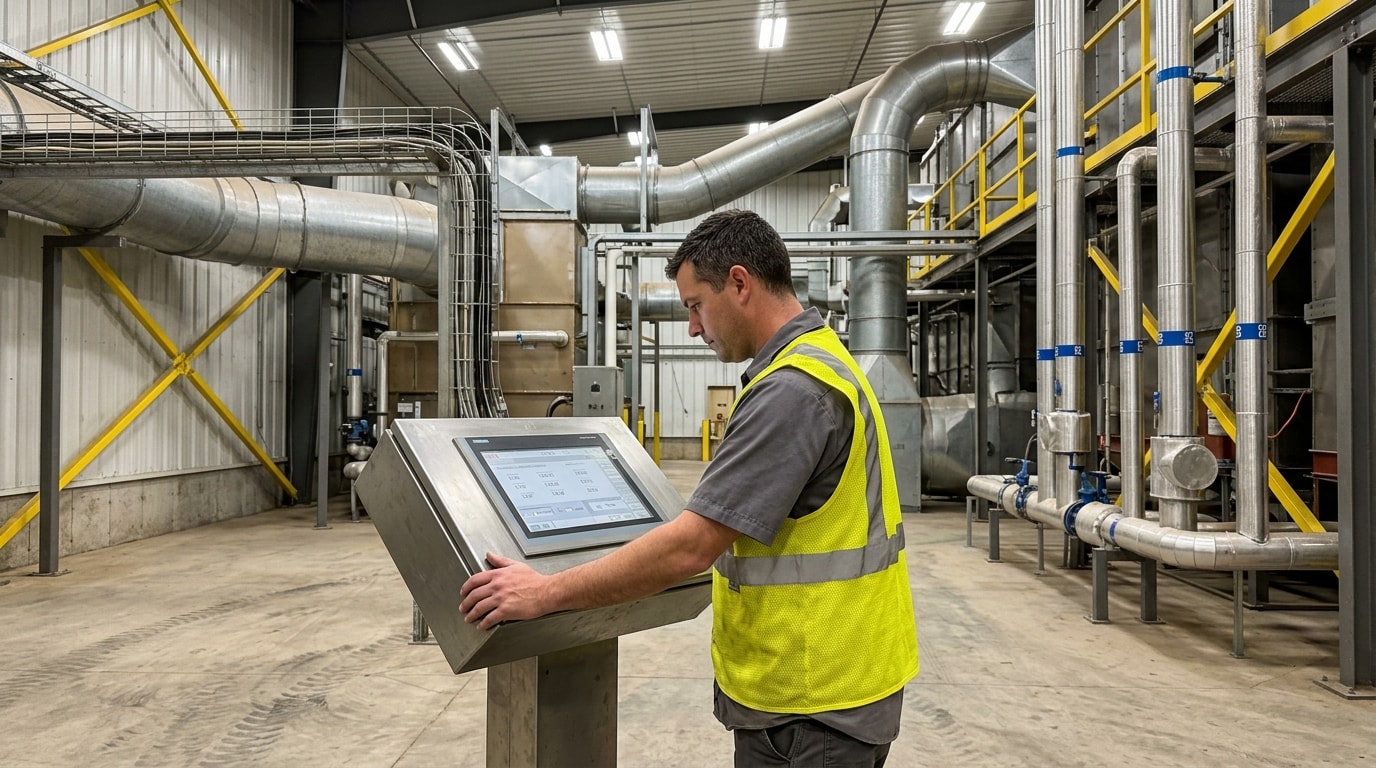
Crop drying is one of the most energy-intensive operations in agriculture. Moisture reduction is critical to prevent fungal growth, yet excessive heat can damage crop quality and inflate energy bills. Optimising commercial crop drying systems requires a careful balance of thermodynamics, equipment selection, and operational management.
Establishing Dehydration Parameters
Operators must align their processes with AHDB grain storage and drying guidance, which dictates target moisture contents (e.g., 14.5% for cereals) and maximum safe drying temperatures. Moisture control systems for crop storage must be engineered to reach the Equilibrium Moisture Content (EMC) without causing thermal stress cracking in the grain.
Facilities must decide between batch vs continuous crop drying depending on their throughput requirements. Batch drying is suited to smaller, variable harvests, while continuous cross-flow or mixed-flow dryers are necessary for large-scale agricultural operations requiring high tonnage throughput. Evaluating the outsourcing vs onsite industrial grain drying cost benefit analysis often reveals that while onsite high-capacity dryers require significant capital expenditure, they drastically reduce third-party drying fees and crop shrinkage penalties.
Energy Efficiency in Drying Systems
Energy intensity is measured using Specific Energy Consumption (SEC) benchmarks for industrial crop drying MJ/kg. Standard mechanical dryers typically consume between 4.2 and 6.0 MJ per kilogram of water evaporated. Reducing this figure is the primary objective of modern industrial agricultural dehydrator manufacturers.
Integrating energy efficient grain dryer systems is a core strategy for meeting industrial energy efficiency targets UK agriculture drying processes. Key upgrades include:
- Heat Recovery Systems: The benefits of heat recovery in agricultural grain dryers are substantial. Capturing exhaust heat and recirculating it into the inlet air stream can yield fuel savings of 20–40%.
- Heat Pump Technology: Research highlights the significant benefits of heat pump drying for agricultural crops research UK. Heat pumps offer exceptional energy efficiency, independently controlling humidity and temperature to preserve heat-sensitive crops, sometimes achieving a Coefficient of Performance (COP) of up to 7.
- Industrial Heat Pumps: Expanding on this, industrial heat pump agricultural applications are increasingly viable for low-temperature, continuous drying environments, offsetting fossil fuel dependency.
Energy saving solutions for crop drying directly influence the industrial dehydrator project cost analysis. While energy-efficient systems command a higher initial capital expenditure (CAPEX), the reduced operational expenditure (OPEX) ensures a rapid return on investment. Keeping abreast of industrial dryer market trends agricultural sector confirms a distinct shift toward hybrid and heat-recovery dehydrators to combat escalating energy tariffs.
Biomass Combustion and Waste-to-Energy Recovery
Decarbonising high-temperature agricultural processes often requires transitioning away from natural gas, LPG, and kerosene. Utilising biomass and organic waste streams for onsite energy generation provides a sustainable, circular economy solution.
Biomass Heating Infrastructure
For operations heavily reliant on process heat, a biomass boiler for drying crops offers a direct replacement for fossil fuels. When implemented correctly, biomass heating for farms UK can reduce fuel costs by up to 50% compared to heating oil. These systems are particularly beneficial for off-grid industrial heating for greenhouses, where connection to the national gas grid is physically or financially impossible.
The design of a biomass-fueled crop dehydrators system must account for the specific moisture content and calorific value of the feedstock. An industrial rotary biomass dryer is typically employed to reduce the moisture of woodchips or agricultural residues to the optimal 12–15% required for efficient combustion. This sustainable biomass processing UK ensures that the boiler operates at peak thermal efficiency without excessive particulate emissions.
Policy and Waste-to-Energy Economics
The deployment of biomass technology must align with national policy. The UK Biomass Strategy 2023 key points emphasise the "priority use" principle, directing sustainable biomass toward hard-to-decarbonise industrial sectors and supporting Bioenergy with Carbon Capture and Storage (BECCS).
To justify the capital cost of these systems, facility managers must conduct a robust ROI of waste-to-energy systems for large-scale agricultural processing plants. This requires analysing "waste to energy" agriculture UK biomass statistics to guarantee a secure, long-term supply of feedstock. The financial modelling for agricultural waste to energy solutions must account for the offset cost of grid electricity and fossil heating fuels, alongside the avoided costs of third-party waste disposal.
Ultimately, cost-effective farm waste energy recovery relies on achieving economies of scale. High-capacity industrial waste-to-energy technology transforms previously discarded agricultural residues into a primary utility, creating a closed-loop energy cycle that insulates the facility from global energy price volatility.
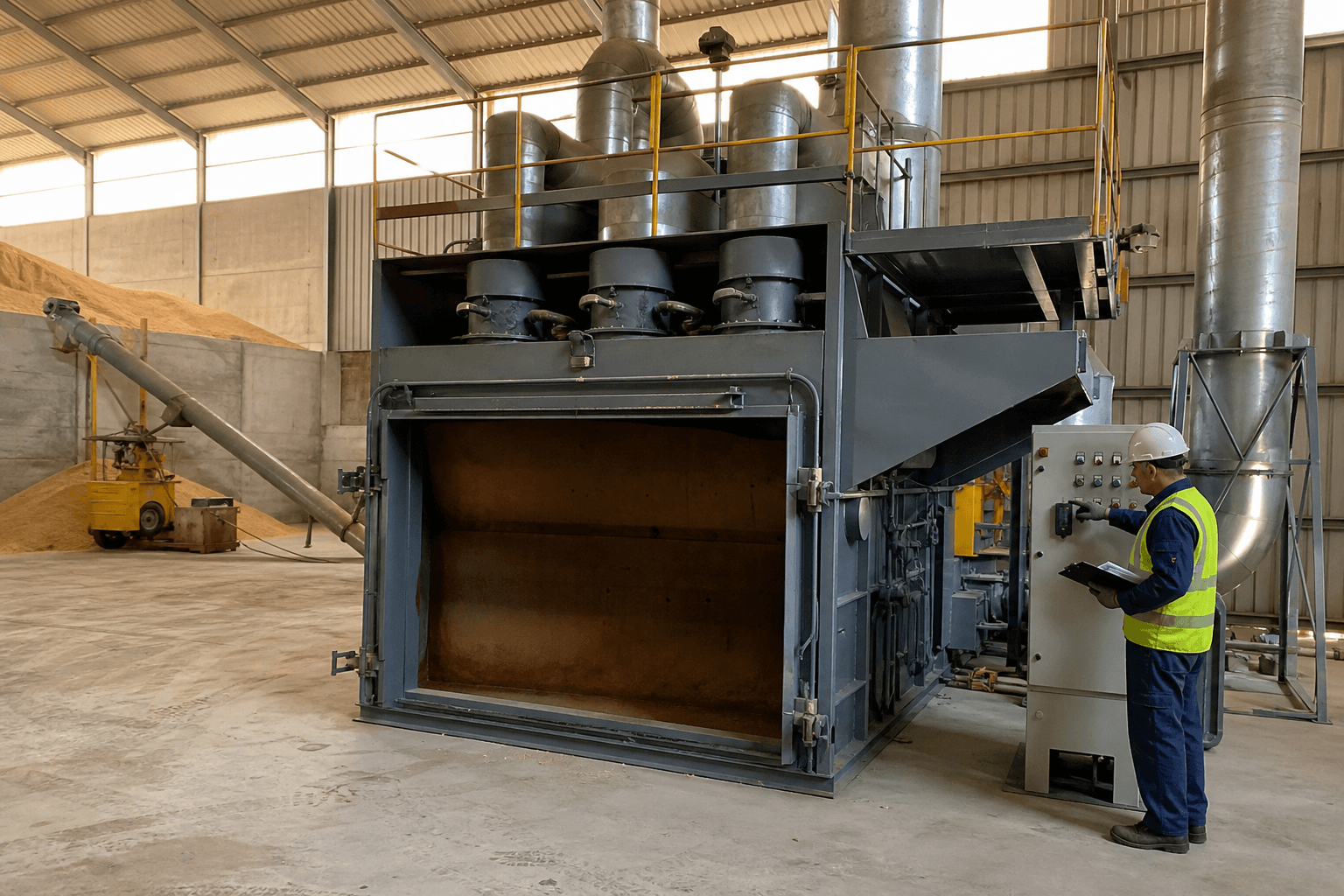
The LitBurn, AgriBurn, AmoBurn, and AniBurn ranges cover every waste disposal need with dual-chamber combustion and scrubbing options.
Agricultural Waste Incineration and ABP Compliance
When agricultural or food processing waste cannot be recycled, fed into an anaerobic digester, or safely composted, thermal destruction via incineration is required. This is a highly regulated sector, demanding precision engineering to prevent environmental contamination and biosecurity hazards.
Animal By-Product (ABP) Disposal Standards
The thermal destruction of livestock carcasses, abattoir waste, and certain food residues is governed by the Animal By-Products (Enforcement) (England) Regulations 2013 on-farm disposal. These regulations strictly define how materials are handled to prevent disease transmission.
The core technical parameter is dictated by EU Regulation 1069/2009 incinerator temperature requirements. Compliant incineration plants must raise the temperature of the combustion gases to a minimum of 850°C for 2 seconds (or 1100°C for 0.2 seconds for higher-risk materials). To achieve this, dual-chamber incinerators are equipped with secondary afterburners that automatically engage to maintain the required thermal destruction threshold.
Navigating Animal By-Products Regulations UK industrial waste requires specific site certifications. A farm installing a unit with a capacity below 50kg/hr requires low capacity incinerator APHA approval. The Animal and Plant Health Agency (APHA) demands proof of "Type Approval" from the manufacturer, confirming the unit can consistently meet the 850°C threshold. For facilities lacking the capital to install compliant onsite systems, outsourcing to licensed animal by-product incineration services remains a necessary, albeit costly, operational expense.
Incineration Compliance and Best Available Techniques
For larger agricultural estates, the cost benefit analysis of farm waste incineration vs traditional disposal UK often favours onsite destruction due to exorbitant logistical and landfill taxes. However, operators must strictly adhere to farm waste disposal rules UK. The open burning of non-natural farm waste is entirely illegal.
High-capacity systems must follow Environment Agency guidance industrial biomass waste processing and adhere to the best available techniques for waste incineration. This involves deploying sophisticated abatement technologies, such as ceramic filtration or wet scrubbers, to control particulate matter and heavy metals.
Furthermore, these large systems require continuous incinerator emissions monitoring UK. Continuous Emissions Monitoring Systems (CEMS) must be MCERTS-approved, ensuring that data recorded on NOₓ, SO₂, and particulates is accurate and transparent for Environment Agency audits. By investing in sustainable waste disposal for farms, facility managers eliminate the biosecurity risks associated with waste collection vehicles entering the site while ensuring total legal compliance.
Valorising Waste: Anaerobic Digestion and Digestate Drying
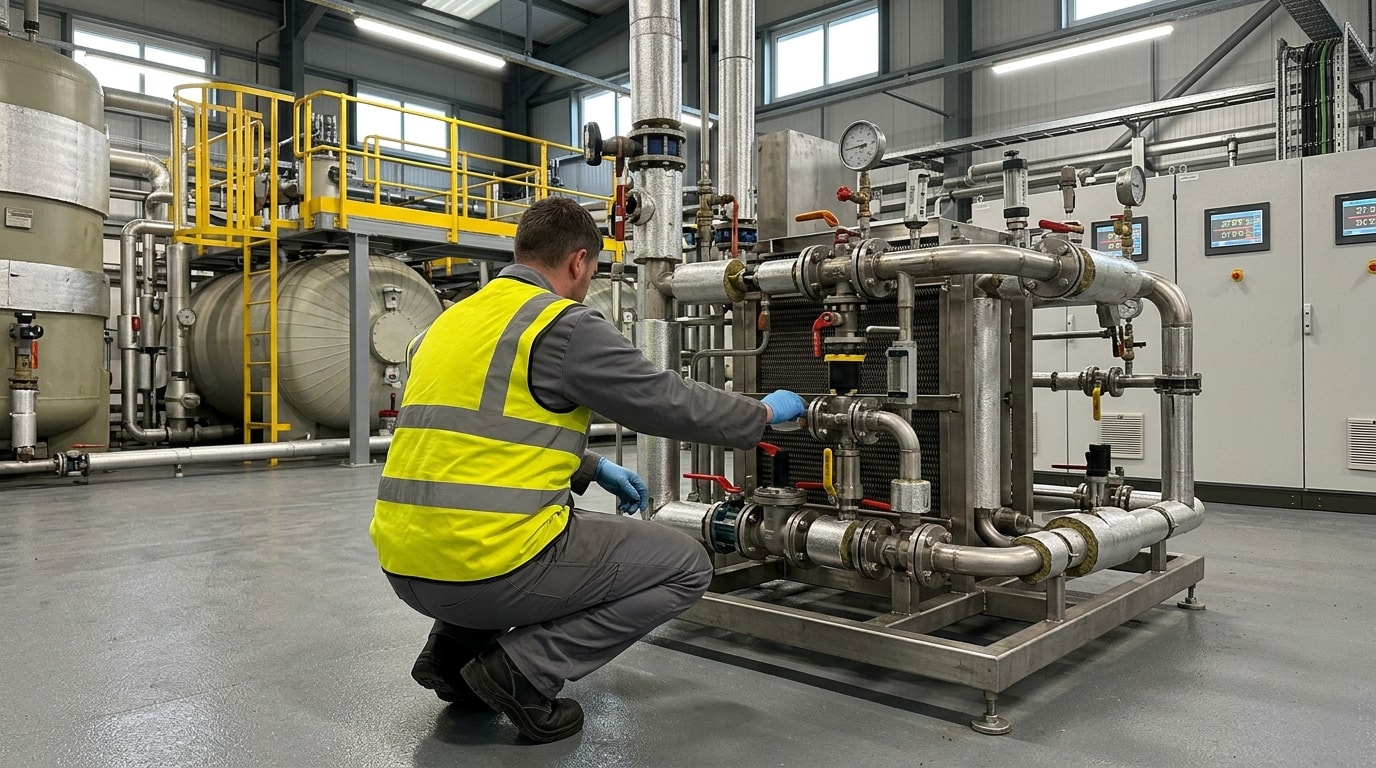
Anaerobic digestion (AD) represents a cornerstone of the circular economy in agriculture. By biologically degrading organic matter in the absence of oxygen, AD plants produce biogas (for heat and power) and digestate (a nutrient-rich biofertiliser).
Digester Thermal Optimisation
Temperature control is the most critical variable in biogas production. The optimal temperature for anaerobic digestion mesophilic vs thermophilic depends entirely on the plant's operational design. Mesophilic systems operate between 35–40°C, offering a highly stable biological environment. Thermophilic systems operate at 50–60°C, providing faster degradation rates and superior pathogen kill, but are highly sensitive to thermal shock.
To maintain these strict parameters, anaerobic digestion plant heating systems rely on heavy-duty heat exchangers. However, processing viscous, particulate-laden organic waste inevitably leads to heat exchanger fouling in anaerobic digestion plants. Selecting scraped-surface or wide-gap corrugated tubular heat exchangers is essential to mitigate scaling (such as struvite buildup) and maintain efficient heat transfer. Precise anaerobic digestion digester temperature control methane yield optimization ensures the methanogenic bacteria remain active, directly impacting the financial return of the facility.
Digestate Management and Quality Standards
UK biogas plants must adhere to ADBA anaerobic digestion technical guidance UK to ensure safe and efficient operations. The Anaerobic Digestion and Bioresources Association provides the definitive framework for the sector. Compliance with regulations for farm-based anaerobic digestion UK requires specific Environment Agency standard rules permits (e.g., SR2012 No9), dictating how much waste can be processed and how emissions are controlled.
A critical hurdle for AD operators is achieving "End-of-Waste" status for their digestate output. The PAS 110:2014 anaerobic digestion thermal requirements mandate a specific pasteurisation step—typically holding the material at 70°C for one hour—to ensure the complete destruction of pathogens. Only then can the material be legally classified as a biofertiliser rather than a controlled waste.
Because digestate is predominantly water, transporting it offsite is logistically expensive. Implementing digestate drying technology uses surplus heat from the AD plant's Combined Heat and Power (CHP) engine to evaporate this water. The impact of digestate moisture reduction on transport costs is profound, reducing total volume by up to 70% and concentrating the nutrient profile. Operators must ensure their drying systems comply with UK environmental regulations digestate management drying, which frequently require ammonia scrubbers and biofilters to prevent odorous emissions during the dehydration process. Ultimately, anaerobic digestion for agricultural waste transforms liabilities into revenue streams.
Securing Capital: Feasibility Studies, Audits, and Grant Funding
Transitioning to high-efficiency thermal infrastructure requires significant capital expenditure. Facility directors must bridge the gap between engineering theory and financial reality by undertaking rigorous energy audits and leveraging government funding.
Energy Auditing and System Benchmarking
The first step in any thermal upgrade is quantifying current inefficiencies. Engaging professional farm energy audit services provides a baseline of energy consumption across all heating, drying, and incineration assets. Large UK agricultural processors may be legally required to conduct these audits under the Energy Savings Opportunity Scheme (ESOS) agricultural sector UK. ESOS mandates that large enterprises audit 95% of their total energy consumption and develop actionable plans to implement energy-saving measures.
These audits inform the AHDB energy use on farms guidance, helping site managers identify specific processes where heat recovery or electrification is viable. Reducing agricultural utility costs through thermal engineering requires translating these technical findings into a formal cost benefit analysis of farm heating.
Navigating Government Grant Schemes
To offset the high upfront costs of industrial equipment, the UK government provides several financial mechanisms. Historically, the renewable heat incentive for drying provided tariff payments for biomass installations, but this scheme is now closed to new non-domestic applicants.
Today, large-scale decarbonisation projects rely on the Industrial Energy Transformation Fund. The UK Industrial Heat Recovery Support programme criteria for agricultural dehydration transitioned into the broader IETF framework. IETF phase 3 provided critical deployment and feasibility funding for energy efficiency and deep decarbonisation projects. Facilities must carefully check the UK government grants for agricultural heat pump adoption Industrial Energy Transformation Fund eligibility criteria; while food manufacturing and "controlled environment horticulture" qualify, open-field pastoral farming typically does not.
For smaller agricultural businesses, the farm energy efficiency grant UK framework—such as the Farming Equipment and Technology Fund (FETF)—provides capital subsidies for specific productivity-enhancing equipment, including automated control systems and specific moisture reduction technologies.
Before applying for major industrial funding, a site must execute comprehensive agricultural feasibility studies for thermal projects. These studies validate the thermodynamic principles, outline the necessary thermal processing system design guidelines, and guarantee that the proposed equipment aligns with the overarching farm decarbonization strategy. A well-documented farm energy management and thermal recovery plan, supported by a waste heat recovery in agriculture UK report, is the strongest asset a facility director has when pitching to a board of directors or securing government match-funding.
By combining advanced thermal engineering, rigorous regulatory adherence, and strategic financial planning, UK agricultural processing facilities can drastically reduce their energy intensity, secure supply chain resilience, and successfully navigate the path to Net Zero. Furthermore, utilising a comprehensive buying guide industrial agricultural drying equipment considerations ensures that procurement decisions yield reliable, long-term operational success.
This article reflects the independent analysis and editorial opinion of EnerTherm Engineering. Product names, trademarks, and brands mentioned belong to their respective owners. EnerTherm Engineering is not affiliated with, endorsed by, or a licensee of any third-party software or product mentioned unless explicitly stated.

Managing Director — EnerTherm Engineering
Dr. François Pierrel is Managing Director of EnerTherm Engineering with over two decades of expertise in thermal design, heat transfer, and industrial energy optimisation. He holds a PhD in Heat Transfer from Cranfield University and a Post-Doctorate from Heriot-Watt University.
