Engineering Thermal Systems for EU IED and EPR 2016 Compliance
Achieving emission targets and safety standards in agricultural thermal infrastructure.
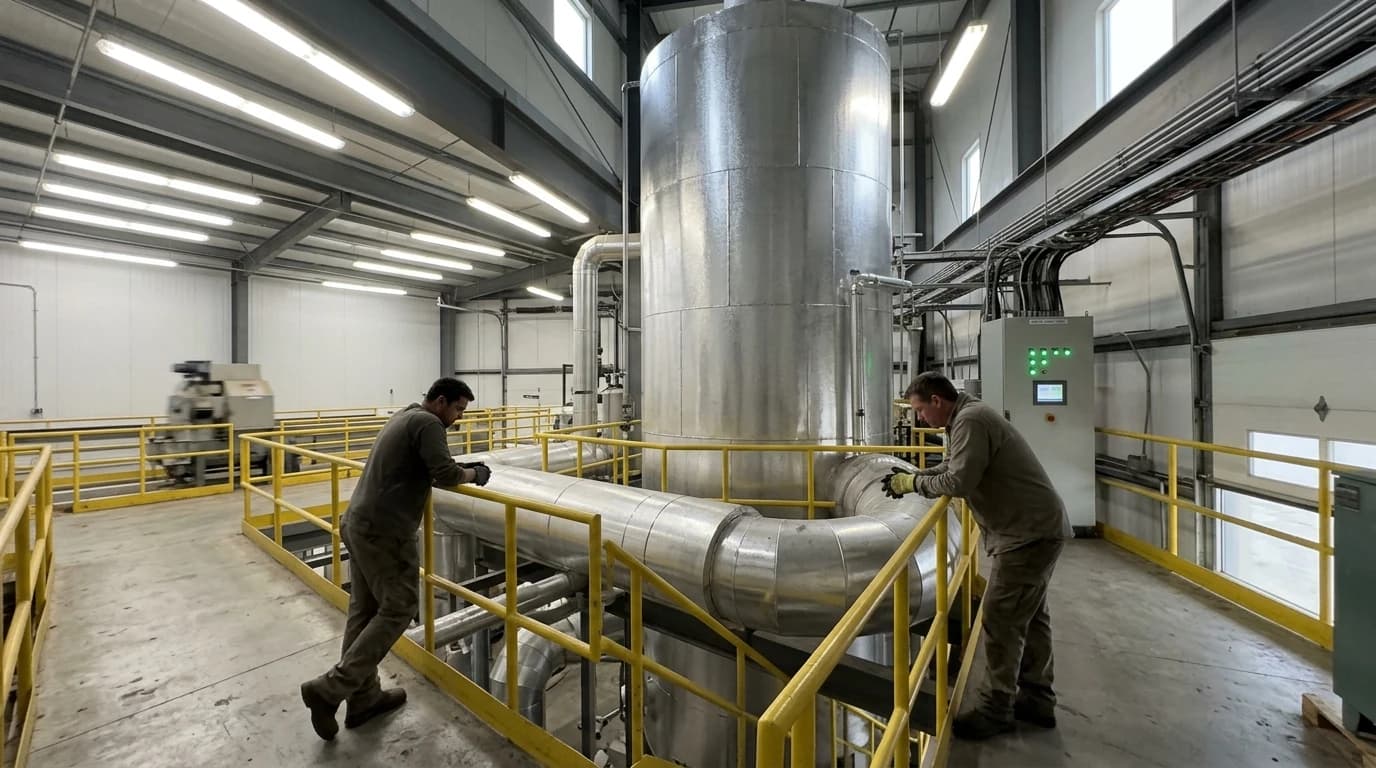
The European Union’s updated Industrial Emissions Directive (IED 2010/75/EU), transposed in the UK as the Environmental Permitting (England and Wales) Regulations (EPR 2016), mandates strict emission limit values for agricultural thermal processing facilities. Facilities processing more than 10 tonnes of animal waste daily or handling 50 tonnes of carcase production face immediate regulatory scrutiny under these frameworks. Agricultural facility lead engineers, industrial project managers, and thermal process consultants must specify high-efficiency infrastructure that meets these exacting benchmarks. Modern compliance demands comprehensive process re-engineering, integrating advanced heat recovery, precise thermal control, and rigorous structural safety.
The Regulatory Shift in Agricultural Thermal Processing
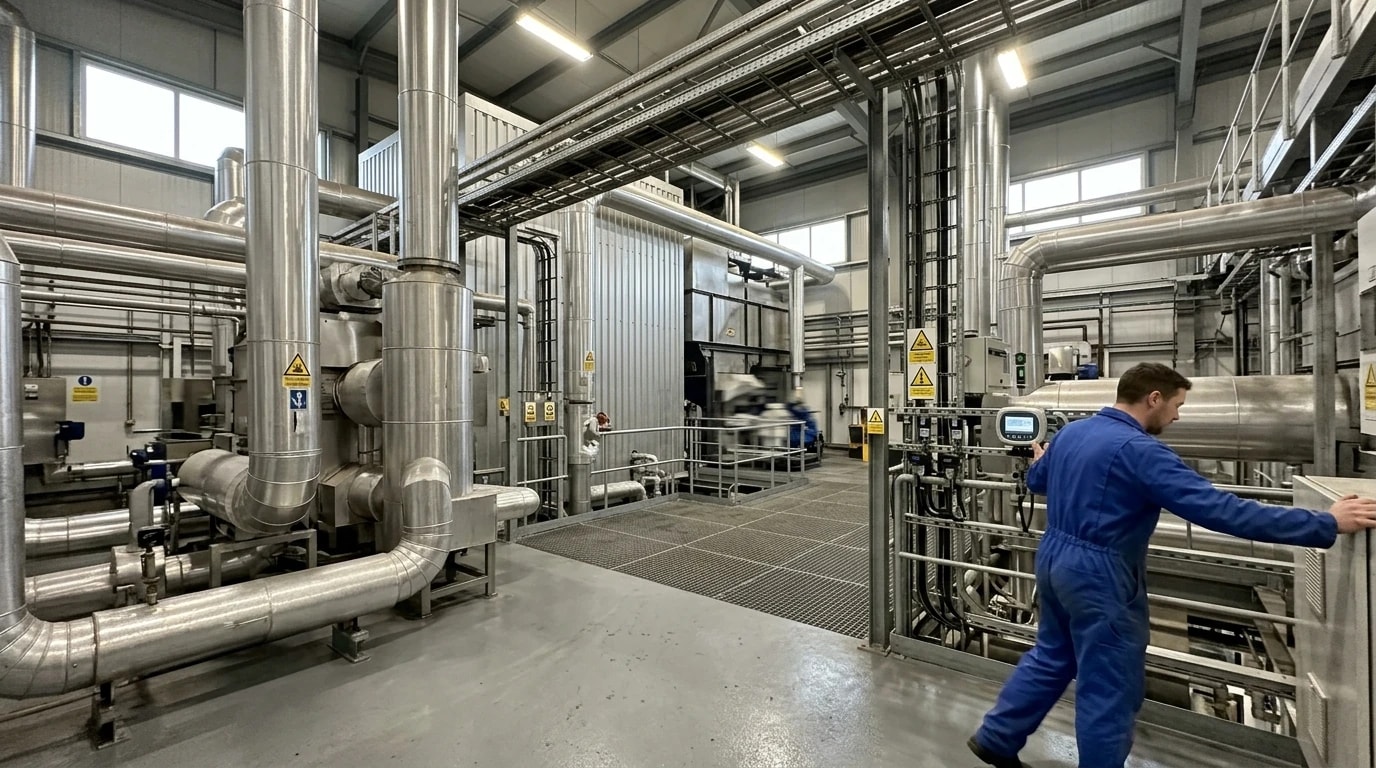
Under the post-Brexit regulatory framework, the UK Environment Agency enforces EPR 2016, which retains and integrates the foundational pollution control mechanisms of the European IED 2010/75/EU. These directives govern combustion plants generating energy from agricultural biomass and incinerators destroying pathogenic waste. Operating permits dictate maximum thresholds for nitrogen oxides (NOₓ), sulphur dioxide (SO₂), and particulate matter (PM), forcing facilities to implement Best Available Techniques (BAT).
Mandated Emission Limit Values (ELVs)
Thermal units are bound by tightly controlled ELVs. For NOₓ, modern installations must frequently achieve emissions below 200 mg/Nm³, with select environmental zones demanding limits as low as 25 mg/Nm³ through the deployment of advanced selective catalytic reduction (SCR) systems. Regulators also enforce strict limits on volatile organic compounds (VOCs) and olfactory pollution. Odour management is a critical compliance vector under the revised IED 2.0 parameters, requiring agricultural sites to adopt closed-loop gas treatment technologies and precise combustion controls to prevent pollutants from venting into the atmosphere.
BREF Directives: Waste Treatment and Food Processing
To satisfy both the IED and EPR 2016, system specification relies directly upon published BREF (Best Available Techniques Reference) documents. The Waste Treatment (WT) BREF outlines mandated energy efficiency targets and thermal treatment parameters for waste incinerators. Concurrently, the Food, Drink and Milk (FDM) BREF covers thermal drying processes for grains and vegetable raw materials, demanding maximum heat recovery and dust containment. Thermal design teams typically select equipment that recirculates exhaust heat to lower primary fuel consumption, aligning with the BAT-associated emission levels (BAT-AELs) mandated across the agricultural sector.
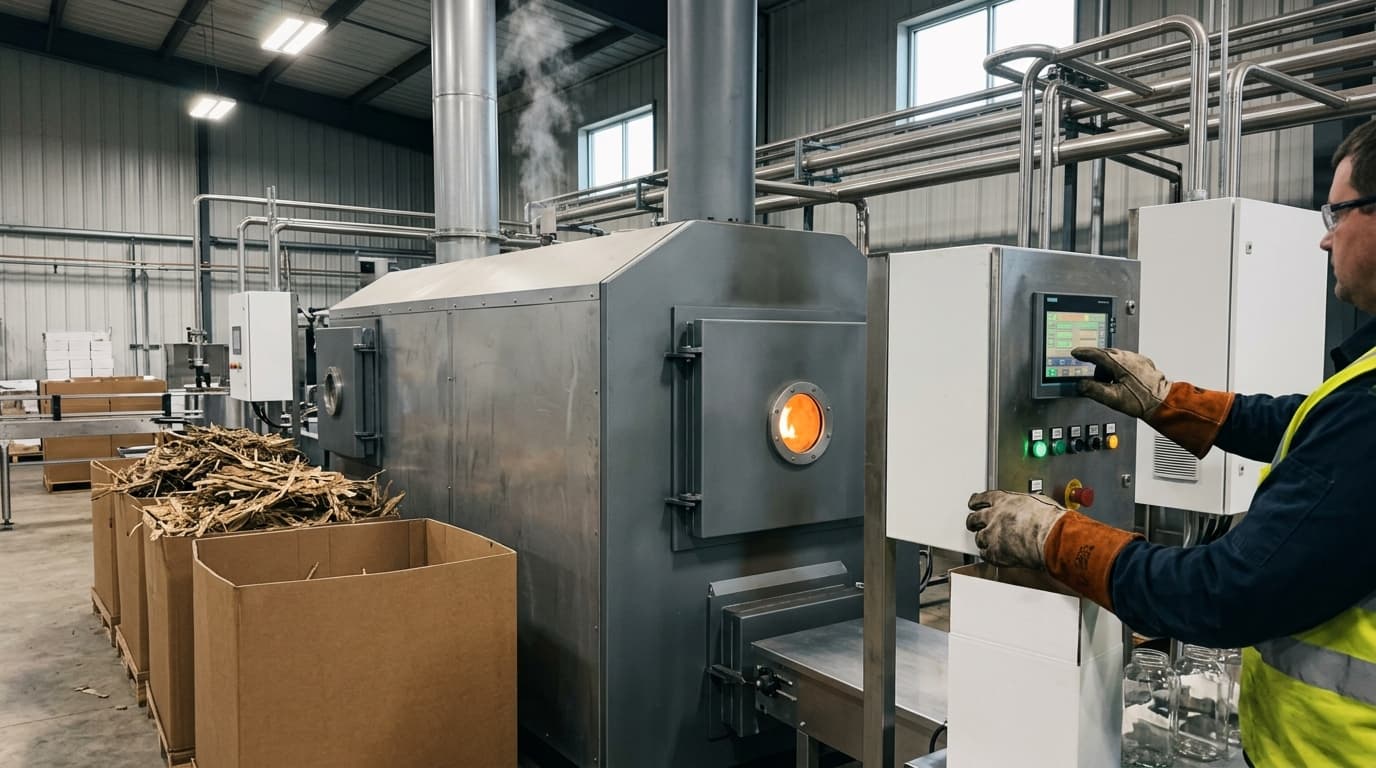
Complete incineration systems for general, agricultural, pharmaceutical, healthcare, and military waste — from under 50kg/h batch to 500kg/h continuous.
Thermal Processing System Design Guidelines
Executing a compliant agricultural thermal network requires meticulous adherence to established thermal processing system design guidelines. System specification should centre on heat retention, stoichiometric combustion efficiency, and validated mechanical geometry.
Fluid Dynamics and Geometry Validation
Combustion and drying chambers must maintain uniform temperature profiles. Cold spots allow pathogens to survive, while inconsistent airflow causes the formation of unburned hydrocarbons and excess carbon monoxide. Process engineers often use third-party computational fluid dynamics (CFD) software to model and analyse airflow behaviour before commissioning. This digital validation ensures that internal geometries optimise gas turbulence and residence times. Agricultural waste incineration parameters frequently mandate a minimum gas residence time of two seconds at temperatures exceeding 850°C to guarantee the complete destruction of volatile compounds.
Coretex Refractory and Component Durability
Prolonged exposure to extreme heat degrades standard industrial materials. Heavy-duty agricultural systems require advanced refractory linings to prevent heat loss and ensure personnel safety. EnerTherm Engineering utilises Coretex refractory lining to provide superior thermal shock resistance, minimising outer casing temperatures and reducing parasitic heat loss to the surrounding environment. In heat recovery sections, free-floating tube bundles allow for continuous thermal expansion and contraction without placing stress on the main boiler shell. This mechanical defence mechanism mitigates metal fatigue, extending the operational lifespan of the plant and supporting continuous regulatory compliance.
High-Pressure System Safety: BS EN 12952-1:2015 Standards
Where thermal processing units feature energy recovery through steam generation, adherence to strict high-pressure safety standards is non-negotiable. BS EN 12952-1:2015 specifies the legal and technical requirements for water-tube boilers and auxiliary installations operating at volumes exceeding two litres and maximum allowable pressures (PS) greater than 0.5 bar. These systems typically handle temperatures in excess of 110°C.
Water-Tube Boiler Specifications
High-temperature processes in large-scale agriculture frequently recover heat through water-tube boilers. The purpose of BS EN 12952-1:2015 is to fulfil the essential safety requirements of European pressure equipment directives. The standard mandates rigorous design, manufacturing, and non-destructive testing protocols to prevent pressure-related hazards, specifically the catastrophic failure of pressure-retaining components due to internal overheating. When specifying these boilers, engineers must ensure the feedwater inlet, steam outlet, and all associated headers or superheaters are capable of reliable isolation during routine inspections.
Auxiliary Safety and Protective Measures
Boiler safety relies entirely on auxiliary monitoring and control infrastructure. Feedwater quality must be strictly monitored to prevent internal scaling, which creates insulating layers that lead to localised tube overheating. Control loops must automatically sever the fuel supply if pressure or temperature readings exceed safe operational thresholds. Industry professionals widely regard these automated safety interlocks as the primary defence against mechanical failure in high-pressure steam environments, protecting both personnel and core capital assets.
Precision Dehydration: AI-Driven Moisture Control
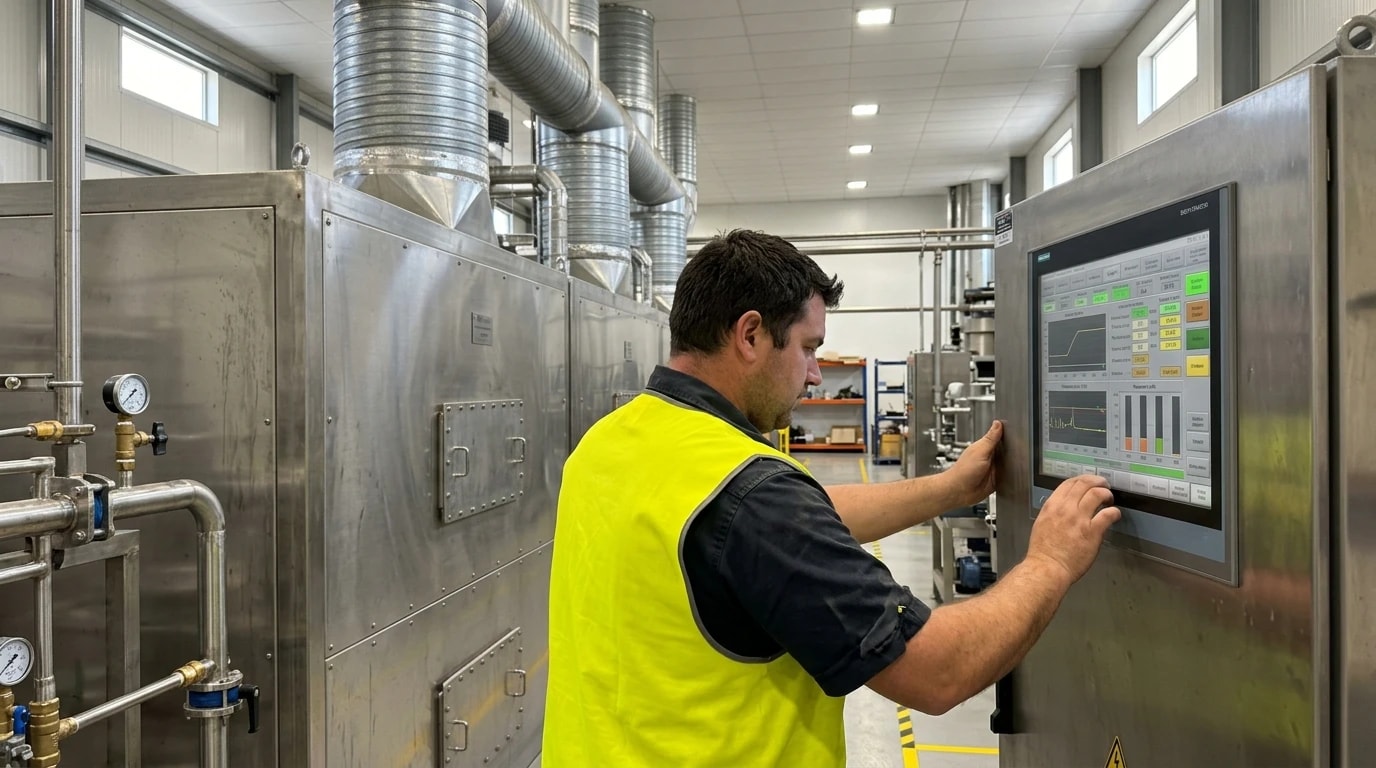
EnerTherm Engineering’s 'Dehydrators for Agriculture' subcategory provides solutions engineered for extreme resource efficiency. Precision dehydration is critical for maintaining crop viability while lowering overall energy consumption to satisfy the requirements of the FDM BREF.
The ThermDry TDS-3500 and TDD-6500 Ecosystem
The ThermDry TDS-3500 and TDD-6500 systems deliver advanced moisture management for high-value agricultural products, including grains, seeds, and herbs. Key technical capabilities include:
- Operating Range: Precise air temperature regulation between 30°C and 70°C.
- AI Control: Multi-zone feedback loops continuously adjust parameters to match product moisture content.
- Preservation: Non-destructive moisture extraction that protects the biological integrity of the crop.
Optimising Seed Viability and Emission Reductions
Seed drying demands exact thermal profiling. Excessive heat destroys germination potential, rendering the crop commercially useless. The AI control mechanisms in the ThermDry series continuously adjust airflow and heat input based on real-time moisture sensor data. This active regulation guarantees a 95% seed germination viability. By eliminating the inefficiencies of over-drying, the systems substantially reduce fuel consumption, directly aligning with the energy efficiency targets outlined in UK and EU environmental legislation.
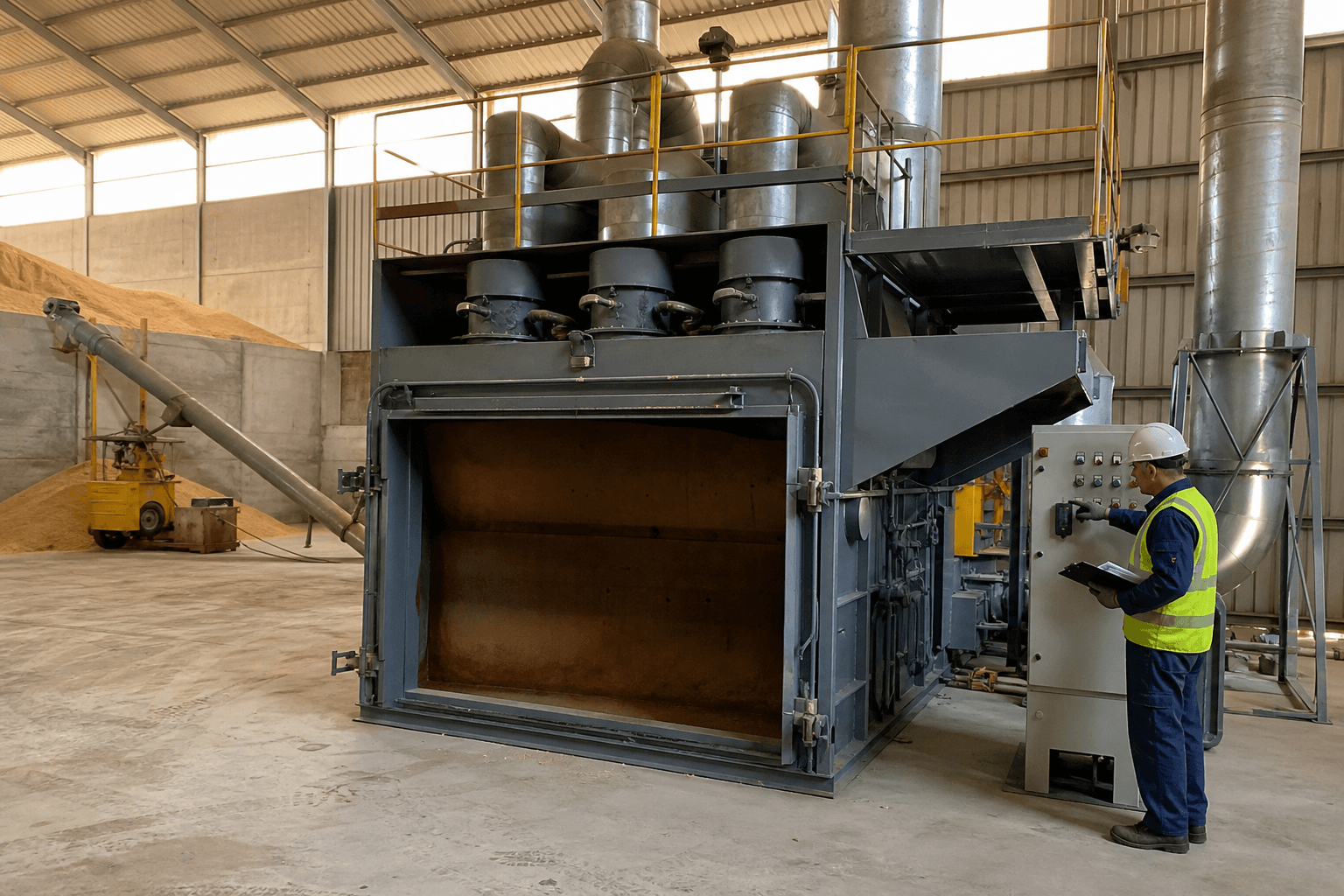
The LitBurn, AgriBurn, AmoBurn, and AniBurn ranges cover every waste disposal need with dual-chamber combustion and scrubbing options.
High-Efficiency Waste Incineration: Securing Biosecurity
Managing agricultural waste poses severe biosecurity risks. The IED strictly regulates the thermal treatment of animal by-products and infected crops. EnerTherm Engineering’s 'Incinerators for Agriculture' subcategory provides the robust infrastructure necessary to eliminate these biological hazards while simultaneously capturing latent energy for site reuse.
Dual-Chamber Combustion Mechanics
The LitBurn and AgriBurn AGBI series utilise sophisticated dual-chamber combustion mechanics to process infected organic matter safely:
- Primary Chamber: Solid waste is gasified in a controlled, oxygen-starved environment.
- Secondary Chamber: Volatile gases ignite at extreme temperatures ranging from 850°C to 1,200°C.
- Retention Time: Combusted gas is held for a minimum of two seconds to ensure total pathogen elimination.
This high-temperature retention ensures total biological destruction and prevents the formation of highly toxic dioxins and furans, complying directly with the stringent emission limits mandated by the WT BREF.
Energy Recovery and Steam Generation
Modern compliance requires that waste incineration functions as a mechanism for energy recovery. The AgriBurn AGBI series integrates water pre-heating and steam generation modules. By converting thermal energy from the incineration exhaust into usable process steam, agricultural facilities drastically reduce their reliance on supplementary fossil fuels. This closed-loop energy cycle satisfies the highest tiers of the waste hierarchy applicable to thermal treatment, transforming a disposal cost into a measurable energy asset.
Indirect Process Heating for 24/7 Operations
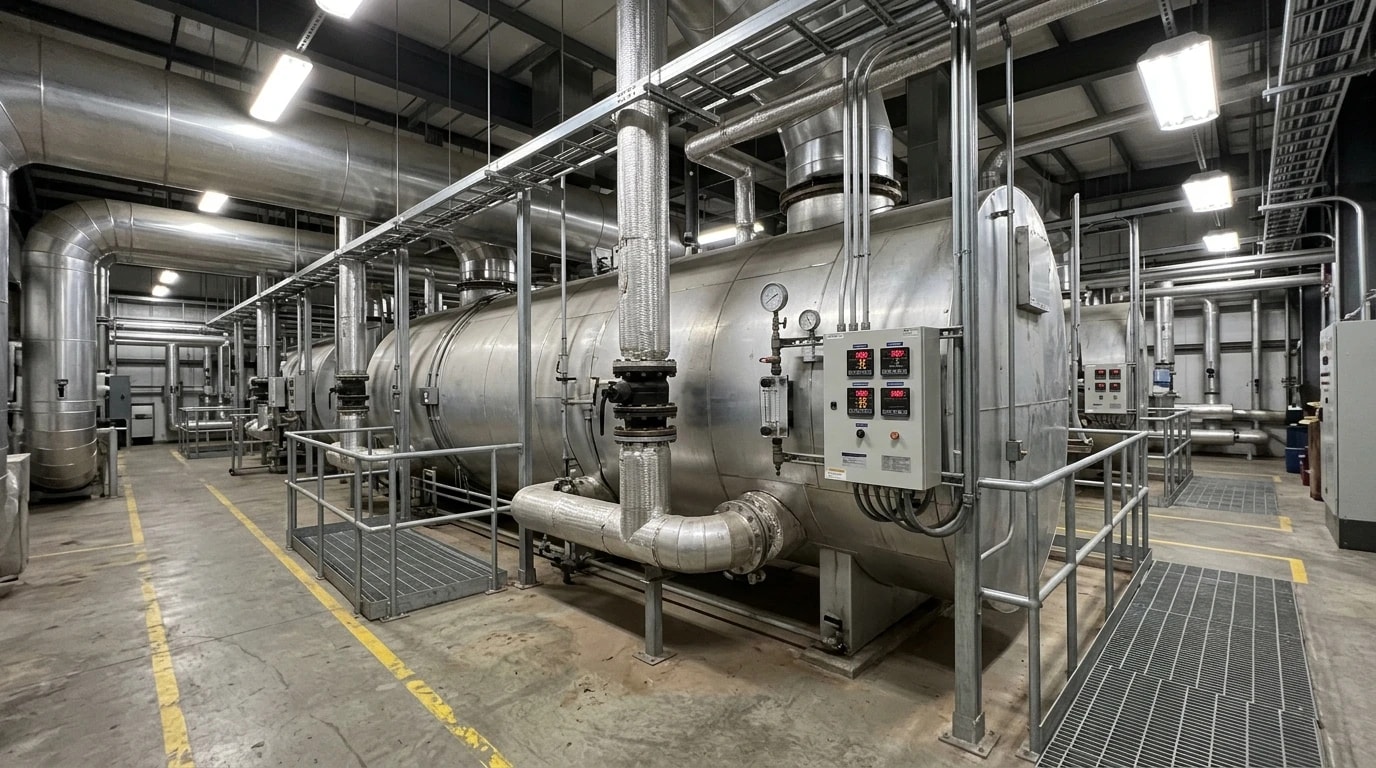
Maintaining continuous operational throughput during peak harvest seasons requires highly reliable heating infrastructure. EnerTherm Engineering’s 'Process Heaters for Agriculture' subcategory includes the EcoHeat series, explicitly designed to sustain large-scale agricultural drying towers under heavy loads.
The EcoHeat EIHS/EIHD Series
The EcoHeat EIHS and EIHD models provide indirect process heating. The core specifications include:
- Thermal Efficiency: Continuous heat exchange consistently achieving 80% to 90% thermal efficiency.
- Gas Separation: Absolute physical separation between combustion gases and the clean process air stream.
- Food-Grade Safety: Full compliance with hygiene standards mandated by the FDM BREF.
This design physically separates the combustion gases from the process air, ensuring that exhaust particulate and combustion by-products never contaminate the agricultural product.
Fuel Flexibility and Hydrogen Integration
Future-proofing agricultural facilities demands fuel flexibility. The EcoHeat series supports multiple fuel streams, including biogas generated from on-site anaerobic digestion, as well as hydrogen integration. As the UK and European Union enforce aggressive decarbonisation targets, the ability to seamlessly transition from natural gas to hydrogen blends allows facilities to remain compliant with tightening carbon emission limits without requiring the replacement of their core thermal infrastructure.
Environmental Monitoring and Predictive Maintenance
Compliance with EPR 2016 and the IED is an ongoing operational commitment rather than a singular commissioning hurdle. Environmental permits demand continuous emission monitoring, regular system audits, and transparent public reporting. Under the revised IED guidelines, facilities must report pollutant data to the European Pollutant Release and Transfer Register (E-PRTR) or its domestic equivalent.
Continuous Emission Monitoring Systems (CEMS)
Thermal networks must continuously log output data to prove ELV compliance to regulators. When facilities breach emission limits, they face severe financial penalties and immediate operational shutdowns. Modern incinerators and process heaters integrate Continuous Emission Monitoring Systems (CEMS) to track NOX, SO₂, carbon monoxide, and oxygen levels in real time. Facility managers use this data to dynamically adjust burner modulation and air-to-fuel ratios, preventing emission spikes before they register as a regulatory breach.
Automated Diagnostics and Maintenance Programmes
System degradation directly impacts emission levels and energy consumption. Many consultancies evaluate system performance by deploying advanced predictive maintenance software. This software logs thousands of data points hourly, analysing system metrics—such as exhaust gas temperatures, pressure drops across baghouse filters, and baseline fuel consumption rates—to identify component wear. Routine inspection of refractory linings, heat exchanger tubes, and burner nozzles prevents unexpected thermal failure. By integrating these predictive maintenance schedules, agricultural project managers ensure that their thermal processing infrastructure continually operates within the optimum efficiency bands defined during the initial system specification phase.
Achieving Net-Zero Agricultural Operations
The integration of precision dehydrators, high-efficiency waste incinerators, and flexible process heaters forms a cohesive ecosystem for modern farming. By converting waste into usable energy, optimising dehydration to eliminate crop degradation, and deploying hydrogen-ready process heaters, facilities can fundamentally lower their carbon footprints. Adhering to the EU IED, UK EPR 2016, and BS EN 12952-1:2015 is not merely a legal obligation; it provides the technical baseline for sustainable, highly profitable agricultural processing. EnerTherm Engineering delivers the mechanical specifications, resilient construction, and intelligent control systems required to secure the long-term reliability and environmental compliance of industrial agriculture.
This article reflects the independent analysis and editorial opinion of EnerTherm Engineering. Product names, trademarks, and brands mentioned belong to their respective owners. EnerTherm Engineering is not affiliated with, endorsed by, or a licensee of any third-party software or product mentioned unless explicitly stated.

Managing Director — EnerTherm Engineering
Dr. François Pierrel is Managing Director of EnerTherm Engineering with over two decades of expertise in thermal design, heat transfer, and industrial energy optimisation. He holds a PhD in Heat Transfer from Cranfield University and a Post-Doctorate from Heriot-Watt University.
