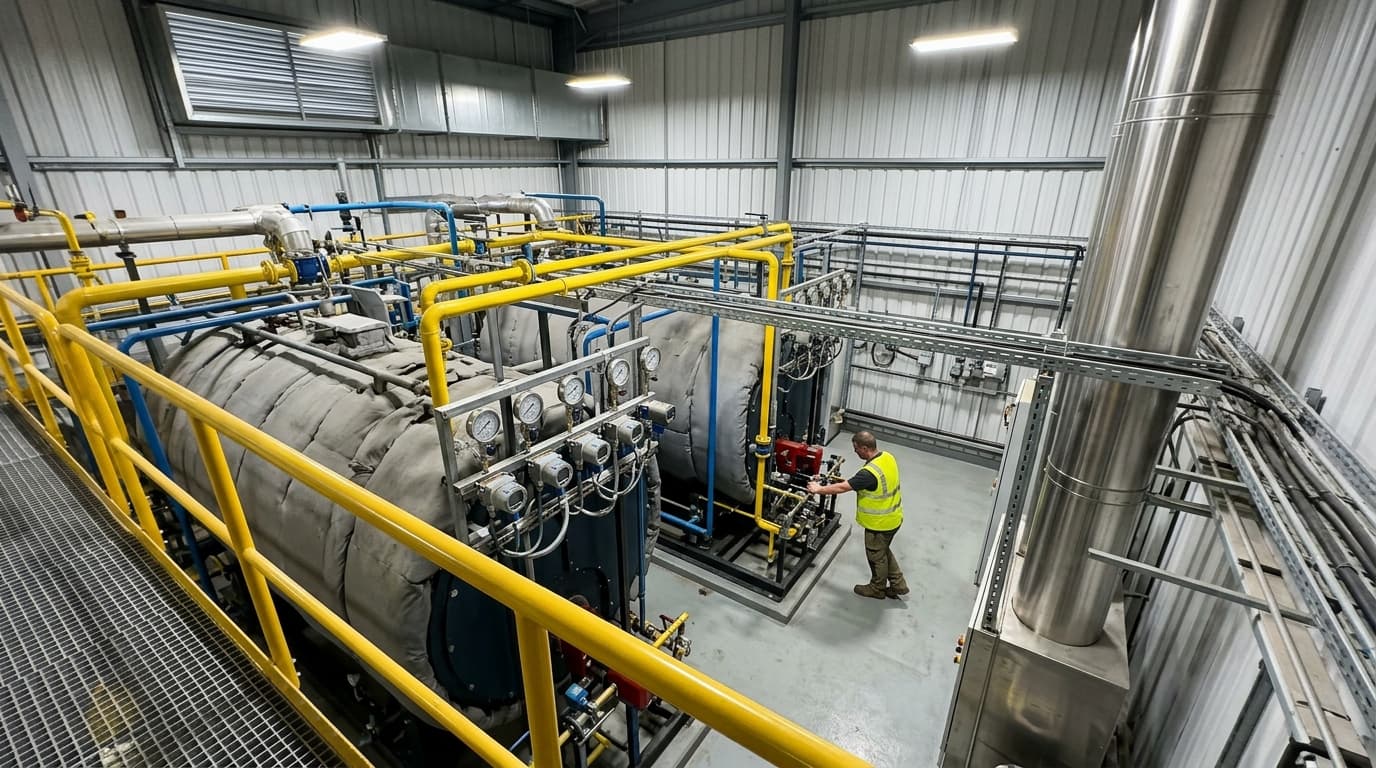
Navigating UK Thermal Compliance for Agricultural Processors
How operators meet MCPD and Clean Air Act standards to avoid costly permit delays.
Meeting compliance for industrial thermal installations UK regulations demands strict adherence to MCPD and Clean Air Act rules to avoid costly permit delays.
As of 1 January 2024, all existing medium combustion plants in the UK with a thermal input greater than 5 MWth are legally required to operate under a valid environmental permit. Agricultural processors across the country face rigorous regulatory scrutiny when upgrading or installing new thermal equipment. From high-capacity grain dehydrators to agricultural waste incinerators, every new installation must satisfy overlapping tiers of environmental legislation. Failing to secure the correct permits prior to commissioning results in severe financial penalties, operational shutdowns, and prolonged project delays.
Plant operators must structure their installation projects around three primary legislative pillars: the Environmental Permitting (England and Wales) Regulations 2016, the transposed Medium Combustion Plant Directive (MCPD), and the Clean Air Act 1993. Agricultural facilities also face specific scrutiny from the Animal and Plant Health Agency (APHA) when managing animal by-products through incineration.
The Environmental Permitting Framework
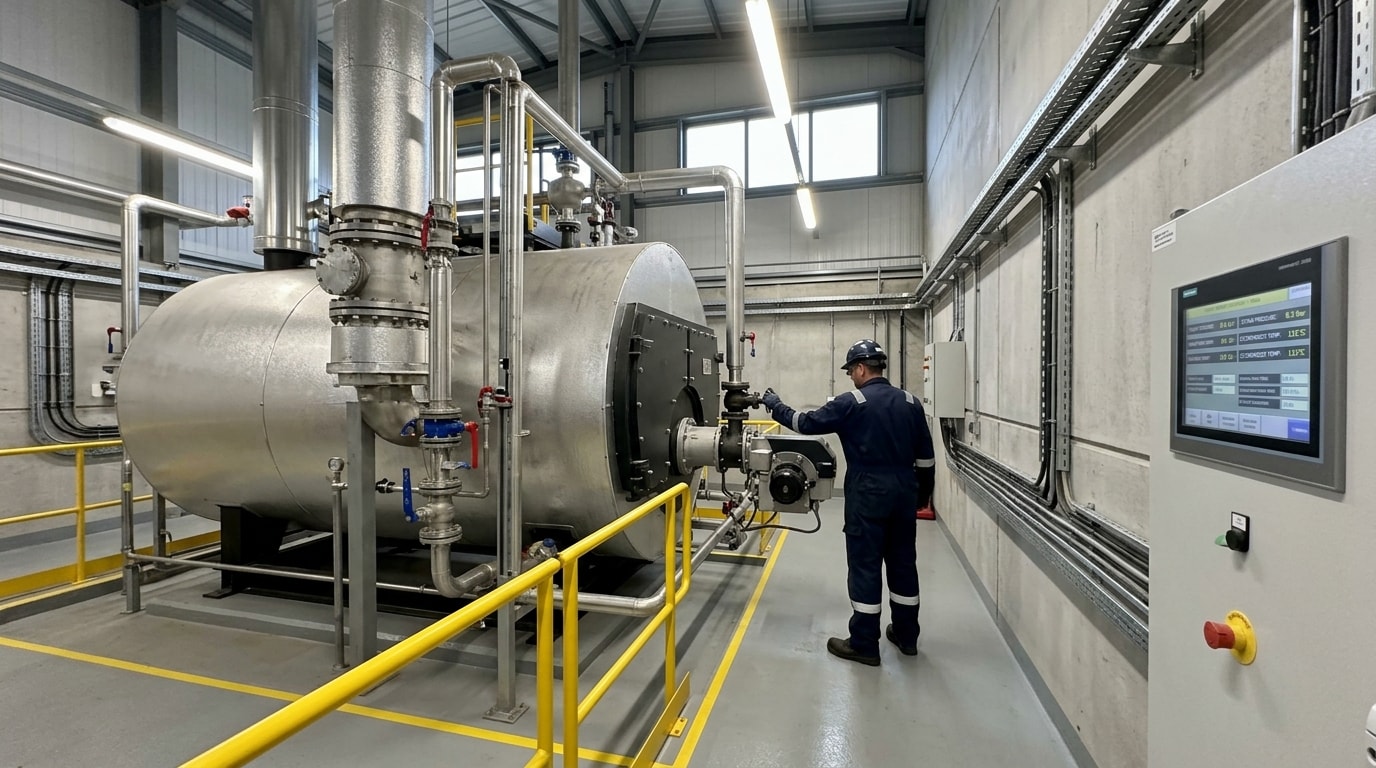
The Environmental Permitting (England and Wales) Regulations 2016 provide the primary consolidated framework for industrial activities. These regulations classify thermal installations into three distinct categories, determining both the regulatory body and the stringency of the emissions limits.
Facilities are split into Part A(1), Part A(2), and Part B activities. Part A(1) installations represent the largest industrial sites and are regulated directly by the Environment Agency (EA) in England. These permits control emissions to air, water, and land, alongside energy efficiency and noise standards. For agricultural sites, combustion plants exceeding 50 MWth fall automatically under Part A(1) and the strict requirements of the Industrial Emissions Directive (IED).
Part A(2) installations are regulated by local authorities and cover a slightly narrower scope of environmental impacts for medium-to-large operations.
Part B installations are also regulated by local authorities but are exclusively concerned with controlling emissions to air. The majority of agricultural thermal installations, such as process heaters and commercial dehydrators falling between 20 MWth and 50 MWth, are classed as Part B activities. Operators of these facilities must apply Best Available Techniques (BAT) to minimise airborne pollutants. Obtaining a Part B permit requires comprehensive emission modelling and technical design data long before the equipment reaches the site.
Aligning Equipment with Permit Tiers
Agricultural processing relies heavily on thermal control. Custom-engineered dehydrators remove moisture from harvested crops to prevent spoilage, process heaters maintain precise temperatures for bulk drying, and on-site incinerators manage agricultural waste. Determining the correct permitting tier requires an exact calculation of the aggregated net rated thermal input. If a facility operates multiple boilers, heaters, or incinerators that discharge through a common stack, their thermal inputs are combined. This aggregation often pushes seemingly small agricultural processors into higher regulatory brackets, transforming a straightforward equipment upgrade into a complex Part B or Part A(1) application.
Regulatory Variations Across Devolved Nations
While the Environment Agency regulates England, Natural Resources Wales (NRW) handles the framework in Wales. In Scotland, the Scottish Environment Protection Agency (SEPA) enforces the regulations, and in Northern Ireland, the Department of Agriculture, Environment and Rural Affairs (DAERA) oversees the Pollution Prevention and Control (Industrial Emissions) Regulations. Each devolved regulator enforces the same baseline limits, but application portals, fee structures, and processing timelines differ significantly.
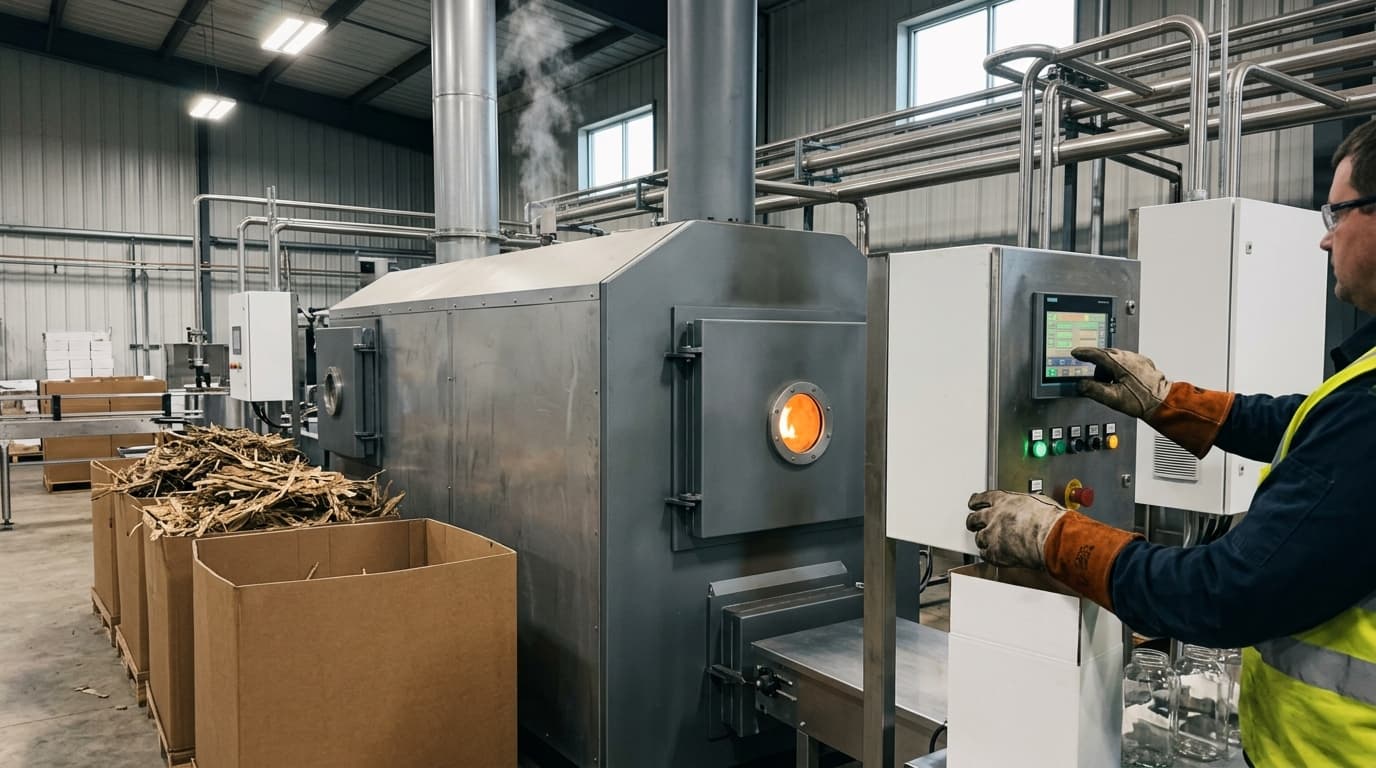
Complete incineration systems for general, agricultural, pharmaceutical, healthcare, and military waste — from under 50kg/h batch to 500kg/h continuous.
Medium Combustion Plant Directive Requirements
The Medium Combustion Plant Directive (MCPD) targets sulphur dioxide (SO₂), nitrogen oxides (NOₓ), and dust emissions. Transposed into UK law via the 2018 amendments to the Environmental Permitting Regulations, the directive applies to all combustion plants with a rated thermal input between 1 MWth and 50 MWth.
Critical Deadlines and Emission Limit Values
The regulatory timetable for MCPD compliance depends on the age and capacity of the installation. Any thermal plant put into operation after 20 December 2018 is classified as "new" and requires a permit before commissioning.
For "existing" plants operational before that date, the deadlines are staggered based on thermal capacity:
- Installations with a thermal input greater than 5 MWth were required to hold a permit by 1 January 2024.
- Installations with a thermal input between 1 MWth and 5 MWth must secure their permits by 1 January 2029.
Operators of 1-5 MWth dehydrators and process heaters must initiate their permitting process well ahead of the 2029 deadline. Local authorities and environmental agencies face significant processing backlogs, and late applications will not protect facilities from enforcement action.
Once permitted, facilities must adhere to strict Emission Limit Values (ELVs). The specific limits depend on the fuel type—biomass, natural gas, or liquid fuels—and the thermal capacity of the plant. Process engineers often specify low-NOₓ burners and advanced filtration systems to ensure equipment comfortably meets these statutory thresholds.
Ongoing Monitoring and Compliance
Securing the permit is only the initial hurdle. The MCPD mandates regular emissions monitoring to prove ongoing compliance. Environmental officers expect operators to maintain immaculate records of operating hours, fuel types, and emissions data. Routine stack testing must be programmed into the annual maintenance schedule to verify that the specified ELVs are not breached during standard agricultural processing operations.
Chimney Height Approvals Under the Clean Air Act 1993
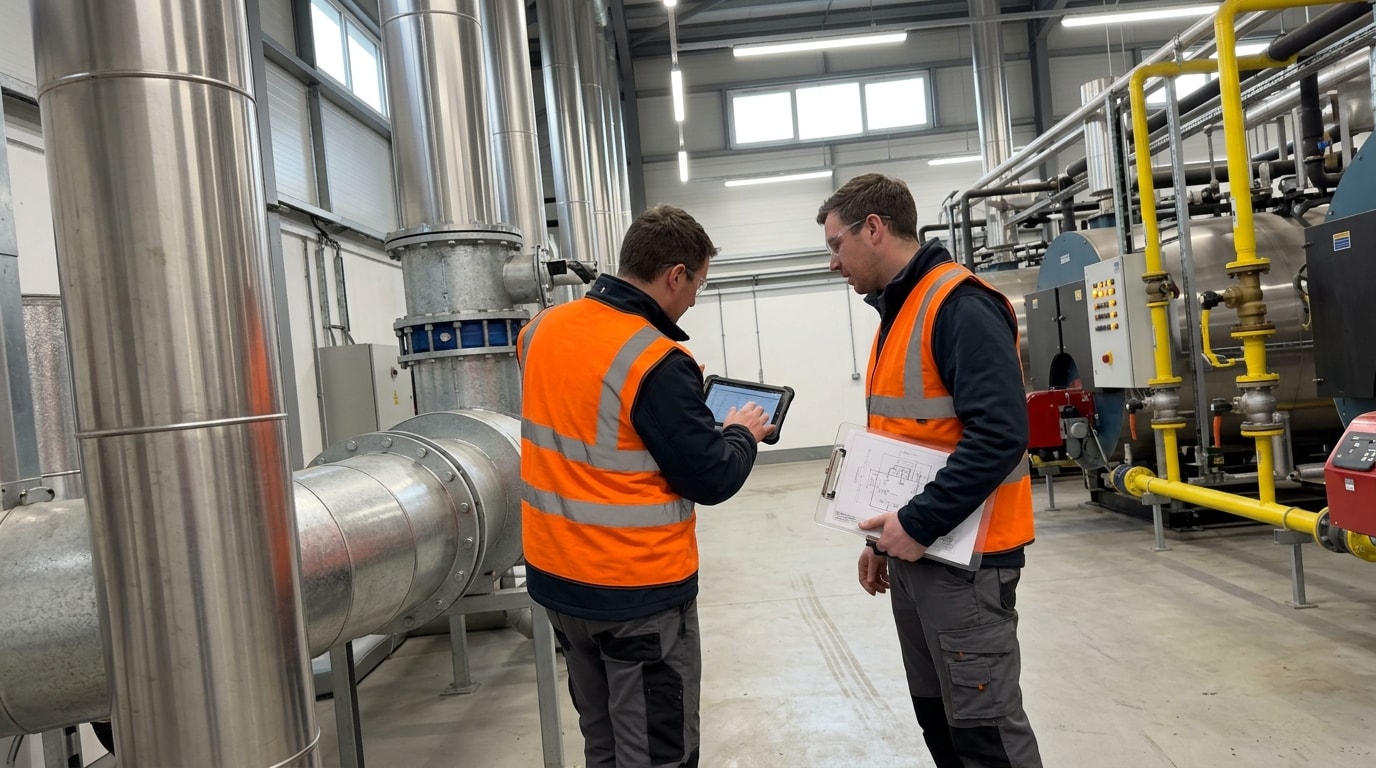
While the MCPD governs the volume and concentration of emissions, the Clean Air Act 1993 dictates how those emissions are dispersed into the atmosphere. Section 14 of the Act requires operators to obtain "chimney height approval" from their local authority before installing or altering certain furnaces.
This approval is legally required if the proposed thermal equipment burns:
- Pulverised fuel
- Any solid matter at a rate of 45.4 kg or more per hour
- Any liquid or gaseous matter at a rate equivalent to 366.4 kWth or more
The vast majority of industrial agricultural heaters, dehydrators, and incinerators exceed these thresholds, making Section 14 approval a mandatory step. It is an offence to operate a furnace meeting these criteria without local authority sign-off on the stack design.
The D1 Calculation Method
To secure approval, applicants must prove that the proposed chimney height will adequately disperse flue gases without causing ground-level pollution that endangers public health. Environmental consultants widely use the HMIP Technical Guidance Note D1 to calculate the required stack height.
The D1 method is a mathematical model that calculates an uncorrected discharge height based on the specific pollutant emission rates and the volume of the exhaust gas. This baseline figure is then adjusted upward to account for the aerodynamic effects of the building housing the furnace, as well as the impact of other tall structures within a specified radius.
If the agricultural facility is located within an Air Quality Management Area (AQMA)—a zone designated by a local authority where national air quality objectives are not being met—planners will impose far stricter dispersion requirements. In these cases, a basic D1 calculation is rarely sufficient. Applicants must commission advanced atmospheric dispersion modelling software to simulate the exact impact of the thermal plume under local meteorological conditions.
Grit and Dust Arrestment Plant
Alongside Section 14 for chimney heights, operators must also consider Section 6 of the Clean Air Act 1993, which requires local authority approval for grit and dust arrestment plant. This is particularly relevant for agricultural facilities burning solid matter, such as biomass or agricultural waste. If a furnace burns solid fuel at a rate of 45.4 kg per hour or more, the operator must install approved filtration equipment—such as multi-cyclones or baghouse filters—to strip particulate matter from the exhaust stream before it reaches the stack.
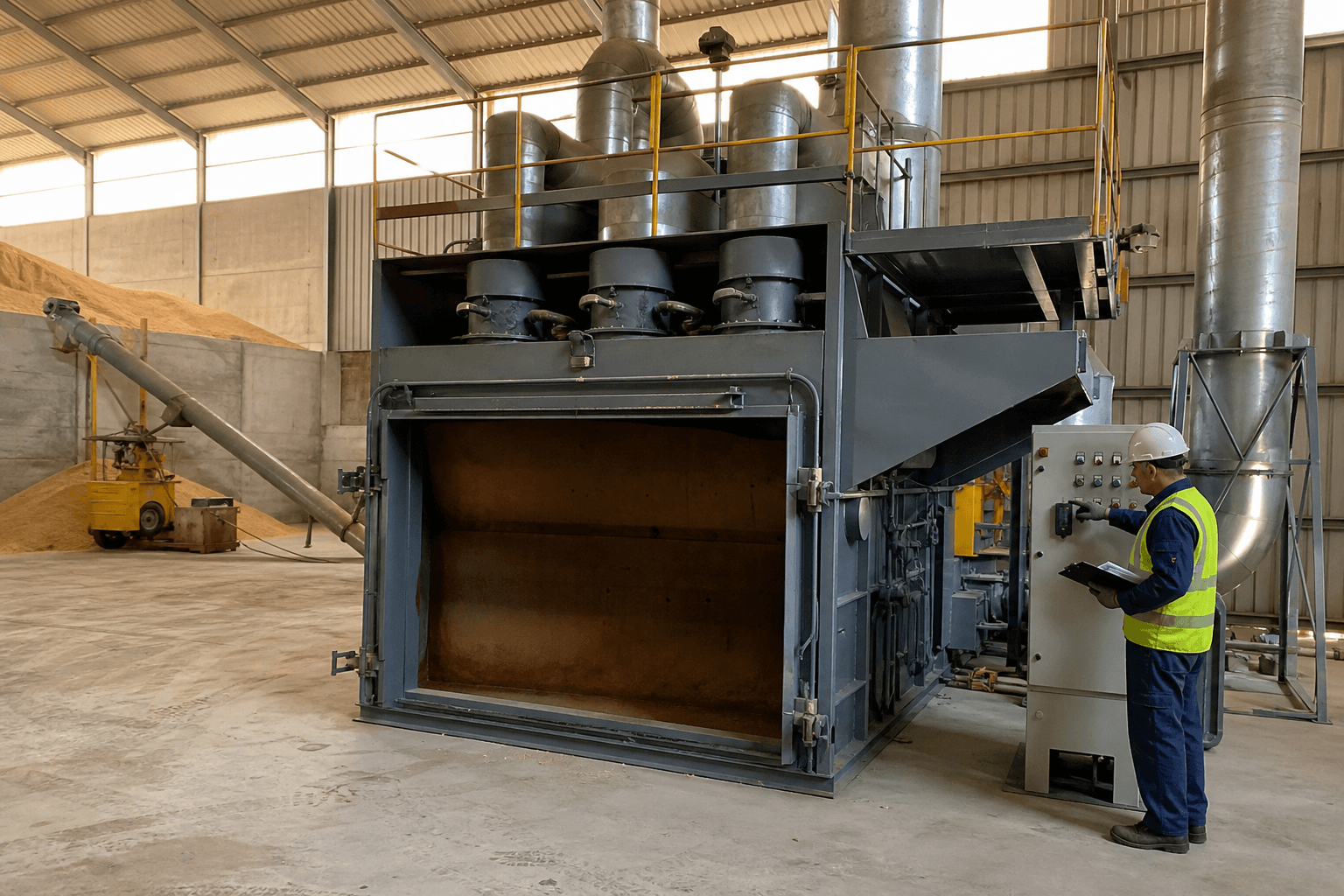
The LitBurn, AgriBurn, AmoBurn, and AniBurn ranges cover every waste disposal need with dual-chamber combustion and scrubbing options.
Agricultural Incinerators and Animal By-Product Rules
Waste management introduces a separate layer of regulatory complexity. Agricultural incinerators are highly effective tools for managing farm waste and controlling bio-security risks. However, the disposal of animal carcases and related agricultural matter is strictly controlled.
Incinerators burning animal by-products (ABPs) exclusively are governed by the Animal and Plant Health Agency (APHA) under the Animal By-Products (Enforcement) Regulations. APHA divides these installations into two categories based on throughput:
- Low-capacity incinerators: Processing under 50 kg per hour.
- High-capacity incinerators: Processing over 50 kg per hour.
To neutralise pathogens safely, the regulations mandate specific operating temperatures. The exhaust gas in the secondary combustion chamber must be held at 850°C for a minimum of 2 seconds. If the facility processes specific high-risk materials, this temperature requirement increases to 1100°C for 0.2 seconds. APHA requires incinerators to feature automated interlocking mechanisms that prevent waste from being loaded into the primary chamber until the secondary chamber has reached the legal temperature threshold.
Intersecting with the Industrial Emissions Directive
A frequent compliance error occurs when operators mix agricultural waste streams. If a facility burns non-animal waste alongside ABPs, it immediately exits the jurisdiction of APHA and falls under the purview of the Environment Agency and the Industrial Emissions Directive. This triggers the need for a highly complex and expensive IED permit, accompanied by continuous emissions monitoring systems (CEMS) and rigorous daily reporting. Facility managers must enforce strict waste segregation protocols to ensure their agricultural incinerators remain under APHA regulation.
Preventing Costly Permitting Delays
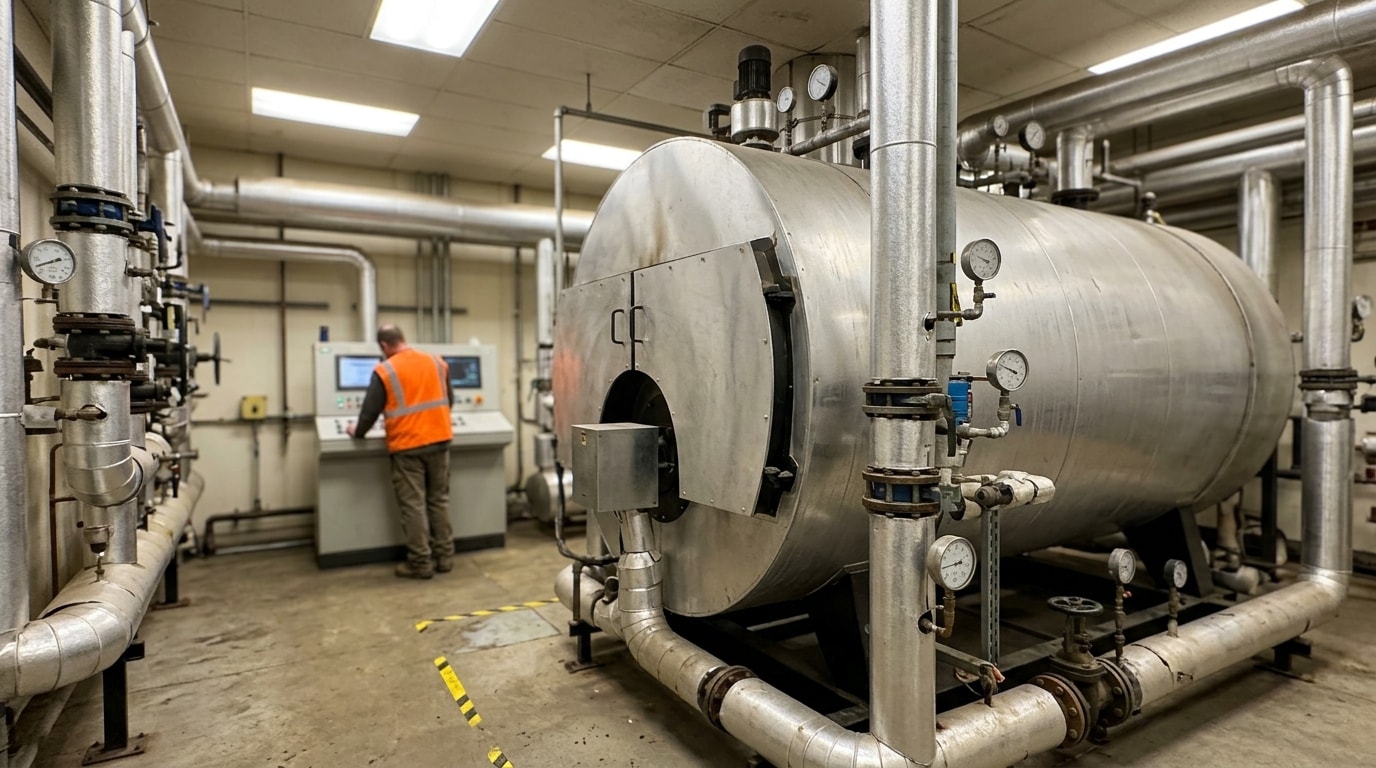
Industrial thermal engineering projects frequently stall during the regulatory approval phase. Equipment lead times are predictable, but local authority processing times for Part B permits and chimney height approvals vary wildly. Operations managers must integrate regulatory milestones into the critical path of the project schedule.
Conducting Pre-Application Consultations
Engaging with the local planning authority and the relevant environmental regulator before submitting a formal application reduces the risk of rejection. Pre-application consultations allow operators to confirm the specific ELVs applicable to their fuel source and determine whether detailed air quality modelling will be demanded. For sites located near sensitive ecological receptors, such as Natura 2000 sites or Air Quality Management Areas, the regulator will outline exactly what impact assessments are required before the application is processed.
Specifying Compliant Thermal Technologies
The most effective way to guarantee permit approval is to specify thermal equipment engineered directly for modern compliance limits. When upgrading agricultural dehydrators or process heaters, operators must demand technical guarantees from their equipment manufacturers regarding NOₓ, SO₂, and particulate output.
Modern thermal solutions achieve compliance through several engineering modifications:
- Burner geometry: Optimised air-to-fuel mixing reduces peak flame temperatures, suppressing thermal NOₓ formation.
- Fuel transition: Shifting from heavy fuel oils to LPG or biomass dramatically alters the emissions profile. Biomass installations require advanced dust arrestment plants, such as ceramic filters or electrostatic precipitators, to meet MCPD particulate limits.
- Thermal efficiency: High-efficiency heat exchangers reduce total fuel consumption, lowering the absolute volume of exhaust gases requiring dispersion.
Implementing Robust Data Acquisition
Environmental permits dictate hardware specifications but also demand rigorous data management. Regulators require proof that equipment operates within permitted parameters. Industry professionals routinely install Supervisory Control and Data Acquisition (SCADA) networks that log secondary chamber temperatures, combustion air flow, and differential pressure across filtration systems.
For compliance with APHA regulations, this data proves that the required 850°C retention time is consistently achieved. For MCPD compliance, data logging simplifies the triennial or annual emissions reporting process, shielding the operator from compliance audits and potential fines.
Planning for the 2029 Deadline and Beyond
Agricultural processors operating older 1-5 MWth thermal plant cannot afford to wait until late 2028 to assess their compliance status. Assessing existing dehydrators and process heaters against upcoming MCPD limits takes time, as does securing the budget for necessary upgrades, applying for the environmental permit, and commissioning the modified equipment.
Proactive facility managers are conducting site-wide thermal audits today. By mapping every combustion source, calculating the aggregated thermal input, and reviewing existing stack designs against the Clean Air Act requirements, operators establish a clear roadmap to compliance. Ensuring that agricultural thermal installations are modernised, permitted, and legally compliant safeguards the production capacity of the site and protects the business from severe regulatory enforcement.
This article reflects the independent analysis and editorial opinion of EnerTherm Engineering. Product names, trademarks, and brands mentioned belong to their respective owners. EnerTherm Engineering is not affiliated with, endorsed by, or a licensee of any third-party software or product mentioned unless explicitly stated.

Managing Director — EnerTherm Engineering
Dr. François Pierrel is Managing Director of EnerTherm Engineering with over two decades of expertise in thermal design, heat transfer, and industrial energy optimisation. He holds a PhD in Heat Transfer from Cranfield University and a Post-Doctorate from Heriot-Watt University.
