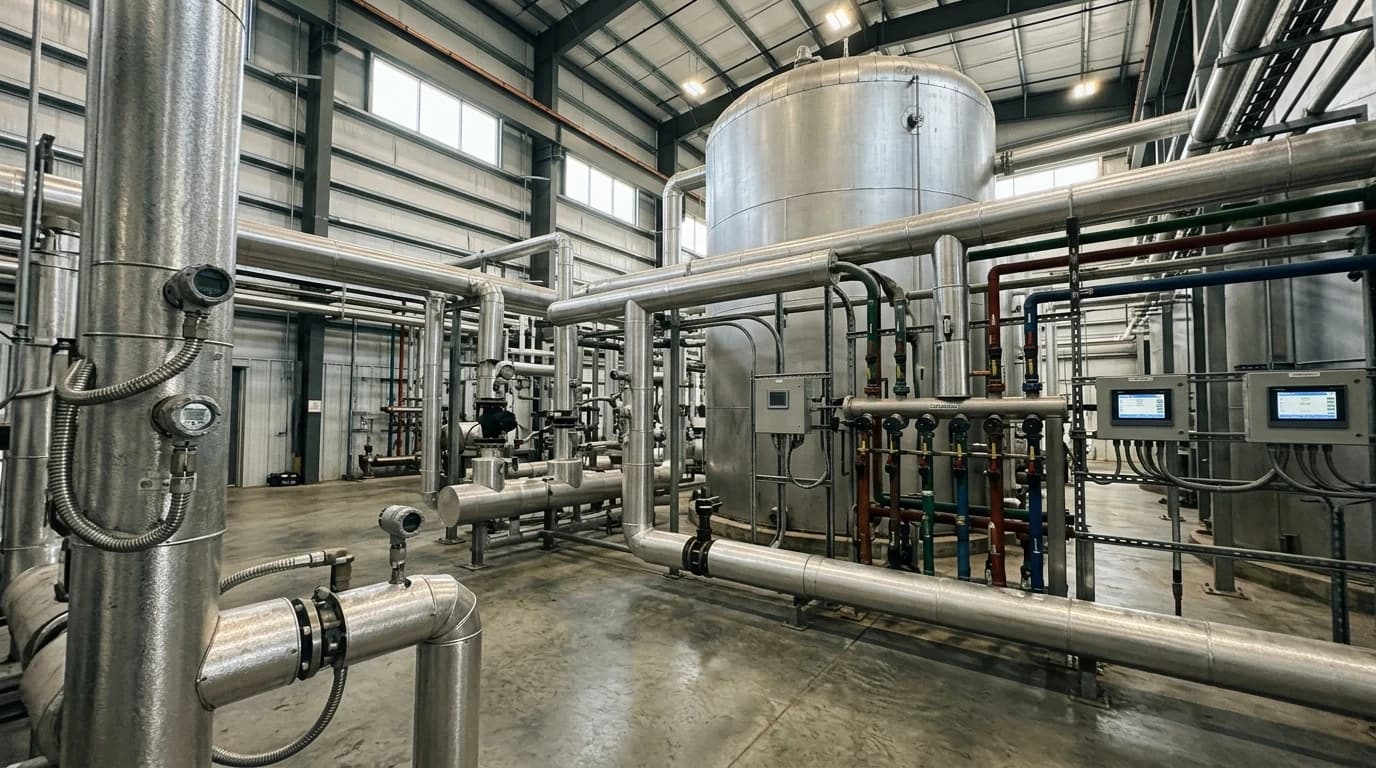
Why Precision Thermal Control Boosts Anaerobic Methane Yield
How stabilising digester temperature within ±2°C improves bioenergy output and compliance.
Anaerobic digestion temperature control is a thermal regulation process that maintains the internal environment of a digester within strict biological temperature thresholds to maximise the biological conversion of organic waste into methane-rich biogas. In large-scale agricultural bioenergy facilities, maintaining absolute thermal stability determines the commercial viability of a plant. Methane yields can drop rapidly following a single thermal shock event, turning a profitable energy generation asset into a volatile operational liability.
The Biological Imperative: Why Temperature Dictates Anaerobic Methane Yield
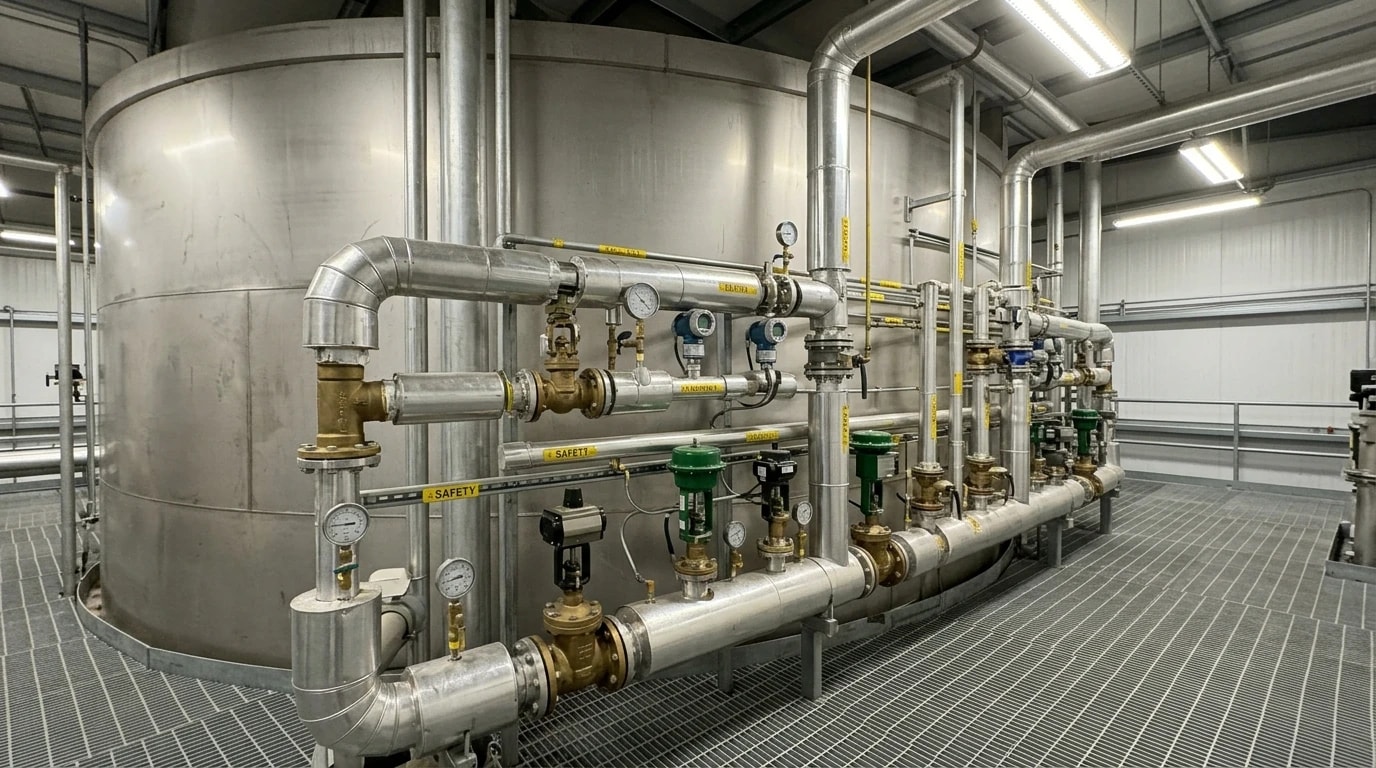
The conversion of complex organic substrates into biogas requires a delicate biological equilibrium. The bacterial consortia responsible for hydrolysis, acidogenesis, acetogenesis, and methanogenesis possess distinct thermal tolerances. Aligning the digester temperature to suit the most sensitive of these microorganisms—the methanogenic archaea—is the primary objective of anaerobic digestion temperature control process stability.
Mesophilic vs Thermophilic Digestion
Process engineers classify anaerobic digestion into two primary thermal regimes. Mesophilic digestion operates between 35°C and 37°C, while thermophilic digestion targets a higher range of 50°C to 55°C.
Thermophilic systems deliver accelerated reaction kinetics and a corresponding reduction in required hydraulic retention times (HRT). Operating above 50°C facilitates faster volatile solid degradation and inherently superior pathogen reduction. However, thermophilic archaea are notoriously sensitive to environmental variables. A shift towards thermophilic operation demands robust indirect process heating infrastructure capable of delivering consistent thermal energy without creating localised hot spots.
Mesophilic digestion provides greater buffering capacity against environmental changes. A broader diversity of microbial species thrives in the mesophilic bracket, granting the system higher resilience against minor operational errors. Agricultural site managers frequently select mesophilic systems when processing highly variable feedstocks, trading the raw throughput speed of a thermophilic system for enhanced long-term baseline stability.
The Threat of Thermal Shock and VFA Accumulation
The most severe risk in anaerobic methane yield optimisation is thermal shock. If digester temperatures fluctuate by more than ±2°C within a 24-hour period, methanogenic archaea reduce their metabolic activity or enter a dormant state.
Conversely, the acidogenic bacteria responsible for the earlier stages of digestion are less thermally sensitive. When temperature drops, they continue breaking down organic matter and producing volatile fatty acids (VFAs). Because the methanogens are no longer converting these acids into methane, VFA concentrations spike. This rapid VFA accumulation lowers the internal pH of the digestate, creating an acidic environment that further inhibits methanogenic activity. Once this negative feedback loop initiates, total system failure or "souring" can occur, requiring costly chemical buffering or a complete system reseeding to restore methane yield.
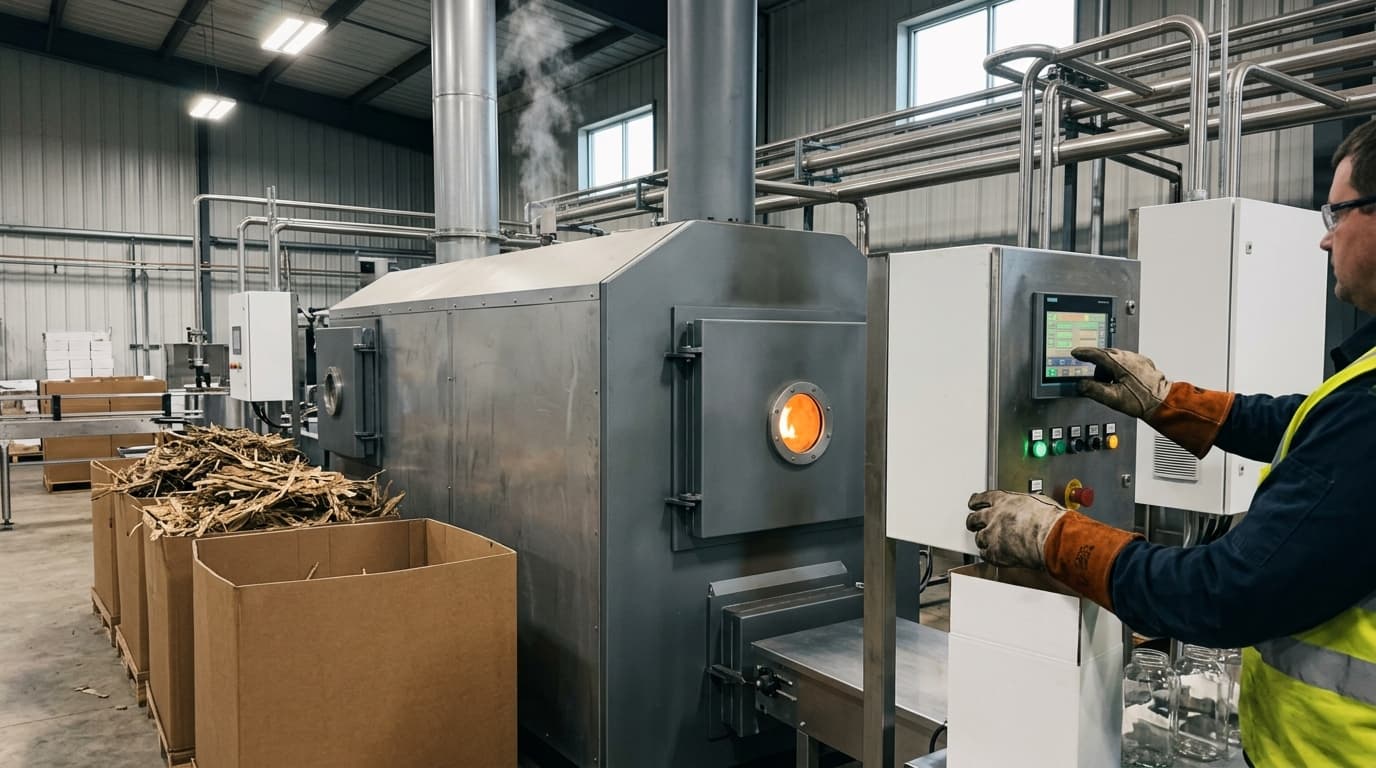
Complete incineration systems for general, agricultural, pharmaceutical, healthcare, and military waste — from under 50kg/h batch to 500kg/h continuous.
Engineering Precision in Anaerobic Digestion Temperature Control
Delivering exact thermal energy to high-viscosity agricultural slurries requires sophisticated mechanical design. Standard heating systems often fail to penetrate thick digestate, leading to uneven temperature distribution and diminished biogas returns.
Heat Transfer Mechanisms in Digester Tanks
Thermal design teams typically select either internal heating coils or external heat exchangers to maintain optimal digester temperature. Internal coils are welded or suspended directly inside the digester tank. While simpler to install, internal coils are susceptible to severe crusting and fouling, where baked-on organic matter acts as an insulator and severely degrades the heat transfer coefficient over time.
External heat exchangers, particularly concentric tube-in-tube or spiral designs, isolate the heating process from the main tank. Sludge is continuously pumped out, passed through the exchanger, and reintroduced. This dynamic movement enhances thermal transfer efficiency and allows for predictive maintenance without requiring a total shutdown of the main digester tank. Engineered heat exchange systems must account for the specific thermal sensitivity of the methanogenic pathway, ensuring the heating fluid itself does not exceed limits that would scorch the biological matter upon contact.
Stratification and Mixing Dynamics
Heat naturally rises, causing thermal stratification within stationary fluids. Without rigorous mechanical or gas mixing, the upper layers of a digester can become dangerously hot while the bottom sludge remains too cold to sustain methanogenesis.
Computational Fluid Dynamics (CFD) models are heavily utilised by industry professionals to map the exact flow of heat through a digestate volume. Optimal temperature anaerobic digestion methane yield depends directly on uniform heat distribution. Mixers must operate in tandem with the heating system to homogenise the substrate, breaking up thermal layers and ensuring that the newly introduced feedstock reaches the target biological temperature as rapidly as possible without shocking the incumbent biomass.
Navigating UK and EU Regulatory Frameworks for Biogas Facilities
Agricultural waste processing operates under strict environmental legislation. Adherence to these mandates directly intersects with the thermal engineering of the facility, as specific temperature thresholds are legally mandated for biosecurity and pathogen destruction.
Compliance with BSI PAS 110:2014 and the ADRF
In the United Kingdom, AD facilities must adhere to BSI PAS 110:2014, the definitive standard for whole digestate, separated liquor, and separated fibre. PAS 110 mandates stringent process control requirements that govern pasteurisation and pathogen reduction to achieve 'End-of-Waste' (EoW) status. Achieving EoW status means the digestate can be sold and applied as a commercial biofertiliser rather than being regulated as a controlled waste product.
A critical thermal requirement of PAS 110 is the pasteurisation step. The standard explicitly states that the anaerobic digestion process must heat all material to at least 70°C for one hour, or utilise a rigorously validated equivalent alternative. Maintaining this precise time-temperature threshold guarantees the destruction of specific plant pathogen indicator species, such as Fusarium spores and Salmonella.
Furthermore, facility operators must recognise the recent transition to the Anaerobic Digestate Resource Framework (ADRF), which replaced the Anaerobic Digestate Quality Protocol (ADQP) in England in late 2025. The ADRF retains PAS 110:2014 as its core technical benchmark but tightens physical contamination limits and overhauls the auditing of storage and end-use.
Animal By-Products Regulation (ABPR) Pasteurisation Requirements
For sites processing animal by-products, EU Regulation (EC) No 1069/2009 and the corresponding UK Animal By-Products Regulations (ABPR) apply. These regulations enforce a similar 70°C for 60 minutes standard with a maximum particle size of 12 mm. The engineering challenge lies in transferring high-grade heat to the substrate for pasteurisation, then rapidly cooling the material back to the 35–37°C or 50–55°C range before introducing it to the main digester. Failure to step down the temperature will immediately induce fatal heat shock within the active methanogenic archaea.
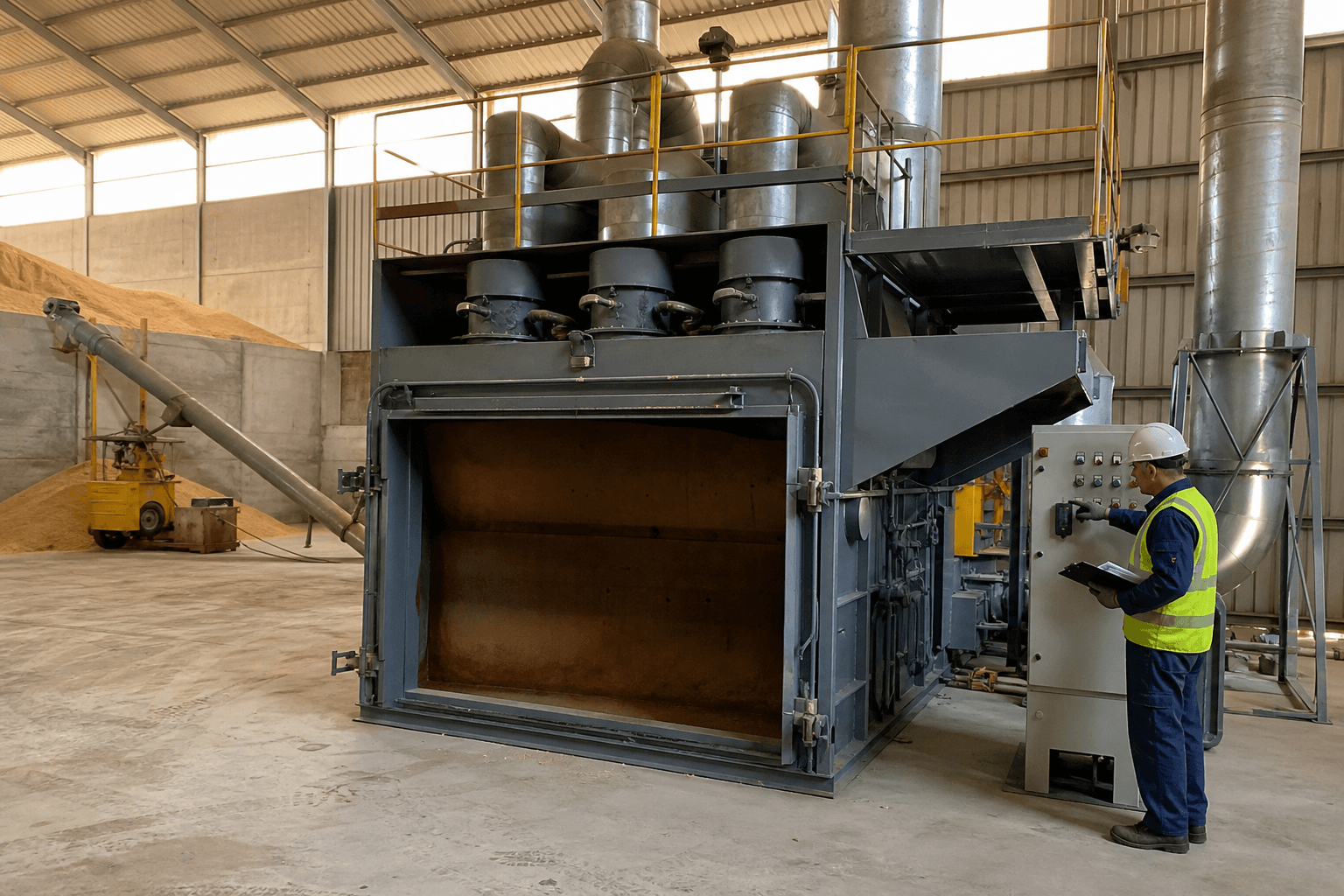
The LitBurn, AgriBurn, AmoBurn, and AniBurn ranges cover every waste disposal need with dual-chamber combustion and scrubbing options.
Advanced Thermal Monitoring and Process Stability
A reactive approach to temperature control guarantees eventual system failure. True optimisation demands proactive, high-resolution monitoring.
Sensor Placement and Multi-Zone Monitoring
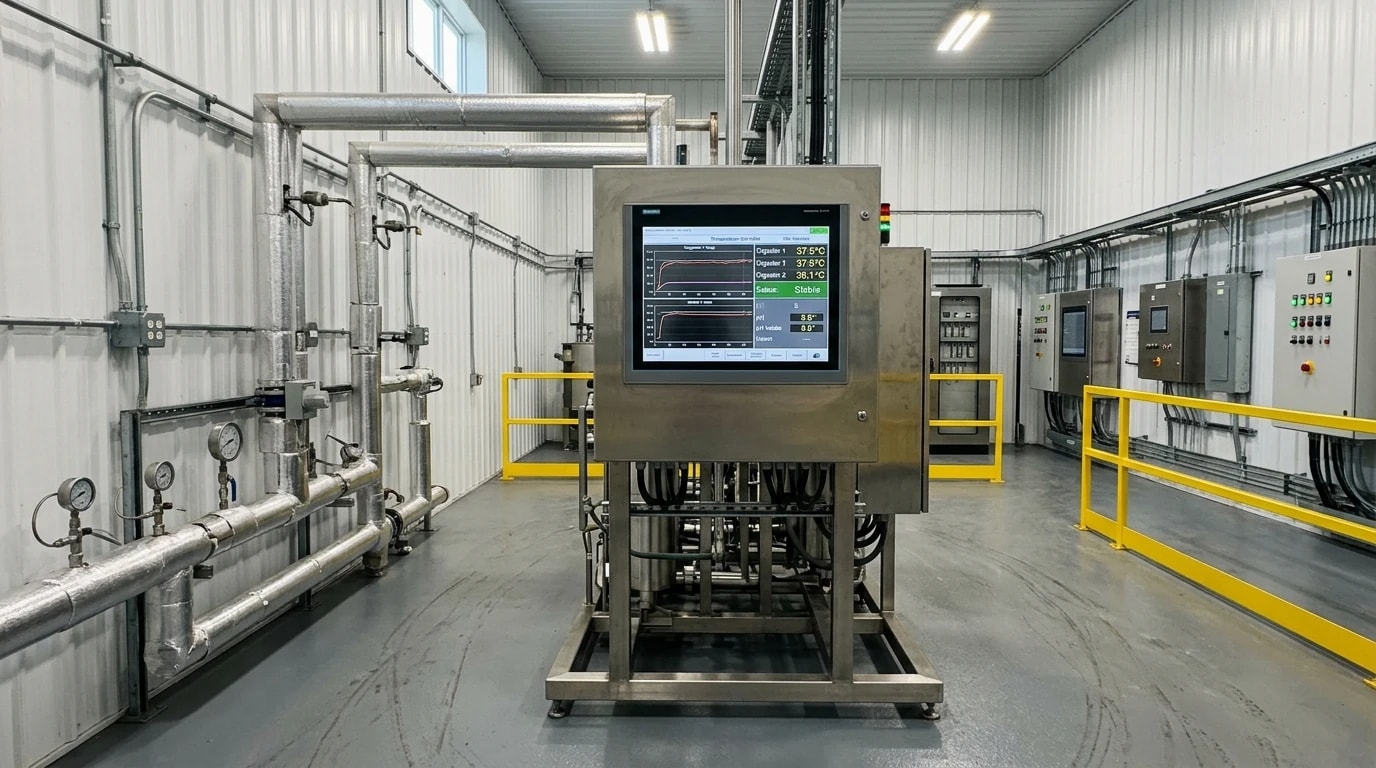
Single-point temperature measurement is structurally inadequate for large-scale anaerobic digestion tanks. Agricultural site managers typically deploy multi-zone monitoring arrays. Platinum resistance thermometers (PRTs) or thermocouples are embedded at varying depths and radial distances from the mixing shafts.
This grid provides a three-dimensional thermal map of the digester, instantaneously highlighting cold zones caused by inadequate mixing or hot spots caused by localised heat exchanger scaling. By tying these sensors back to a central Programmable Logic Controller (PLC), the system can automatically modulate boiler output and adjust pump flow rates. Such automation is essential for sustaining optimal temperature anaerobic digestion methane yield against external weather fluctuations.
Predictive Algorithms for Yield Optimisation
Modern data acquisition systems capture temperature variations, pH shifts, and biogas flow rates simultaneously. Industry professionals widely regard the integration of predictive algorithms as a standard step for yield optimisation. These algorithms analyse historical thermal data against incoming feedstock volumes to predict potential temperature drops before they manifest physically in the tank. By preemptively increasing the flow of heating water through the external exchangers, the control system flattens the thermal curve, effectively insulating the microbial population from the impact of temperature fluctuations on anaerobic digester methane yield.
Heat Recovery and Biogas Integration in Agricultural Processing
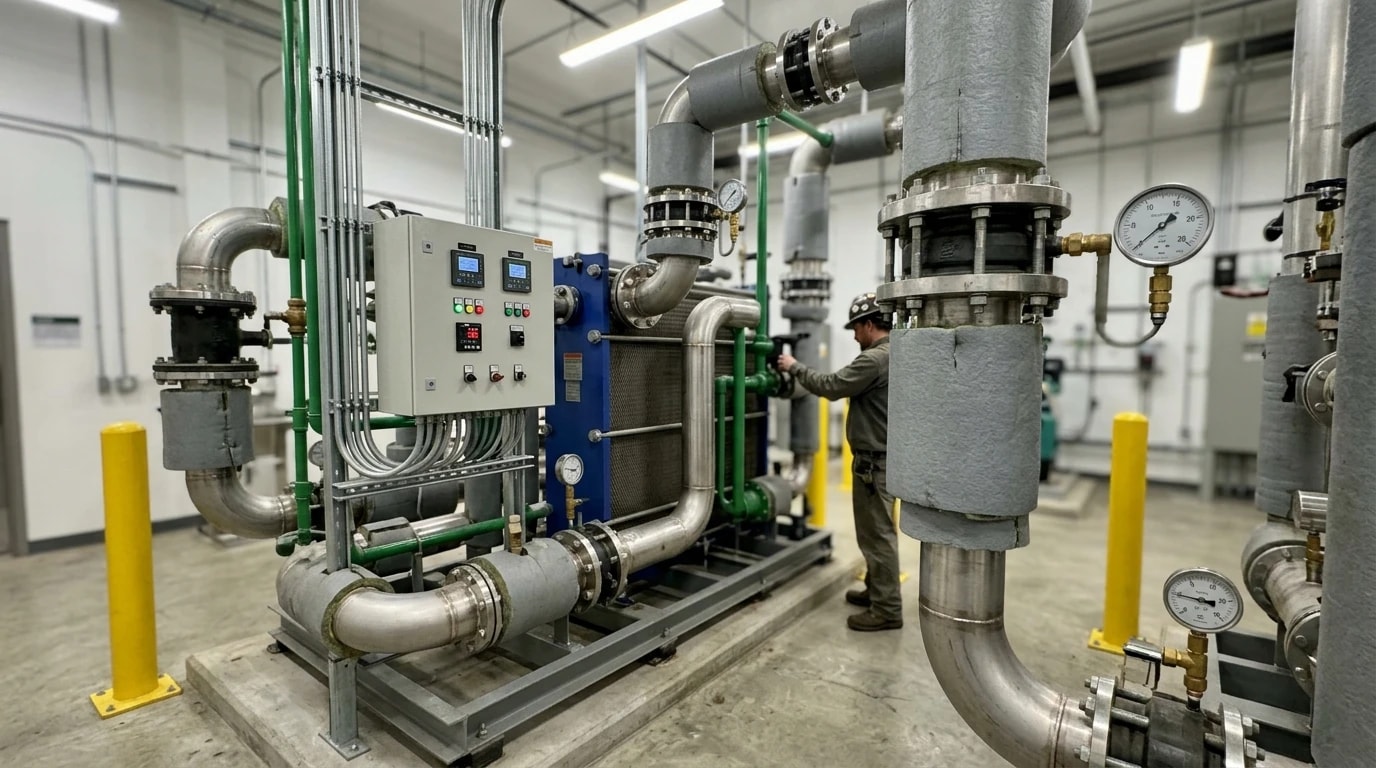
Maximising the energy output of an AD facility requires minimising its parasitic heat load. Efficiently returning generated energy back into the biological process creates a closed-loop system that drives operational profitability.
Utilising CHP Systems for Digester Heating
Combined Heat and Power (CHP) engines form the backbone of energy recovery in biogas plants. When biogas combusts to generate electricity, massive amounts of thermal energy are released. Without recovery, this heat vents to the atmosphere.
Thermal design engineers capture this thermal energy via exhaust gas heat exchangers and engine water jacket recovery loops. The high-grade heat from the exhaust (often exceeding 450°C) can be utilised to drive the 70°C pasteurisation phase mandated by PAS 110, while the lower-grade water jacket heat is ideally suited for maintaining the baseline mesophilic or thermophilic digester temperatures. By replacing fossil-fuelled boilers with recovered CHP heat alongside highly efficient indirect process heaters, agricultural facilities drastically reduce their carbon footprint and move closer to net-zero operations.
Mitigating Heat Loss in Winter Operations
Agricultural digestion plants are highly exposed to ambient environmental shifts. During winter months, outward heat dissipation through the digester walls and interconnecting pipework accelerates dramatically. A thermophilic digester operating at 55°C during a sub-zero winter night faces a severe thermal gradient.
Industrial thermal engineering mandates the application of high-density weather-proof cladding and refractory insulation layers. Beyond static insulation, dynamic flow control is essential. Process engineers often use variable frequency drives (VFDs) on the sludge recirculation pumps to alter the transit speed of the digestate through the external heat exchangers, ensuring maximum heat absorption during periods of low ambient temperature.
Addressing the Impact of Temperature Fluctuations on Anaerobic Digester Methane Yield
Even with robust thermal infrastructure, mechanical faults or sudden shifts in feedstock volume can introduce thermal instability. Understanding how to manage and recover from these deviations defines the difference between a minor dip in production and a catastrophic biological collapse.
Daily Tolerance Thresholds for Methanogenic Archaea
The absolute cardinal rule of anaerobic digestion temperature control process stability is the avoidance of rapid temperature shifts. While a digester may successfully operate at 38°C, moving the internal temperature from 35°C to 38°C must occur fractionally over several weeks.
Scientific consensus dictates that temperature fluctuations exceeding ±1°C to ±2°C per day will trigger an immediate reduction in biogas volume. If the temperature drops sharply, the archaea slow down, leading to the VFA accumulation discussed earlier. If the temperature spikes rapidly, critical cellular enzymes denature, permanently killing portions of the microbial biomass.
Recovery Strategies for Thermally Compromised Digesters
When a digester experiences a thermal shock event, operators must execute strict intervention protocols to protect the remaining methanogenic yield:
- Halt Feed Operations: Introducing fresh organic matter into a cold, inhibited digester will only accelerate VFA accumulation and drive the pH down further.
- Isolate Heating Faults: The mechanical root cause—whether a scaled heat exchanger, a failed CHP water pump, or a faulty multi-zone sensor—must be diagnosed and bypassed.
- Chemical Buffering: If the thermal drop has already triggered acidogenesis dominance, chemical buffers such as sodium bicarbonate must be dosed to stabilise the pH above 6.8, protecting the surviving methanogens.
- Gradual Reheating: Once mechanical heating is restored, the temperature must be raised at a controlled rate of no more than 0.5°C per day. Forcing the temperature up rapidly to compensate for the drop will trigger a secondary, and often fatal, heat shock.
Precision thermal control is not merely a mechanical utility; it is the foundational life-support system for bioenergy generation. By deploying intelligent indirect process heating, adhering strictly to PAS 110 pasteurisation standards, and preventing VFA accumulation through microscopic thermal management, agricultural facilities can unlock the absolute maximum methane yield from their organic waste streams.
This article reflects the independent analysis and editorial opinion of EnerTherm Engineering. Product names, trademarks, and brands mentioned belong to their respective owners. EnerTherm Engineering is not affiliated with, endorsed by, or a licensee of any third-party software or product mentioned unless explicitly stated.

Managing Director — EnerTherm Engineering
Dr. François Pierrel is Managing Director of EnerTherm Engineering with over two decades of expertise in thermal design, heat transfer, and industrial energy optimisation. He holds a PhD in Heat Transfer from Cranfield University and a Post-Doctorate from Heriot-Watt University.
