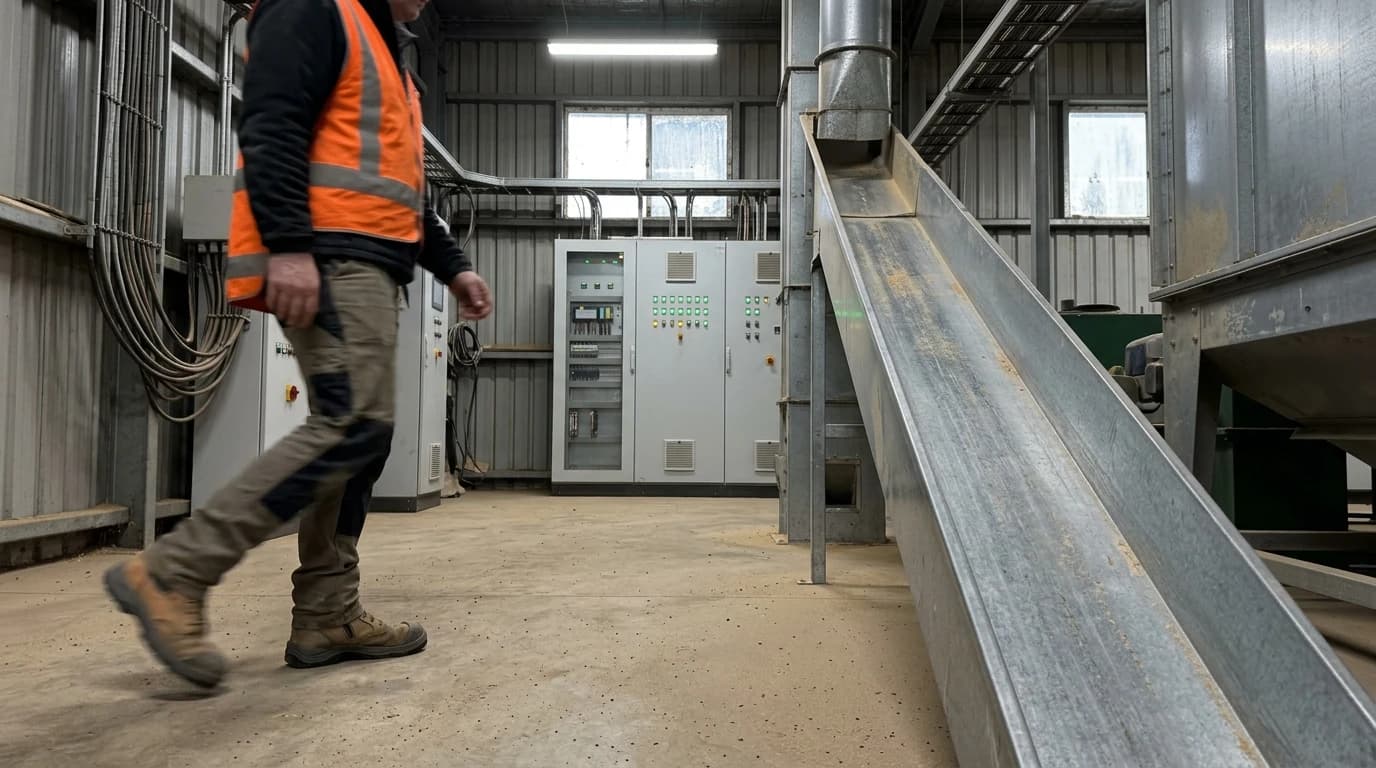
Outsourcing vs Onsite Grain Drying: Calculating Your ROI
Analysing moisture management costs against the 1.5% shrinkage factor in UK agriculture.
British agricultural facilities expend an estimated 55 litres of heating oil per hectare simply to dry harvested combinable crops. Managing moisture levels is not merely an operational necessity; it is the central financial variable that determines whether a harvest yields a profit or a loss. Operations managers at large-scale grain processing facilities, agricultural cooperatives, and commercial farming estates constantly face a critical capital allocation decision: outsource drying logistics to third-party specialists or invest in onsite industrial grain drying services and infrastructure.
The Financial Imperative of Moisture Control in the UK
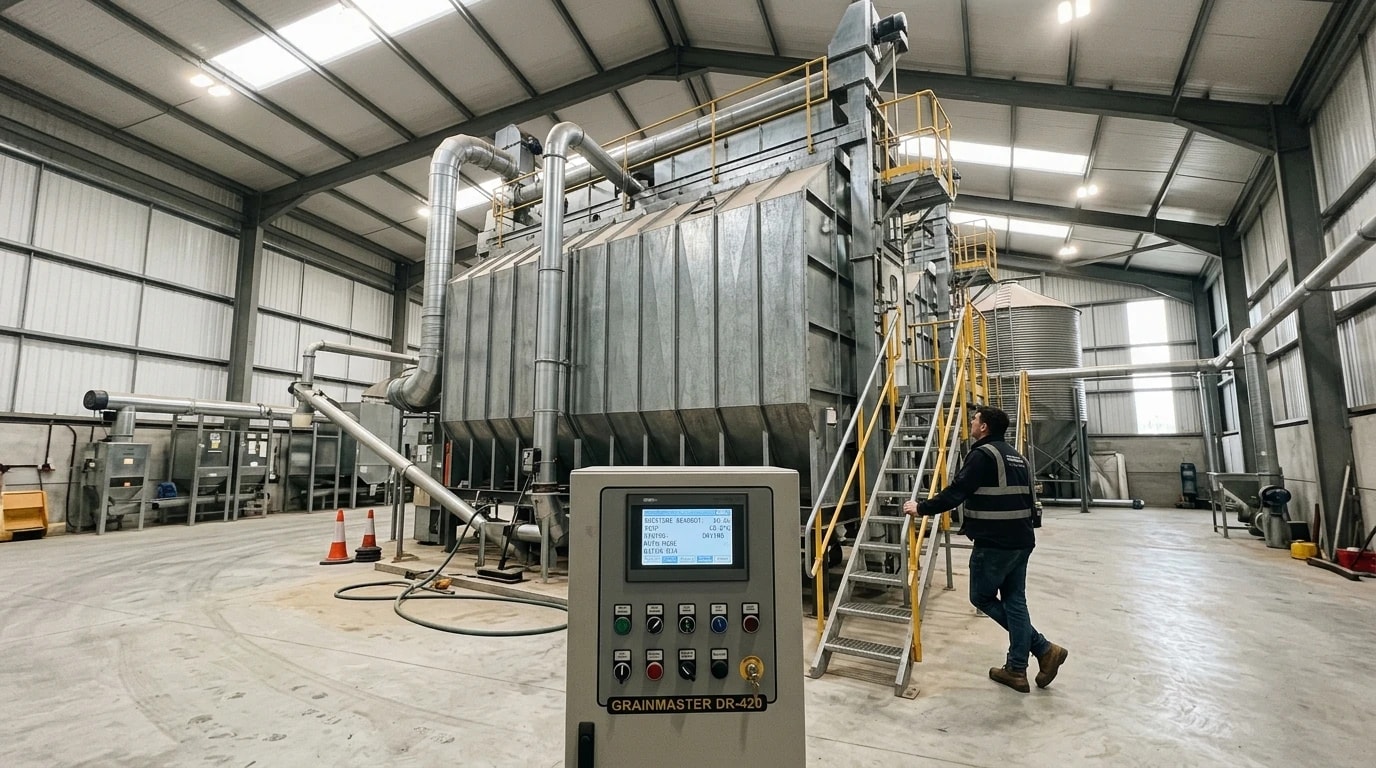
To meet the stringent standards outlined in the AHDB grain storage and drying guidance, facilities must bring cereal crops down to a maximum moisture content of 14.5%, while oilseed rape requires reduction to 7.5–8%. Failure to meet these specific thresholds invites aggressive fungal growth and guarantees rapid crop spoilage.
Biological Risks and Mycotoxin Development
When moisture levels exceed 18% in stored wheat and barley, biological activity accelerates drastically. The primary fungal threat in UK grain stores is Penicillium verrucosum, a resilient organism that thrives across a wide range of temperatures. If left unchecked in damp grain, this fungus produces ochratoxin A (OTA), a toxic secondary metabolite. UK and European regulations strictly limit OTA to 5 parts per billion (ppb) for cereals intended for human consumption. A single failed mycotoxin test at a commercial intake point can render an entire harvest suitable only for low-value animal feed or anaerobic digestion.
The Physics of Grain Dehydration and Shrinkage
The physical process of moisture reduction inherently reduces the total mass of the crop. Agronomists and facility managers must account for the "shrinkage factor," an industry-standard calculation dictating a weight loss of roughly 1.25% to 1.5% per point of moisture removed. This is not merely the evaporation of water weight; aggressive third-party drying also causes "invisible shrink," which includes the loss of volatile compounds, essential oils, and physical dust during high-velocity pneumatic handling.
When operations managers rely on external drying services, this compounded shrinkage is monetised directly against the final sale weight. For a 1,000-tonne harvest arriving at 20% moisture and requiring a 5% reduction to meet the 15% threshold, the total weight loss often exceeds 75 tonnes. This physical reduction compounds the financial loss before commercial haulage fees are even calculated.
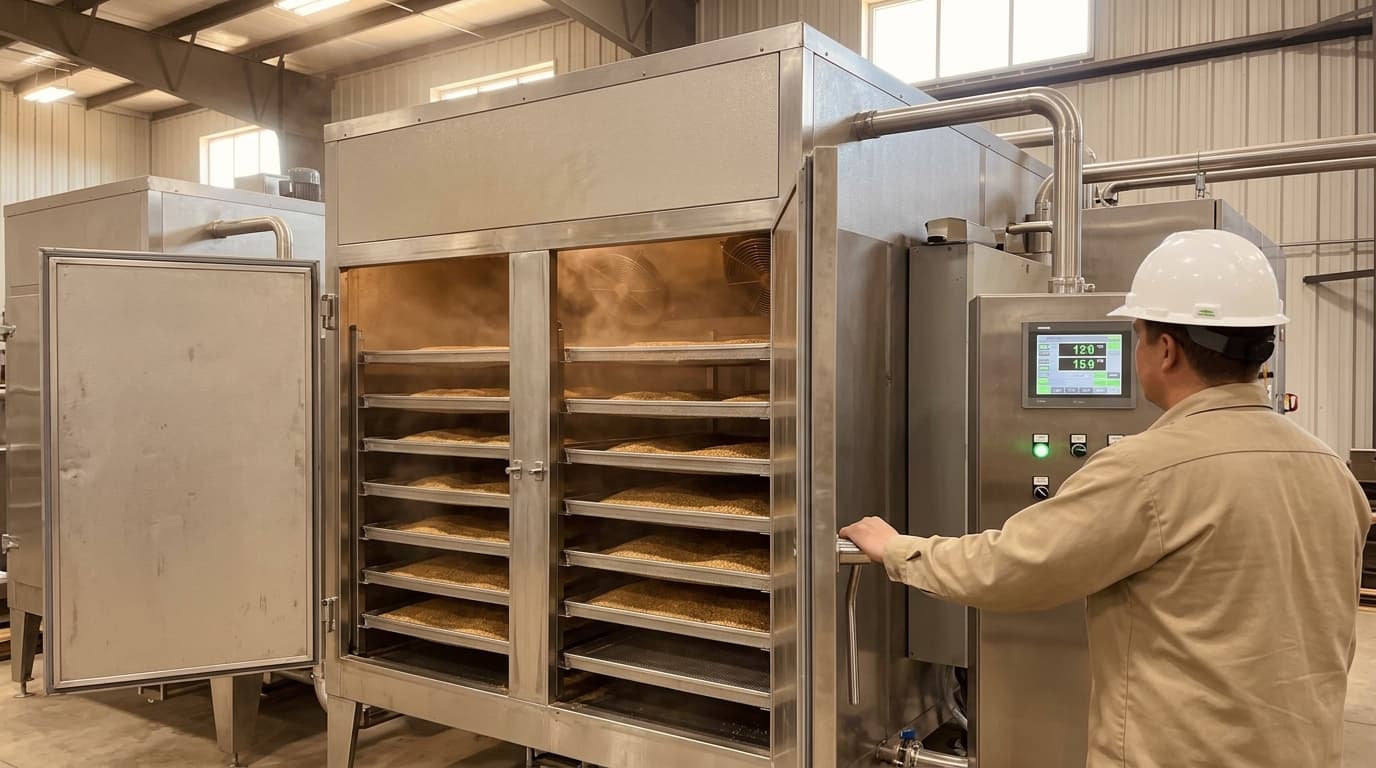
Industrial dehydration systems designed for precise moisture removal — from agricultural produce and pet food to chemical powders and pharmaceutical intermediates.
The Hidden Costs of Outsourcing Grain Drying
Many agricultural cooperatives initially default to outsourced industrial grain drying services to avoid high upfront capital expenditures. However, an outsourcing vs onsite industrial grain drying cost benefit analysis reveals severe operational vulnerabilities and hidden expenses inherent in third-party processing.
Haulage, Logistics, and Third-Party Levies
The direct cost of outsourcing grain drying extends far beyond the basic rate per tonne. Transporting wet, heavy grain from the farm to a centralised commercial dryer incurs immense haulage costs. With agricultural diesel prices remaining highly volatile and sensitive to global geopolitical tensions, haulage effectively penalises farmers for transporting dead water weight.
Furthermore, third-party facilities routinely charge additional levies. These include flat-rate handling fees, mandatory intake testing fees, and strict penalties for ergot removal. When a facility outsources its drying logistics, it entirely forfeits control over harvest timing. Operators find themselves at the mercy of the commercial dryer’s intake schedule and long queue times, exposing wet grain in temporary holding bays to further degradation risk while awaiting transport.
The Yield Penalty: Admixture Deductions and Heat Stress
When commercial facilities process grain, they uniformly apply stringent admixture deductions. Incoming crops are screened using standard slotted sieves (typically 2.5 mm and 2.25 mm) to remove undersized grains, chaff, and weed seeds. While admixture removal is necessary, commercial operators run high-throughput systems that offer little flexibility.
Moreover, third-party processing centres frequently prioritise rapid turnaround times over crop integrity. They blast grain with aggressive heat to accelerate drying cycles. This severe thermal shock cracks the outer testa of the seed, destroys germination viability, and degrades the baking quality of milling wheat. Capturing and controlling this entire process onsite retains significant crop value that would otherwise be destroyed by generic, high-volume commercial drying runs.
Calculating the ROI of Onsite Grain Drying Systems
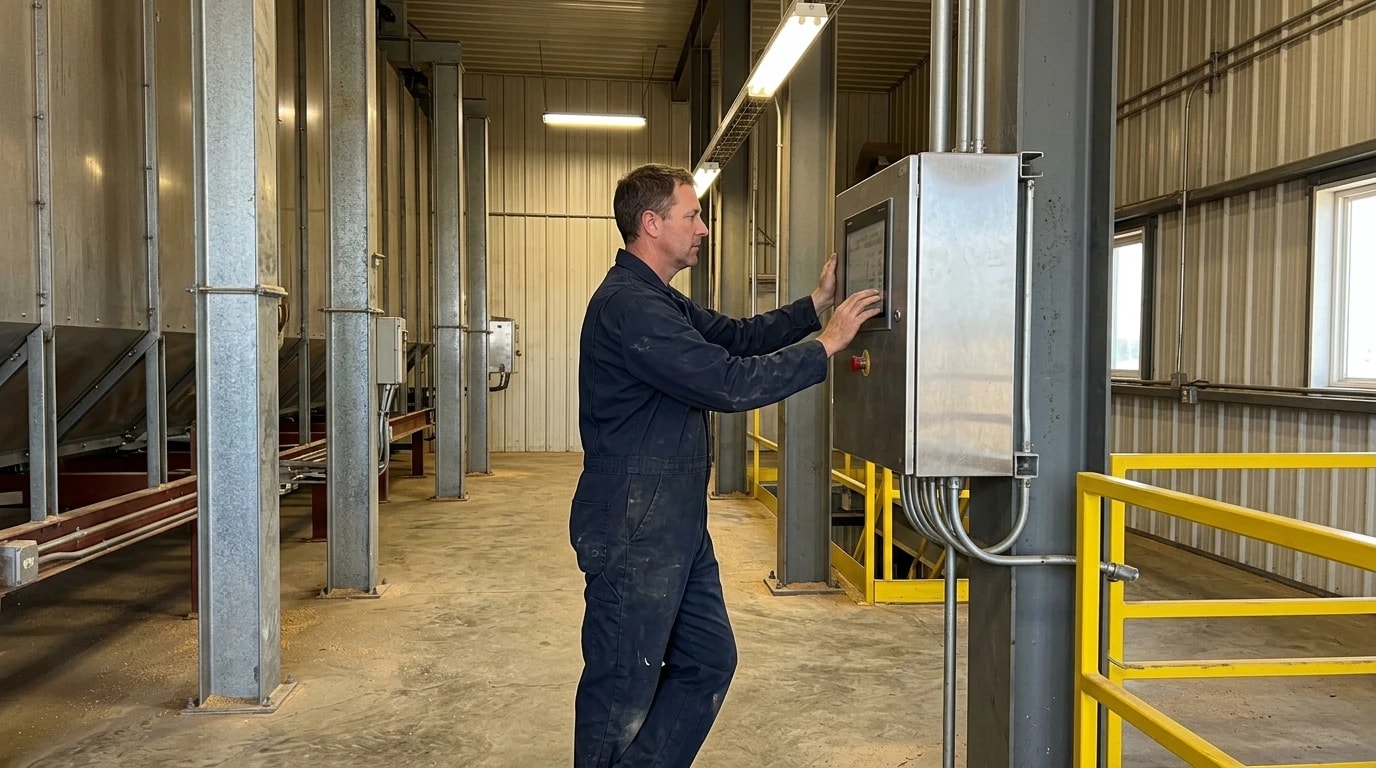
Investing in dedicated onsite agricultural thermal solutions transforms grain conditioning from a variable, open-ended expense into a controlled, depreciable operational asset. The return on investment calculation hinges on comparing lifetime energy and haulage savings against the capital cost of modern thermal infrastructure.
Baseline Fuel Consumption and Energy Efficiency
Traditional high-temperature continuous flow dryers are notoriously energy-intensive. According to comprehensive industry benchmarking, standard fossil-fuel systems require approximately 1.2 litres of gas oil to dry one tonne of grain by 1%. Kerosene-fuelled systems are slightly less efficient, requiring up to 1.32 litres per tonne per percent.
For a typical spring barley harvest arriving at 20% moisture and requiring a 5% reduction, operators burn roughly 6 litres of fuel per tonne. Across a 5,000-tonne yield, this equates to 30,000 litres of fuel just for thermal processing, excluding the electricity required to power heavy-duty centrifugal fans and bucket elevators. Transitioning from outdated diesel-fired burners to high-efficiency, multi-fuel thermal systems radically alters this ROI equation, reducing baseline fuel consumption and buffering the agricultural estate against macroeconomic energy shocks.
Retaining Premium Crop Valuations
The true financial benefit of onsite drying lies in the preservation of premium crop valuations. By drying grain immediately after harvest, facility managers halt biological respiration and lock in the crop's quality profile. This immediate intervention ensures that high-margin commodities—such as malting barley or seed crops—maintain the rigorous specifications demanded by premium buyers.
Regulatory Compliance: UK EPR 2016 and the EU IED
Operating industrial thermal processing equipment requires strict adherence to complex environmental legislation. UK and European regulations actively govern combustion emissions, particulate matter dispersion, and overall thermal efficiency.
Meeting Emissions Standards
The EU Industrial Emissions Directive (IED) and the UK's Environmental Permitting Regulations (EPR) 2016 impose rigorous limits on stationary combustion sources. Agricultural facilities operating large-scale drying towers and waste incinerators must demonstrate compliance with strict nitrogen oxide (NOₓ), sulphur dioxide (SO₂), and particulate matter (PM10 and PM2.5) thresholds. When evaluating the capital expenditure for onsite infrastructure, the cost of advanced emission control systems is a mandatory consideration. Failure to meet these regulations results in severe operational restrictions or complete facility shutdown.
Grain Drying Energy Efficiency Regulations UK Agriculture
Compliance is increasingly tied to securing agricultural subsidies and meeting mandatory supply chain sustainability targets. Modern onsite drying infrastructure must integrate low-carbon fuel sources and advanced heat recovery mechanisms. The UK agriculture sector is under immense regulatory pressure to decarbonise operations. Therefore, adherence to grain drying energy efficiency regulations is a central pillar of future-proof farm management strategies, directly influencing the long-term ROI of the equipment.
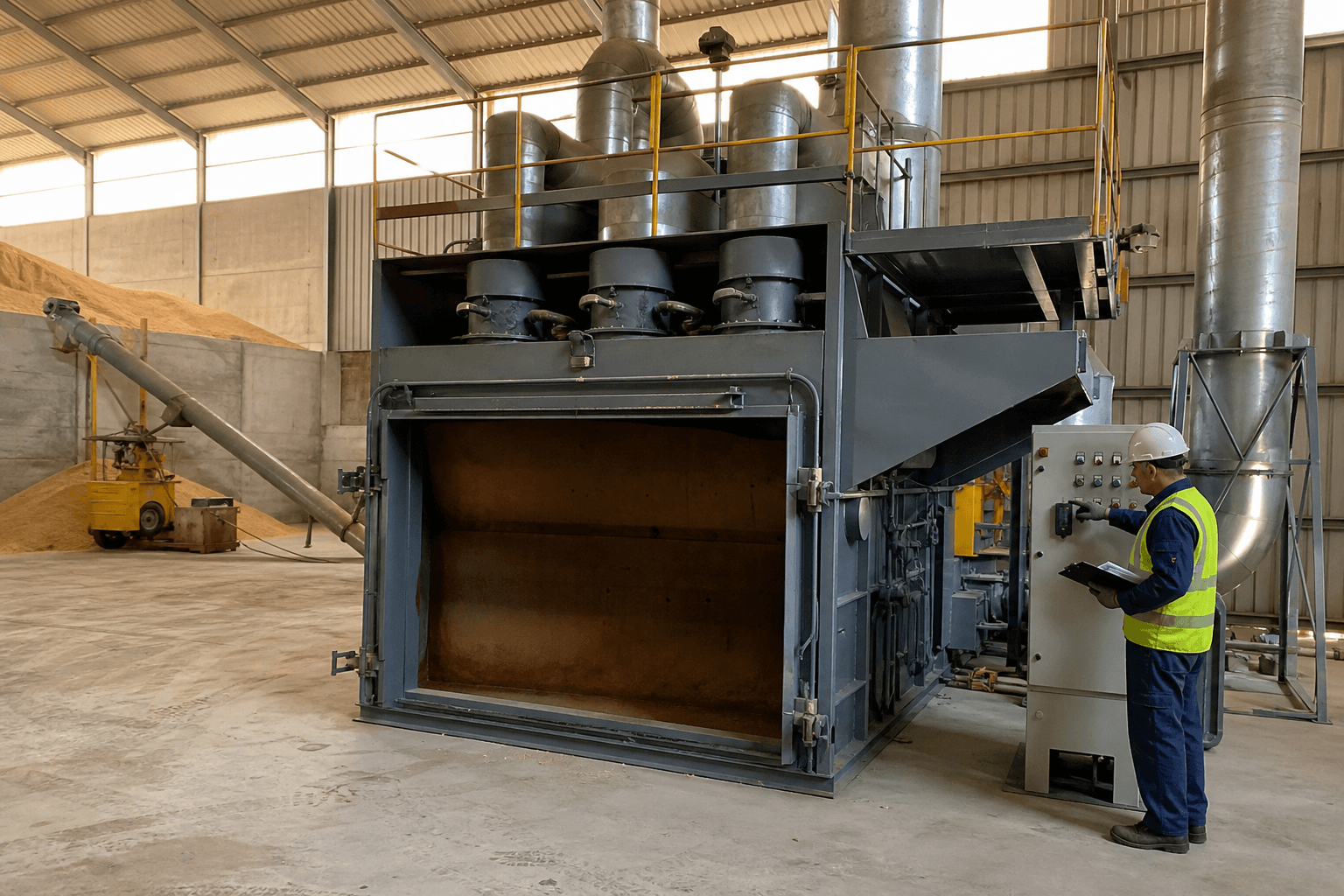
The LitBurn, AgriBurn, AmoBurn, and AniBurn ranges cover every waste disposal need with dual-chamber combustion and scrubbing options.
Modernising Onsite Infrastructure for Maximum Yield
EnerTherm Engineering engineers advanced thermal infrastructure specifically designed to withstand the rigorous demands of the agricultural sector. Our cohesive ecosystem of solutions provides the mechanical reliability, thermodynamic efficiency, and precision control necessary to achieve a rapid, measurable ROI over outsourced commercial alternatives.
Precision Dehydration for Seed Viability
The core of our 'Dehydrators for Agriculture' subcategory features the ThermDry TDS-3500 and TDD-6500 systems. These units represent a fundamental departure from crude, high-heat commercial dryers. The ThermDry series utilises AI-driven, multi-zone temperature control, operating with pinpoint accuracy between 30–70°C.
This exact thermal management is critical for operations prioritising seed quality; the system is scientifically proven to ensure 95% seed germination viability. By gently stepping down the moisture content in staged thermal zones, the system prevents heat stress, testa cracking, and cellular damage. The intelligent control systems keep the dehydration process perfectly aligned with the AHDB grain storage and drying guidance, avoiding excessive over-drying and drastically minimising the financial penalty associated with the shrinkage factor.
High-Efficiency Process Heating
Supporting large-scale vertical drying towers requires immense, sustained thermal output. The EcoHeat series (EIHS/EIHD) delivers indirect process heating with unparalleled safety and operational efficiency. Operating at 80–90% thermal efficiency, the EcoHeat series guarantees food-grade safety by completely isolating the hazardous combustion gases from the clean drying airstream. This indirect heat exchange prevents polycyclic aromatic hydrocarbons (PAHs) and unburnt hydrocarbons from contaminating the grain.
The systems are structurally designed with fuel flexibility at their core, allowing for seamless hydrogen and biogas integration as the facility transitions toward net-zero. Key mechanical specifications include sophisticated CFD-designed airflow modelling and free-floating tube bundles. These engineering advancements prevent thermal fatigue, eliminate stress fractures in the heat exchanger, and ensure uninterrupted 24/7 operational throughput during the critical, time-sensitive harvest window.
Waste-to-Energy and Biosecurity Management
A truly autonomous onsite processing facility turns agricultural waste liabilities into high-value thermal assets. The LitBurn and AgriBurn AGBI series incinerators provide sophisticated dual-chamber combustion, operating continuously between 850°C and 1,200°C. This extreme thermal environment ensures total pathogen elimination, the destruction of prion proteins, and uncompromising biosecurity across the farming estate.
Furthermore, these units are purpose-built for high-yield energy recovery. They capture waste exhaust heat to provide continuous water pre-heating and high-pressure steam generation. This recovered thermal energy can be routed directly back into the EcoHeat systems to heavily subsidise the energy required for the grain drying process. Engineered with dense Coretex refractory lining to guarantee long-term infrastructure reliability, our incinerators meet all stringent requirements of the UK EPR 2016 and the EU IED, ensuring total regulatory compliance.
Evaluating Third-Party Software and Control Systems
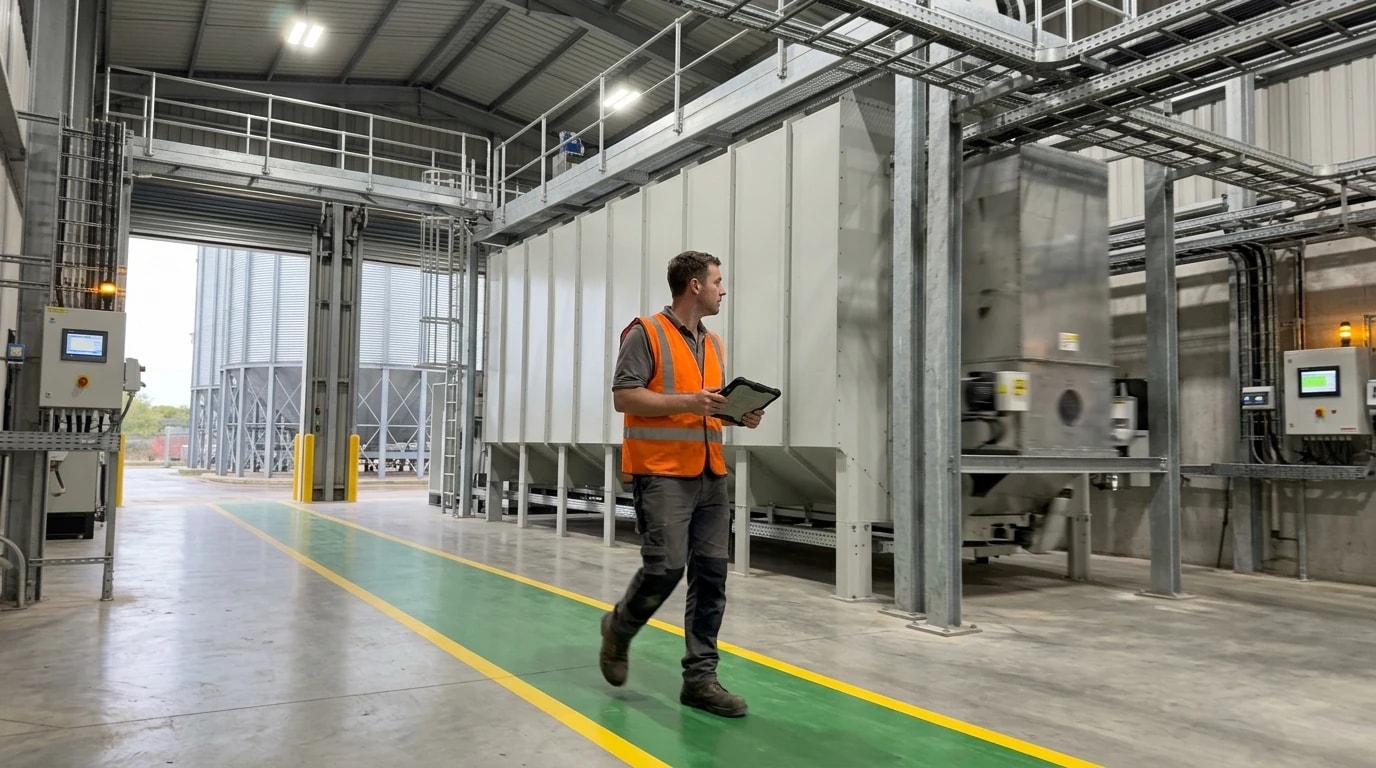
Calculating the precise ROI of grain drying infrastructure frequently requires specialised analytics and farm management software.
Independent ROI and Moisture Modelling Tools
Process engineers often use third-party moisture modelling software to forecast accurate shrinkage factors and calculate exact haulage fuel offsets based on regional weather anomalies. Agricultural consultancies typically select advanced telemetry platforms to aggregate real-time meteorological data, harvest moisture levels, and fluctuating commodity pricing. By inputting the baseline metric of 1.2 litres of gas oil per tonne per percentage point of moisture reduction, analysts can output highly precise amortisation schedules for physical hardware.
Industry professionals widely regard these independent predictive analytics tools as essential for verifying the capital expenditure required for a major onsite infrastructure transition. Many consultancies evaluate these standalone software licences to monitor ongoing energy usage against the baseline benchmarks provided by ADAS and Defra research. These third-party applications integrate real-time data from combine harvesters and remote weather stations to dynamically calculate the optimal moment to initiate thermal processing, ensuring no excess fuel is burned and energy efficiency is maximised.
Securing Strategic Autonomy in Agriculture
The decision between outsourcing industrial grain drying services and investing in dedicated onsite moisture reduction systems fundamentally dictates a facility's long-term operational resilience. While third-party commercial processors eliminate the immediate burden of upfront capital costs, they permanently erode agricultural profit margins through continuous, inescapable haulage fees, stringent intake rejections, and uncontrolled physical shrinkage losses.
Operating dedicated, high-efficiency thermal equipment onsite transforms a logistical vulnerability into a precise, highly controlled industrial process. By deploying AI-driven multi-zone dehydrators, indirect process heaters, and advanced energy-recovering incinerators, agricultural operations can effectively insulate themselves against volatile commercial drying tariffs and fluctuating transport costs.
Ultimately, controlling the thermal processing of combinable crops directly at the centre of the operation is the most reliable pathway to achieving strict net-zero compliance, preserving optimal crop viability, and securing unshakeable financial profitability in an increasingly unpredictable agricultural supply chain.
This article reflects the independent analysis and editorial opinion of EnerTherm Engineering. Product names, trademarks, and brands mentioned belong to their respective owners. EnerTherm Engineering is not affiliated with, endorsed by, or a licensee of any third-party software or product mentioned unless explicitly stated.

Managing Director — EnerTherm Engineering
Dr. François Pierrel is Managing Director of EnerTherm Engineering with over two decades of expertise in thermal design, heat transfer, and industrial energy optimisation. He holds a PhD in Heat Transfer from Cranfield University and a Post-Doctorate from Heriot-Watt University.
