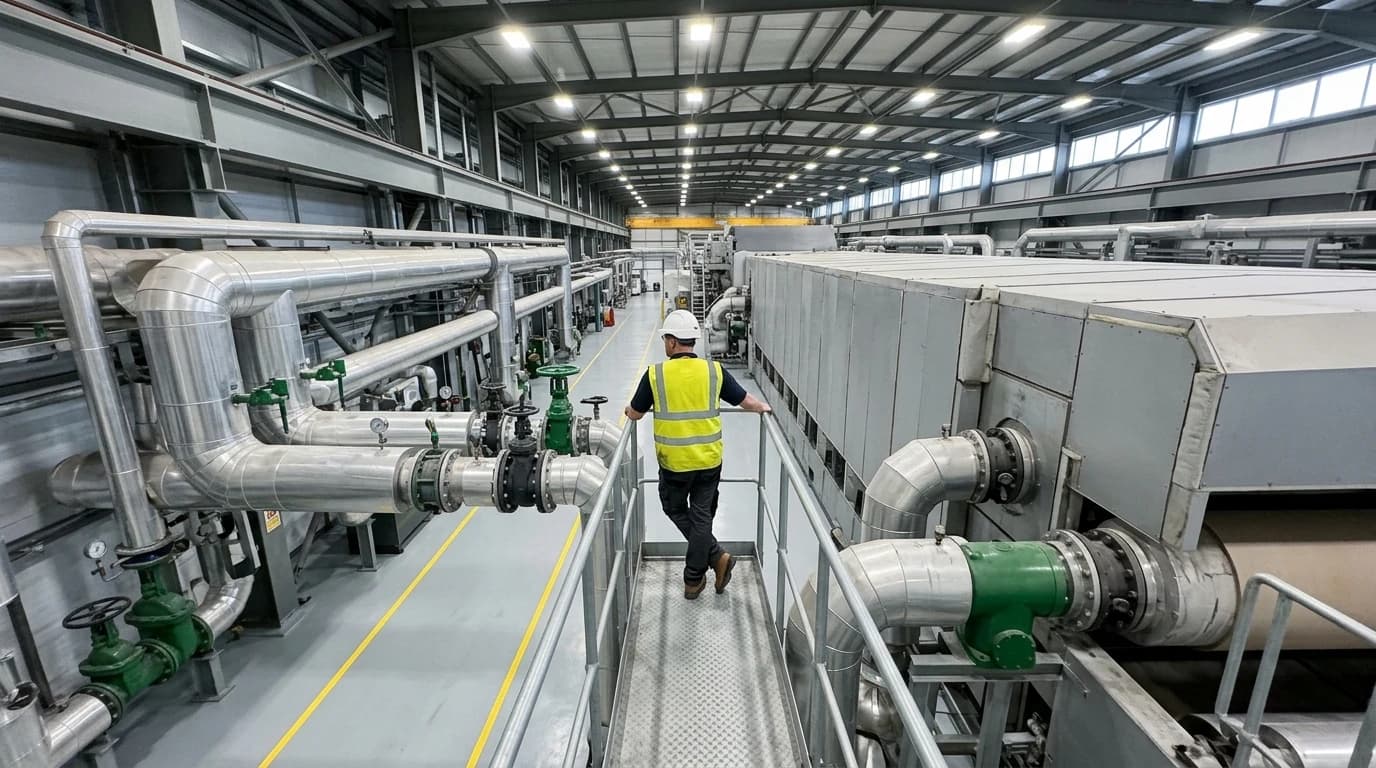
Pulp and Paper Plant Energy Management Saves up to 14%
Meeting UK ETS targets via IPMVP-aligned audits with average energy savings of 14%.
Pulp and paper plant energy management is a systematic operational discipline that optimises the thermal and electrical energy consumption of pulp, paper, and corrugated board mills through engineered process upgrades, waste heat recovery, and utility system enhancements. By implementing structured energy audits and targeted conservation measures, paper mills can systematically reduce their primary energy consumption, achieving typical energy savings of up to 14% with an average capital payback period of 1.9 years. This technical overview provides energy managers, mill directors, and utility engineers with a structured framework to identify thermal inefficiencies, calculate precise return on investment, and satisfy strict environmental regulations.
The Regulatory Imperative for Pulp and Paper Decarbonisation
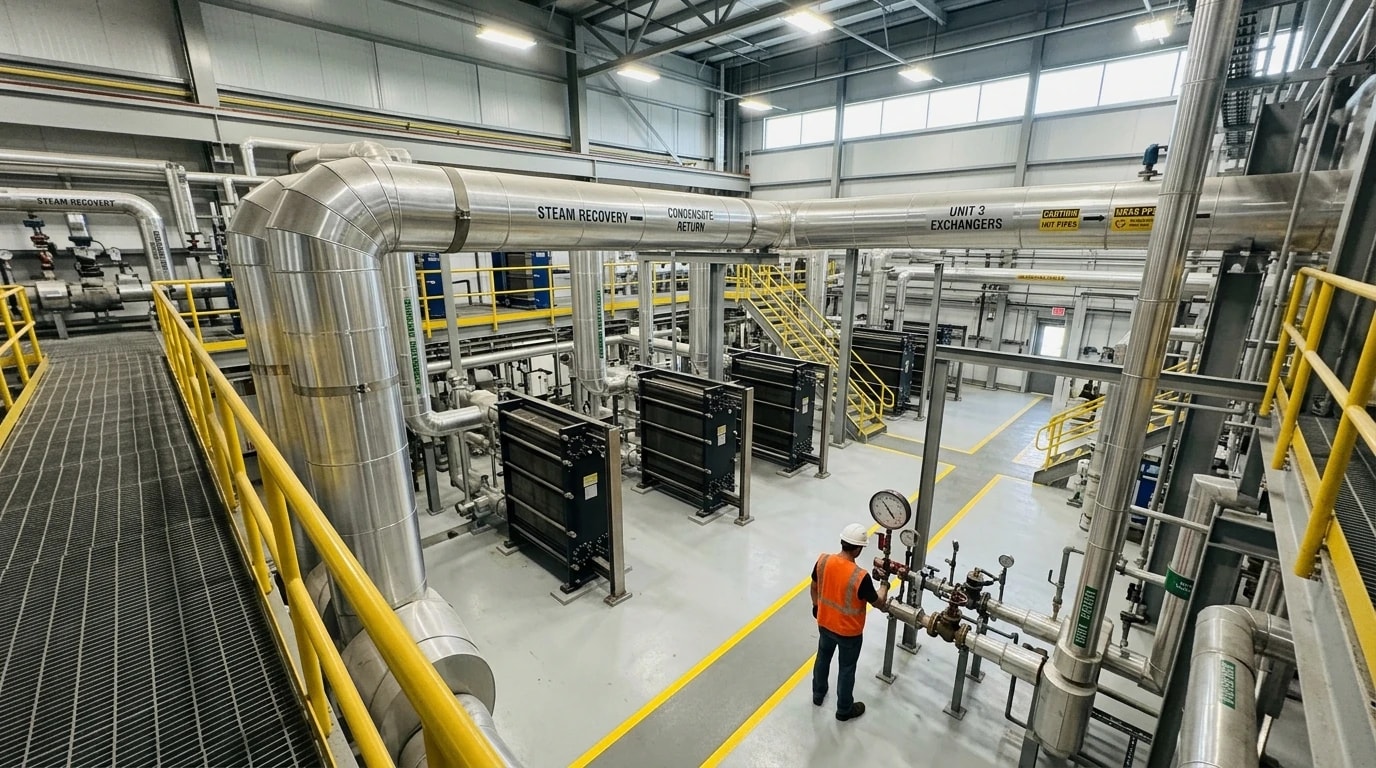
Pulp and paper manufacturing is the fourth largest industrial energy user in Europe, requiring intense thermal and electrical inputs to transform wood pulp or recycled fibre into finished paper. Consequently, mills face mounting scrutiny from European and British regulatory frameworks designed to phase out fossil fuel reliance.
Tightening Carbon Caps under the EU ETS
Within the European Union, the EU Emissions Trading System (EU ETS) mandates a 62% decrease in greenhouse gas emissions by 2030, relative to 2005 levels. This trajectory is coupled with the gradual phasing out of free carbon allocations. Consequently, mills that fail to modernise their thermal assets face escalating operational costs by having to purchase tradeable carbon allowances on the open market.
The UK ETS and Climate Change Agreements
In the United Kingdom, paper mills operate under the UK Emissions Trading Scheme (UK ETS) and are subject to Climate Change Agreements (CCAs). The UK ETS operates as a cap-and-trade mechanism, establishing a hard limit on allowable emissions. CCAs provide mills with a significant discount on the Climate Change Levy (CCL) in exchange for meeting stringent, biennial energy efficiency or carbon reduction targets. Under this system, energy performance directly dictates financial performance. Mills that outperform their carbon allocations can trade surplus allowances, whereas inefficient facilities must purchase compliance, making energy management a critical driver of profitability.
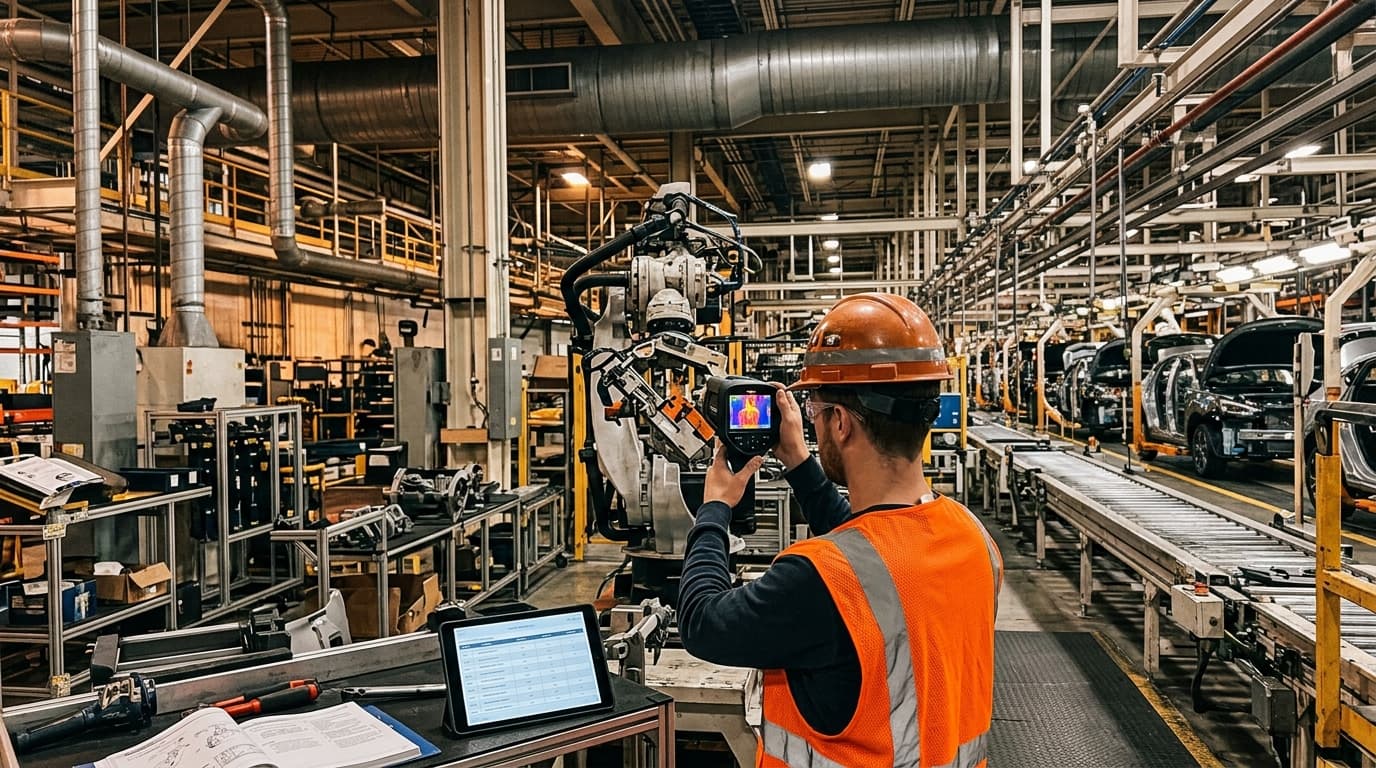
Identify where your plant is losing energy and quantify the savings potential — our audits map every heat source, sink, and waste stream in your facility.
EnerTherm's 7-Step Energy Audit Methodology
To deliver verifiable energy savings without causing unplanned downtime in continuous, 24/7 paper mill production environments, industrial thermal specialists follow a structured, non-disruptive seven-step energy audit methodology. This process identifies major energy sinks across utility generation and process end-use systems.
The 7-Step Workflow
- Initial Consultation: Establishing the mill's historical energy baseline, gathering utility billing data, and aligning audit objectives with corporate carbon reduction roadmaps.
- On-Site Assessment: Conducting a comprehensive field inspection of thermal and electrical utility systems using portable, non-invasive diagnostic instruments to capture live operational data without interrupting production.
- Data Collection and Logging: Deploying portable power analysers to measure motor efficiency, ultrasonic leak detectors to locate steam trap failures, and thermal imaging cameras to map radiation losses across the dryer section.
- Thermal Simulation and Process Modelling: Building thermodynamic models of the mill's steam, condensate, and water networks to simulate the energy balance and identify waste heat recovery opportunities.
- Development of Prioritised Energy Conservation Measures (ECMs): Designing engineered interventions tailored to the mill's operational challenges, categorised by capital expenditure and payback periods.
- Cost-Benefit and Financial Payback Analysis: Providing mill directors with board-ready financial projections, utilising net present value (NPV) and return on investment (ROI) calculations to justify capital allocation.
- Implementation and Verification Roadmap: Formulating a phased installation plan that aligns with scheduled maintenance shutdowns, backed by international verification standards to guarantee savings.
High-Impact Energy Conservation Measures (ECMs) for Paper Mills
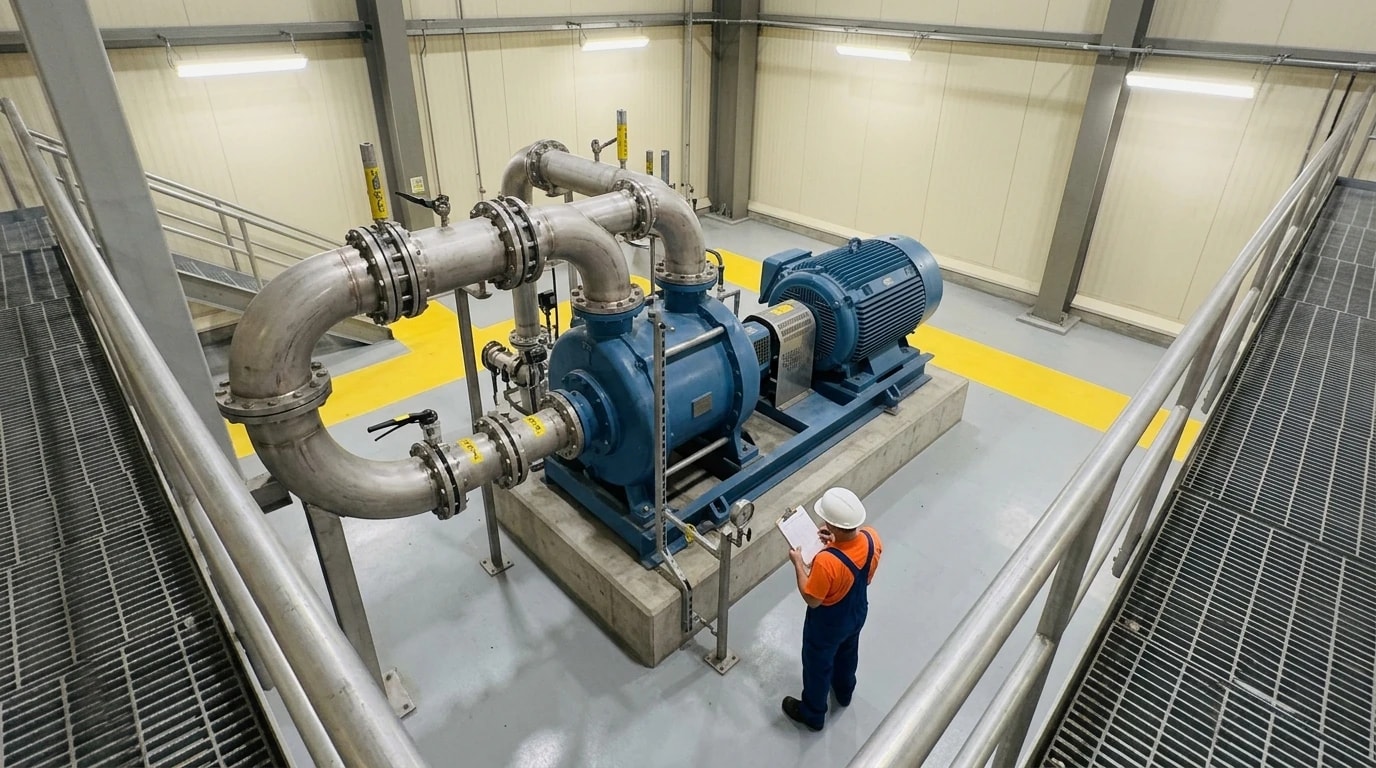
The process of transforming wet pulp slurry into dry, finished paper requires a careful balance of mechanical dewatering, thermal evaporation, and electrical power. Targeted modifications to these high-energy assets often yield the most rapid paybacks.
Upgrading Barometric Washers to Eliminate Vacuum Pumps
In pulp washing and bleach plant operations, rotary drum vacuum washers traditionally separate dissolved organic materials and spent chemicals from wood pulp. Many older configurations rely on high-horsepower, liquid ring vacuum pumps to draw filtrate through the drum face.
Process engineers can eliminate these costly pumps by upgrading to a barometric drop leg. By configuring a vertical discharge pipe exceeding 10 metres in length, the natural downward flow of filtrate creates a gravity-induced barometric vacuum at the washer drum. This passive mechanical design removes the requirement for continuous electrical vacuum pump operation, allowing the mill to decommission twin 60 HP (approximately 45 kW) vacuum pumps. This upgrade cuts substantial electrical demand and eliminates maintenance costs associated with liquid ring pump impellers and seal water systems.
Automated TDS Boiler Blowdown Controls
Steam boilers require periodic blowdown to purge total dissolved solids (TDS) and prevent scale formation on boiler tubes. When operators rely on manual blowdown valves, they typically blow down excessively to ensure safety. This practice discharges vast amounts of high-temperature, high-pressure water to the drain, wasting fuel and chemical treatment.
Automating TDS boiler blowdown controls resolves this inefficiency. An inline conductivity sensor continuously monitors the concentration of dissolved solids in the boiler water, opening an automated control valve to purge only the minimum volume necessary when TDS levels exceed the maximum threshold. This automated system prevents approximately 0.5% of the boiler's overall energy from being lost in blowdown water, whilst protecting the steam system from carryover and scaling.
Insulating Dryer Cylinder Heads
The dryer section of a paper machine is the mill's largest thermal energy sink, typically accounting for 60% to 75% of total steam consumption. Steam is injected into rotating cast-iron cylinders to transfer heat to the paper web. While the cylindrical shell is in direct contact with the paper, the circular end heads are often uninsulated, constantly radiating heat into the surrounding machine hood.
Custom-fabricated thermal insulation blankets can be installed directly onto these rotating heads to withstand the high rotational forces and humid conditions. The rate of heat loss from an uninsulated dryer head is calculated using Fourier's law of heat conduction and convective heat transfer:
q=U⋅A⋅(Tsurface−Tambient)Where:
- q is the rate of heat loss in Watts (W)
- U is the overall heat transfer coefficient in W/(m2⋅K)
- A is the exposed surface area of the dryer cylinder head in m2
- Tsurface is the operating surface temperature of the cylinder head in Kelvin (K)
- Tambient is the surrounding air temperature within the dryer hood in Kelvin (K)
Installing these blankets drastically reduces the overall heat transfer coefficient (U), saving up to 3.5% of the steam cylinder's thermal energy and directly lowering the boiler fuel load.
Automated Combustion Air and O2/CO Fuel-Mix Monitoring
Industrial boilers often operate with excessive air to prevent incomplete combustion and carbon monoxide build-up. However, this excess air absorbs heat and carries it out of the exhaust stack, wasting fuel.
An automated combustion control system that continuously monitors flue gas oxygen (O2) and carbon monoxide (CO) levels allows the burner to operate closer to its ideal stoichiometric ratio. By combining an inline zirconium oxide O2 analyser with a CO sensor, the system dynamically adjusts combustion air fan speeds and damper positions. This real-time feedback loop ensures high flame temperatures and complete combustion with minimal excess air. These combustion air and fuel-mix monitoring systems carry average payback periods of less than 1.7 years, offering rapid energy cost reductions.

Identify where your plant is losing energy and quantify the savings potential — our audits map every heat source, sink, and waste stream in your facility.
Optimising the Water-Energy Nexus and Utility Operations
In pulp and paper manufacturing, water and energy are intrinsically linked. Mill optimisation must address both thermal steam cascades and high-energy mechanical pumping systems.
Steam Pressure Control and Condensate Management
Efficient steam distribution requires maintaining a precise pressure cascade across the paper machine. High-pressure steam is typically utilised in the early dryer cylinders, whilst lower-pressure steam is cascaded to the final drying stages.
An effective condensate management system is vital to return high-temperature condensate to the boiler feed tank. When steam condenses inside the cylinders, it must be rapidly evacuated via rotary joints and siphons to prevent a liquid layer from forming and acting as an insulating barrier. Implementing thermocompressors allows the mill to collect low-pressure flash steam from the condensate return tank, compress it using high-pressure motive steam, and re-inject it into the medium-pressure steam header. This thermal recycling reduces primary steam demand, cutting fuel costs.
Optimising High-Energy Mechanical Refiners and Pumps
Pulp refining uses mechanical shearing forces to develop fibre bonding characteristics before sheet formation. This process is highly energy-intensive, making mechanical refiners prime candidates for electrical optimisation.
Refiner energy demand can be reduced by:
- Installing automated plate-gap control systems that adjust mechanical loading based on real-time pulp consistency and production rates.
- Upgrading refiner disc segment designs to match specific fibre characteristics, reducing the required specific refining energy (SRE).
- Retrofitting variable speed drives (VSDs) onto refiner feed pumps and large process pumps.
Electric motors driving fans, pumps, and compressors account for roughly two-thirds of all industrial electrical energy consumption. In many older mills, pumps are oversized and run continuously at full speed, with flow controlled by mechanical throttling valves. Replacing these with right-sized, high-efficiency motors controlled by VSDs can reduce pump electrical consumption by up to 50% for equivalent volumetric workloads.
Quantifying and Verifying Savings: The IPMVP Framework
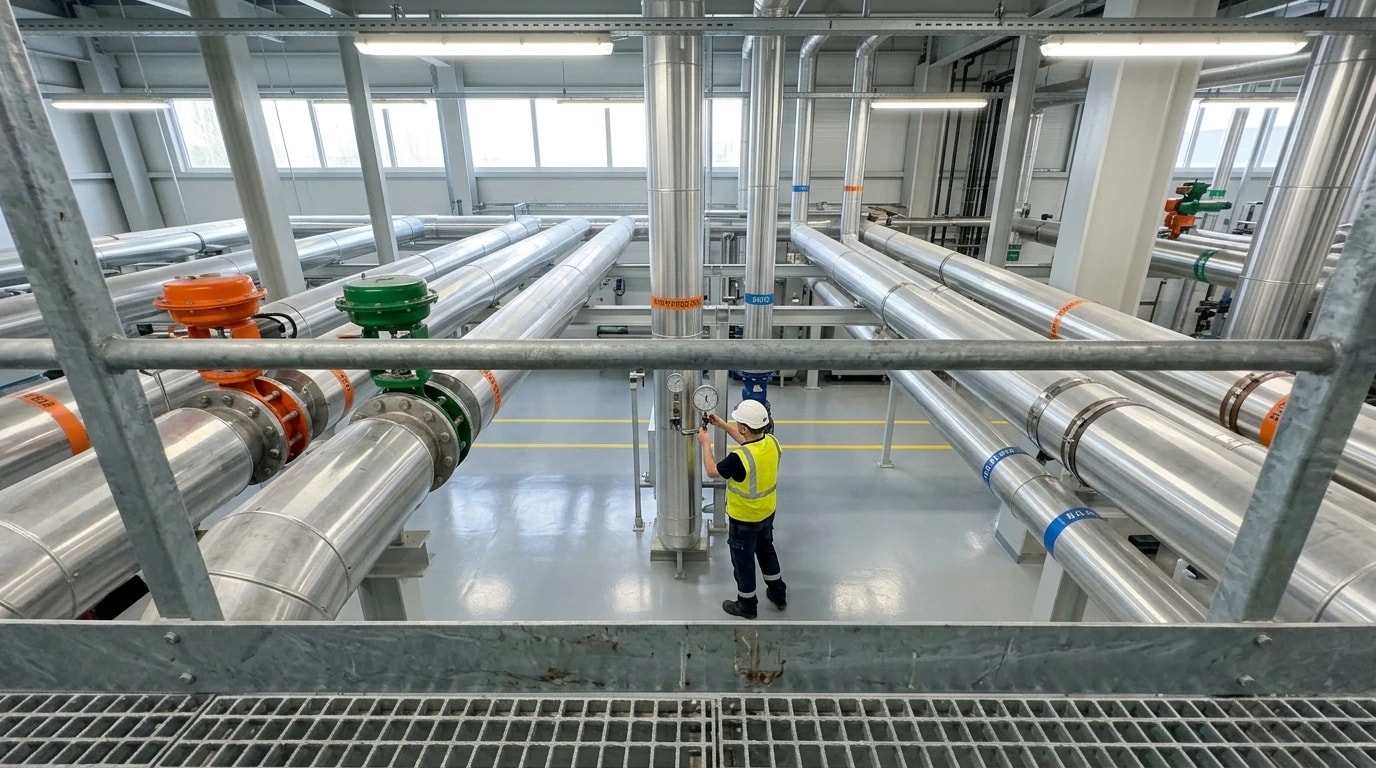
To secure executive board approval, energy managers must present a transparent methodology for calculating and verifying savings. The International Performance Measurement and Verification Protocol (IPMVP) provides the global standard for quantifying project performance, ensuring calculated savings are robust and auditable.
The Necessity of Measurement and Verification
In a continuous paper mill, energy consumption fluctuates based on production rates, ambient temperatures, and product basis weight (GSM). Simply comparing utility bills before and after an upgrade fails to account for these variables. The IPMVP resolves this by establishing an energy baseline and adjusting for non-routine variables.
IPMVP Option A: Retrofit Isolation (Key Parameter Measurement)
IPMVP Option A isolates the specific system undergoing upgrade, measuring only the key operational parameters affected. For example, when insulating dryer cylinder heads, Option A involves measuring head surface temperatures and convective heat loss before and after installation, whilst assuming constant boiler efficiency and production hours. This option is ideal for targeted retrofits where the savings mechanism is well understood and easily isolated.
IPMVP Option B: Retrofit Isolation (All Parameter Measurement)
IPMVP Option B requires continuous measurement of all energy and operating parameters within the retrofitted system's boundary. For an automated combustion air control upgrade on a boiler, Option B mandates continuous logging of fuel flow, flue gas oxygen levels, stack temperature, and steam output. This comprehensive data capture provides a precise, real-time energy balance that accounts for fluctuations in boiler load and fuel quality, verifying the long-term savings of complex process modifications with high statistical confidence.
Cost-Benefit Analysis and Executive Board Reporting
To transition from an energy audit to project execution, utility engineers must present a board-ready business case detailing capital expenditure, projected annual savings, and carbon reduction impact.
Based on comprehensive industrial audits, implementing a coordinated portfolio of energy conservation measures in a typical pulp and paper mill yields typical energy savings of up to 14% with an overall payback period of 1.9 years. The table below outlines a standard cost-benefit profile for a medium-sized paper mill.
| Energy Conservation Measure (ECM) | Estimated Capital Cost (£) | Annual Energy Savings (£) | Payback Period (Years) | Projected Carbon Reduction (tCO₂e/yr) |
|---|---|---|---|---|
| Dryer Cylinder Head Insulation | 45,000 | 22,500 | 2.0 | 110 |
| Combustion Air & O₂/CO Monitoring | 120,000 | 75,000 | 1.6 | 380 |
| Barometric Washer Leg Upgrade | 85,000 | 42,500 | 2.0 | 195 |
| Automated TDS Boiler Blowdown | 18,000 | 10,800 | 1.7 | 55 |
| Pump Optimisation & VSD Retrofits | 95,000 | 38,000 | 2.5 | 170 |
| Total Plant Portfolio | 363,000 | 188,800 | 1.9 | 910 |
By grouping these projects into a single capital expenditure programme, mill operators can offset the longer paybacks of pump upgrades with the rapid financial returns of boiler combustion optimisation. This balanced approach provides a clear path toward meeting UK and EU carbon reduction goals whilst protecting the mill's bottom line.
This article reflects the independent analysis and editorial opinion of EnerTherm Engineering. Product names, trademarks, and brands mentioned belong to their respective owners. EnerTherm Engineering is not affiliated with, endorsed by, or a licensee of any third-party software or product mentioned unless explicitly stated.

Managing Director — EnerTherm Engineering
Dr. François Pierrel is Managing Director of EnerTherm Engineering with over two decades of expertise in thermal design, heat transfer, and industrial energy optimisation. He holds a PhD in Heat Transfer from Cranfield University and a Post-Doctorate from Heriot-Watt University.
