Why HACCP-Compliant Energy Monitoring Protects Food Lines
Read-only PLC data and non-invasive sensors track six utilities without entering sanitary zones.
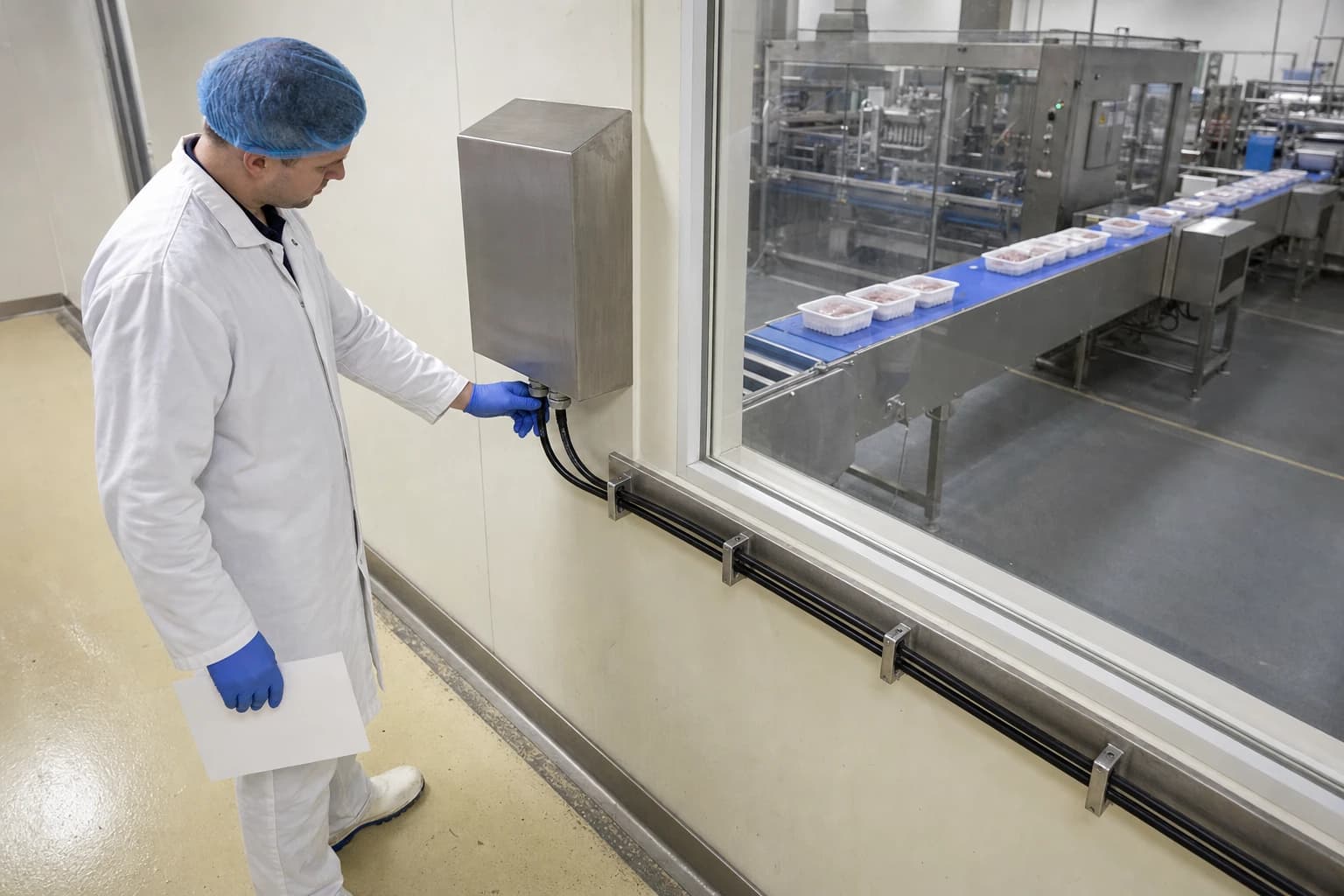
UK food hygiene rules require food business operators to review their HACCP procedures whenever they modify a product, process or process step. Energy monitoring is therefore a food-safety change as well as an engineering project when it adds instruments near production equipment or extracts data from line controls.
HACCP-compliant energy monitoring measures and logs utility consumption without introducing contamination risks, obstructing hygienic cleaning or altering established food-safety controls. It gives QA, engineering and production teams a time-aligned record of electricity, gas, water, steam, compressed air and oil use while protecting the line’s physical and operational integrity.
The Food Standards Agency identifies utilities, including air, water and energy, as prerequisite requirements. Distribution routes must minimise contamination risk. That principle applies to new meters, sensor brackets, cable routes and work near hygienic equipment.
The project must begin with the HACCP plan, not the dashboard specification.
HACCP-compliant energy monitoring starts with change control
Article 5 of Regulation (EC) No 852/2004 requires food business operators to implement and maintain permanent procedures based on HACCP principles, and to review them when a product, process or process step changes.
An energy-monitoring installation can create change in two ways. Physical work may take place near open product, hygienic pipework, cold stores, pasteurisers or clean-in-place equipment. Digital integration may collect data from PLCs that operate refrigeration, heating, filling, packaging and cleaning sequences.
Neither activity automatically changes a Critical Control Point. Both need assessment by the food business’s HACCP team.
Define the installation boundary
The HACCP review should record the precise assets, zones and data points in scope. A vague description such as “monitor the packing hall” leaves too much open to interpretation during installation and audit.
The approved scope should identify:
- Production areas affected, including low-care, high-care, high-risk and open-product zones.
- Utilities and panels to be monitored.
- Physical hazards from drilling, loose fixings, cable ties, tools, swarf and temporary protective materials.
- Microbiological, chemical and allergen risks associated with contractor access and work activity.
- Existing CCPs, prerequisite programmes and hygiene barriers near the work.
- Required isolation, cleaning, inspection and release-to-production checks.
- PLC tags approved for extraction and the purpose of each data point.
FSA HACCP guidance treats services such as air, water and steam as items that may need inclusion in a process flow diagram. A monitoring project should update the relevant equipment and services layout where installed equipment or routing affects the production environment.
Keep HACCP ownership with the food business
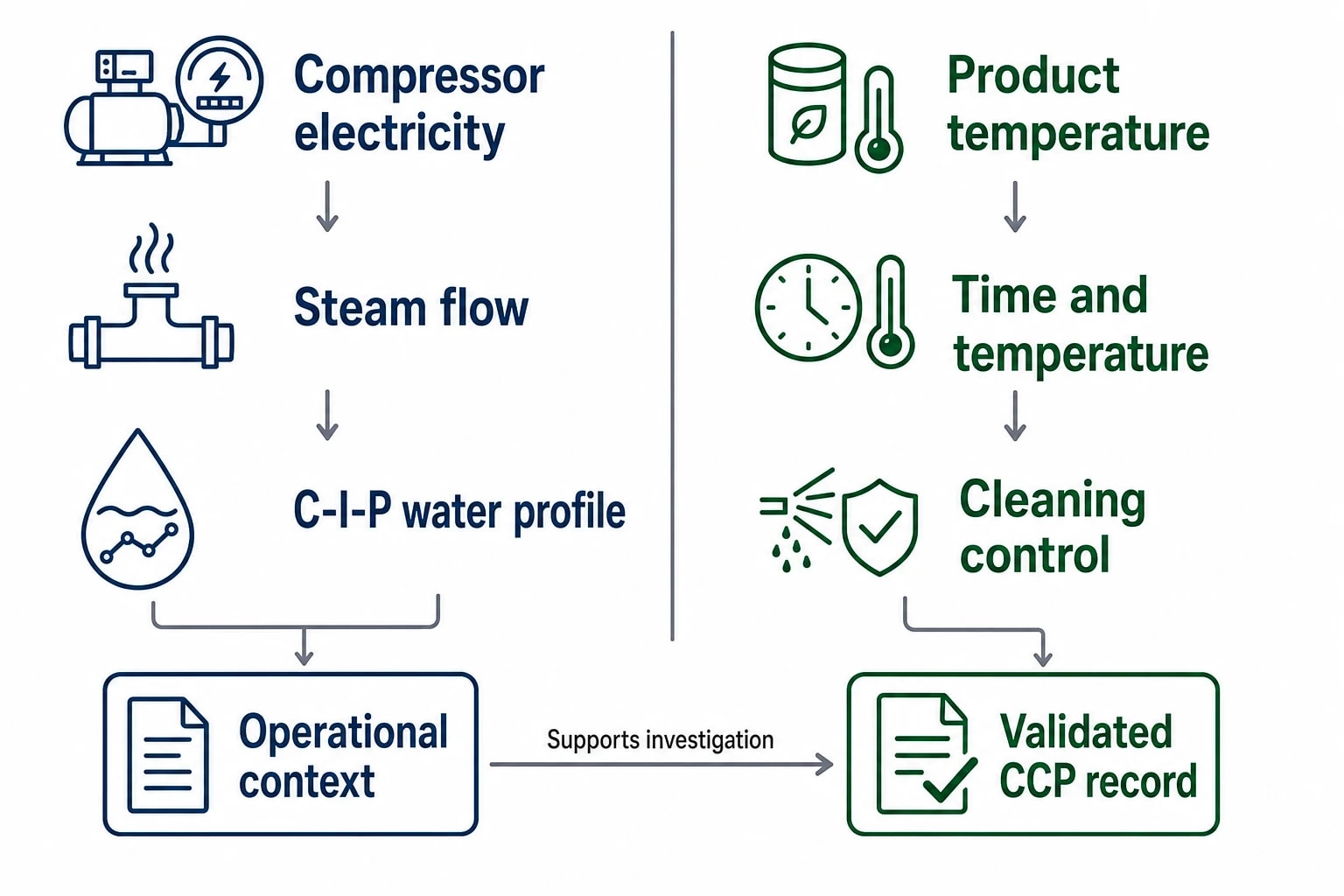
A utility platform can identify a pattern that requires investigation. It cannot establish that a food-safety critical limit has been achieved.
For example, electricity use from a refrigeration compressor indicates equipment activity. It does not demonstrate the temperature of a specific product. Steam flow to a process area records utility demand. It does not replace validated time-and-temperature measurements for heat treatment. A water profile during clean-in-place may provide useful context, but the site’s validated cleaning controls remain authoritative.
The distinction should be explicit in procedures, dashboards and audit records. HACCP monitoring at a CCP needs defined limits, a specified method, trained responsibility and corrective action. Energy data should sit alongside those records as operational context.
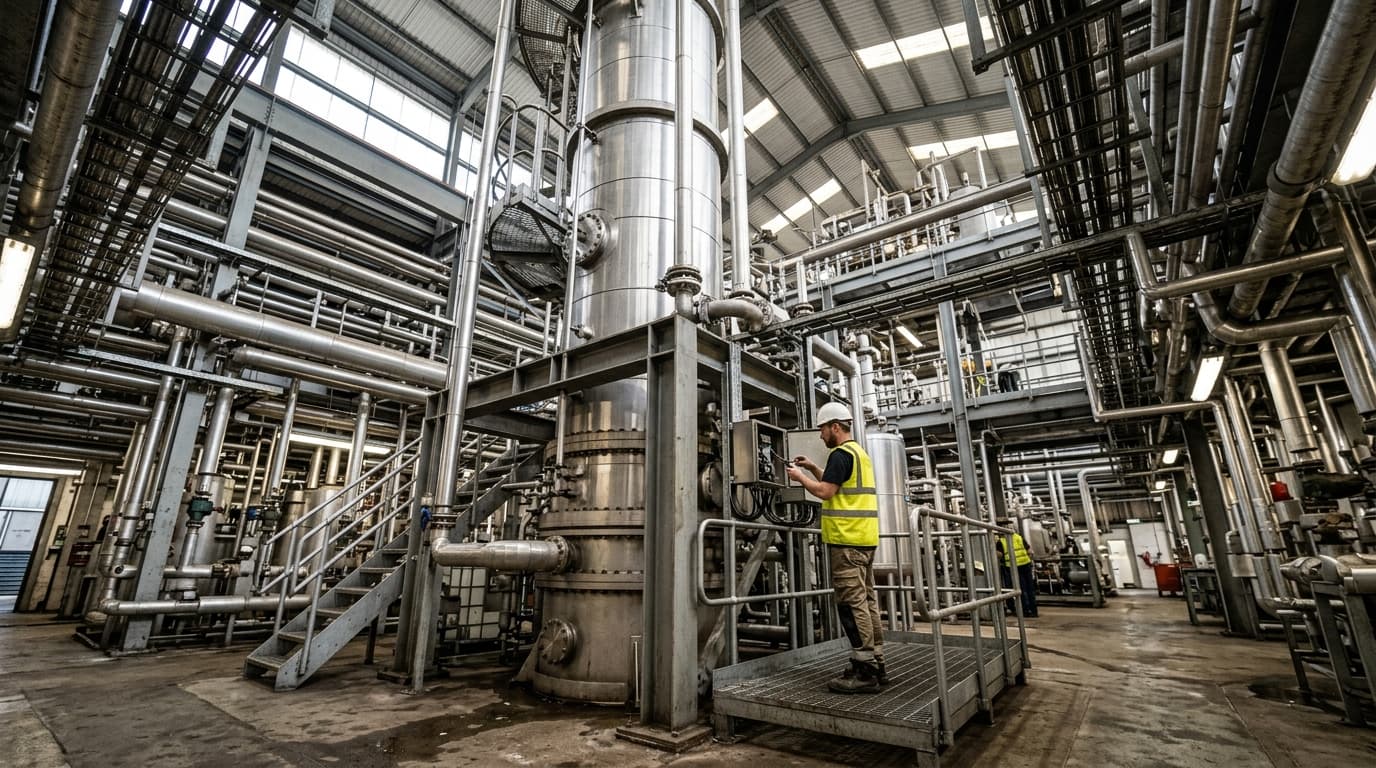
Omni Vision delivers turnkey utility metering, CO2 tracking, and AI-powered production KPI intelligence — giving you real-time dashboards and actionable insights across your entire facility.
Non-invasive instrumentation reduces food-line risk
A new process-wetted fitting can raise questions about hygienic design, sealing, cleanability and maintenance. Non-invasive instrumentation can reduce that exposure where the measurement and installation conditions allow it.
External current transformers can measure electrical load without altering the conductor. Clamp-on ultrasonic flow meters can measure flow from outside a suitable pipe. Surface-mounted temperature sensors can support energy analysis without penetrating a vessel wall.
The choice still requires a site-specific hazard assessment. An external sensor may create a soil trap, restrict cleaning access or suffer washdown damage if poorly located.
Assess the installed condition, not only the instrument
Food-safety suitability depends on how the sensor, enclosure and cable route sit within the plant. A catalogue data sheet does not confirm that a mounting bracket remains cleanable in a high-care environment.
| Installation item | HACCP question | Required record |
|---|---|---|
| Sensor position | Does the device enter a hygienic zone or prevent access for cleaning? | Marked-up layout and HACCP review |
| Mounting method | Could the fixing loosen, shed material or create a debris trap? | Method statement and post-install inspection |
| Cable route | Does the route cross segregation boundaries or collect soil? | Cable-route drawing and hygiene approval |
| Washdown exposure | Is the enclosure suitable for the site’s cleaning regime? | Equipment specification and commissioning check |
| Maintenance access | Can inspection occur without disturbing hygiene barriers? | Approved maintenance instruction |
FSA prerequisite guidance expects measurement and monitoring equipment to be sufficiently accurate and reliable to support confidence in results. Where an instrument supports a specified operational decision, the site should define functional checks, responsibility and the response to a failed check.
Control installation work as a hygiene activity
Engineering work near food production needs a defined start and finish. The permit should identify the work area, product status, protective measures, tool controls and handback conditions.
In high-care or open-product areas, the HACCP team may require work during a planned shutdown, followed by cleaning and a documented pre-operational inspection. The release check should confirm that temporary covers are removed, fixings are intact, tools are accounted for and no installation blocks cleaning points or equipment access.
The same controls apply to small installations. A single sensor may be low risk, but sensors, new cable containment and panel access across several rooms can materially alter cleaning access and contractor routes.
Read-only PLC integration protects process controls
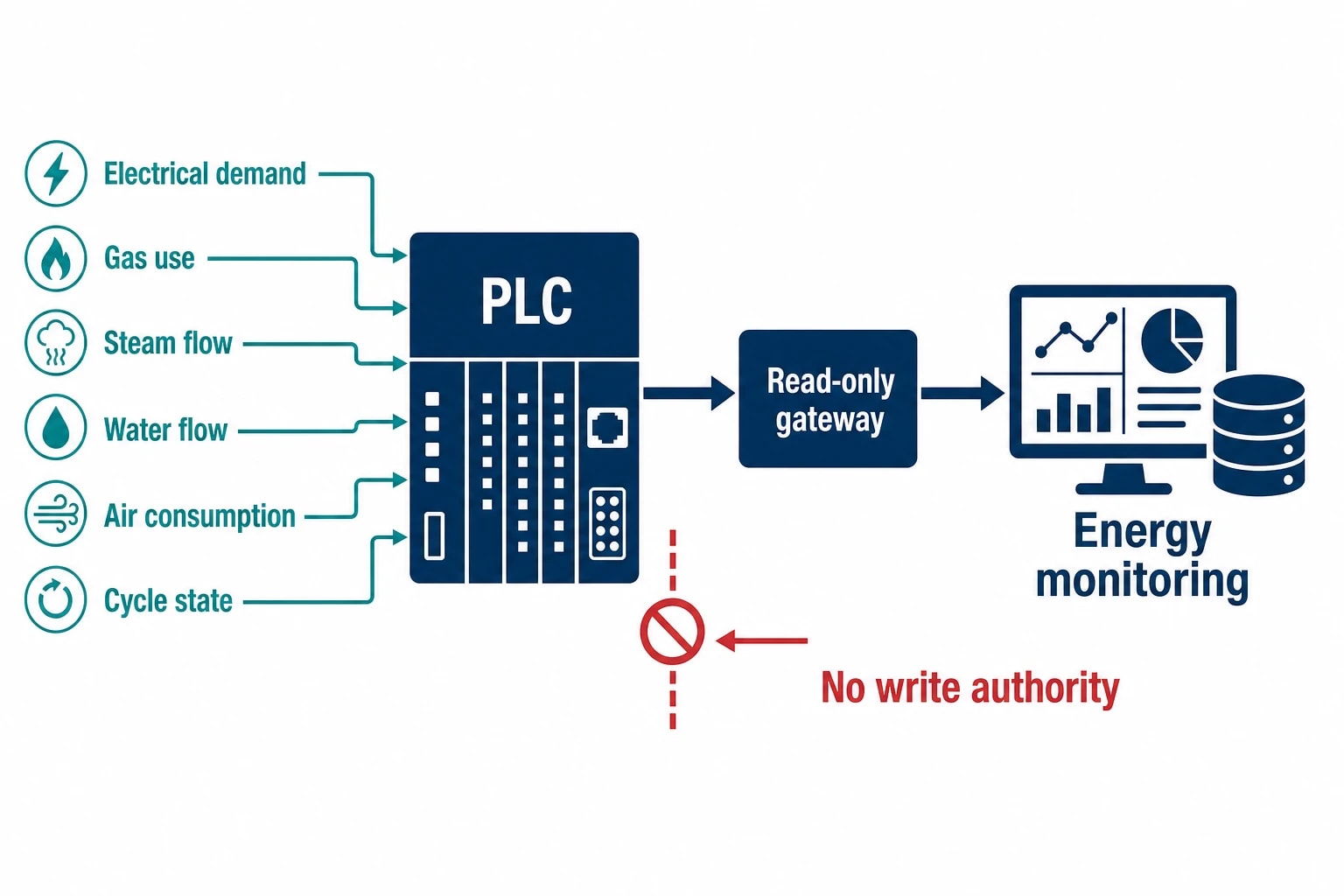
PLCs operate the sequence logic and interlocks for refrigeration systems, boilers, pasteurisers, fillers and clean-in-place programmes. Energy monitoring should obtain agreed information from those systems without authority to alter setpoints, recipes, alarm limits, valve positions or machine states.
Specify the data boundary before connection
Modbus, OPC UA, BACnet and MQTT are established methods of exchanging industrial data. HACCP does not prescribe a protocol. Compliance rests on the documented data boundary, permission configuration, commissioning evidence and review process.
The approved tag list should state the source, engineering unit, update interval, intended use and data owner for each value. It should also identify excluded data and confirm that the platform has no write authority to operational controls.
Typical read-only information may include:
- Refrigeration compressor electrical demand and run state.
- Boiler gas use and steam-flow readings.
- Water flow associated with a clean-in-place circuit.
- Compressed-air consumption on a filling line.
- Production state, batch reference or line status.
- Defrost or cleaning-cycle state used to classify utility data.
The plant should test this boundary during commissioning. The commissioning record should demonstrate that the system receives the agreed values and that no energy-platform action can alter the PLC programme or machine sequence.
Preserve control-system independence
Read-only access keeps plant controls in authority during production, defrosting, cleaning and fault recovery. The monitoring platform records operating context but does not form part of the safety control path.
This matters particularly for clean-in-place. Water, steam and electrical demand may rise sharply during a cleaning sequence. The PLC continues to control the programme. The energy record can later be compared with the approved cycle state, but it cannot initiate, interrupt or amend the programme.
HACCP-compliant data logging needs controlled records
Digital records can support HACCP documentation when their ownership and purpose are clear. The FSA recognises physical and digital HACCP records, provided documents remain current, controlled and available for verification and audit.
For an energy system, the useful record is a timestamped history that identifies the utility, asset, production state and associated investigation where one was required.
Define record ownership and retention
The project document set should include the HACCP change assessment, instrument schedule, drawings, PLC tag list, commissioning results and operating procedures. It should also define who reviews alerts, who can amend dashboard configurations and how exported reports are retained.
A practical record specification includes:
- Asset identifier and meter or data-source identifier.
- Timestamp, unit and data-quality status.
- Production, defrost or clean-in-place state where available.
- Batch or run reference where the site has approved that association.
- Alert identifier, review owner and target review time.
- Investigation findings, work order reference and close-out decision.
- Version-controlled copies of tag lists, alarm rules and installation drawings.
The FSA states that CCP monitoring records should include the date, time and actual result. Utility records should follow the same discipline where they support an investigation, while remaining distinct from validated CCP records.
Make data quality visible
Missing or implausible values can undermine an investigation. The dashboard should identify data-quality exceptions rather than silently calculating a trend from incomplete information.
A site can require a review where two consecutive planned readings are absent from an asset that should report continuously. The reviewer should record whether the cause was a communications interruption, instrument fault, planned isolation or production shutdown. This produces a traceable maintenance output rather than an unexplained gap in a monthly graph.
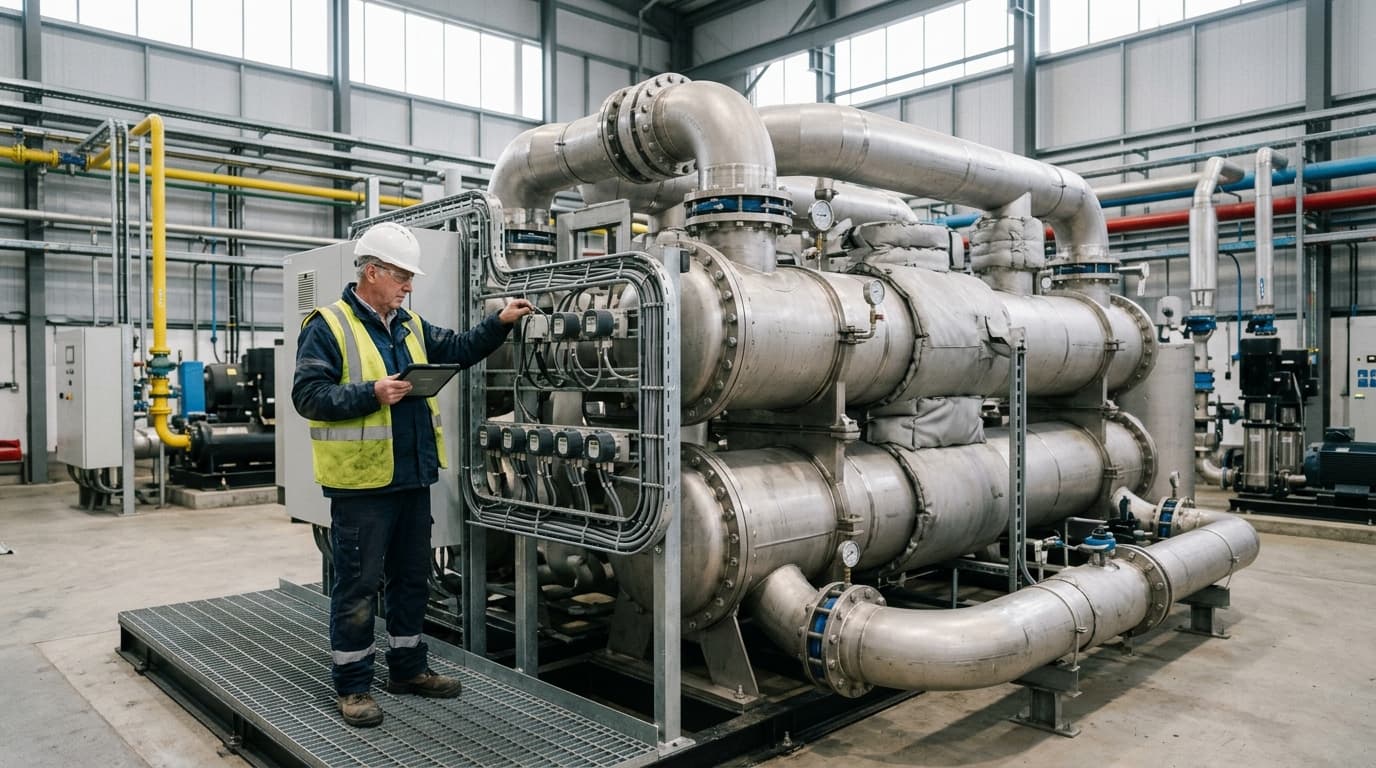
Track energy consumption, emissions, and process parameters with seamless PLC/SCADA integration via Modbus, OPC-UA, and MQTT protocols.
Utility visibility needs measurable decision rules
Terms such as “unusual consumption” are too imprecise for an operational procedure. Each monitored utility needs a defined comparison population, alert threshold, duration, owner and review window.
Thresholds must reflect the process and cannot be copied blindly between lines. A freezer operating through a defrost cycle has a different pattern from a chilled packing room. A water profile during an approved clean-in-place recipe has a different baseline from production water use.
Use like-for-like operating states
For a cold store, a useful rule may compare 15-minute compressor electricity readings only with previous periods in the same operating state. Defrost intervals, planned shutdowns and known production changes should be excluded from the normal-running baseline.
The site can document a baseline as the median demand from the previous 20 comparable operating periods. It can then define an engineering alert when three consecutive 15-minute readings exceed the approved percentage above that baseline. The rule should name the escalation period, for example, review by engineering before the end of the next production shift.
The investigation output should record:
- The affected asset and time range.
- The comparator baseline and measured variance.
- Confirmation of production state and defrost status.
- Inspection findings, such as condenser condition, door seals, refrigerant-system fault indication or a control issue.
- Work order number, corrective work and return-to-normal confirmation.
- Whether QA must review any coincident food-safety event.
The percentage threshold is a site decision, not a food-safety critical limit. QA involvement should be triggered by a defined link to the food-safety system, such as a product-temperature deviation, loss of validated refrigeration control or a documented impact assessment.
Match cleaning reviews to validated cycles
Clean-in-place monitoring should use the approved recipe and cycle state as its reference. A record for each completed cycle can show total water volume, steam use, duration and PLC-reported cycle status.
The review rule should be written against the site’s validated operating range for that recipe. A deviation should generate an investigation record within the agreed review window, commonly during the same shift or before the equipment’s next use. The investigation may examine valve performance, meter condition, incomplete sequencing or an operational change.
Utility figures do not confirm cleaning efficacy. They provide a structured prompt to check the validated cleaning record and investigate departures from the expected resource profile.
Give boiler and compressed-air data an owner
Steam and compressed-air monitoring can produce defined maintenance records. Boiler gas and steam readings can be reviewed daily against production hours and planned cleaning activity. Compressed-air demand can be reviewed by line state, with sustained demand during an approved idle state routed to engineering as a leak or equipment-use investigation.
The procedure should identify the accountable role, expected response time and closure evidence. A dashboard alert without an owner is a notification, not a controlled operating process.
Deploying Omni Vision within HACCP controls
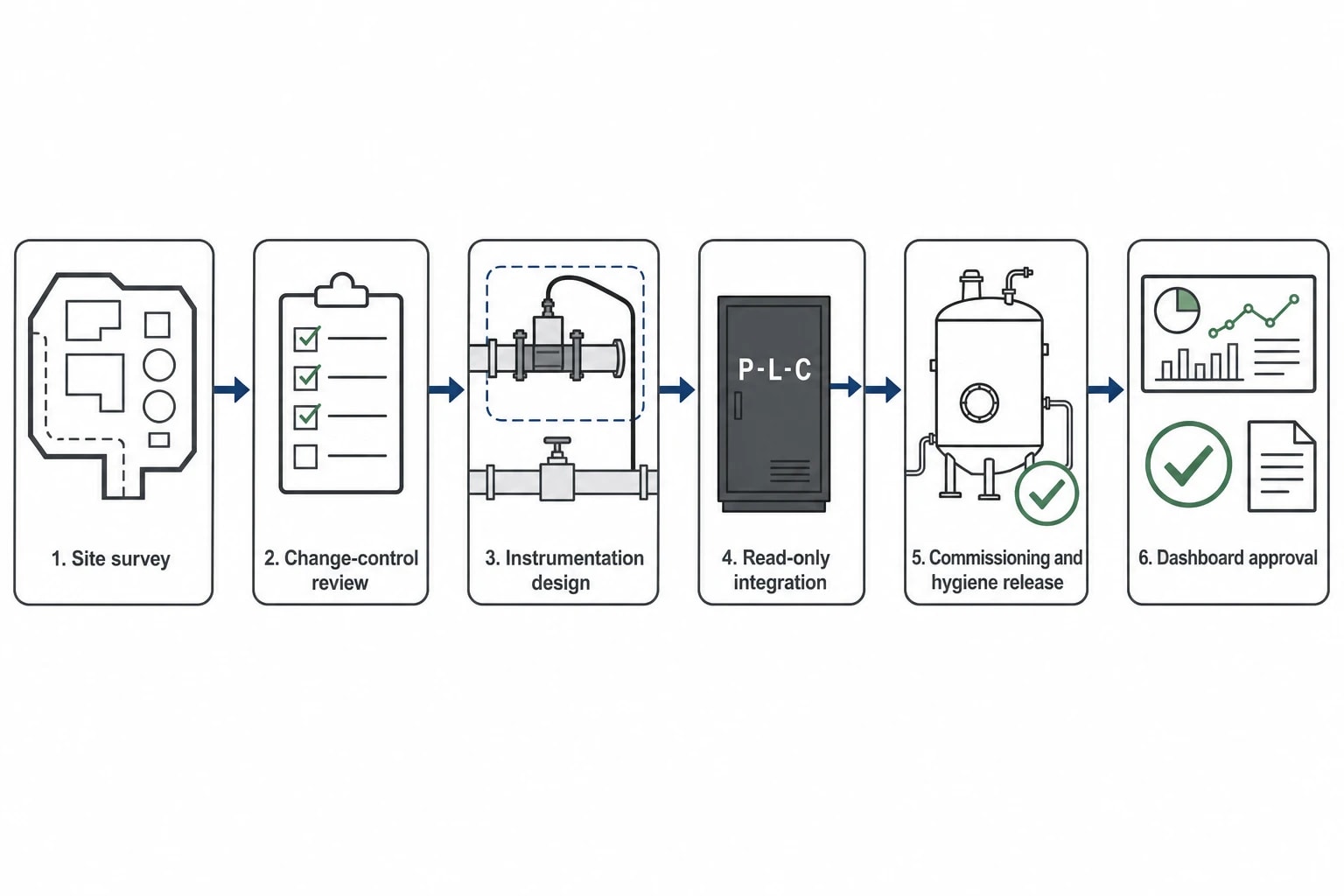
EnerTherm Engineering’s Omni Vision Energy Intelligence Platform can be deployed as a controlled utility-monitoring layer for food and beverage sites. The installation approach should bring QA, food safety, engineering and production into the project before hardware selection is finalised.
A HACCP-aware deployment sequence
-
Site survey: Map utility assets, panels, hygienic zones, cleaning routes, CCPs and permitted access routes.
-
Change-control review: Record hazards, installation restrictions, cleaning requirements, data scope and release checks.
-
Instrumentation design: Select suitable non-invasive measurement points and document mounting positions, enclosures and cable routes.
-
Read-only integration: Approve the PLC tag list, configure access without write authority and test the data boundary.
-
Commissioning and hygiene release: Confirm signal quality, installed condition, cleaning completion and pre-operational acceptance.
-
Dashboard and procedure approval: Map approved utility data to lines, states and batches, then issue documented rules for alerts, reviews and record retention.
Food-line protection depends on the installation standard
HACCP-compliant energy monitoring treats metering, data extraction and record keeping as controlled changes. Physical installation must preserve cleanability and segregation; digital integration must preserve PLC authority; and logging rules must produce specific review records with named owners and measurable escalation criteria.
This article reflects the independent analysis and editorial opinion of EnerTherm Engineering. Product names, trademarks, and brands mentioned belong to their respective owners. EnerTherm Engineering is not affiliated with, endorsed by, or a licensee of any third-party software or product mentioned unless explicitly stated.

Technical Manager — EnerTherm Engineering
John Naranjo is Technical Manager at EnerTherm Engineering, bringing specialist expertise in chemical and environmental engineering. He recently led the implementation of Omni Vision, EnerTherm's real-time energy and utility monitoring platform. He holds an MSc in Environmental Engineering from the University of Huelva and a BSc in Chemical Engineering, with memberships in both the Energy Institute and IChemE.
