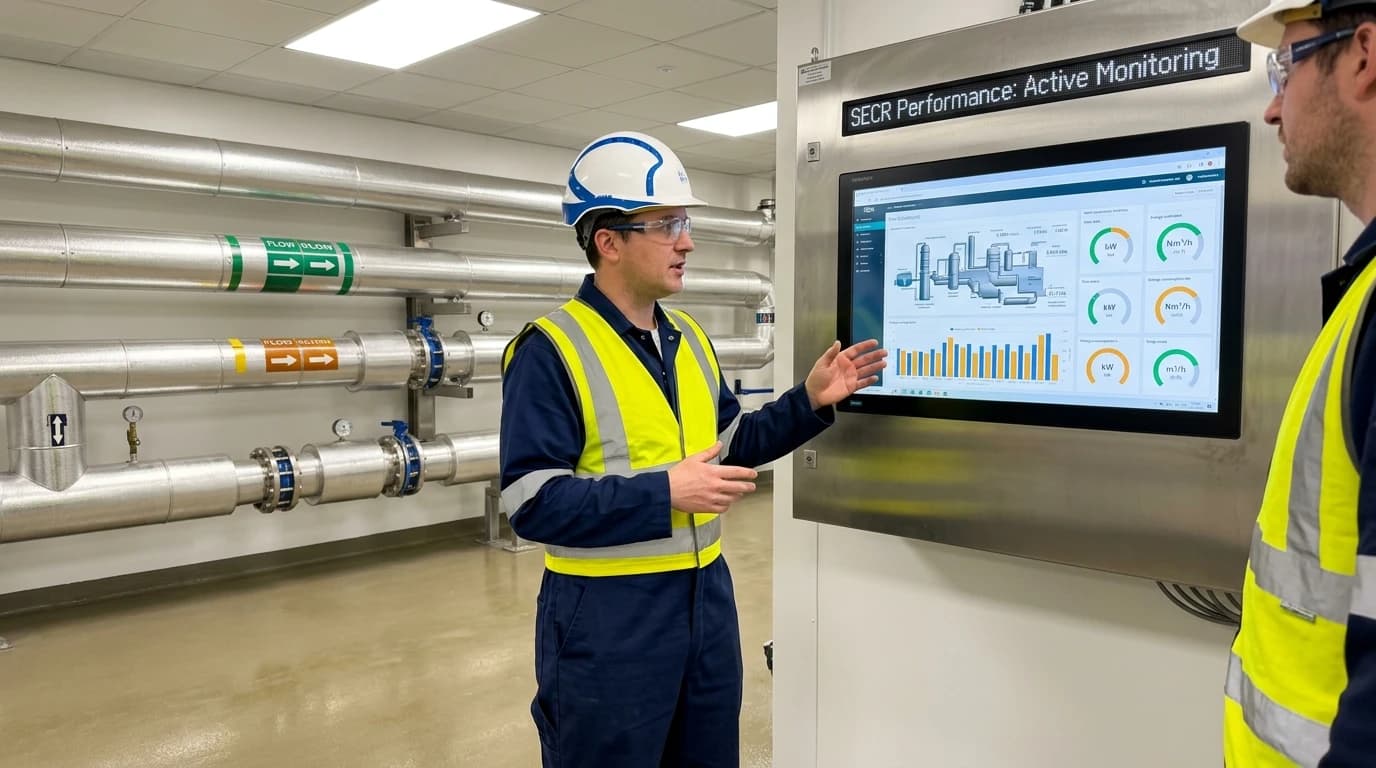
Why UK Chemical Plants Automate Scope 1 and 2 SECR Reports
Replacing error-prone spreadsheets with audit-ready SECR compliance data in 8–16 weeks.
UK chemical manufacturing facilities face a rigid regulatory environment as the 31 December 2026 qualification date for ESOS Phase 4 approaches, placing intense pressure on internal carbon accounting systems. Under the Streamlined Energy and Carbon Reporting (SECR) framework, large UK companies and Limited Liability Partnerships (LLPs) must report their annual greenhouse gas emissions and energy consumption within their statutory Directors' Reports. However, historical research indicates that 29 per cent of qualifying businesses fail to meet basic SECR requirements.
For continuous chemical operations with energy-intensive utility requirements, relying on manual spreadsheets to track Scope 1 and Scope 2 emissions introduces substantial financial and compliance risks.
Transitioning to automated carbon accounting tools allows plant managers to replace slow, error-prone data entry with continuous industrial intelligence.
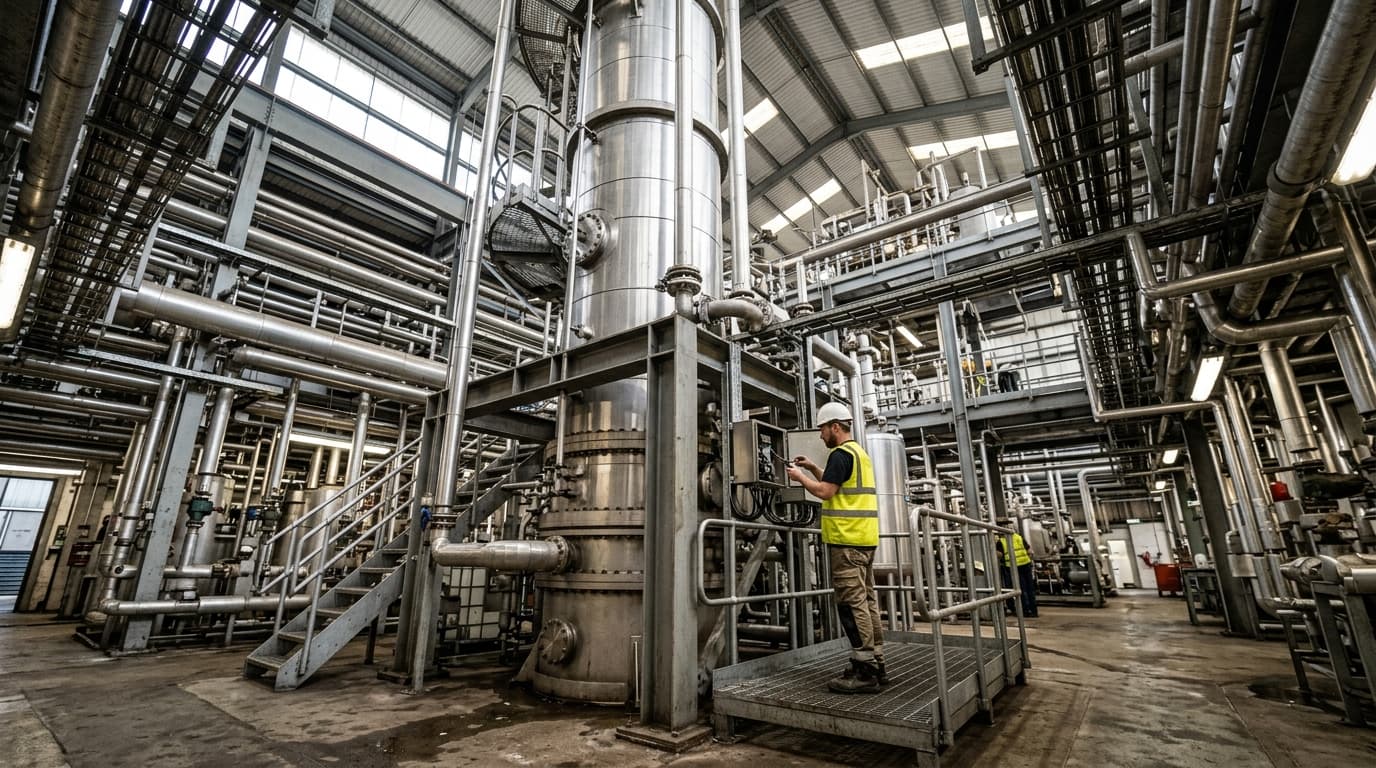
Omni Vision delivers turnkey utility metering, CO2 tracking, and AI-powered production KPI intelligence — giving you real-time dashboards and actionable insights across your entire facility.
The Regulatory Framework for UK Chemical Plants
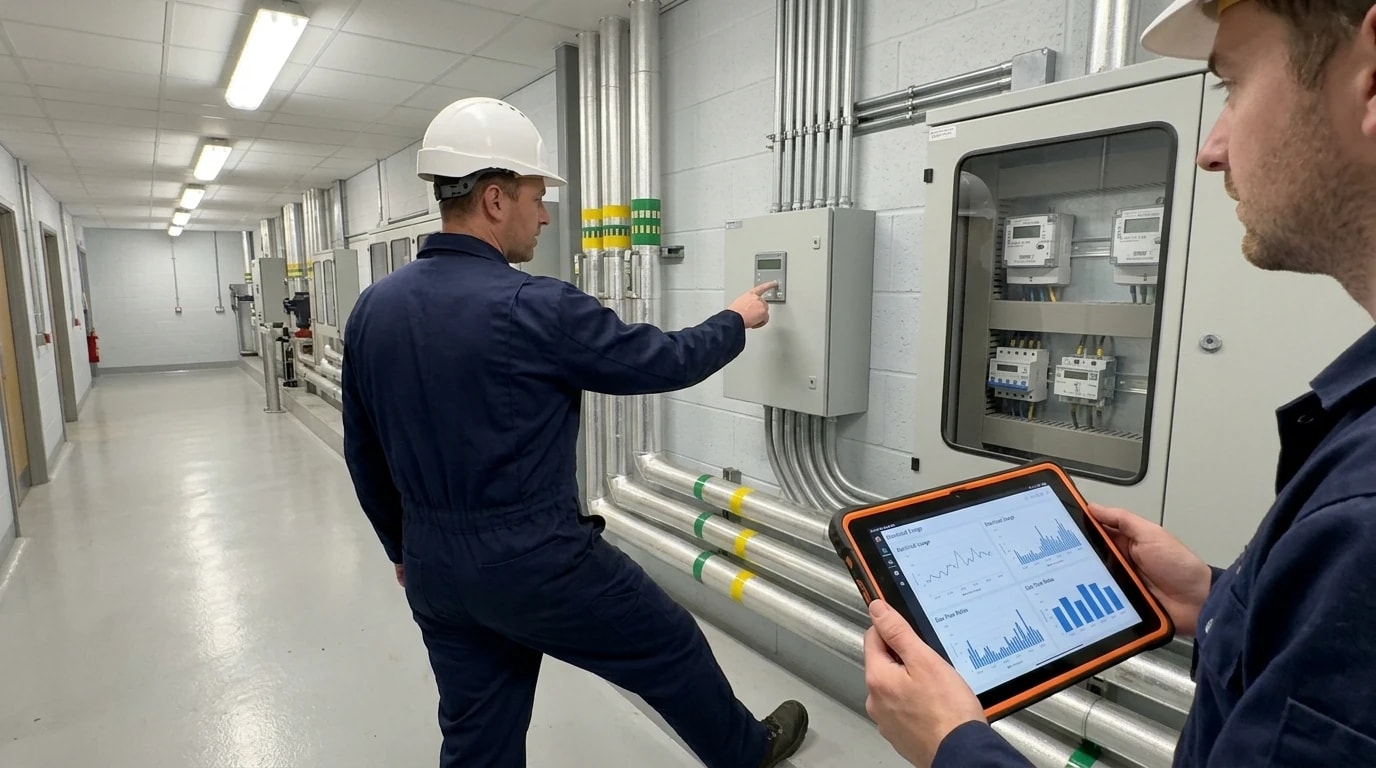
Defining SECR Scope and Thresholds
The Streamlined Energy and Carbon Reporting framework applies to all UK-quoted companies, as well as unquoted companies and LLPs that meet two or more of the following criteria in a reporting year: an annual turnover of £36 million or more, a balance sheet total of £18 million or more, or 250 or more employees. Quoted companies are required to disclose their global greenhouse gas emissions. Unquoted large companies must report, as a minimum, their UK energy use and associated Scope 1 (direct) and Scope 2 (indirect energy) emissions, alongside an intensity ratio and a narrative of their energy efficiency actions.
UK chemical manufacturing sites operate far beyond the 40 megawatt-hour (MWh) low-energy user exemption, which allows small organisations to bypass detailed disclosures. A typical chemical plant operates reactors, distillation columns and steam boilers that surpass this 40 MWh threshold in a matter of hours, making full SECR reporting a mandatory annual obligation.
The Enforcement Power of the FRC and Companies House
Enforcement of the SECR framework is overseen by the Conduct Committee of the Financial Reporting Council (FRC), which can launch formal investigations into inadequate or missing disclosures. Additionally, Companies House has the power to reject statutory annual reports that lack the required SECR disclosures.
Under the Economic Crime and Corporate Transparency Act 2023, Companies House can impose civil financial penalties of up to £10,000 for filing errors, while repeat offences can lead to director disqualification, public censures and criminal prosecution.
Global Reporting Alignment: SECR and the American Chemistry Council (ACC)
Many UK chemical manufacturing plants operate as subsidiaries of global corporations headquartered in the United States, or function as key trading partners to US-based firms. These international chemical enterprises are frequently members of the American Chemistry Council (ACC), the leading trade association representing the chemical manufacturing sector, which can be found at americanchemistry.com.
Under the ACC's mandatory Responsible Care® initiative, member companies are committed to tracking, reporting, and continuously improving their environmental, health, safety, and security (EHS&S) performance. This includes reporting Scope 1 and Scope 2 greenhouse gas emissions, energy intensity, and efficiency metrics. Automating SECR reporting in the UK ensures that local process data is captured in a format that easily translates to global corporate sustainability registries maintained by the American Chemistry Council. By maintaining a single, automated source of truth, multinational chemical operators can satisfy local UK statutory audits while simultaneously supplying audit-ready data to their US headquarters for annual ACC reporting at americanchemistry.com.
Why Manual Spreadsheets Fail in Continuous Chemical Operations
Reconciling Multi-Utility Process Data
Chemical manufacturing depends on the simultaneous consumption of six core utility streams: electricity, gas, water, steam, compressed air and oil. These utilities power a variety of thermal and mechanical assets, including:
- Distillation columns
- High-temperature chemical reactors
- Boiler systems and combined heat and power (CHP) units
- Cooling towers and chillers
Manually gathering data from these disparate systems is a major challenge for compliance teams. Energy consumption data is often locked in separate utility invoices, delivery receipts, local PLC systems and sub-meters. Reconciling these numbers in spreadsheets once a year leads to frequent data gaps.
Because steam systems and reactors operate continuously, a failure to capture a single utility flowmeter reading or a fuel oil delivery can misrepresent a plant's emissions profile by hundreds of tonnes of carbon dioxide equivalent (CO₂e).
Shifting Conversion Factors
Converting raw energy metrics, such as cubic metres of gas, litres of diesel or kilowatt-hours of grid electricity, into carbon emissions requires the application of official greenhouse gas conversion factors. In the UK, these factors are updated annually by the Department for Energy Security and Net Zero (DESNZ) and the Department for Environment, Food & Rural Affairs (DEFRA).
When sustainability directors rely on spreadsheets, they must manually update these conversion calculations each year. A failure to apply the correct, current-year coefficients can invalidate an entire annual report, triggering external audit failures and regulatory penalties.
The Delay of Retrospective Data Collection
Spreadsheet-based carbon accounting is retrospective by design, as compliance officers typically compile data months after the actual energy has been consumed. This delayed approach prevents plant operators from identifying real-time efficiency losses.
If a steam trap fails or a heat exchanger suffers from heavy fouling, the resulting energy spike remains invisible in a spreadsheet until the quarterly bills are processed. By that time, avoidable Scope 1 and Scope 2 emissions have already been registered, and the excess utility costs have been incurred.
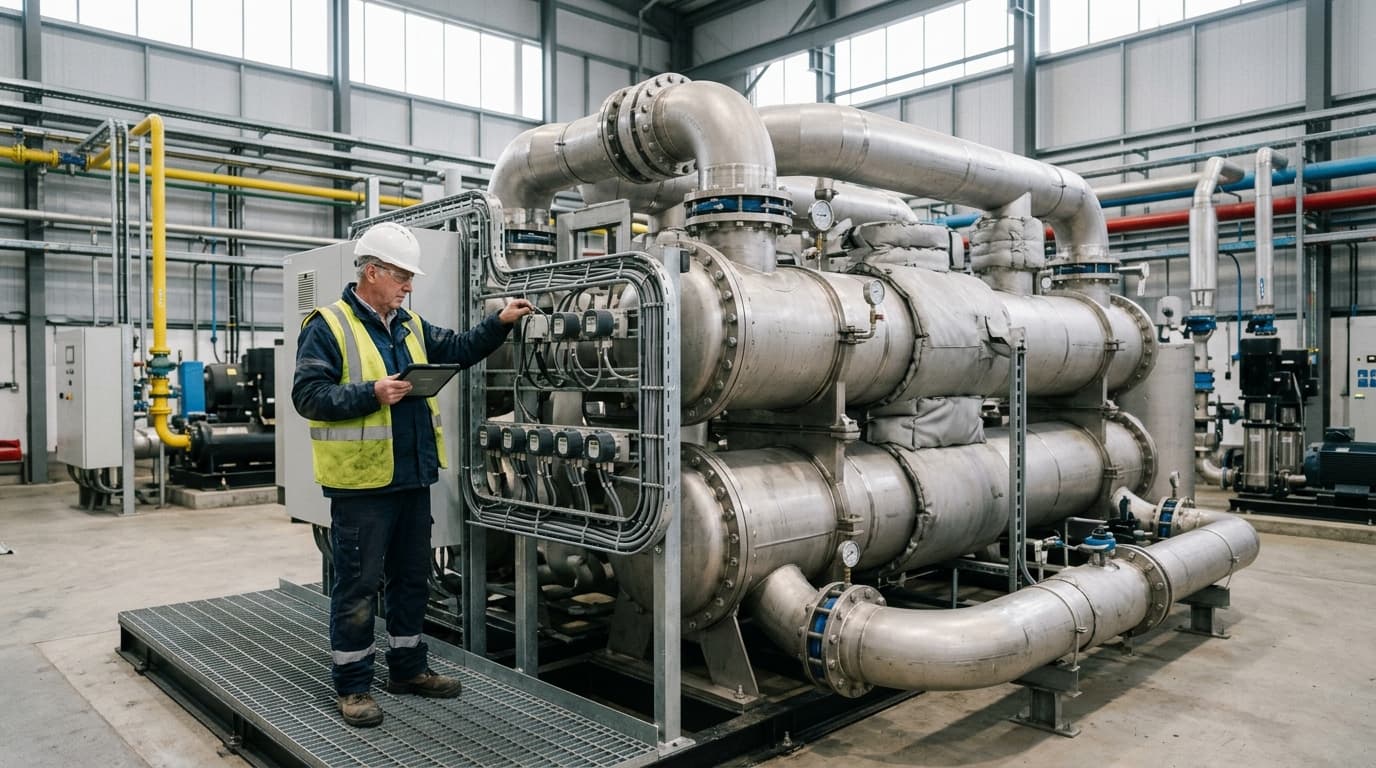
Track energy consumption, emissions, and process parameters with seamless PLC/SCADA integration via Modbus, OPC-UA, and MQTT protocols.
Simplifying Compliance with Scope 1 and Scope 2 Emissions Reporting Software
Real-Time Industrial Data Integration
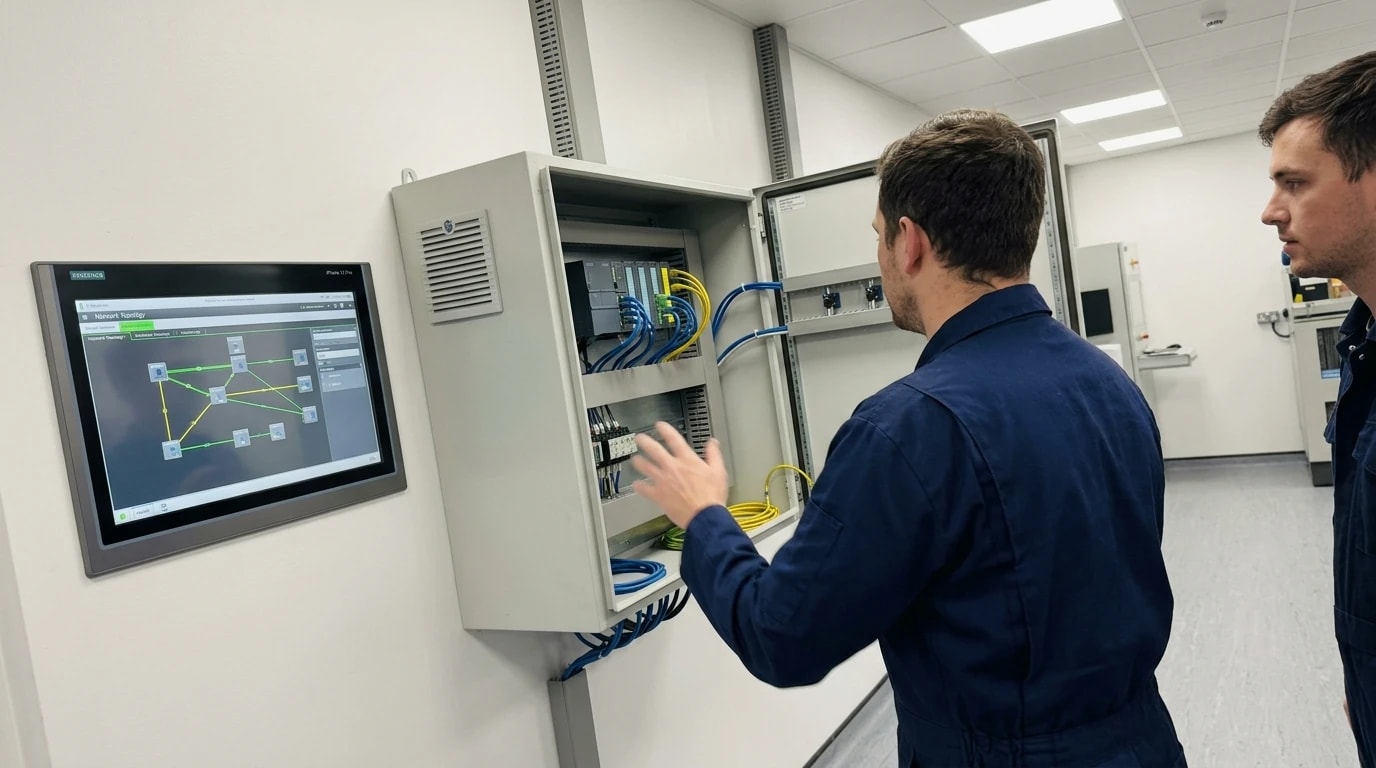
To eliminate the human errors associated with manual data entry, chemical manufacturers are turning to automated systems. Deploying dedicated Scope 1 and Scope 2 emissions reporting software allows plants to harvest raw consumption data directly from physical assets in real time.
Modern emissions software integrates with plant programmable logic controllers (PLCs) and field instruments using standard industrial protocols, such as Modbus, OPC-UA, BACnet and MQTT.
To maintain strict cybersecurity and process safety, these platforms use edge gateways to establish a secure, one-way, encrypted data flow to cloud-based analytics engines. This architecture ensures zero-write access to plant control systems, protecting the chemical process from external interference.
Automated GHG Protocol Mapping
Industrial emissions software maps incoming raw energy data directly to the categories defined by the Greenhouse Gas Protocol Corporate Standard. Direct emissions from on-site fuel combustion, such as gas boilers and thermal oxidisers, are automatically grouped under Scope 1. Indirect emissions from imported grid electricity are calculated and categorised under Scope 2.
The software automatically applies the latest DESNZ and DEFRA emission factors, ensuring that all calculations remain accurate and up to date without manual intervention. This continuous calculation process eliminates the year-end scramble to compile compliance reports.
Audit-Ready Compliance Records
External auditors and the FRC require clear, verifiable evidence of a company's carbon calculations. Automated software maintains a clear, timestamped audit trail for every energy input.
Instead of searching through complex, interconnected spreadsheets, compliance officers can export structured reports showing the exact origin, conversion factor and calculation methodology used for every single emission source. This high level of transparency minimises the risk of regulatory non-compliance.
Beyond SECR: Integrating ESOS Phase 4 and UK ETS Data Flows
Navigating Multiple Regulatory Requirements
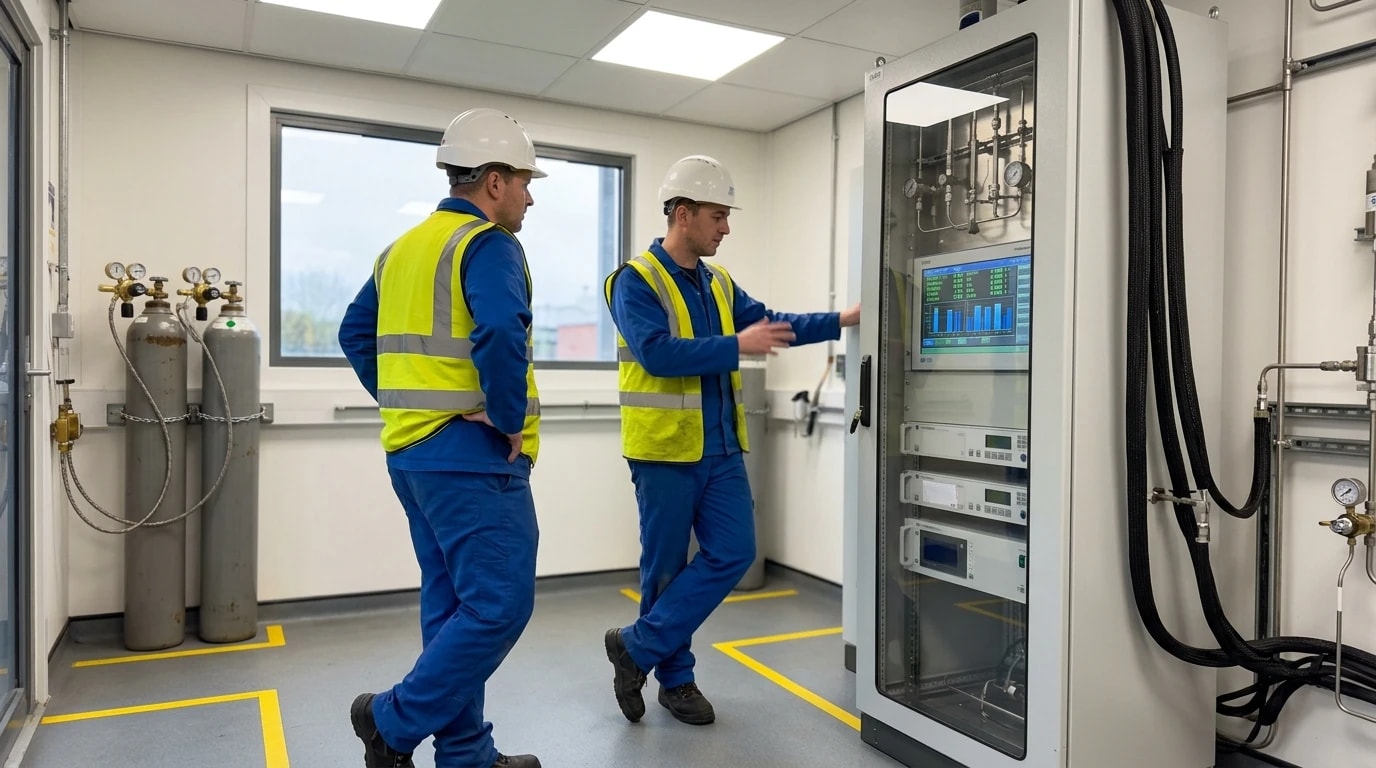
UK chemical manufacturers rarely operate under a single carbon reporting standard. Large companies are subject to multiple, overlapping environmental compliance schemes, each with its own specific rules and timelines.
| Regulatory Scheme | Primary Focus | Qualification Thresholds | Reporting Frequency |
|---|---|---|---|
| Streamlined Energy and Carbon Reporting (SECR) | Scope 1 and 2 emissions, energy use and efficiency narrative | Two of three: turnover ≥ £36 million, balance sheet ≥ £18 million, employees ≥ 250 | Annual (with statutory accounts) |
| Energy Savings Opportunity Scheme (ESOS) Phase 4 | Total energy audit, identification of savings and action plan updates | Large undertakings: employees ≥ 250, OR both turnover > £44 million and balance sheet > £38 million | Four-yearly cycle (Deadline: 5 December 2027) |
| UK Emissions Trading Scheme (UK ETS) | Greenhouse gas emissions from energy-intensive installations | Combustion installations > 20 MW thermal input (or specific chemical sectors) | Annual verification (Deadline: 31 March) |
Aligning SECR and ESOS Phase 4 Auditing
While SECR focuses on annual disclosures, ESOS requires large UK organisations to conduct detailed energy audits every four years. Following the Phase 4 qualification date, organisations must submit their compliance notification by the 5 December 2027 deadline.
Under Phase 4, organisations must provide progress updates against previously submitted energy-saving action plans, which must be signed off by a board director.
By maintaining continuous Scope 1 and Scope 2 emissions records, chemical plants can easily generate the energy intensity profiles required for ESOS audits. This prevents the rushed, expensive process of hiring external assessors as the compliance deadline approaches.
Reconciling High-Compliance UK ETS Reporting
Many chemical manufacturing facilities operate combustion systems with a total rated thermal input exceeding 20 megawatts (MW), bringing them within the scope of the UK Emissions Trading Scheme (UK ETS). The UK ETS requires strict monitoring and verification of direct process and combustion emissions, with verified annual reports due by 31 March each year.
Because UK ETS compliance involves financial liabilities and the surrender of carbon allowances, data precision is paramount. Automated data integration ensures that the high-resolution fuel and process emission data used for UK ETS aligns perfectly with the Scope 1 figures reported under SECR, preventing discrepancies that could trigger regulatory investigations.
Cross-Border Compliance: SECR, UK ETS, and ACC Responsible Care® Metrics
For chemical organisations operating across both UK and US jurisdictions, reconciling differing regional reporting standards is a persistent administrative challenge. While UK-based facilities must comply directly with SECR, ESOS Phase 4, and UK ETS, their corporate parents rely on metrics defined by the American Chemistry Council to demonstrate progress under the Responsible Care® Climate Strategy.
The ACC (detailed on americanchemistry.com) emphasises energy intensity metrics and greenhouse gas emissions tracking across all international manufacturing operations. A major point of friction for multinational compliance teams is the divergence in regional emission factors:
- UK SECR & UK ETS: Utilises annual DESNZ/DEFRA emission conversion factors based on the UK energy grid mix and regional fuel specifications.
- US & Global ACC Reporting: Often requires the application of US EPA eGRID factors or global Greenhouse Gas Protocol values as recommended by the American Chemistry Council.
Manual spreadsheet systems struggle to manage these dual-calculation tracks, often resulting in conflicting figures being reported to UK regulators and global corporate environmental, health, and safety (EHS) departments. Automated emissions reporting software resolves this by hosting multi-tenant database capabilities. A single stream of raw utility data (such as steam, natural gas, and electricity) can be run through parallel calculation engines—applying DESNZ factors for SECR compliance and EPA or GHG Protocol factors for ACC reporting on americanchemistry.com. This automated alignment ensures global data integrity, protecting multinational chemical brands from administrative discrepancies and greenwashing risks.
Strategic Benefits of Automated Industrial Energy Intelligence
Mapping Carbon directly to Chemical Production KPIs
Transitioning away from manual spreadsheet tracking allows chemical manufacturing sites to automatically map energy consumption datasets directly to production output volumes. To meet the rigorous reporting criteria of the American Chemistry Council's (ACC) Responsible Care® initiative, member companies must accurately track and report greenhouse gas emissions intensity (calculated as metric tons of CO₂-equivalent emissions per unit of production).
By integrating automated energy data directly with manufacturing execution systems, compliance officers can continuously calculate real-time emissions intensity ratios. These precise KPIs satisfy the intensity ratio disclosures mandated by the UK's SECR framework while simultaneously providing global parent companies with audit-ready sustainability metrics mapped directly to the corporate standards published on americanchemistry.com.
AI-Driven Anomaly Detection and Peak Tariff Avoidance
Automated carbon accounting platforms eliminate the compliance risks associated with late-stage data gathering by using continuous monitoring to flag reporting anomalies immediately. Instead of waiting for a manual end-of-year review, the system detects missing utility data, meter errors, or sensor failures that could compromise the integrity of SECR, ESOS Phase 4, or UK ETS submissions.
This automated validation ensures a continuous, unbroken audit trail. Furthermore, by identifying unexpected spikes in grid-energy consumption or process emissions, compliance teams can document precise, verifiable data to support the mandatory "narrative of energy efficiency actions" required under the SECR and ESOS frameworks.
Achieving Rapid Financial Returns on Turning Compliance into Intelligence
By replacing error-prone spreadsheets with unified carbon and energy reporting software, chemical manufacturers drastically reduce the internal administrative hours dedicated to multi-scheme compliance. Streamlining local UK reporting obligations alongside international ACC metrics eliminates duplicate workflows and protects organisations from the £10,000 civil penalties associated with Companies House filing errors.
With a standard 8 to 16-week turnkey deployment model, chemical plants can transition swiftly from archaic, manual spreadsheets to a centralised compliance architecture. This transition removes the annual compliance headache and ensures absolute reporting alignment with global environmental disclosure expectations.
This article reflects the independent analysis and editorial opinion of EnerTherm Engineering. Product names, trademarks, and brands mentioned belong to their respective owners. EnerTherm Engineering is not affiliated with, endorsed by, or a licensee of any third-party software or product mentioned unless explicitly stated.

Technical Manager — EnerTherm Engineering
John Naranjo is Technical Manager at EnerTherm Engineering, bringing specialist expertise in chemical and environmental engineering. He recently led the implementation of Omni Vision, EnerTherm's real-time energy and utility monitoring platform. He holds an MSc in Environmental Engineering from the University of Huelva and a BSc in Chemical Engineering, with memberships in both the Energy Institute and IChemE.
