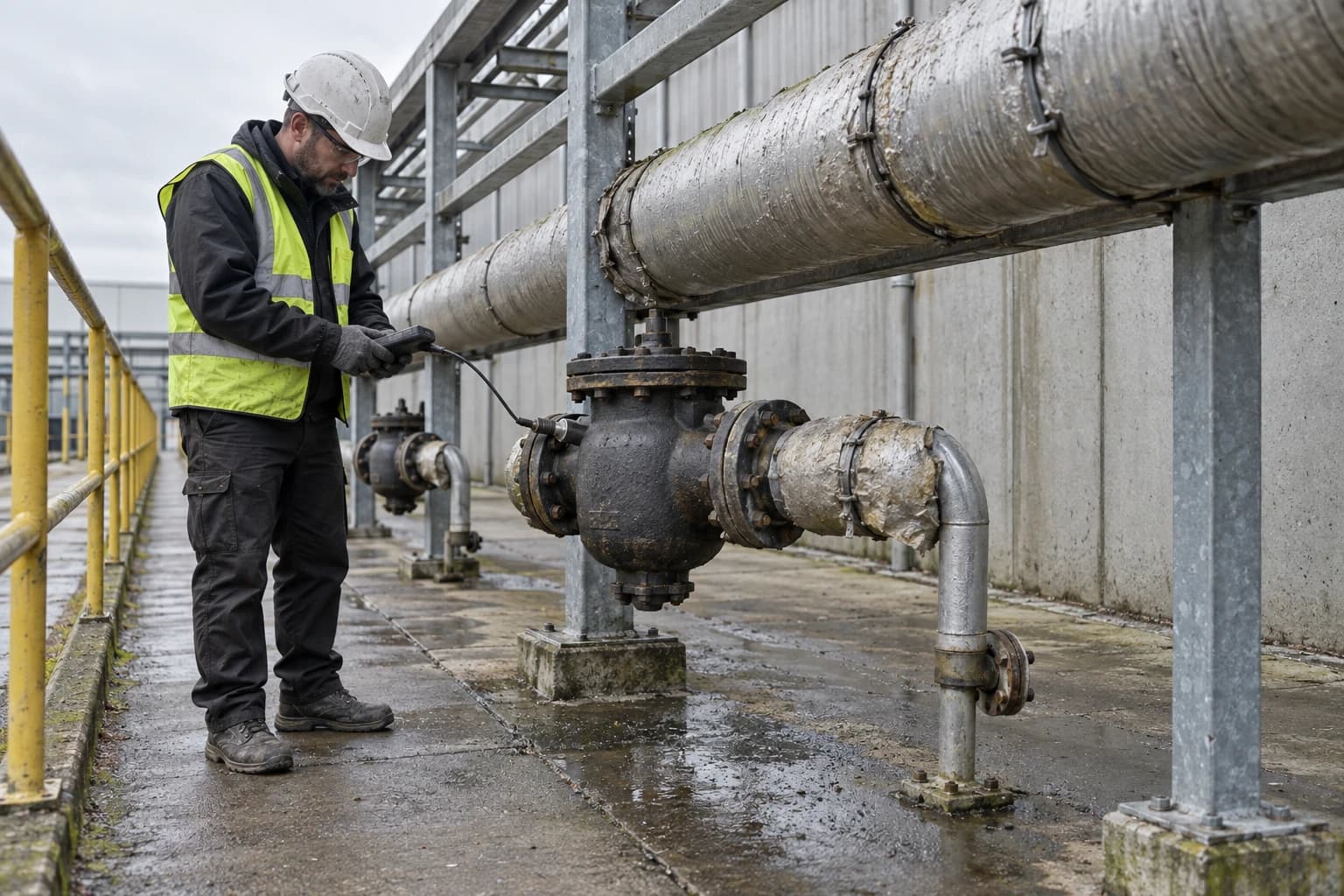
Why UK Plants Are Auditing Process Heat Losses
GOV.UK estimates the ESOS population could unlock up to 1.51 TWh annually.
Process heat optimisation is the systematic measurement and improvement of how an industrial plant generates, transfers, uses and recovers heat while maintaining specified production output and product quality.
GOV.UK estimates that industrial processes have delivered 1.51 TWh of annual efficiency savings across the Energy Savings Opportunity Scheme population. That places process heat firmly on the operational agenda for UK manufacturers. Boilers, ovens, dryers, reactors, evaporators, kilns, sterilisation systems and thermal-fluid circuits often dominate site fuel demand. Small, persistent losses across these systems can add up to substantial annual gas consumption.
The audit focus has widened. Energy managers still need to identify poor insulation, steam leaks and inefficient combustion. They also need to establish whether heat reaches the process at the right temperature, pressure, time and location. A line may meet output targets while masking poor condensate return, excess air, badly sequenced burners, unnecessary standby operation or a heat exchanger that has lost performance.
That is why UK plants are moving from periodic utility reviews towards more detailed process heat optimisation audits.
Process heat optimisation has become an energy-management priority
Heat losses matter because thermal systems interact. A boiler problem can appear as poor process control. A product changeover can alter steam demand. A fouled heat exchanger can raise fuel use while reducing capacity. A monthly gas bill cannot separate these effects.
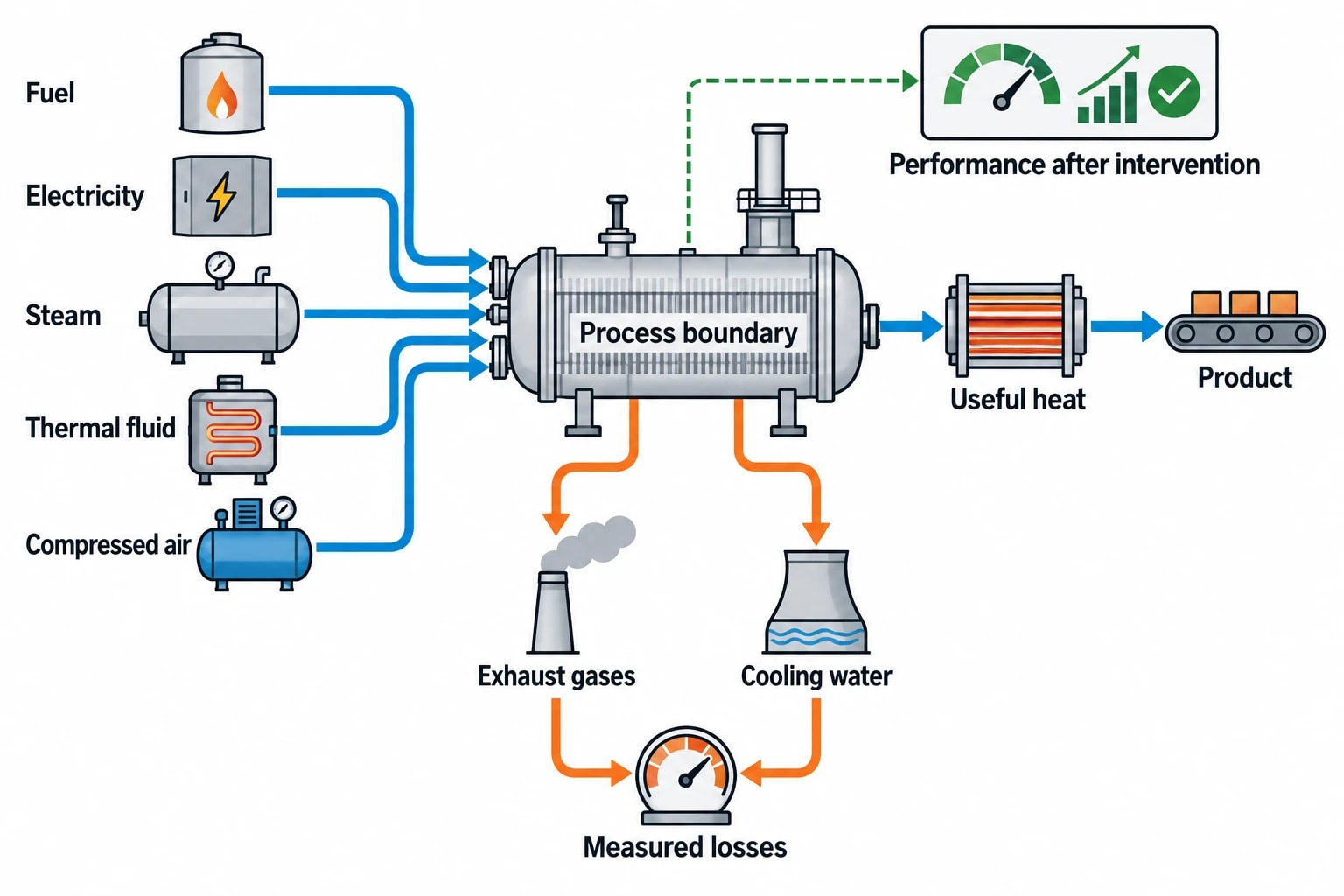
A useful audit follows the process from fuel input to useful heat delivered to the product or production step. It identifies losses to exhaust gases, cooling water, building fabric, leaks, hot surfaces, unnecessary venting and poorly controlled operation.
The ESOS reporting cycle has raised the standard of evidence
The Energy Savings Opportunity Scheme requires qualifying large undertakings to assess energy used in buildings, transport and industrial processes. The Energy Savings Opportunity Scheme (Amendment) Regulations 2023 introduced action plans and annual progress reporting.
For Phase 3 participants, the second progress update is due by 5 December 2026. Auditable evidence of implementation is therefore increasingly valuable. A project list alone gives limited insight into whether a plant has reduced energy intensity or whether production conditions have changed.
For thermal operations, the evidence base normally needs to show:
- Significant energy consumption and the relevant process boundary.
- Fuel, electricity, steam, thermal fluid and compressed-air inputs where relevant.
- Production output, product mix and operating hours.
- Measured loss mechanisms and control limitations.
- Recommended actions, expected savings, costs, risks and implementation timing.
- Performance after an intervention, adjusted for meaningful changes in output or operating conditions.
The audit becomes part of a management process rather than a one-off compliance exercise.
PAS 51215-1:2025 supports broader assessment work
PAS 51215-1:2025, Energy and decarbonisation assessment - Part 1: Process - Specification, provides a UK framework for energy and decarbonisation assessments. BSI lists its publication date as 28 February 2025. The specification is voluntary for ESOS Phase 4 net-zero considerations, but it gives plant teams a practical structure for connecting energy opportunities with Scope 1 and 2 emissions.
For process heat optimisation, this matters because some measures reduce fuel immediately, while others prepare a site for later electrification or heat recovery. Lowering a dryer’s heat demand before considering a heat pump, for example, can reduce the size and operating burden of subsequent equipment.
Identify where your plant is losing energy and quantify the savings potential — our audits map every heat source, sink, and waste stream in your facility.
Where industrial process heat losses occur
Heat-loss audits work best when they distinguish between unavoidable thermodynamic losses and losses created by equipment condition, design or operation. A process needs a defined amount of heat to raise product temperature, evaporate water or complete a reaction. The audit should focus on energy that does not contribute to that requirement.
Generation and distribution losses
Boiler and thermal-fluid systems need examination beyond rated efficiency. A plant may operate at low load, cycle excessively or maintain pressure above the process requirement. Flue-gas oxygen, stack temperature, blowdown practice, feedwater temperature and burner modulation can show where fuel leaves the system without useful work.
Steam distribution often contains several visible and hidden losses:
- Failed steam traps that pass live steam or block condensate.
- Leaking valves, flanges and pressure-reducing stations.
- Missing, wet or damaged insulation.
- Uninsulated fittings and valves with high surface temperatures.
- Flash steam released without a recovery route.
- Condensate discharged rather than returned at useful temperature.
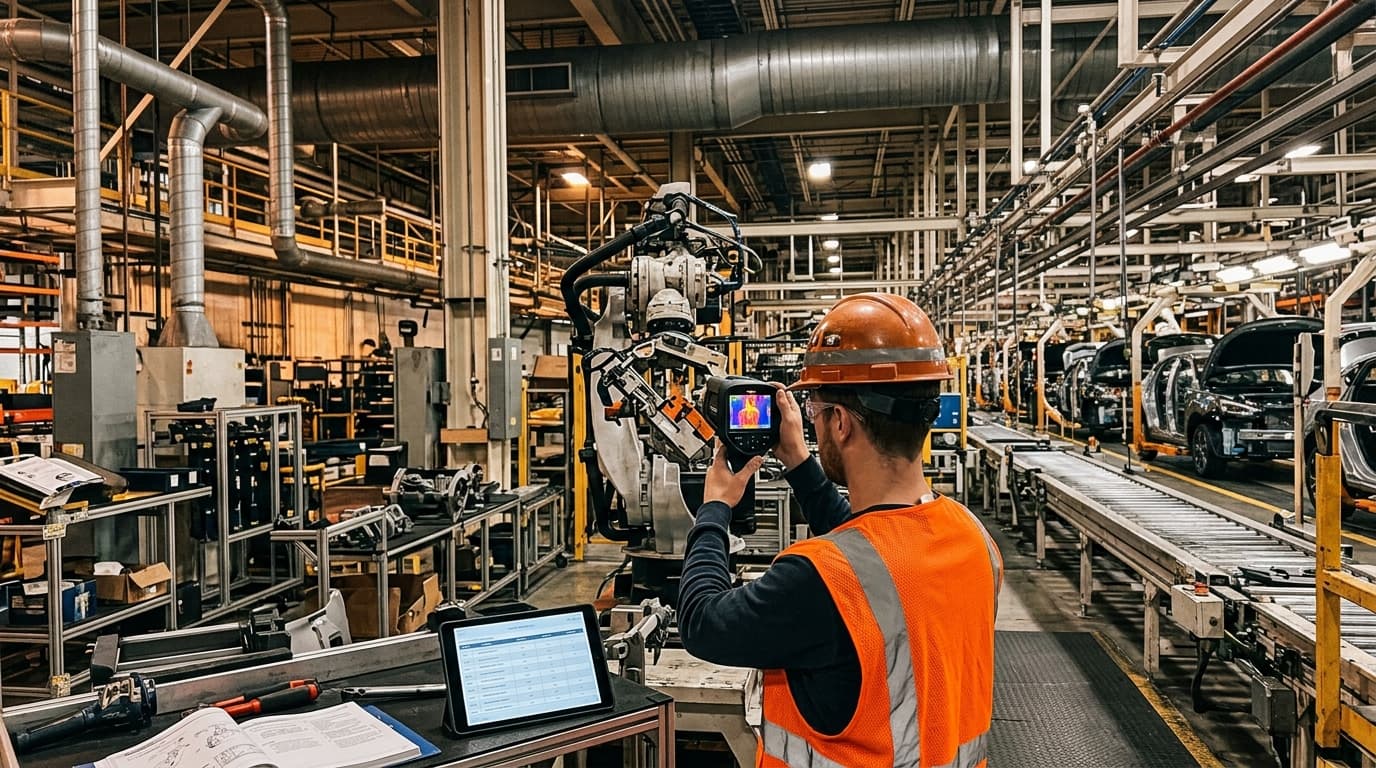
Thermal imaging can identify hot surfaces, but it does not establish annual energy loss alone. Inspectors need surface temperature, ambient conditions, insulation condition, operating hours and equipment geometry before assigning a credible priority.
Process-use losses
The largest opportunities often sit at the point of use. Food and beverage plants may find oversized clean-in-place heating loops, poorly controlled steam injection or high-temperature wash stages. Chemical sites may identify reactors held at temperature during avoidable idle periods. Paper and pulp operations may find imbalance between drying demand and steam supply. Pharmaceutical sites can examine clean-steam generation, sterilisation cycles and heat-transfer performance without compromising validated conditions.
The right question is not whether a vessel or dryer is hot. It is whether the supplied heat matches the process duty at each stage of the production cycle.
Recovery losses
Many plants reject heat because its temperature, timing or location does not match current demand. Heat recovery becomes feasible where auditors map both sides of the opportunity: the heat source and the heat sink.
Potential sources include exhaust gases, hot condensate, dryer exhaust, cooling circuits and product leaving a thermal stage. Potential sinks include boiler feedwater, incoming process water, pre-heating, space heating and cleaning systems. Temperature profiles, contamination risk, cleaning requirements and batch timing determine whether recovery can operate reliably.
Pinch analysis can help teams identify the theoretical and practical scope for heat recovery across multiple hot and cold streams. It should follow reliable data collection. Incorrect temperatures, assumed flow rates or unrealistic simultaneous operating conditions can produce an attractive heat-recovery concept that the plant cannot use.
A process heat audit needs measured plant data
A site energy balance provides a starting point, not an end point. Gas-meter data can reveal total consumption, but process heat optimisation requires operational context.
Set the audit boundary around the production process
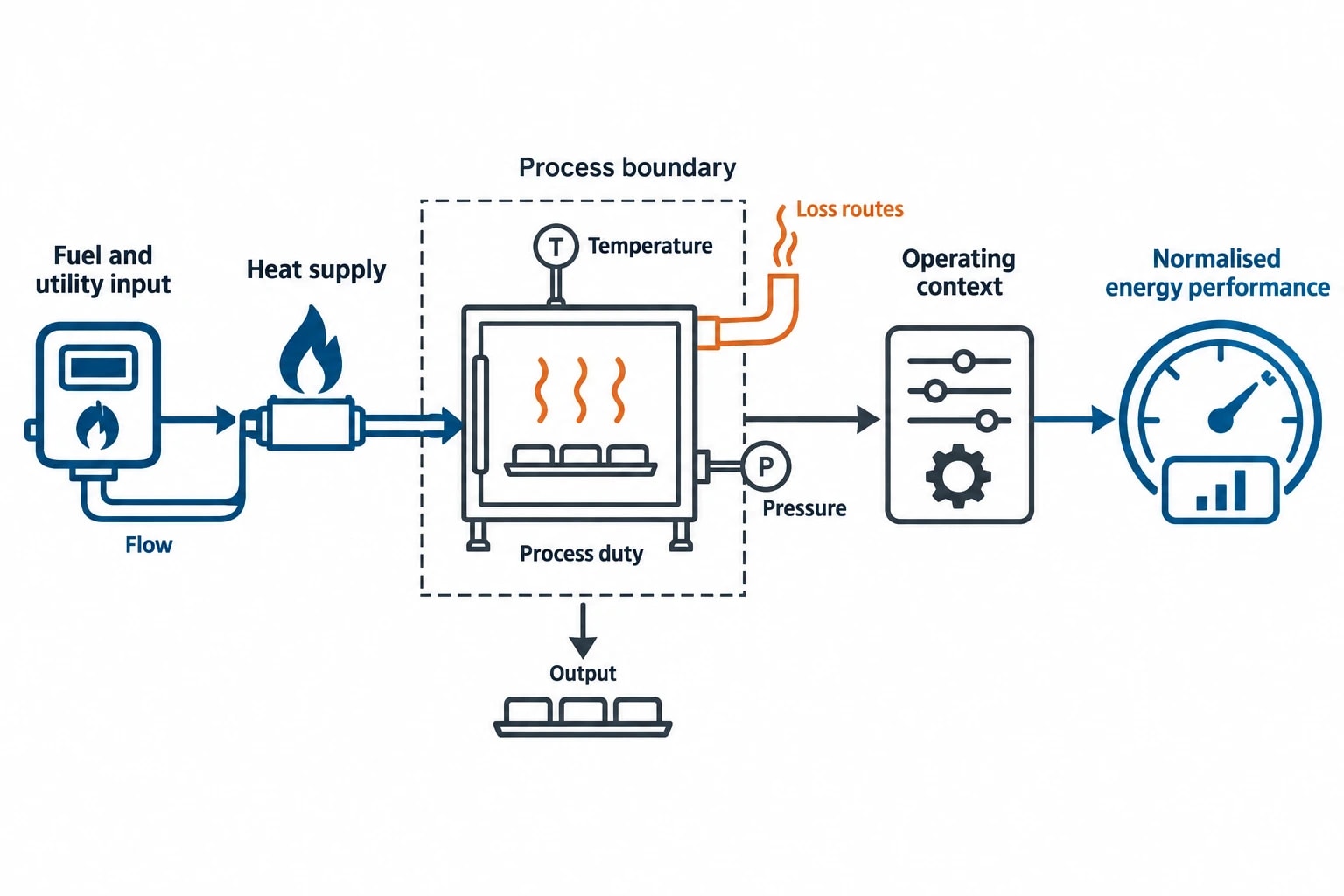
Auditors should define the process boundary before collecting data. For a bakery oven, that may include gas supply, combustion air, oven zones, exhaust, product throughput and warm-up. For a paper dryer section, it may include steam headers, condensate return, hoods, ventilation and machine speed. For a batch reactor, the boundary may include jacket supply and return temperatures, agitation, reaction time, hold time and product mass.
A practical data plan includes:
| Measurement area | Useful audit evidence |
|---|---|
| Fuel and utility input | Gas, electricity, steam or thermal-fluid consumption by time period |
| Heat supply | Temperature, pressure, flow, boiler load and return conditions |
| Process duty | Product mass, batch size, line speed, moisture removal or production hours |
| Loss routes | Flue-gas temperature, hot surfaces, exhaust flow, vents and cooling loads |
| Operating context | Setpoints, recipes, changeovers, downtime and maintenance status |
Production normalisation is particularly important. Comparing gas per tonne can be useful where product mix is stable. A mixed-product site may need separate indicators for different recipes, moisture contents, grades or thermal cycles. Energy performance indicators should reflect the physical process rather than an accounting convenience.
Monitor utility quality as well as quantity
The Energy Efficiency Best Available Techniques Reference Document highlights the importance of monitoring both the quantities and qualities of energy vectors. For steam and hot-water systems, temperature and pressure can be as important as consumption. A pressure drop at a critical user, high condensate temperature at a drain, or a return line that fluctuates with production can reveal problems that a main meter cannot show.
Continuous monitoring also helps teams separate routine variation from genuine deterioration. A rising fuel-to-output ratio may result from colder incoming water, a product change, higher moisture content, fouling, maintenance work or a control fault. Plant records need enough detail to investigate the cause.
Ecolog consumption monitoring and process optimisation tools can bring utility and process information into the same operational view. They help engineers relate energy use to production conditions and identify the part of the system that needs inspection.

Identify where your plant is losing energy and quantify the savings potential — our audits map every heat source, sink, and waste stream in your facility.
Prioritising heat-loss projects without harming production
Heat-loss measures should be ranked by more than estimated energy saving. A technically sound audit considers process risk, food safety, product quality, maintenance access, shutdown windows and the site’s decarbonisation plan.
Start with operational and maintenance actions
Many early actions do not require major capital expenditure. Typical examples include repairing steam leaks, restoring insulation, testing traps, correcting control setpoints, improving boiler sequencing and eliminating avoidable warm-up or standby periods.
These measures should still have an owner, completion date and verification method. A repaired steam leak can reappear, while a setpoint change may be overridden during a production upset. A maintenance action becomes an enduring energy saving only if plant procedures keep it in place.
Assess capital projects against the actual heat demand
Larger projects may include condensate recovery, economisers, heat exchangers, burner upgrades, thermal storage, dryer modifications or heat-recovery systems. Their business case depends on the measured load profile and the quality of available heat.
A heat exchanger may save fuel only while its source and sink operate together. A large condensate project may underperform if return quality is poor or process demand is intermittent. Audit reports should state these dependencies plainly, including the production and maintenance conditions required for performance.
Verify savings after implementation
Verification turns an audit recommendation into evidence. Teams should establish a baseline period, record the production variables that affect consumption and define the post-project review period. The approach must account for changes in throughput, product specification, shift pattern and weather where those variables affect the process.
ISO 50001:2018 provides a recognised framework for setting energy baselines and energy performance indicators within an energy management system. It supports sustained improvement by requiring organisations to measure results, review performance and take corrective action.
Environmental permits make continuous heat monitoring relevant
For Part A(1) industrial installations in England, the Environmental Permitting Regulations 2010 require operators to demonstrate energy-efficiency measures when obtaining and complying with environmental permits. Environment Agency guidance recognises energy management systems such as ISO 50001:2018 and the relevant techniques in the Energy Efficiency BREF.
This makes process heat data more than a cost-control tool. It can support evidence that an operator understands its significant energy uses, maintains equipment, reviews energy performance and considers best available techniques during permit applications and reviews.
What good evidence looks like
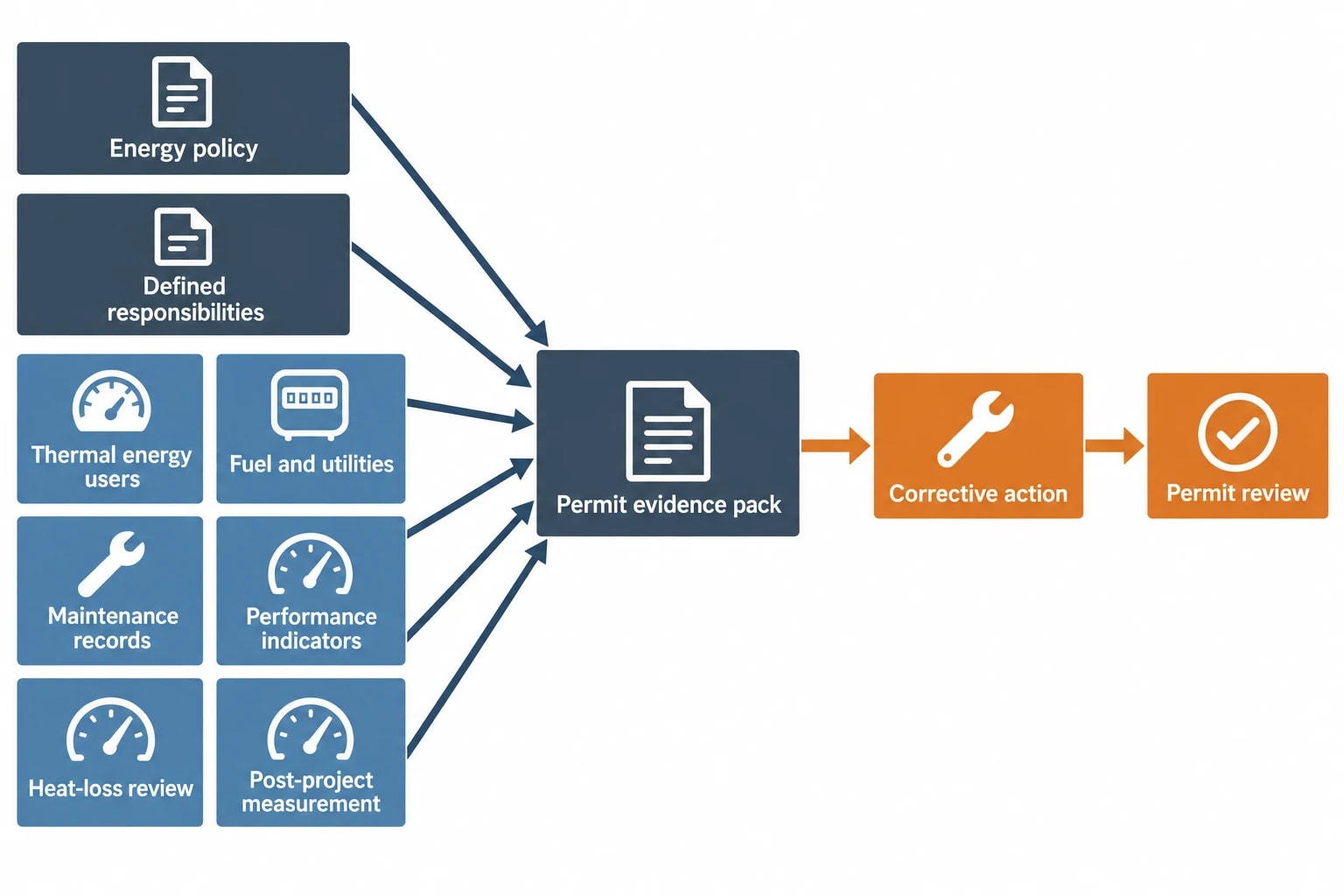
A permit-facing evidence pack should connect management intent with plant-level records. It may include:
- An energy policy and defined responsibilities.
- An inventory of significant thermal energy users.
- Metering and monitoring records for fuel and utilities.
- Inspection and maintenance records for boilers, steam systems and insulation.
- Energy performance indicators tied to output or process duty.
- Documented reviews of heat-loss opportunities and implemented actions.
- Results from post-project measurement.
Engineers can explain why the plant uses a given quantity of heat, what has changed, how they identified losses and what corrective action they took.
The practical next step for UK energy-intensive plants
The strongest process heat optimisation programmes begin with one representative process rather than a site-wide exercise built on assumptions. Select a line with high fuel consumption, a known production constraint or recurring maintenance issues. Meter it where practical. Observe it across normal running, changeovers, warm-up and shutdown. Compare useful process demand with the heat supplied.
That investigation can expose measures with rapid payback, identify projects needing further design work and create a defensible baseline for ESOS, permit compliance and capital planning.
This article reflects the independent analysis and editorial opinion of EnerTherm Engineering. Product names, trademarks, and brands mentioned belong to their respective owners. EnerTherm Engineering is not affiliated with, endorsed by, or a licensee of any third-party software or product mentioned unless explicitly stated.

Managing Director — EnerTherm Engineering
Dr. François Pierrel is Managing Director of EnerTherm Engineering with over two decades of expertise in thermal design, heat transfer, and industrial energy optimisation. He holds a PhD in Heat Transfer from Cranfield University and a Post-Doctorate from Heriot-Watt University.
