ISO 50001: Saving 15-25% in Pharmaceutical Plants
Applying GAMP 5 validation to secure ISO 50001:2018 data and meet SECR requirements.
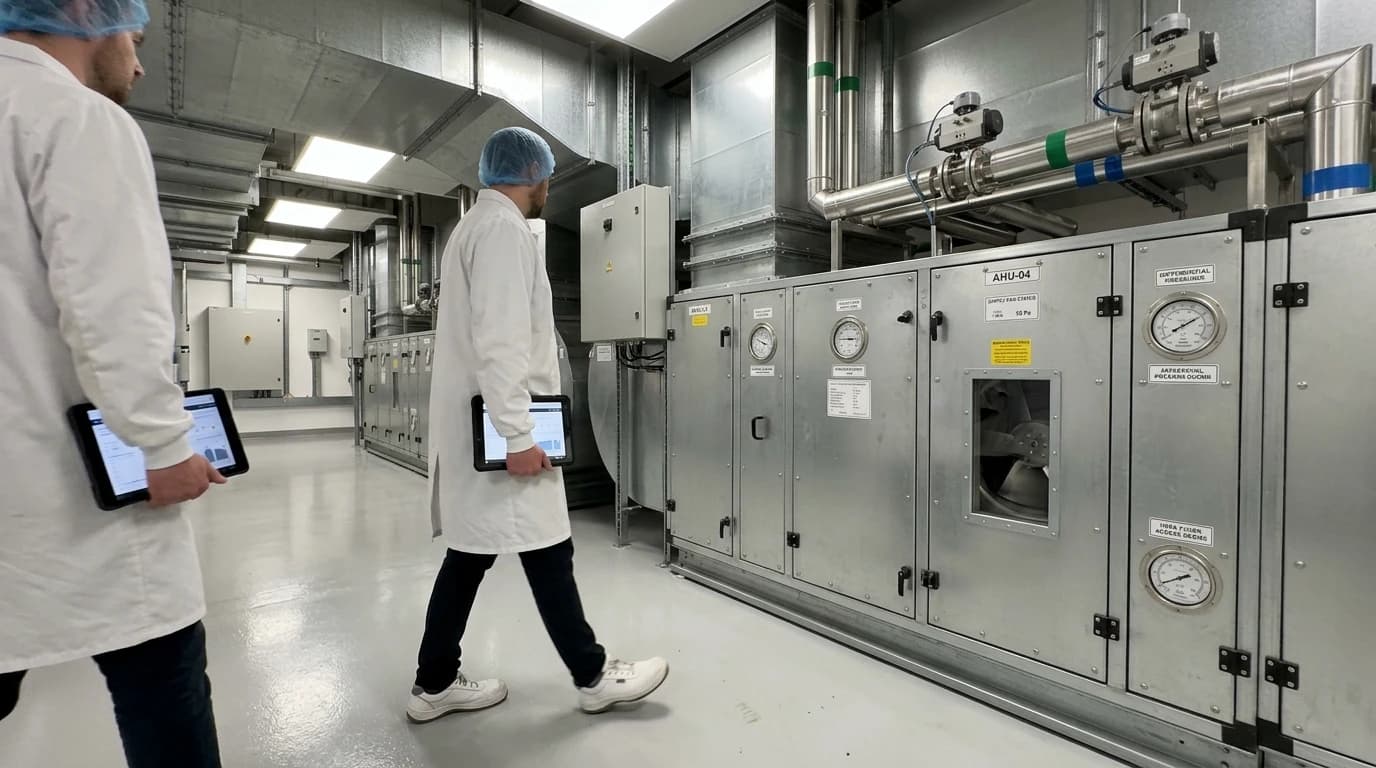
For pharmaceutical manufacturers in the United Kingdom, energy consumption represents a massive, highly regulated overhead where cleanroom heating, ventilation and air conditioning (HVAC) systems can consume over 70 per cent of total site power. In sterile and non-sterile manufacturing environments, contamination control and product safety always take precedence over utility cost reduction. This strict priority often makes standard energy-saving interventions difficult to implement, as quality assurance (QA) teams reject any changes that could alter air change rates, room pressurisation or temperature baselines. However, escalating energy costs and tightening carbon reduction targets have made inefficient utility operations unsustainable. By implementing a structured Energy Management System (EnMS) certified to international standards, manufacturers can reconcile these competing demands. Successfully achieving an ISO 50001 certification pharmaceutical industry standard allows facilities to safely uncover energy savings of 15 to 25 per cent without compromising regulatory validation or product quality.
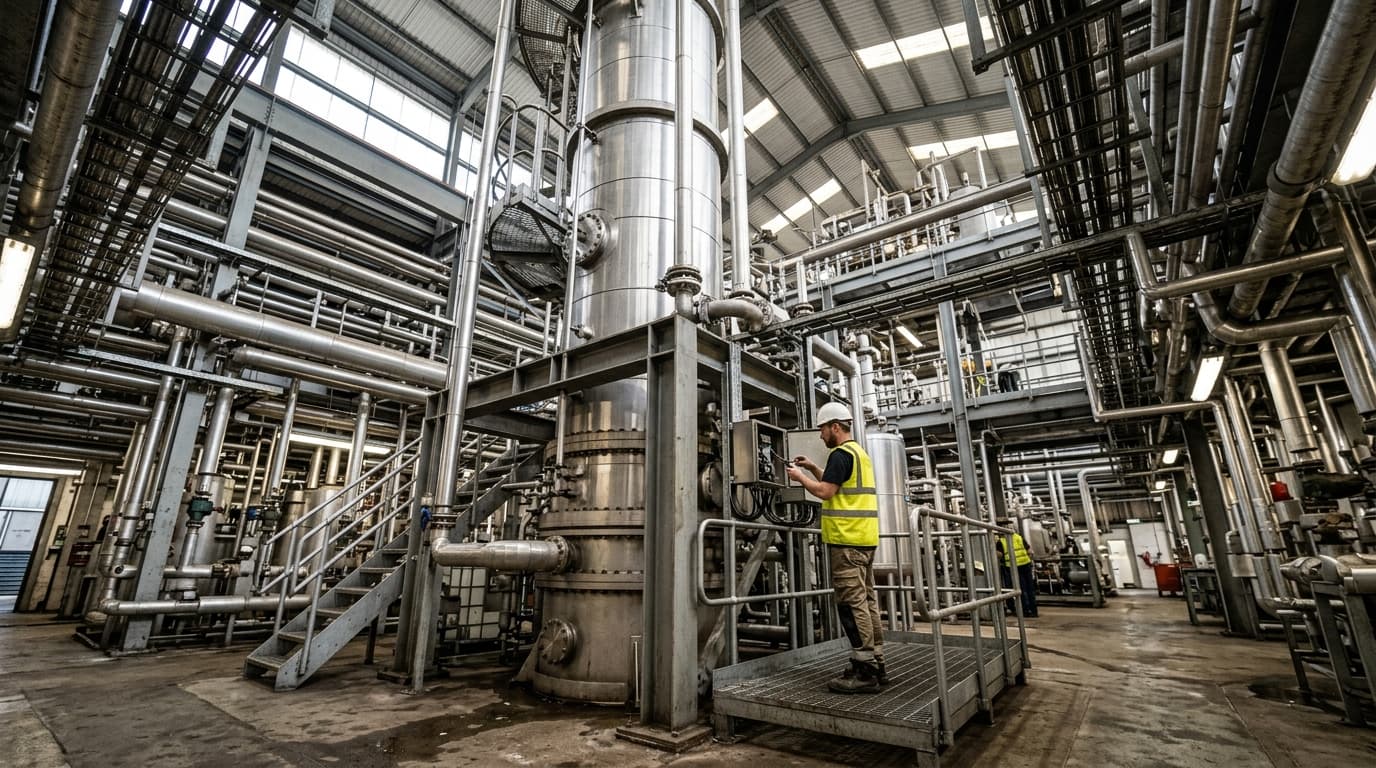
Omni Vision delivers turnkey utility metering, CO2 tracking, and AI-powered production KPI intelligence — giving you real-time dashboards and actionable insights across your entire facility.
Decarbonisation Regulations: Compliance with SECR, ESOS, and ISO 50001:2018

Aligning with UK Streamlined Energy and Carbon Reporting (SECR)
Under the UK Government Streamlined Energy and Carbon Reporting (SECR) framework, large pharmaceutical manufacturers must disclose their annual energy consumption and greenhouse gas emissions. This mandate requires organisations to report Scope 1 and Scope 2 emissions alongside a chosen intensity metric, such as emissions per thousand packaged units. Generating the necessary audit-ready data trails for SECR requires a structured, repeatable methodology. Manual collection of monthly billing invoices is no longer sufficient, as it lacks the granularity required to identify specific energy-saving measures or verify continuous improvements to auditors. Implementing a certified EnMS provides the precise data collection framework needed to satisfy these statutory requirements.
The Role of ISO 50001:2018 in Continuous Improvement
The ISO 50001:2018 standard establishes a systematic framework based on the Plan-Do-Check-Act (PDCA) cycle, specifically aimed at driving continuous energy performance improvement. Unlike other voluntary standards, ISO 50001:2018 focuses directly on energy efficiency, energy use and consumption. This systematic structure requires plants to identify Significant Energy Uses (SEUs), such as large refrigeration chillers or steam boilers, and establish baseline energy performance. The PDCA cycle ensures that energy performance is not treated as a static project but rather as a continuous corporate commitment. Compliance officers find that the structured documentation and verified savings produced under an ISO 50001 framework are highly valuable during audits for both SECR and the Energy Savings Opportunity Scheme (ESOS).
Transitioning from ESOS Audits to Certified Systems
While ESOS requires large UK organisations to conduct energy audits once every four years, ISO 50001 offers a continuous, certified alternative. Many forward-thinking pharmaceutical operators choose to replace periodic ESOS assessments with a full ISO 50001:2018 certification. This transition eliminates the administrative burden of preparing for quadrennial audits by replacing them with an active, certified management system that continuously identifies and addresses utility inefficiencies. By maintaining a certified EnMS, organisations demonstrate to the UK Environment Agency a proactive, continuous commitment to decarbonisation.
Overcoming Hurdles for ISO 50001 Certification in the Pharmaceutical Industry
The High Cost of Cleanroom HVAC and Utility Demands
Cleanroom environments require massive quantities of energy to maintain contamination control. High-efficiency particulate air (HEPA) filters impose significant static pressure, requiring powerful fan motors to operate continuously. In addition, heating, cooling and humidity control are managed around the clock to meet product stability requirements. Historically, many older cleanrooms were designed with excessive safety margins, resulting in air change rates (ACR) that far exceed modern clinical necessity. When energy managers attempt to address these inefficiencies under an ISO 50001 programme, they must find ways to reduce utility demand without altering the environmental classification of the cleanroom.
Preserving GMP Validation and Avoiding System Re-qualification
The most significant barrier to energy efficiency in a pharmaceutical facility is the risk of system re-qualification. Good Manufacturing Practice (GMP) regulations require that all computerised systems and manufacturing processes undergo rigorous validation. If an energy management programme requires writing new logic to an existing Programmable Logic Controller (PLC) or altering the control loops of a validated SCADA system, the entire system must be re-qualified. This process is extremely expensive, labour-intensive and introduces operational risks. Many facility teams choose to leave energy-wasting legacy configurations intact simply to avoid the regulatory complications of re-validation.
Overcoming Data Silos and Spreadsheet Tracking
Many pharmaceutical facilities still rely on manual spreadsheet tracking, creating isolated data silos disconnected from manufacturing operations. Without real-time integration, energy managers cannot correlate energy use with specific batch processes, cleanroom occupancy or environmental factors. To achieve a successful ISO 50001 baseline, facilities must shift from retrospective spreadsheet tracking to centralised, continuous utility telemetry.
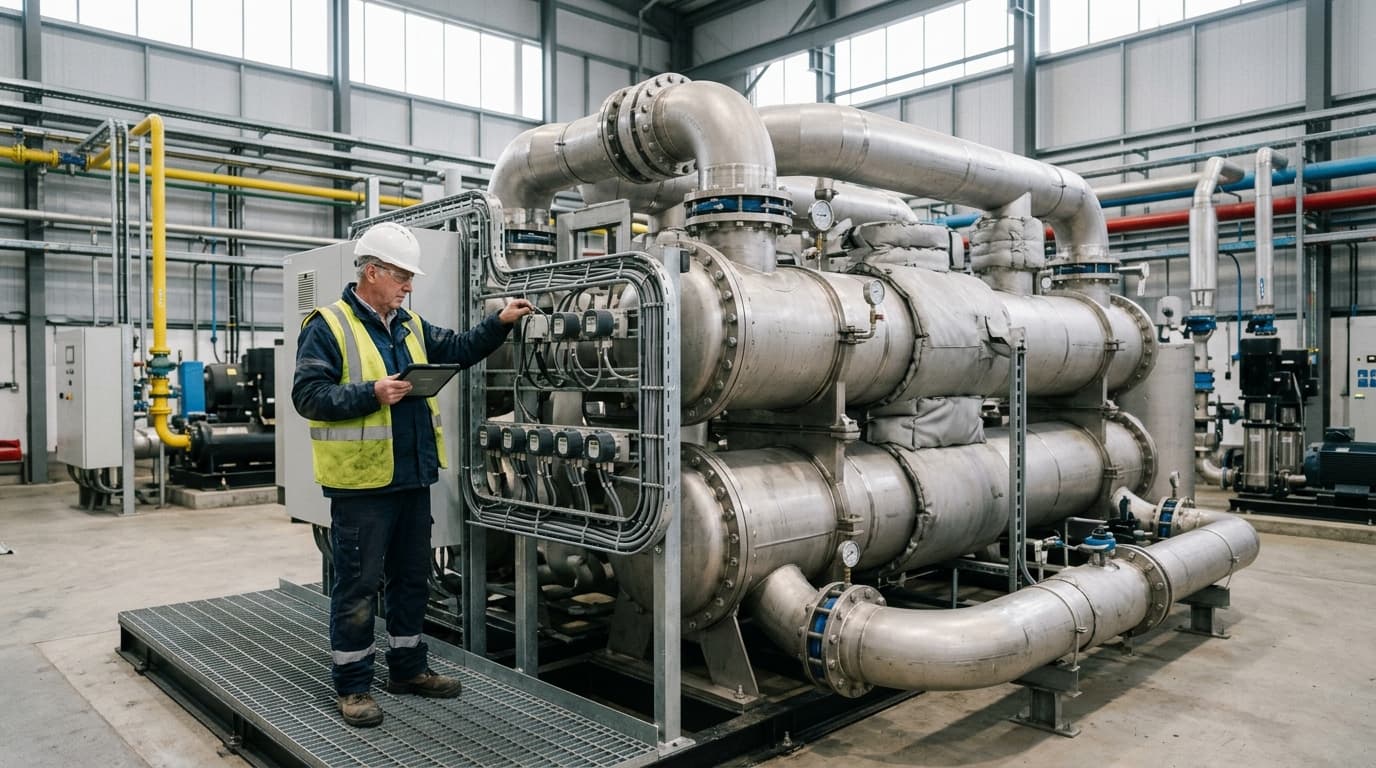
Track energy consumption, emissions, and process parameters with seamless PLC/SCADA integration via Modbus, OPC-UA, and MQTT protocols.
Non-Invasive Data Acquisition: Maintaining GAMP 5 and GMP Validation

The Role of GAMP 5 in Industrial Energy Systems
The International Society for Pharmaceutical Engineering (ISPE) publishes the GAMP 5 Second Edition (2022) guidance to establish a risk-based framework for computerised system validation. When implementing an energy intelligence platform in a GMP environment, complying with GAMP 5 is a critical requirement. Any software or hardware system that interfaces with production utilities must be classified and validated according to its risk to product quality and data integrity. Because energy monitoring systems collect data rather than control the manufacturing process directly, they are typically classified under GAMP 5 Category 4 as configurable software. Proving that the energy system has no active feedback loop into the validated manufacturing equipment is essential for a simplified, low-risk validation process.
Securing GMP Data Integrity with Read-Only Architecture
To eliminate the risk of modifying validated processes, process engineers must select energy monitoring platforms that employ strict, hardware-enforced read-only architecture. By ensuring that the energy platform has zero-write access to the plant's PLCs and SCADA networks, the validated status of existing systems remains completely untouched. One-way, encrypted data flows prevent any possibility of remote interference or unauthorised modification of critical process parameters. This design allows energy data to be extracted, analysed and reported while fully satisfying the requirements of FDA 21 CFR Part 11 and EU GMP Annex 11.
Utilising Standardised Industrial Protocols
Data acquisition in a pharmaceutical setting must rely on established, secure communication protocols. Industry professionals typically select protocols such as OPC UA, Modbus, BACnet and MQTT to bridge the gap between operational technology (OT) and enterprise IT systems.
- OPC UA: Often selected for its robust security features, including digital certificates and cryptographic signing, ensuring secure, read-only data access from PLCs.
- Modbus: Widely used for extracting electrical and thermal data from individual sub-meters.
- BACnet: The standard protocol for interfacing with building management systems (BMS) to capture HVAC and environmental control data.
- MQTT: A lightweight, publish-subscribe protocol ideal for transmitting high-frequency utility telemetry to cloud analytics engines.
Technical Architecture: The Omni Vision Energy Intelligence Platform

Turnkey Deployment Timeline and Architecture
The Omni Vision Energy Intelligence Platform is engineered to resolve the conflict between pharmaceutical regulatory compliance and energy efficiency. EnerTherm Engineering delivers this system via a standardised 8 to 16-week turnkey deployment model. This model begins with detailed physical site surveys to identify utility distribution lines and map existing PLC and sensor networks. Because the platform integrates non-invasively, installation and commissioning require no plant downtime or interruption of validated manufacturing cycles. Precision hardware, including dedicated sub-meters and secure edge gateways, is installed to capture granular, real-time telemetry.
Real-Time Utility Monitoring of Six Core Streams
To achieve full visibility under the ISO 50001 framework, the Omni Vision platform continuously tracks electricity, gas, water, steam, compressed air and oil:
- Electricity: Real-time demand monitoring at the cleanroom, chiller and process equipment levels.
- Gas: Volumetric flow tracking on steam-generating boilers and process heaters.
- Water: Continuous flow monitoring for purified water (PW) and water-for-injection (WFI) generation.
- Steam: Thermal energy tracking for sterilisation, clean-in-place (CIP) and space heating.
- Compressed Air: Constant pressure and flow tracking to detect system leaks and air compressor inefficiencies.
- Oil: Fuel tracking for back-up generators and auxiliary heating units.
| Utility Management Metric | Traditional Spreadsheet Tracking | Omni Vision Platform Integration |
|---|---|---|
| Telemetry Ingestion | Weekly or monthly manual bill entry | Continuous, real-time sub-metering |
| Operational Context | Unlinked to batch numbers or recipes | Synchronised with MES and ERP databases |
| Baseline Calculations | Static historical averages | Dynamic baselines aligned with ISO 50006:2023 |
| Protocol Support | None; data remains locked in regional silos | Native OPC UA, Modbus and BACnet integration |
| Regulatory Compliance | Prone to human transcription errors | Audit-ready reports for SECR and ISO 50001 |
EPSA AI Cloud Engine and Batch-Linked Performance Mapping
The raw telemetry captured by the Omni Vision platform is transmitted over secure, unidirectional channels to EPSA’s cloud-based AI analytics engine. Here, the software executes complex thermodynamic algorithms and machine learning models to identify anomalies and waste. A key feature of this integration is the ability to link utility consumption with production context, such as batch numbers, product recipes or manufacturing runs. By synchronising with manufacturing execution systems (MES) and enterprise resource planning (ERP) databases, the platform calculates production-linked key performance indicators, such as kilowatt-hours per batch or kilograms of steam per litre of finished product. This batch-level tracking enables facilities to move beyond flat, building-wide energy averages and establish dynamic baselines in strict accordance with the ISO 50006:2023 standard.
Cleanroom Airflow and HVAC Optimisation Under EU GMP Annex 1
Analysing Air Change Rates Under EU GMP Annex 1
The revised EU GMP Annex 1 regulations mandate strict environmental monitoring controls in sterile manufacturing areas. Historically, cleanroom design safety factors led facilities to run excessively high air change rates around the clock, regardless of actual room activity or occupancy. Running these massive air-handling units continuously at peak performance generates substantial electrical and thermal waste. By integrating real-time environmental data with Omni Vision's energy telemetry, facility managers can establish precise correlations between cleanroom occupancy, particle generation and air change rates.
Unlocking 15 to 25 per cent Utility Savings Safely
Using the data-driven insights provided by the platform, facility engineers can safely optimise HVAC operations. For example, during non-operational 'at-rest' periods, operators or validated building management systems (BMS) can attenuate air change rates to a safe lower limit during approved change windows, guided by the platform's environmental forecasts and recommendations, while maintaining differential pressure and environmental cleanliness standards. This strategy alone can yield substantial reductions in fan energy and thermal conditioning loads. Furthermore, EPSA's cloud AI engine continuously runs predictive anomaly detection to identify failing steam traps, compressed air leaks or drifting chiller setpoints before they impact the facility's carbon footprint. Identifying a leaking steam trap during a Sterilisation-in-Place (SIP) cycle, for instance, allows maintenance teams to schedule targeted repairs before energy losses accumulate.
Realising Sub-12-Month Return on Investment
By systematically addressing cleanroom HVAC inefficiencies, steam distribution losses and compressed air leaks, pharmaceutical plants consistently achieve overall energy cost reductions of 15 to 25 per cent. In highly regulated manufacturing facilities, these utility savings convert energy from an unmanaged, fixed overhead into a controllable, batch-linked variable. Backed by GAMP-compliant, audit-ready data trails, the resulting utility savings frequently deliver a return on investment (ROI) of under 12 months. The Omni Vision Energy Intelligence Platform thus provides energy managers, compliance officers and sustainability leads with a risk-free, validated path toward ISO 50001 certification and net-zero alignment.
This article reflects the independent analysis and editorial opinion of EnerTherm Engineering. Product names, trademarks, and brands mentioned belong to their respective owners. EnerTherm Engineering is not affiliated with, endorsed by, or a licensee of any third-party software or product mentioned unless explicitly stated.

Technical Manager — EnerTherm Engineering
John Naranjo is Technical Manager at EnerTherm Engineering, bringing specialist expertise in chemical and environmental engineering. He recently led the implementation of Omni Vision, EnerTherm's real-time energy and utility monitoring platform. He holds an MSc in Environmental Engineering from the University of Huelva and a BSc in Chemical Engineering, with memberships in both the Energy Institute and IChemE.
