// IMAGE_UNAVAILABLEThermodynamic Property Package Selection: NRTL or SRK?1662[Heat & Mass Balance for Chemical Processing]Thermodynamic Property Package Selection: NRTL or SRK?Choose NRTL for non-ideal liquids and SRK for high-pressure hydrocarbons, then validate VLE data in DWSIM for reliable simulations.// August 11, 2026Open →
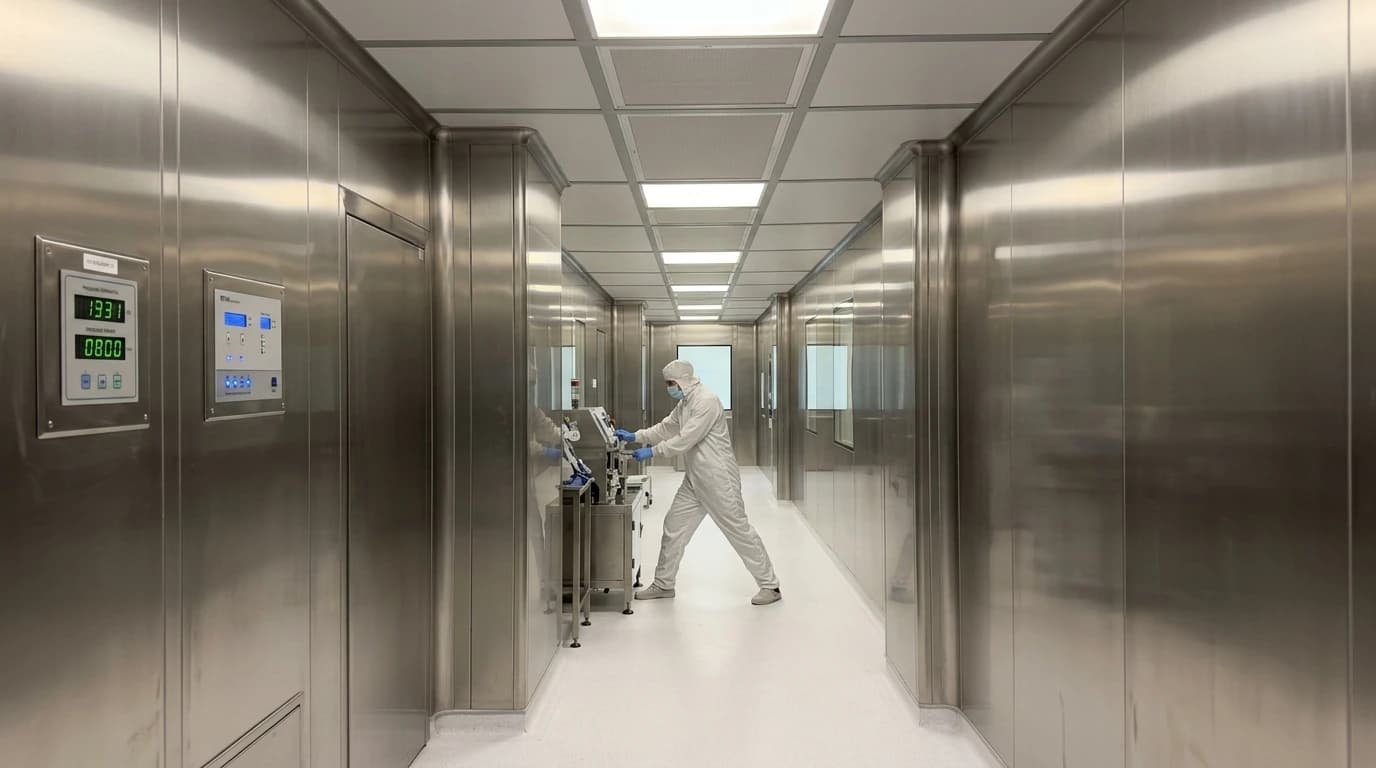
// IMAGE_UNAVAILABLEWhy Cleanroom Heat Recovery Must Control Air Leakage1661[Pinch Analysis for Pharmaceutical]Why Cleanroom Heat Recovery Must Control Air LeakageBS EN 308:2022 guides cleanroom HVAC heat recovery, controlling air leakage, EATR and pressure balance to protect supply air quality.// August 10, 2026Open →
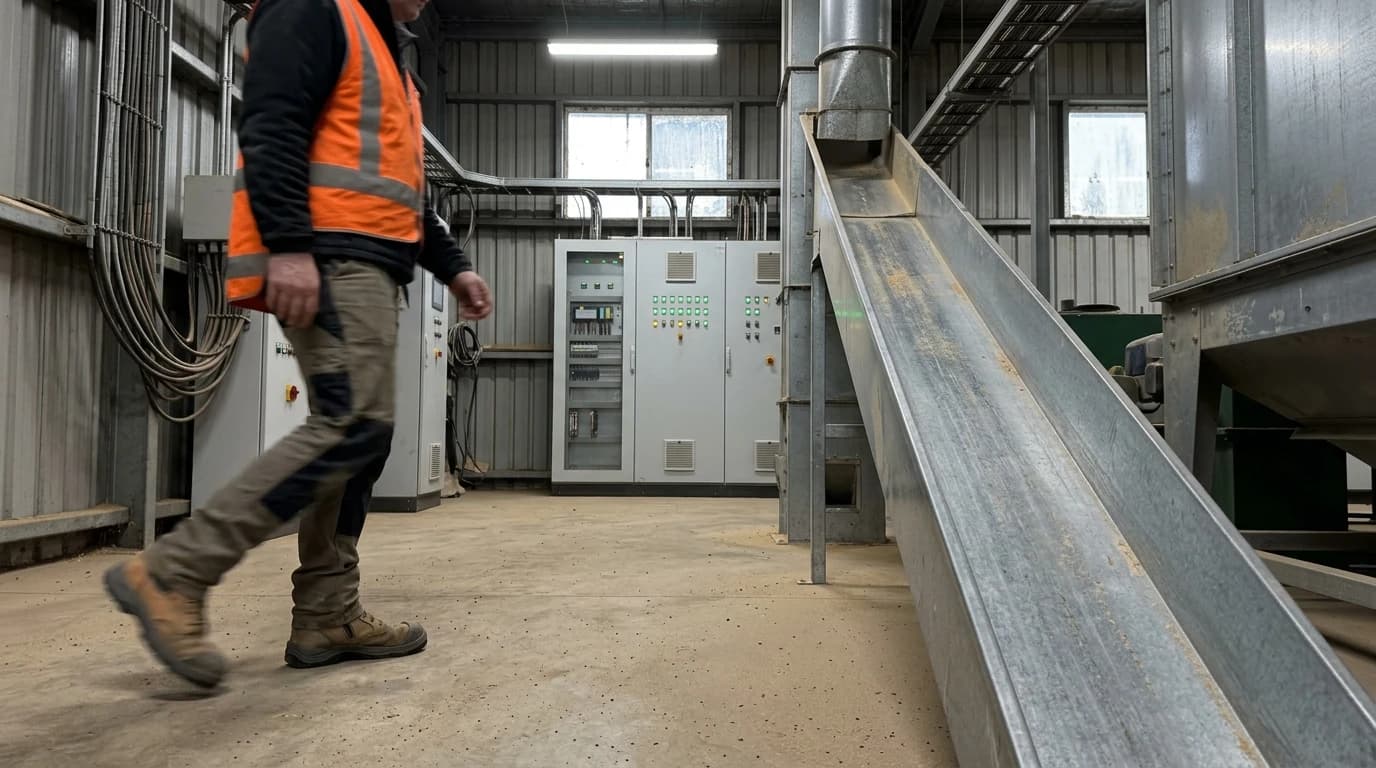
// IMAGE_UNAVAILABLEHow Aspen Plus Maps Steam Losses Across a Kraft Mill1660[Heat & Mass Balance for Paper & Pulp]How Aspen Plus Maps Steam Losses Across a Kraft MillAspen Plus maps steam, condensate and drying losses across kraft mills, guiding BAT 6 heat recovery, pressure matching and fuel savings.// August 10, 2026Open →
// IMAGE_UNAVAILABLEPinch Analysis vs Energy Audit: Which Cuts More Heat?1659[Pinch Analysis for Power Generation]Pinch Analysis vs Energy Audit: Which Cuts More Heat?ESOS Phase 4 requires 95% energy coverage by 5 December 2027. Compare energy audits with pinch analysis to cut process heat costs.// August 10, 2026Open →
// IMAGE_UNAVAILABLEWhy Refineries Set a 20-40°C Minimum Approach Temperature1657[Pinch Analysis for Oil Refining]Why Refineries Set a 20-40°C Minimum Approach TemperatureRefineries use a 20-40°C minimum approach temperature to balance fuel savings, exchanger area, fouling risk and crude preheat run lengths.// August 7, 2026Open →
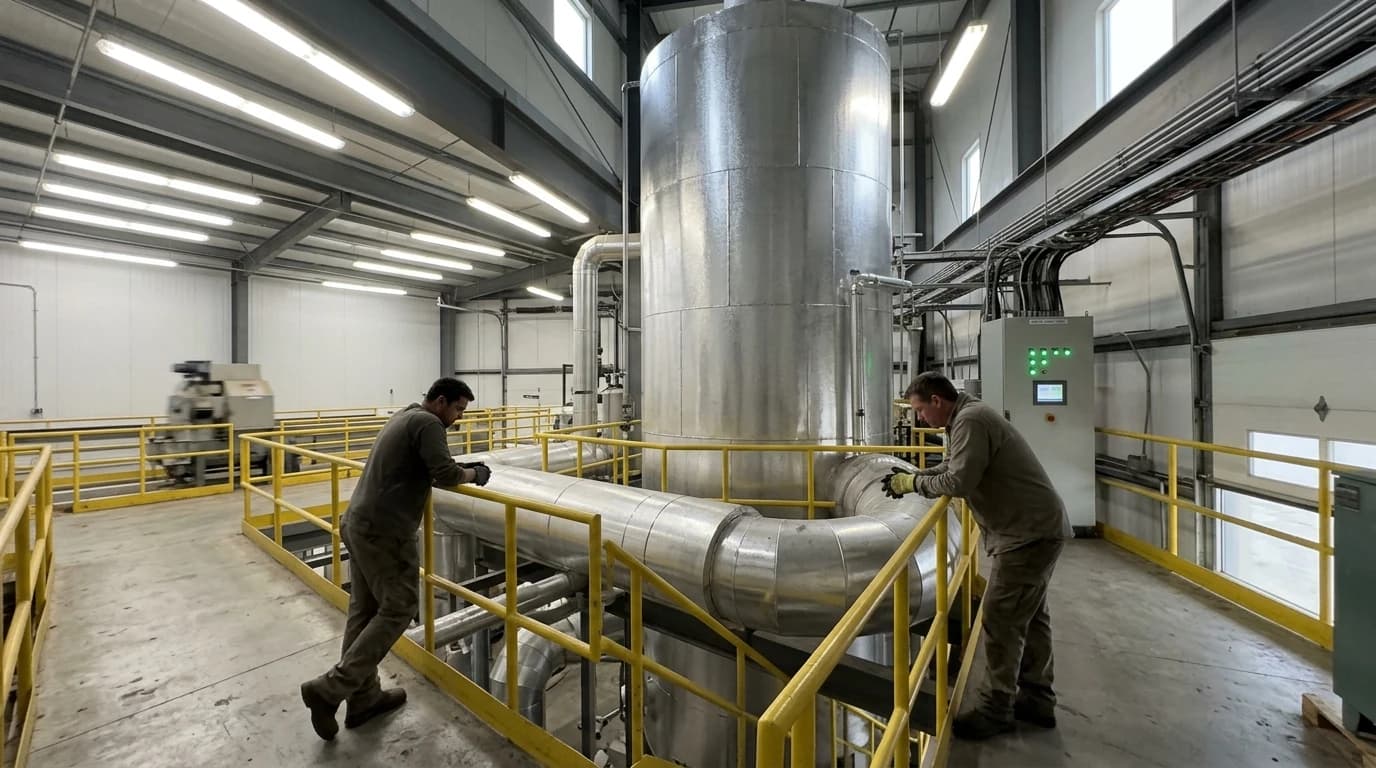
// IMAGE_UNAVAILABLEHow Pulp Mills Use Pinch Analysis to Recover Waste Heat1656[Pinch Analysis for Paper & Pulp]How Pulp Mills Use Pinch Analysis to Recover Waste HeatPinch analysis can cut pulp mill heat demand by up to 39%, recovering dryer exhaust heat, reducing steam and fuel costs, and guiding heat pump use.// August 7, 2026Open →