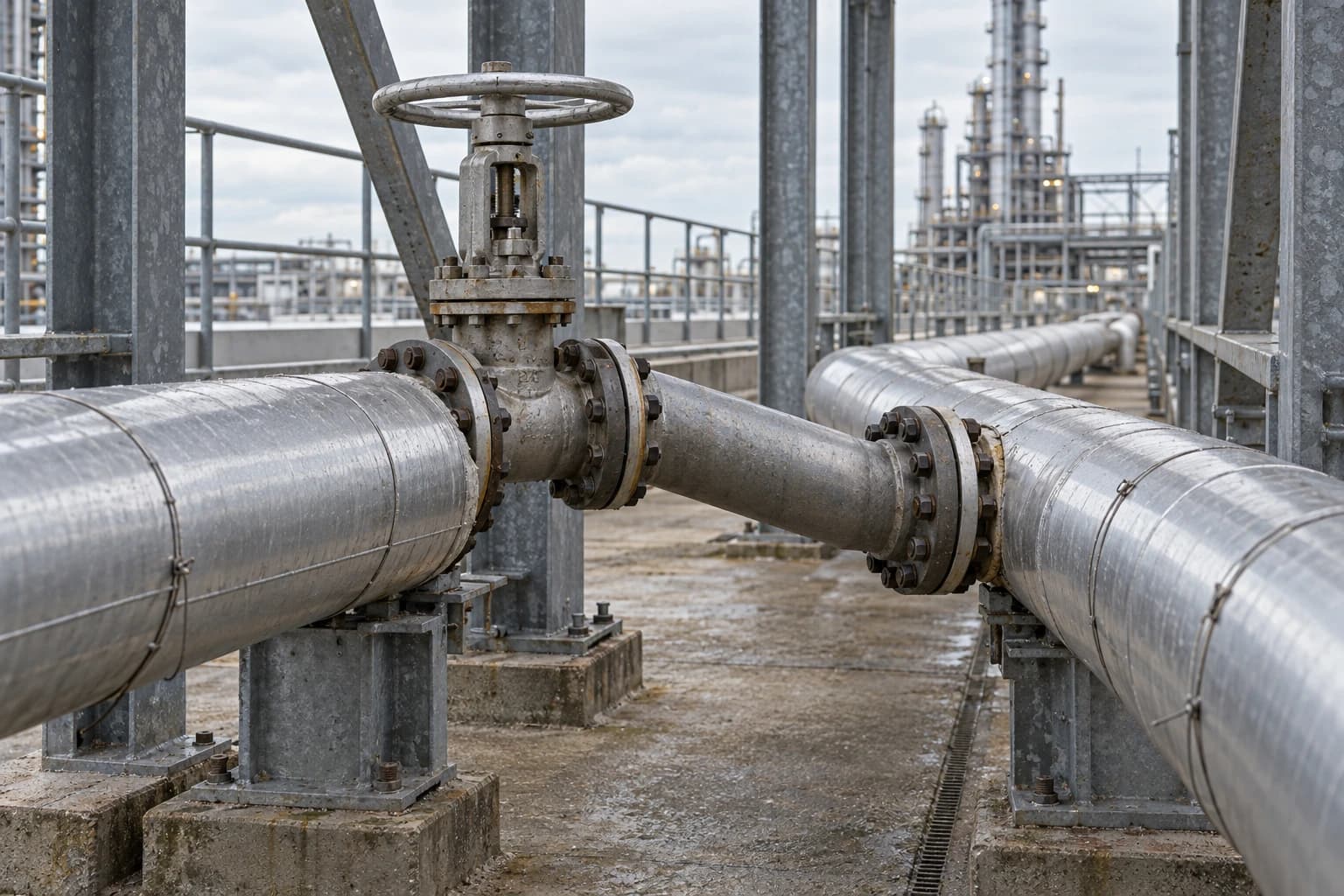
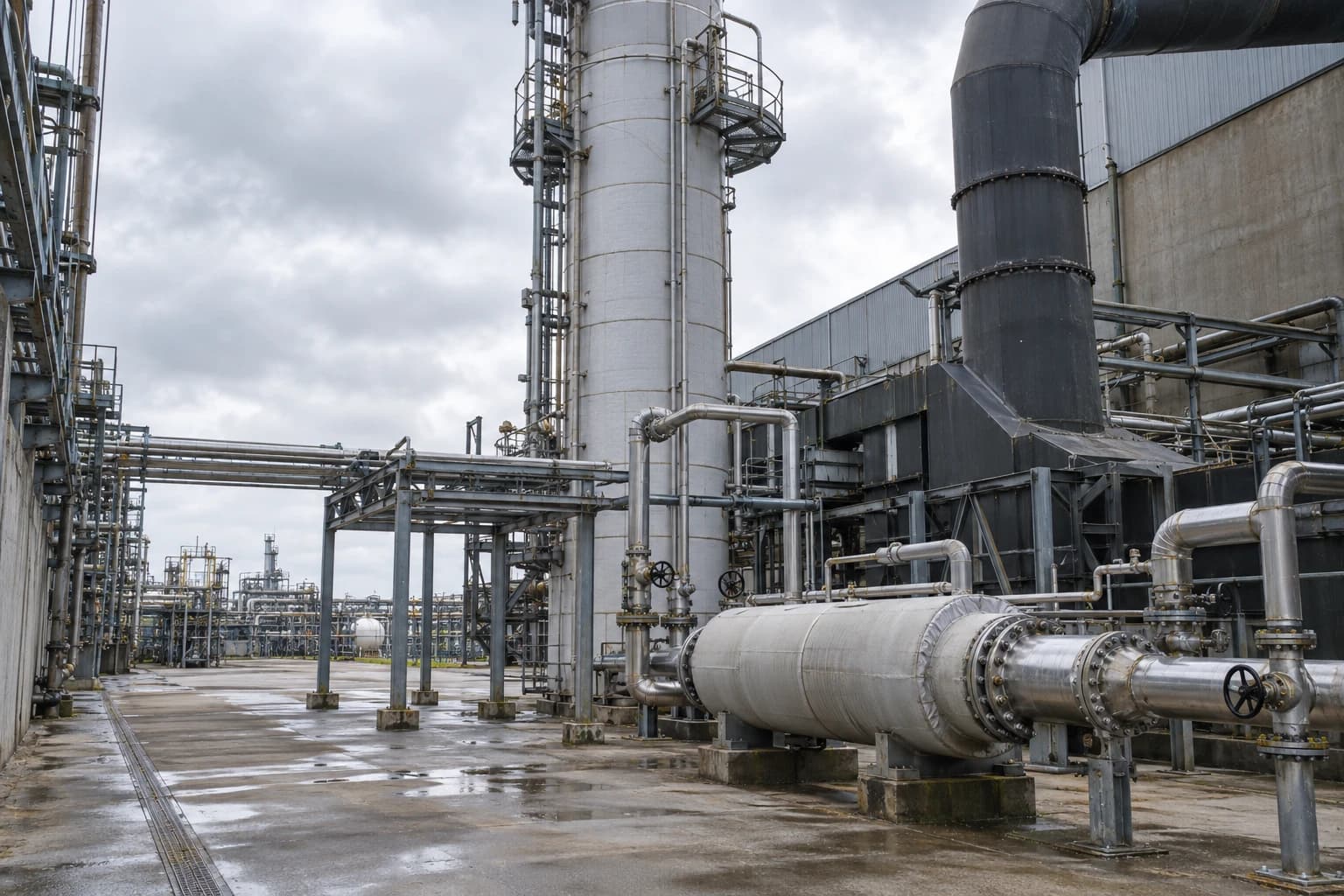
// IMAGE_UNAVAILABLERefinery Debottlenecking: Solving the Network Pinch1735[Pinch Analysis for Oil Refining]Refinery Debottlenecking: Solving the Network PinchRefinery debottlenecking uses pinch analysis and heat integration to boost throughput, cut heater duty and avoid major plant expansion.// September 16, 2026Open →
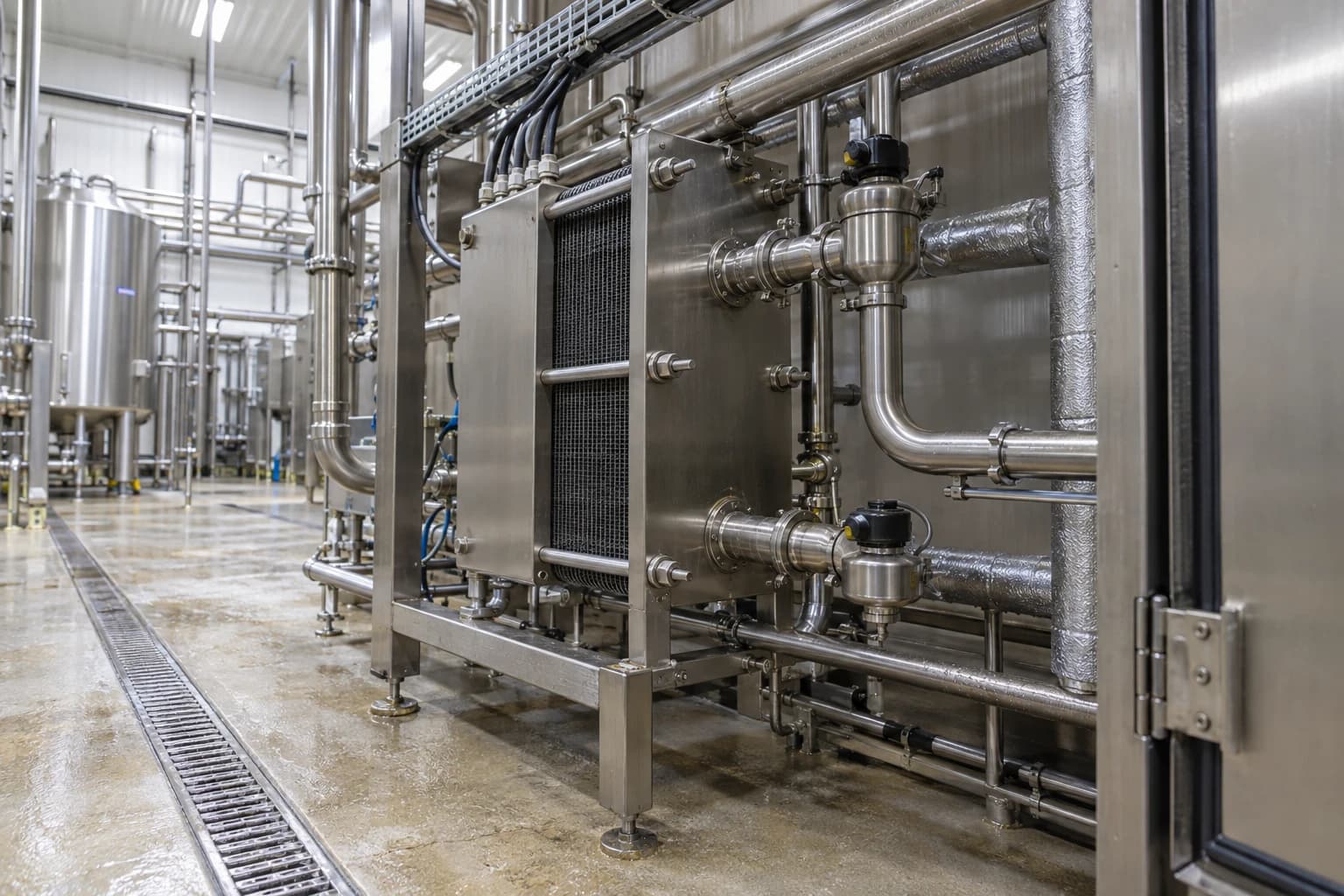
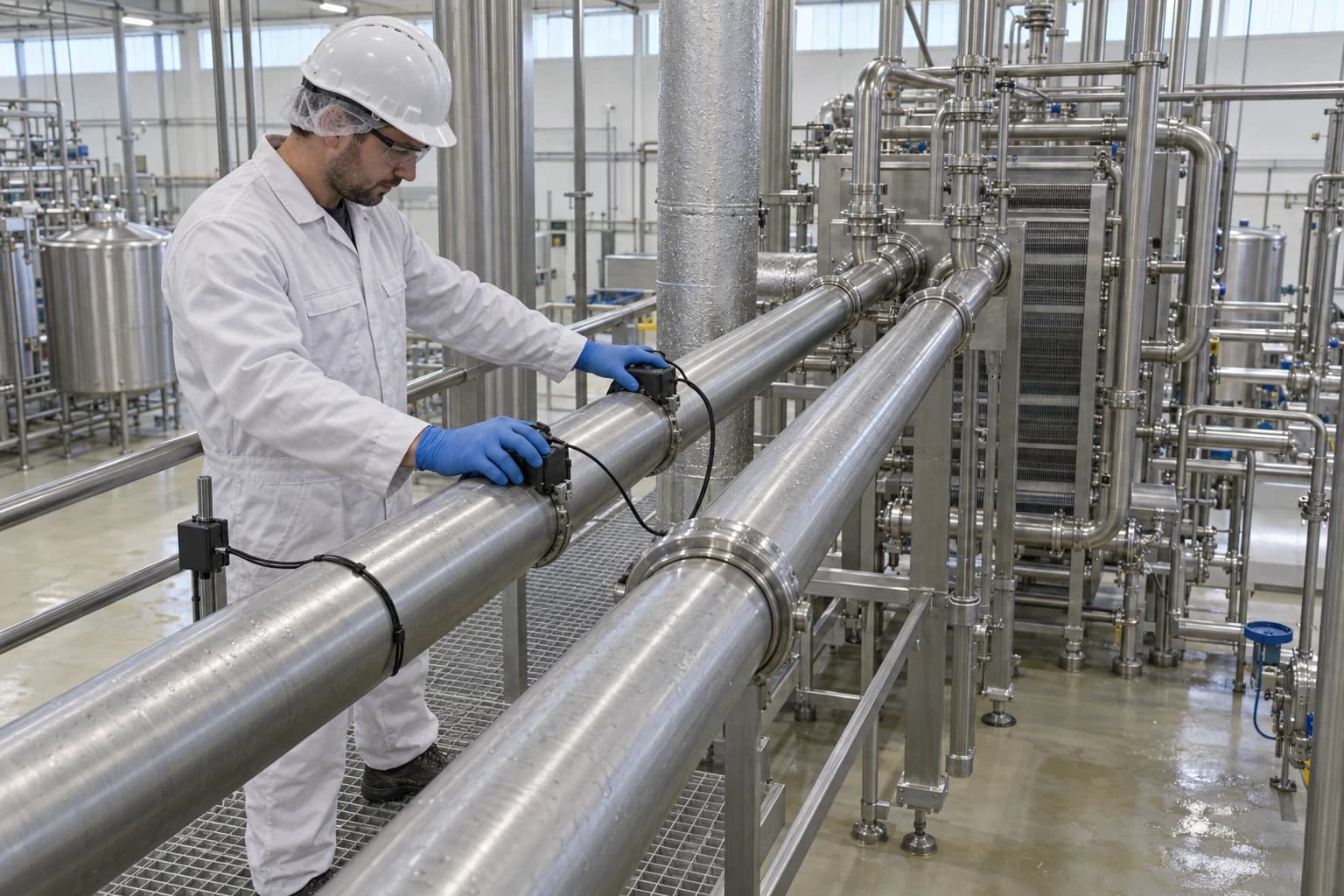
// IMAGE_UNAVAILABLEPasteuriser Heat Recovery: Why 90-94% Regeneration Matters1734[Pinch Analysis for Food & Beverage]Pasteuriser Heat Recovery: Why 90-94% Regeneration Matters90-94% pasteuriser heat recovery cuts steam, refrigeration and gas demand on HTST milk lines while maintaining a validated 72°C target.// September 15, 2026Open →
// IMAGE_UNAVAILABLEProcess Integration Can Cut Electricity Use by up to 12%1733[Pinch Analysis for Chemical Processing]Process Integration Can Cut Electricity Use by up to 12%DESNZ estimates process integration can cut UK paper and pulp fuel-for-heat use by 6-12%, while electricity savings range from -3% to 3%.// September 15, 2026Open →
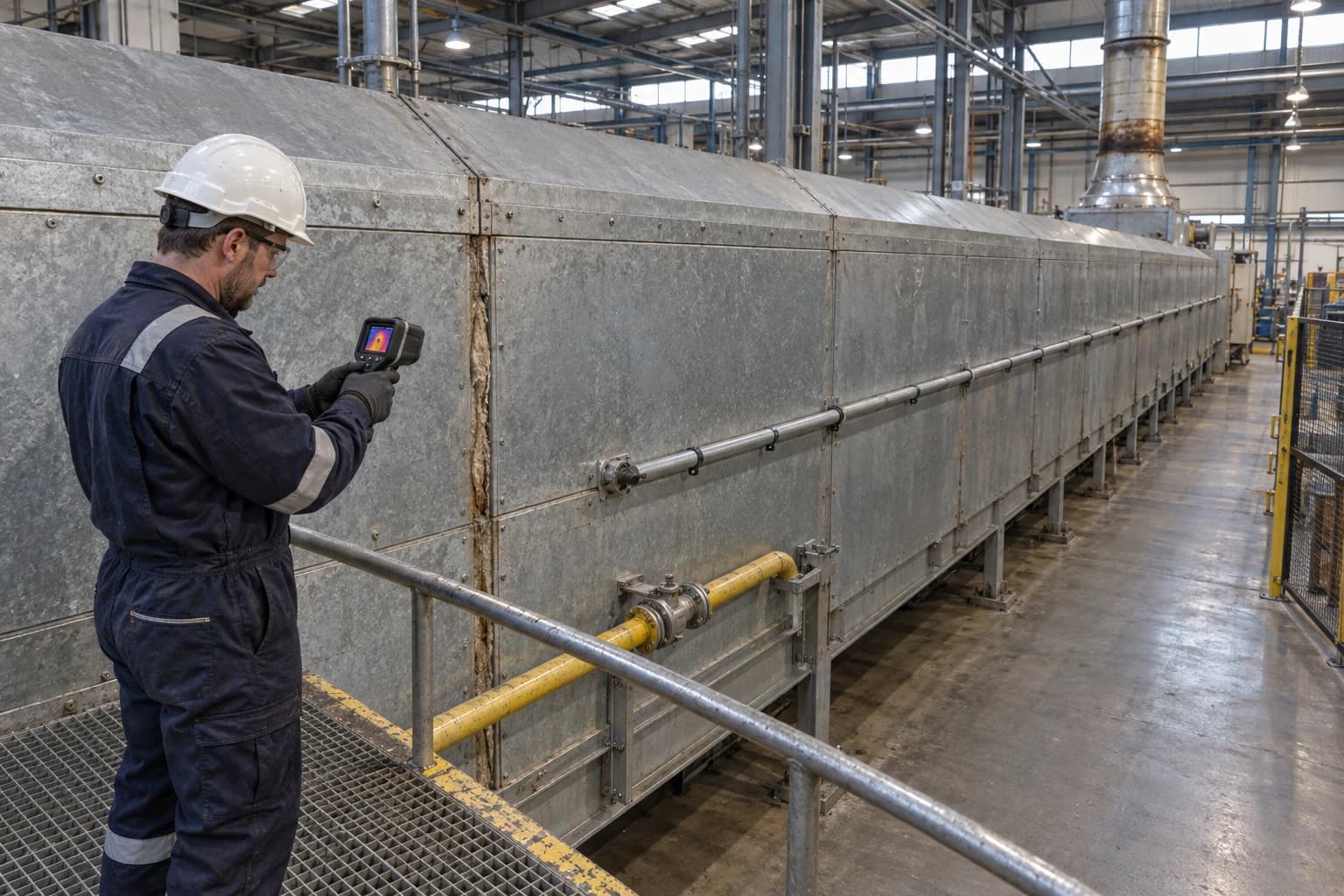
// IMAGE_UNAVAILABLEHow a Thermal Efficiency Audit Reveals Process Heat Loss1732[Industrial Energy Audit]How a Thermal Efficiency Audit Reveals Process Heat LossThermal efficiency audits expose process heat loss, rank fuel-saving fixes and provide ESOS Phase 4 evidence for UK manufacturers.// September 15, 2026Open →
// IMAGE_UNAVAILABLEHow Pinch Analysis Cuts Carbon Capture Heat Demand1731[Pinch Analysis]How Pinch Analysis Cuts Carbon Capture Heat DemandPinch analysis cuts MEA carbon capture heat demand by reusing waste heat, reducing 3.5-3.7 GJ/tCO2 regeneration energy and steam costs.// September 14, 2026Open →
// IMAGE_UNAVAILABLEHow PFD Stream Tables Expose Heat Loss in Dairies1730[Heat & Mass Balance for Food & Beverage]How PFD Stream Tables Expose Heat Loss in DairiesA dairy PFD stream table reveals heat loss at 72°C for 15 seconds, pinpointing steam waste, poor regeneration and condensate recovery.// September 14, 2026Open →