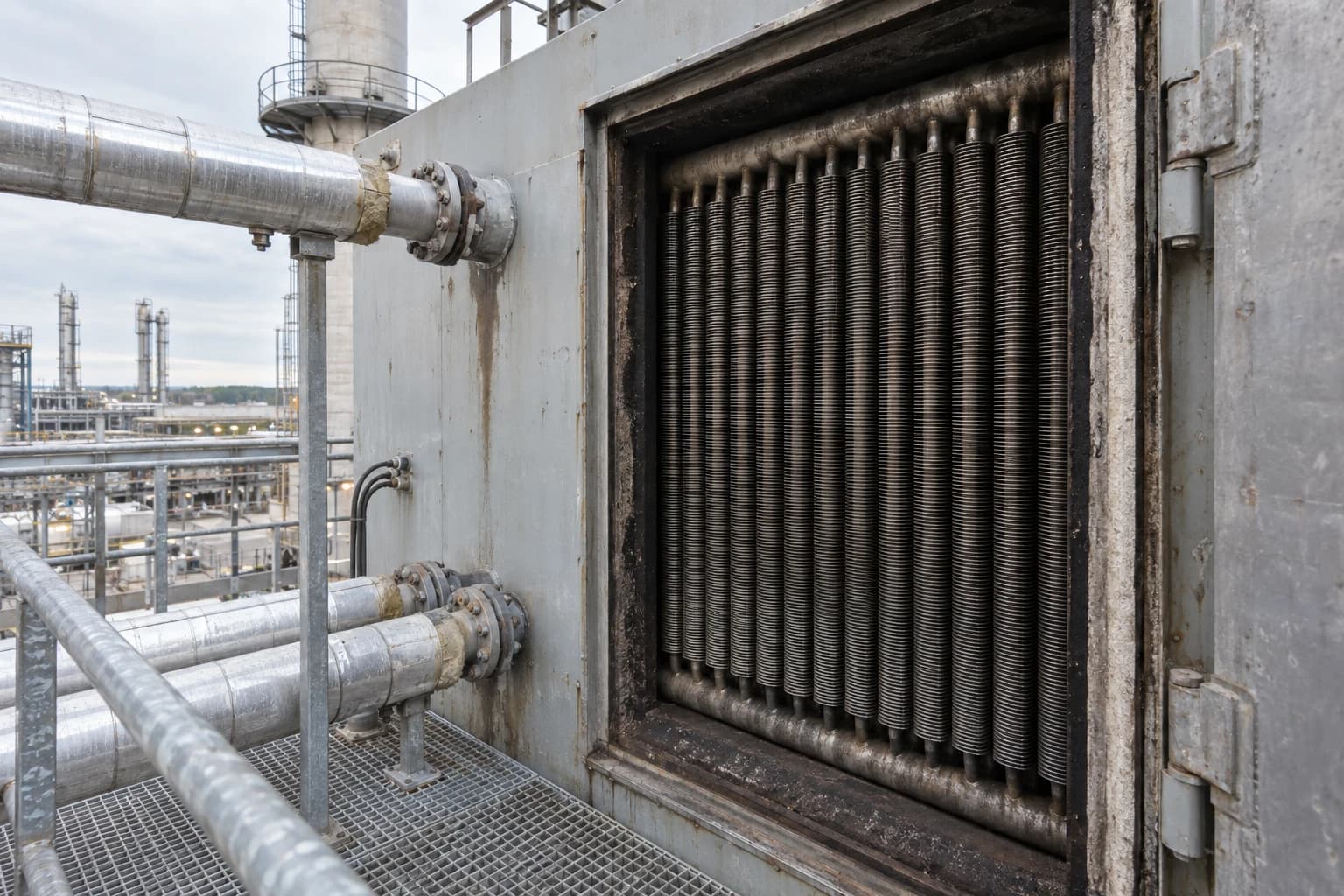
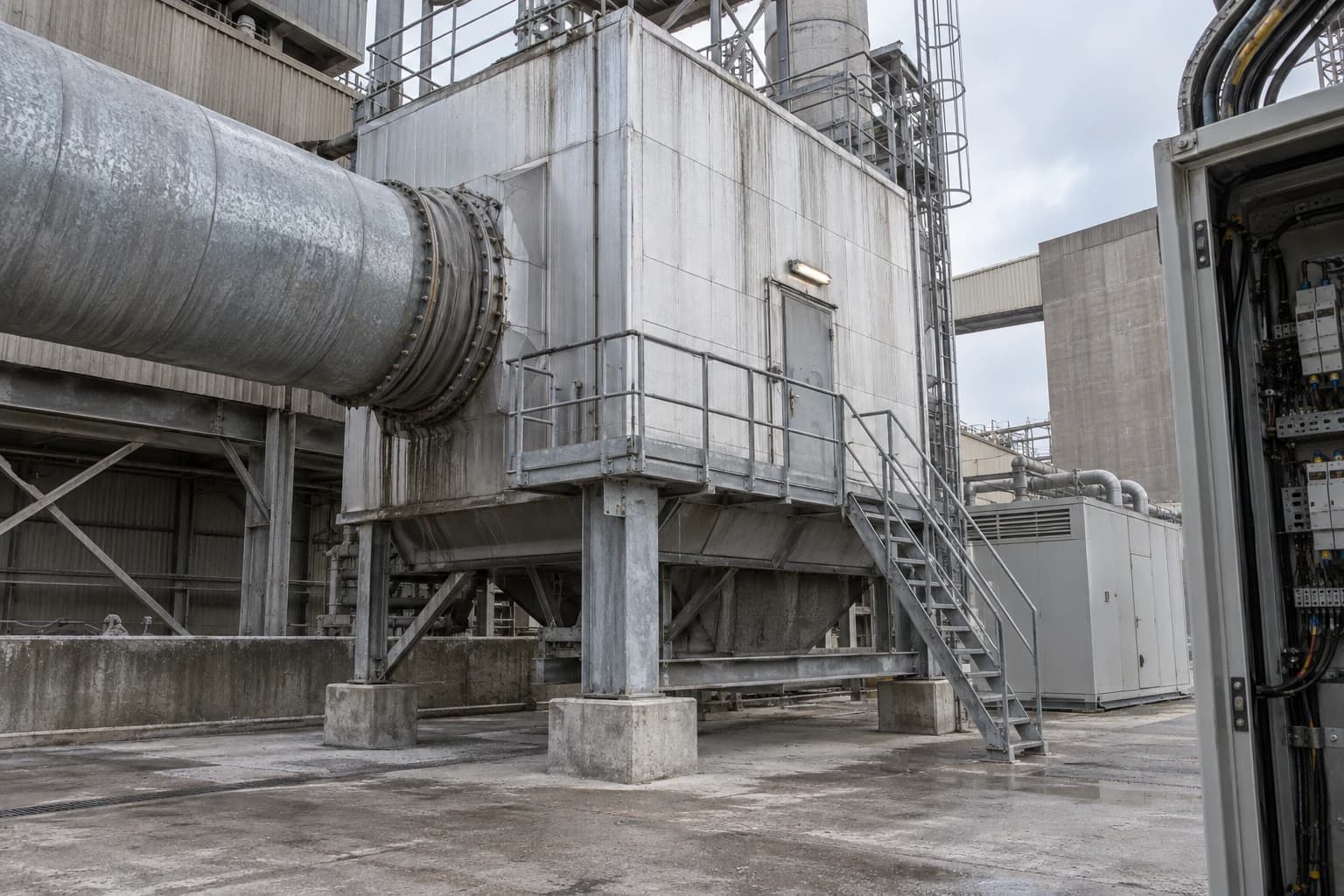
// IMAGE_UNAVAILABLEWhy Chemical Plants Recover Furnace Heat for Steam1743[Energy Audit for Chemical Processing]Why Chemical Plants Recover Furnace Heat for SteamChemical plants recover furnace heat to produce process steam, cut boiler fuel use and manage exchanger fouling and DSEAR controls.// September 18, 2026Open →
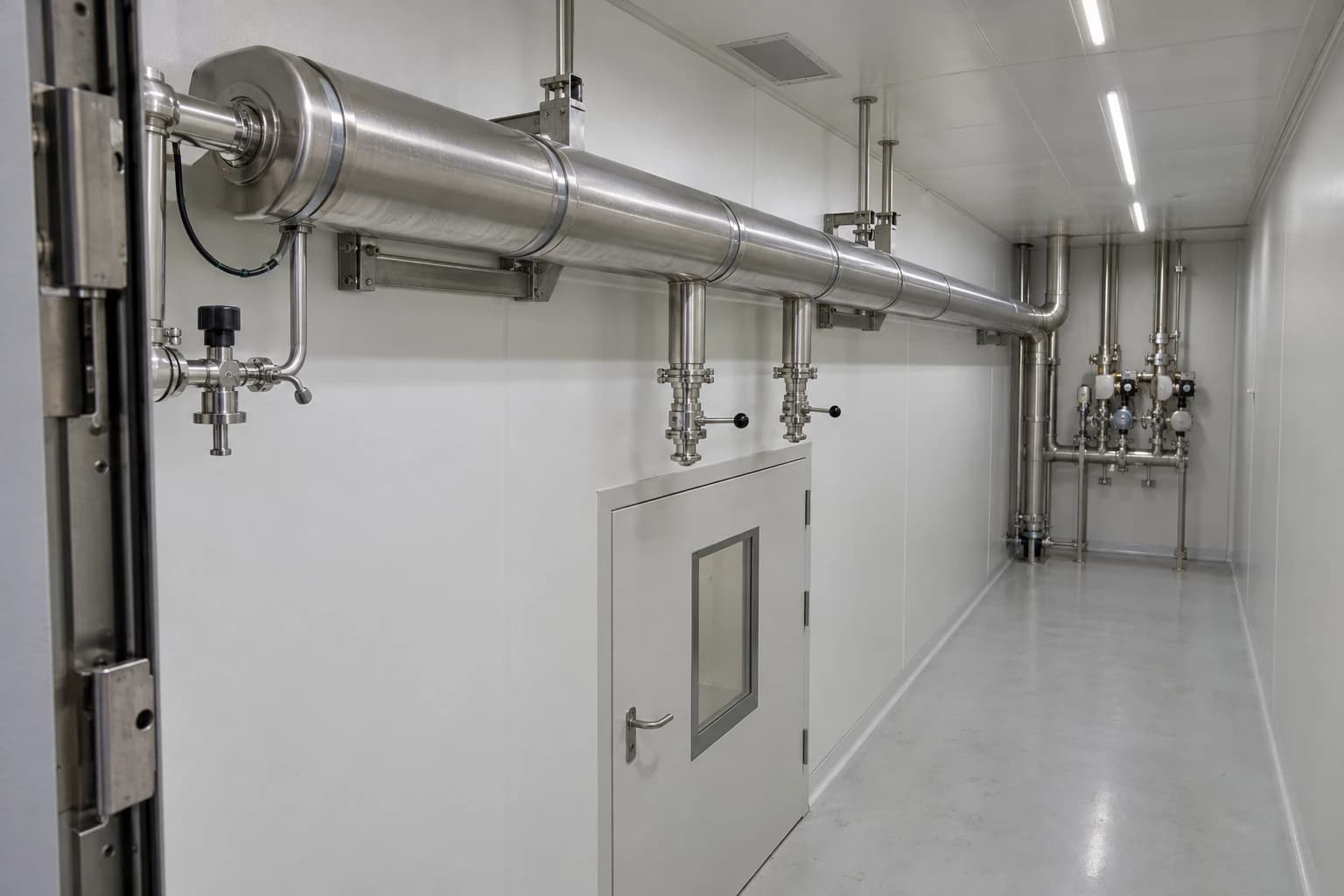
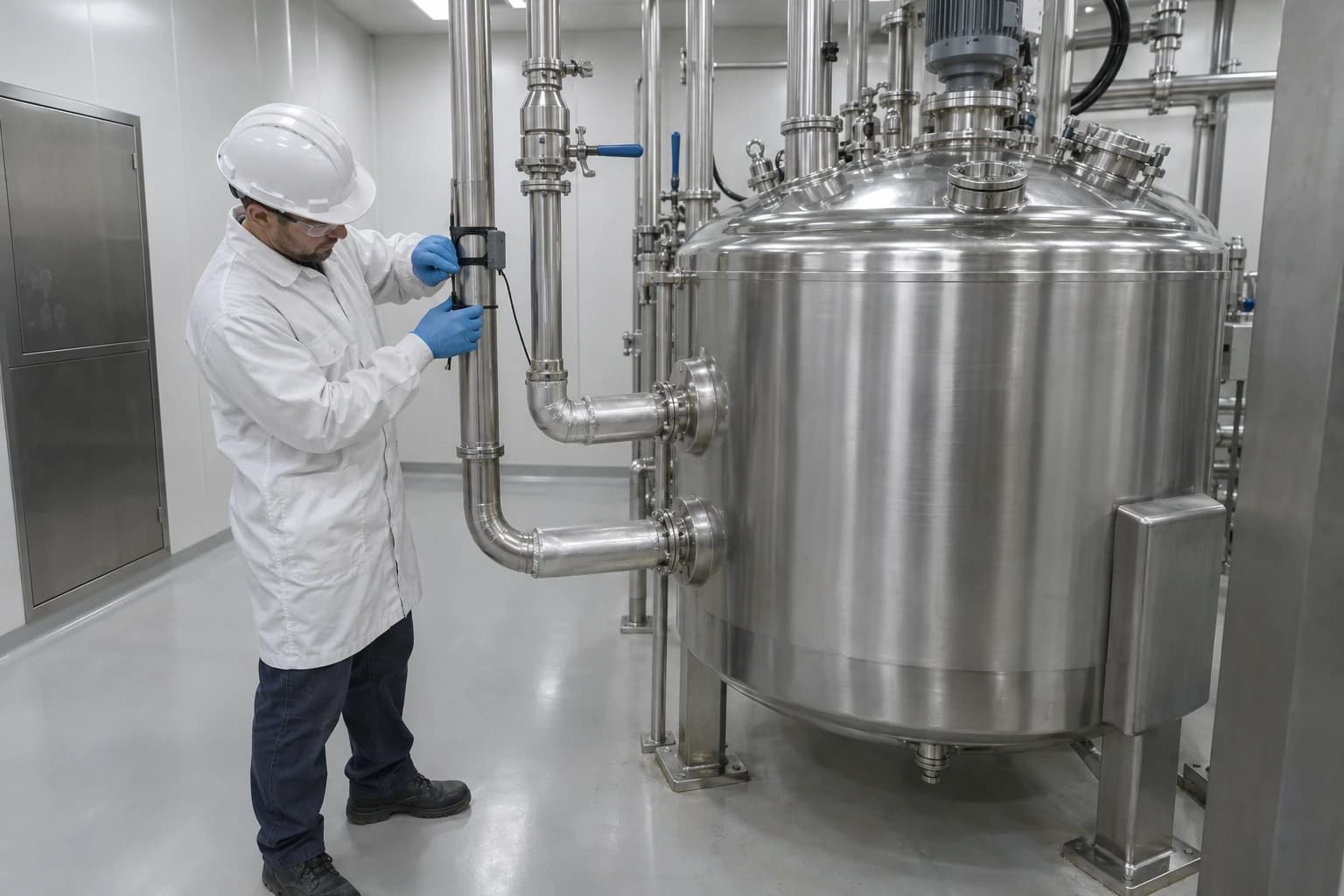
// IMAGE_UNAVAILABLEWhy WFI Loops Stay Above 70°C in GMP Facilities1742[Heat & Mass Balance for Pharmaceutical]Why WFI Loops Stay Above 70°C in GMP FacilitiesWFI loops stay above 70°C to control microbial growth and biofilm risk. Learn how insulation cuts GMP utility loads without compromising quality.// September 18, 2026Open →
// IMAGE_UNAVAILABLESteady-State Process Modelling in Chemical Processing1740[Heat & Mass Balance for Chemical Processing]Steady-State Process Modelling in Chemical ProcessingValidate Aspen HYSYS and DWSIM heat and mass balances with an 11-step framework to find chemical plant bottlenecks before CAPEX decisions.// September 17, 2026Open →
// IMAGE_UNAVAILABLEPulp Mill Energy Efficiency: Finding Hidden Steam Losses1739[Heat & Mass Balance for Paper & Pulp]Pulp Mill Energy Efficiency: Finding Hidden Steam LossesFind hidden steam losses in pulp mills with heat and mass balance modelling. Cut fuel use, improve recovery, and reduce CO2 emissions.// September 17, 2026Open →
// IMAGE_UNAVAILABLEWhy UK Cement Plants Can Turn Waste Heat into 4-6 MW1738[Pinch Analysis for Power Generation]Why UK Cement Plants Can Turn Waste Heat into 4-6 MWUK cement plants can generate 4-6 MW of on-site electricity from kiln waste heat, offsetting up to 33% of grid power without extra fuel.// September 17, 2026Open →
// IMAGE_UNAVAILABLEPharmaceutical Heat Exchanger Network Design: Batch Timing1737[Pinch Analysis for Pharmaceutical]Pharmaceutical Heat Exchanger Network Design: Batch TimingRecover 21-43% of pharmaceutical batch-plant heat demand with timed exchanger networks and thermal storage, guided by real daily batch profiles.// September 16, 2026Open →